
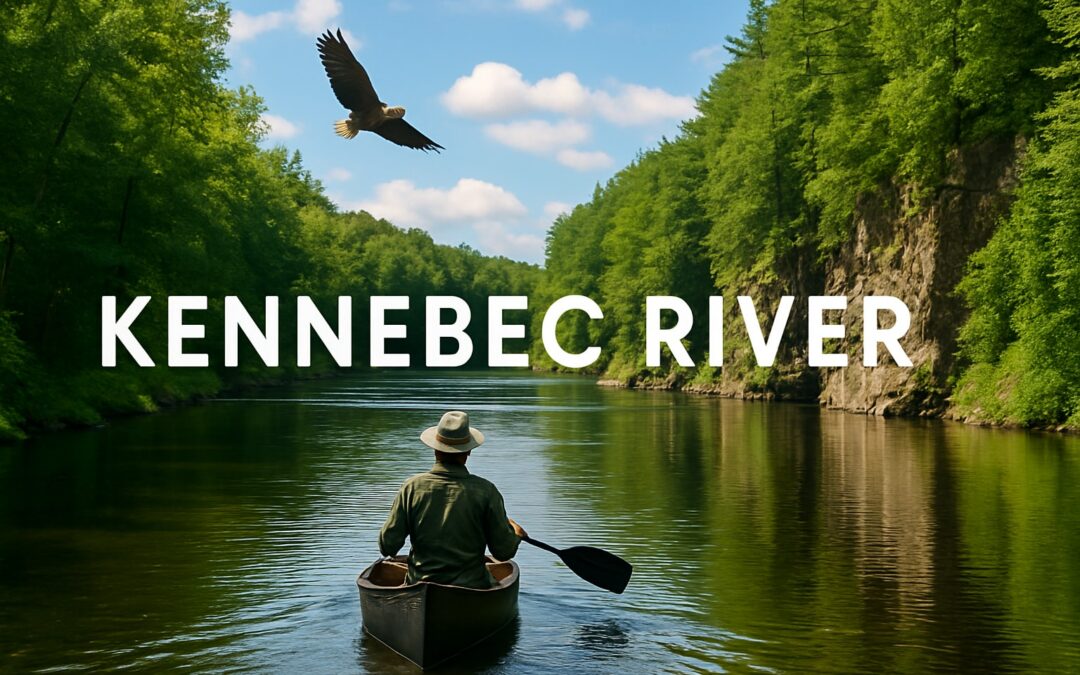
Imagine drifting gently along the kennebec river, where lush forests rise on either bank and wildlife flourishes in the morning light. This waterway, winding through Maine’s heart, is more than just a river; it’s a living thread connecting dramatic gorges, historic towns, and diverse natural wonders.
In this 2026 guide, you’ll discover how to explore the kennebec river from source to sea. We’ll reveal its geography, unveil its rich history, spotlight outdoor adventures, showcase unique wildlife, and introduce the vibrant communities that line its banks. Start planning your unforgettable journey today.
Click here for our official online travel guide.
Kennebec River Overview: Location, Geography, and Key Facts
Imagine a waterway that carves through the heart of Maine, connecting forests, towns, and stories. The kennebec river is not just a scenic feature, but the backbone of the region. Stretching from remote wilderness to bustling coastal towns, it invites exploration at every bend.
The River’s Source and Course
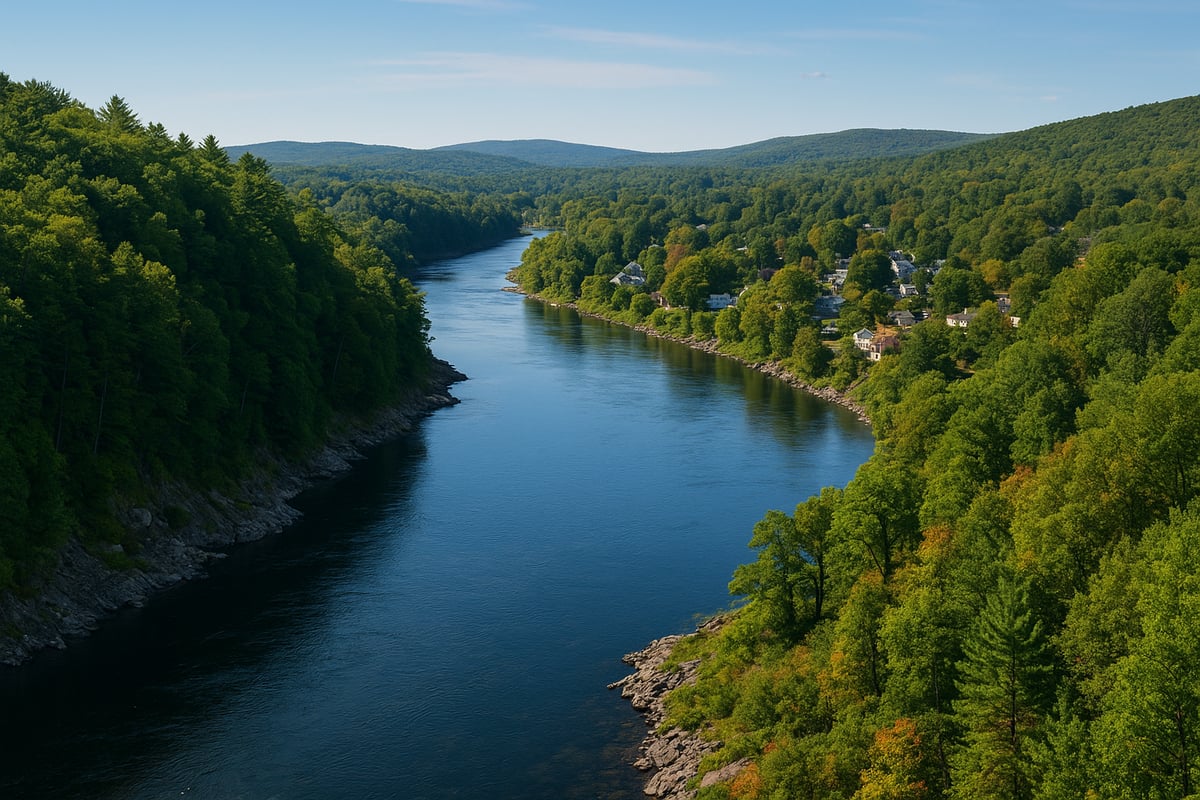
The kennebec river originates at Moosehead Lake in west-central Maine. From there, it travels 170 miles south, weaving through the state before reaching the Atlantic Ocean at the historic city of Bath. Along its journey, the river passes through major towns such as Gardiner, Hallowell, Augusta, and Waterville.
Key tributaries, including the Androscoggin River, merge with the kennebec river to form the expansive Merrymeeting Bay, a unique tidal estuary. The river drops from an elevation of 1,024 feet at its source to sea level at its mouth. Its basin covers 5,869 square miles, with an average discharge of 9,111 cubic feet per second at Merrymeeting Bay.
Notable dams like Harris Station Dam and lakes such as Wyman Lake shape the hydrology and recreational opportunities of the region. For a comprehensive overview of the river’s geography and its interconnected waterways, visit Kennebec Valley Rivers and Lakes.
Natural Landscapes and Scenic Highlights
The kennebec river is famed for its dramatic natural features. Deep gorges, forested valleys, and broad tidal estuaries define its character. The Forks, where the Dead River merges, creates a hotspot for whitewater adventure. Wyman Lake offers tranquil paddling and fishing, while Merrymeeting Bay supports a rich ecosystem.
Seasonal changes bring new beauty. In fall, vibrant foliage lines the riverbanks. Spring snowmelt swells the river, creating powerful flows. Summer invites boaters and swimmers to cool, clear waters. The Kennebec Highlands, with their rolling hills and hiking trails, provide panoramic views of the river’s course.
Historical and Cultural Significance
The name “kennebec river” comes from the Algonquian language, meaning “long, quiet water.” This river has served as a vital corridor for Indigenous peoples, especially the Wabanaki tribes, for centuries. Early European explorers, such as Samuel de Champlain in the early 1600s, recognized its strategic importance.
Fort St. George, the first English settlement in the area, was founded near Augusta in 1607 along the river’s banks. Over time, the kennebec river became central to Maine’s development, supporting shipbuilding, trade, and the growth of riverside towns. Its legacy is woven deeply into the state’s identity.
History and Heritage of the Kennebec River
The story of the kennebec river begins long before European ships arrived on Maine’s shores. For thousands of years, this waterway has shaped the lives, cultures, and economies along its banks. Its history is a tapestry woven from indigenous traditions, bold exploration, industrial growth, and environmental renewal.
Indigenous Peoples and Early Settlements
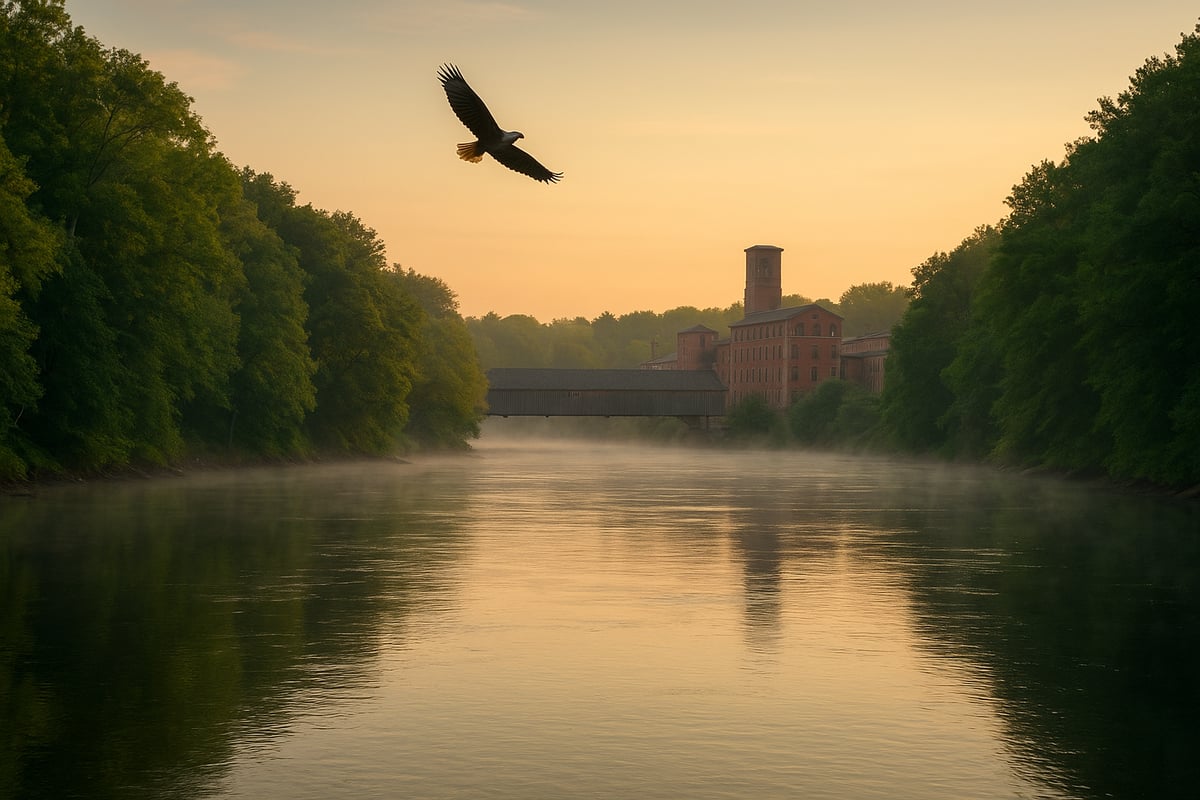
Long before the name kennebec river appeared on any map, the Wabanaki Confederacy, including the Abenaki people, called its banks home. The river’s Algonquian name, meaning “long, quiet water,” reflects the deep connection between the land and its original stewards.
These communities relied on the kennebec river for travel, trade, fishing, and seasonal gatherings. Canoes glided along its calm stretches, linking villages and distant hunting grounds. The river’s islands and shores bear witness to centuries of indigenous presence, with archaeological sites revealing tools, pottery, and ancient campsites.
European Exploration and Colonial Era
The early 1600s marked a turning point for the kennebec river. In 1604 and 1605, Samuel de Champlain navigated its lower reaches, mapping the estuaries and forging new paths for European explorers. Just a few years later, English settlers established Fort St. George near present-day Augusta in 1607, one of the earliest attempts at colonization in North America.
The river quickly became a hub for fur trading and shipbuilding, as well as a contested border between French and English interests. For readers seeking a deeper dive into this era, the Kennebec River history and facts page provides a comprehensive overview.
Revolutionary War and 19th-Century Industry
During the Revolutionary War, the kennebec river played a strategic role in troop movements and supply chains. Its navigable waters allowed for the transport of soldiers and goods, especially as Maine’s coastal towns became staging points for military operations.
By the 1800s, the river’s identity shifted to industry. Bath, known as “The City of Ships,” rose to prominence as a shipbuilding center. Timber floated downstream, fueling sawmills and commerce. In winter, ice harvesting along the kennebec river became a major economic driver, with blocks shipped to distant markets.
20th Century to Present
The 20th century brought dramatic change to the kennebec river. Hydroelectric dams, including Bingham, Skowhegan, and Gardiner, transformed the river’s flow and ecology. While these projects powered local communities, they also altered fish migrations and river habitats.
In 1999, the removal of Edwards Dam in Augusta marked a turning point for restoration efforts. This landmark project reopened critical spawning grounds for Atlantic salmon and sturgeon, signaling a new era of environmental stewardship for the kennebec river.
Key Events and Landmarks
Throughout its history, the kennebec river has witnessed both triumph and challenge. The devastating flood of 1987 reshaped local communities and spurred new awareness of river management. Historic bridges, such as the Richmond-Dresden Bridge, and mill complexes along the riverfront tell stories of innovation and resilience.
Today, riverfront districts in Augusta, Gardiner, and Bath celebrate their heritage through museums, parks, and festivals. Each landmark along the kennebec river stands as a testament to the waterway’s enduring influence on Maine’s past and present.
Outdoor Adventures and Recreation on the Kennebec River
The kennebec river is a playground for adventure seekers, nature lovers, and families alike. Its diverse landscapes offer something for every outdoor enthusiast, from thrilling whitewater rapids to tranquil forest trails. Whether you crave heart-pounding excitement or a peaceful escape, the kennebec river delivers year-round opportunities to explore Maine’s wild side.
Whitewater Rafting and Paddling
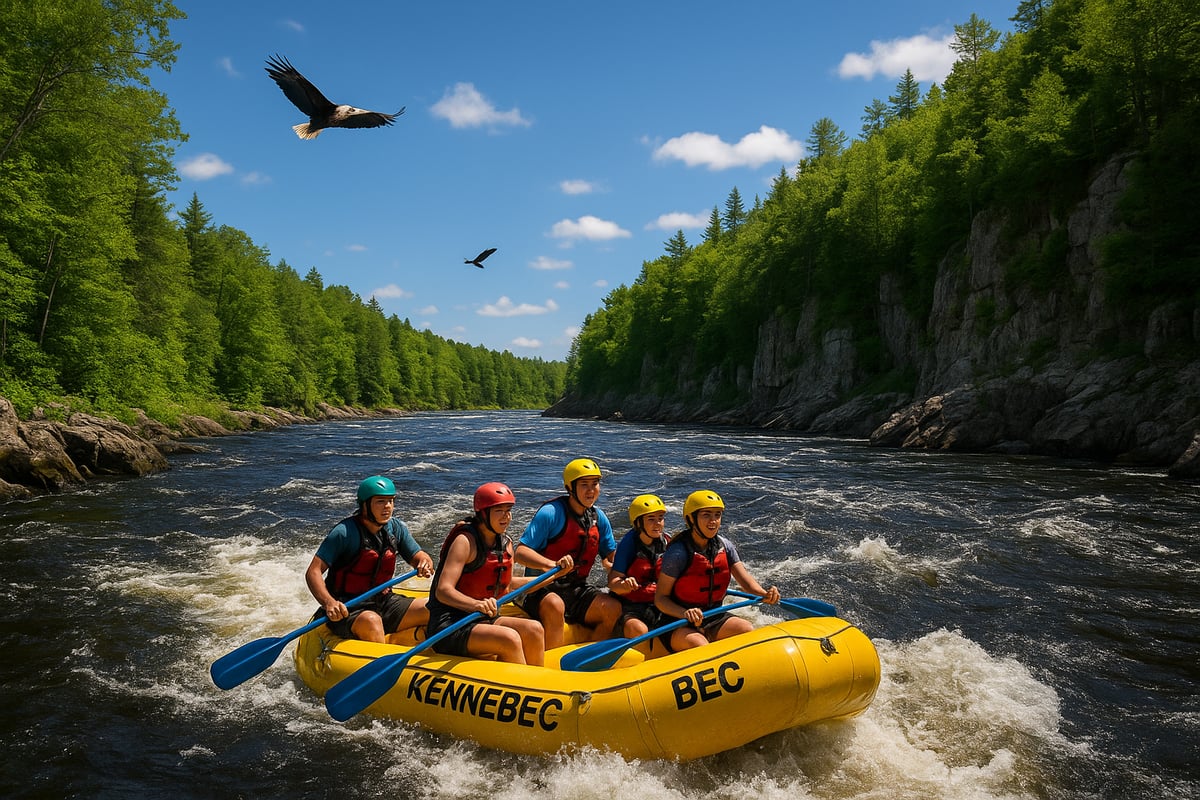
The kennebec river is renowned for its exhilarating whitewater rafting. The Forks, where the Dead River joins the kennebec river, is a top destination for whitewater enthusiasts. The stretch from Harris Station Dam to The Forks features Class III and IV rapids, offering both challenge and excitement for guided groups and experienced paddlers.
Visitors can book trips with Registered Maine Guides or local outfitters, ensuring safety and expert navigation. Canoeing and kayaking are equally popular, with calmer stretches ideal for beginners and families. From spring’s high flows to summer’s steady currents, paddling here is always memorable.
For more details on planning your rafting or paddling trip, check out Whitewater Rafting Adventures. The kennebec river’s dynamic waters guarantee an unforgettable adventure.
Fishing and Angling
The kennebec river is a haven for anglers, supporting a rich diversity of fish species. Atlantic salmon, brook trout, smallmouth bass, and sturgeon draw fishing enthusiasts from across New England. Wyman Lake, the lower kennebec river, and tributary streams are renowned for their productive fishing grounds.
Anglers should familiarize themselves with local regulations, as seasonal changes affect permitted species and catch limits. Spring and fall are especially productive, when fish migrate and feed actively. Guided trips are available for those seeking expert tips or access to secluded waters.
Whether you prefer fly fishing from the riverbank or casting from a boat, the kennebec river offers rewarding opportunities for all skill levels.
Hiking, Biking, and Trails
Exploring the kennebec river’s scenic corridors on foot or bike reveals a new perspective on Maine’s wilderness. The Kennebec River Rail Trail connects Augusta to Gardiner, featuring 6.5 miles of paved path perfect for walking, running, or cycling. Along the way, enjoy river views, interpretive signs, and access to local parks.
The Kennebec Highlands offer a network of hiking trails through forests and ridges, with opportunities for wildlife spotting and panoramic vistas. Near Caratunk, the Appalachian Trail crosses the kennebec river, giving hikers a unique ferry experience.
Biking routes and trailheads are clearly marked, making it easy to plan a day outdoors. The kennebec river’s trail systems cater to both casual explorers and seasoned adventurers.
Boating and Scenic Cruises
Boating on the kennebec river opens up a world of exploration. Pontoon boats, kayaks, and canoes are available for rent in many riverside towns. Scenic cruises depart from Bath and Augusta, providing a relaxing way to experience the river’s beauty and history.
Wildlife sightings are common—keep an eye out for bald eagles, osprey, and herons along the shoreline. Some cruises highlight historic lighthouses or pass under iconic bridges, adding a cultural touch to your journey.
Whether you prefer to paddle solo or join a narrated tour, the kennebec river’s waterways offer endless possibilities for discovery and enjoyment.
Camping and Outdoor Stays
Camping along the kennebec river is the perfect way to immerse yourself in Maine’s great outdoors. Riverside campgrounds, state parks, and wilderness lodges cater to a variety of preferences, from rustic tent sites to comfortable cabins.
Popular campsites include The Forks, Wyman Lake, and Swan Island, each offering unique access to water activities and hiking trails. Families appreciate the amenities at established campgrounds, while backcountry enthusiasts can find secluded spots for a true wilderness experience.
Plan ahead for permits, especially during peak seasons. The kennebec river’s campgrounds make it easy to wake up to the sounds of flowing water and birdsong.
Seasonal Activities
The kennebec river transforms with the seasons, ensuring there is always something new to experience. In autumn, vibrant foliage tours by boat or trail attract photographers and nature lovers. Winter brings snowmobiling along river-adjacent trails, with groomed routes connecting towns and scenic overlooks.
Spring is ideal for birdwatching and wildlife photography, as migratory birds return and the river comes alive. Summer offers swimming, paddling, and riverside picnics, making it a favorite time for families.
No matter the season, the kennebec river provides a backdrop for unforgettable outdoor adventures and lifelong memories.
Wildlife, Ecology, and Conservation Efforts
The kennebec river is a living mosaic of habitats, supporting a rich diversity of wildlife and offering a window into Maine’s ecological heritage. From tidal estuaries to forested banks, the river’s ecosystems are vital for both rare and common species. Conservation efforts and community stewardship continue to shape the future of this iconic waterway.
Unique River Ecosystems
The kennebec river features a variety of distinct ecosystems, making it a haven for nature enthusiasts. Merrymeeting Bay, where the river meets the Atlantic tides, is one of Maine’s most important tidal estuaries. This area provides crucial habitat for migratory birds, rare plants, and aquatic life.
Forested riparian zones line much of the kennebec river, creating corridors that support moose, white-tailed deer, and black bears. These lush banks also shelter amphibians and reptiles, while the river’s wetlands nurture countless invertebrates. Seasonal changes, from spring floods to autumn leaf fall, further enrich these dynamic landscapes.
Fish and Aquatic Life
The kennebec river is renowned for its efforts to restore native fish populations. After the removal of major dams, Atlantic salmon and short-nosed sturgeon have regained access to traditional spawning grounds. Each spring, these species embark on remarkable migrations upstream, drawing anglers and scientists alike.
The river also sustains brook trout, smallmouth bass, and American shad. However, hydroelectric dams still impact fish passage in some areas, requiring ongoing management. Conservationists monitor water quality and habitat conditions to ensure the long-term health of the kennebec river’s aquatic communities.
Birdwatching and Wildlife Viewing
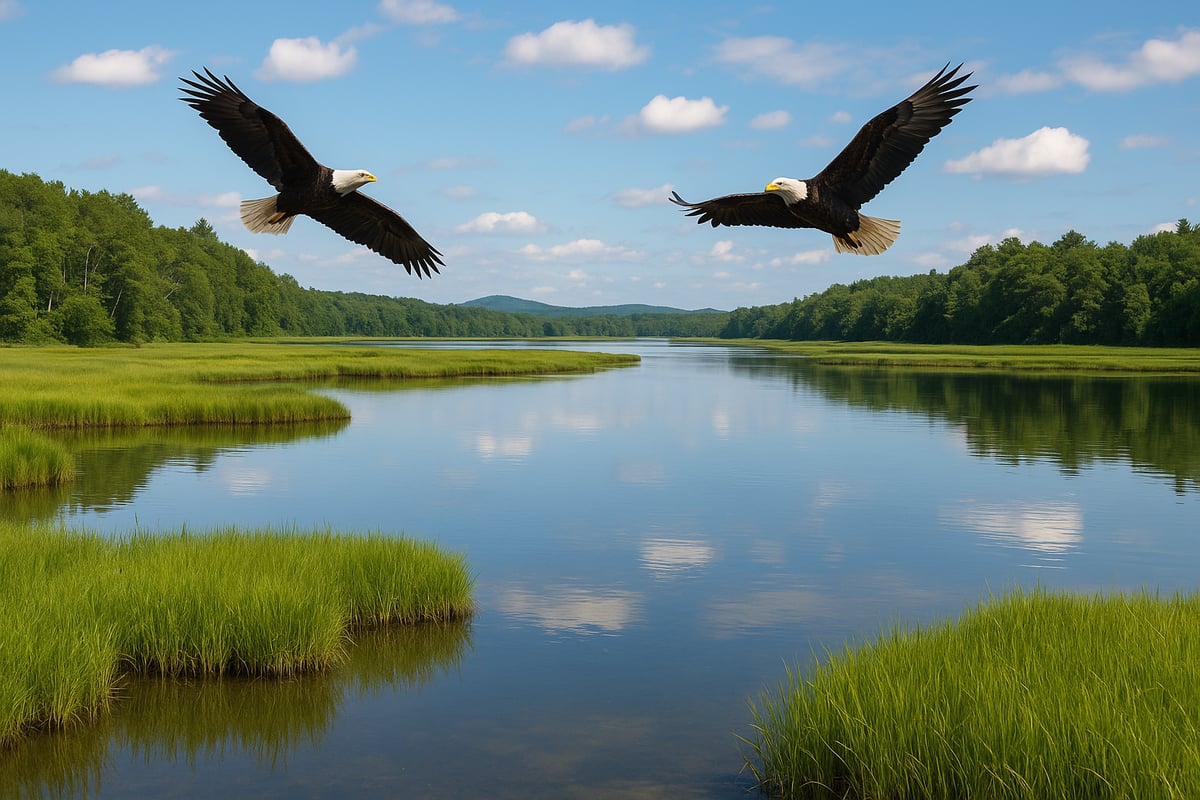
Birdwatchers flock to the kennebec river for its impressive avian diversity. Bald eagles and osprey hunt for fish along the open water, while herons and egrets stalk the marshy edges. In spring and fall, migratory waterfowl fill the skies above Merrymeeting Bay and the Kennebec Highlands.
Prime viewing locations include:
-
Merrymeeting Bay (waterfowl, raptors)
-
Wyman Lake (eagles, songbirds)
-
Kennebec Highlands (warblers, moose)
Wildlife photographers often capture moose wading at dawn or otters playing in quiet backwaters. The kennebec river is truly a destination for those seeking memorable encounters with Maine’s wild residents.
Conservation Initiatives
Ongoing conservation work has transformed the kennebec river into a model for river restoration. The 1999 removal of the Edwards Dam reopened vast stretches of habitat for migratory fish. Organizations like The Nature Conservancy and local watershed groups protect land, monitor invasive species, and promote water quality.
Environmental challenges remain, such as periodic flooding and climate impacts. Community stewardship programs and educational events foster a sense of responsibility among residents and visitors. To learn more about current projects and how you can get involved, explore Kennebec River restoration efforts.
Scenic Towns, Cultural Attractions, and Local Experiences
Imagine exploring the charming towns and vibrant culture that line the kennebec river. This region offers a blend of historic streets, creative festivals, delicious cuisine, and hidden treasures waiting to be discovered. Each community along the river provides a unique perspective on Maine’s heritage and contemporary life.
Historic River Towns
Towns along the kennebec river each have their own story. Bath, known as the “City of Ships,” features the Maine Maritime Museum and a historic downtown filled with 19th-century architecture. Augusta, Maine’s capital, offers riverfront parks, the Maine State Museum, and a lively arts scene.
Gardiner and Hallowell are famous for Victorian buildings, boutique shops, and cozy cafes. Waterville stands out with the Colby College Museum of Art and hosts annual cultural festivals. Exploring these towns reveals how the kennebec river has shaped Maine’s communities for centuries.
Arts, Festivals, and Events
The kennebec river region buzzes with creativity year-round. Riverfront festivals, such as Kennebec River Day and Bath Heritage Days, bring music, local food, and crafts to the water’s edge. Art galleries and theaters in towns like Hallowell and Augusta showcase local talent and national acts.
Live music fills open-air venues during summer, while winter brings holiday markets and performances. The river’s influence inspires a calendar full of events that celebrate both tradition and innovation along the kennebec river.
Local Food, Breweries, and Markets
Culinary experiences along the kennebec river highlight Maine’s bounty. Farm-to-table restaurants serve fresh seafood and locally grown produce, giving every meal a sense of place. Craft breweries trace the “Beer Trail” through towns like Gardiner and Waterville, offering unique brews and tasting rooms.
Farmers markets and specialty shops line the river’s communities, providing homemade jams, artisan cheeses, and handmade goods. Sampling local flavors is a must for any visitor exploring the kennebec river corridor.
Guided Tours and Heritage Trails
Guided tours along the kennebec river bring its history and landscapes to life. Walk through Bath’s shipbuilding district, or join a heritage tour in Augusta to learn about the state’s early days. The Kennebec River Rail Trail features interpretive signage, connecting the past with today’s active lifestyles.
Registered Maine Guides offer insights on nature walks, paddling trips, and cultural explorations. These experiences deepen your connection to the kennebec river and its vibrant communities.
Unique Experiences and Hidden Gems
Beyond the well-known attractions, the kennebec river region hides countless surprises. Swan Island offers wildlife tours and riverside camping, while small towns tempt with vintage shops and antique treasures. Scenic drives, such as those featured along the Scenic Drives Along Old Canada Road, reveal breathtaking views and quiet corners.
Whether you are photographing fall foliage or discovering a tucked-away café, exploring the kennebec river’s lesser-known spots rewards curious travelers with authentic Maine moments.
Essential Trip Planning Tips for Exploring the Kennebec River
Planning a memorable visit to the kennebec river starts with good timing, thoughtful logistics, and knowing what to expect. Whether you seek adventure, relaxation, or a family getaway, having the right information ensures a smooth and enjoyable trip.
When to Visit and Seasonal Insights
The kennebec river offers unique experiences every season. Spring brings high water for thrilling whitewater rafting and excellent birdwatching. Summer is prime for paddling, swimming, and riverside camping. Autumn transforms the landscape with spectacular foliage, making it ideal for scenic drives and photography. Winter attracts snowmobilers and those seeking a quiet, frosty landscape.
Best times by activity:
|
Activity |
Best Season |
|---|---|
|
Rafting |
Spring, Summer |
|
Fishing |
Spring, Fall |
|
Foliage Viewing |
Fall |
|
Snowmobiling |
Winter |
Check local weather and river conditions before your trip to the kennebec river. Planning ahead ensures you enjoy the best each season has to offer.
Getting There and Getting Around
Access to the kennebec river is straightforward, with multiple entry points in Augusta, The Forks, and Bath. Route 201, known as the Old Canada Road, follows much of the river and provides scenic views along the way. Interstate 95 is the main north-south corridor for reaching major towns.
For those interested in hiking or biking, the Kennebec River Rail Trail information offers details on a popular riverside trail connecting Augusta to Gardiner. Public transportation options are limited, but shuttle services for paddlers and hikers are available in key recreation areas.
Lodging and Accommodations
Along the kennebec river, you will find a range of accommodations to suit every traveler. Riverside campgrounds offer a rustic experience and easy access to water activities. Boutique inns and historic bed-and-breakfasts are found in towns like Hallowell and Bath. Family-friendly hotels provide comfort and amenities for longer stays.
For group trips, consider wilderness lodges or vacation rentals near popular recreation zones. Many lodgings offer packages that include guided tours or equipment rentals, making your kennebec river adventure even more convenient.
Safety, Permits, and Responsible Travel
Safety is essential when exploring the kennebec river, especially for boating, swimming, or hiking in remote areas. Always wear a life jacket on the water, check weather forecasts, and let someone know your itinerary. Permits are required for fishing and, in some areas, for boating and camping.
Follow Leave No Trace principles to protect the natural beauty of the kennebec river. Respect local regulations, pack out all trash, and use designated campsites. Being a responsible traveler helps preserve the river for future generations.
Local Services and Resources
Visitor centers in Augusta, The Forks, and Bath provide maps, permits, and expert advice about the kennebec river. Outfitters and gear rental shops offer everything from kayaks to camping gear. Emergency services and medical facilities are conveniently located near most river towns.
Downloadable maps and trail guides are available at visitor centers and online. Check local event calendars to discover festivals, tours, and seasonal activities during your stay on the kennebec river.
Insider Tips and Itineraries
Maximize your kennebec river experience by mixing adventure with local culture. Try a one-day itinerary featuring a morning paddle, lunch in a historic town, and an afternoon hike. For weekends, combine rafting, scenic drives, and a visit to a local brewery or art gallery.
Week-long stays allow for exploration of multiple river towns, wildlife watching, and participation in seasonal festivals. Pack a camera to capture the river’s wildlife and stunning vistas at sunrise and sunset. Plan ahead, and you will discover the best of the kennebec river at your own pace.
After discovering the Kennebec River’s breathtaking landscapes, vibrant towns, and endless outdoor opportunities, you might be eager to start planning your Maine adventure. The Kennebec Valley Tourism Council makes it easy for you to find the best places to stay, eat, and explore—no matter your interests or the season. Whether you are drawn to whitewater rafting, scenic hiking trails, or unique cultural events, you will find all the details you need in one place. Take the next step toward your unforgettable trip and Plan Your Trip to Maine’s Kennebec River region today.