
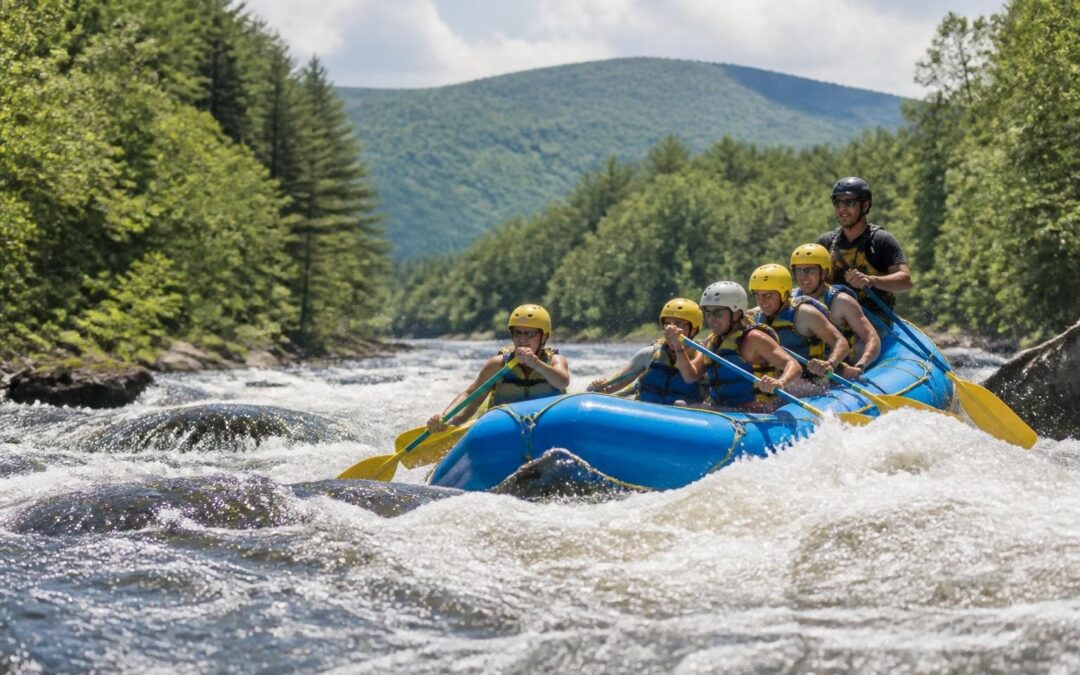
Maine's Kennebec Valley stands as one of the Northeast's most thrilling destinations for outdoor adventure enthusiasts, offering unparalleled opportunities to experience the raw power and beauty of its legendary rivers. The region's combination of pristine wilderness, expertly managed waterways, and professional outfitters creates an ideal environment for both first-time adventurers and seasoned paddlers seeking their next adrenaline rush. With multiple rivers offering varying difficulty levels and seasonal conditions that transform the landscape throughout the year, visitors can find the perfect balance of challenge and natural beauty. To view our official visitors guide click here.
Understanding the Kennebec Valley River System
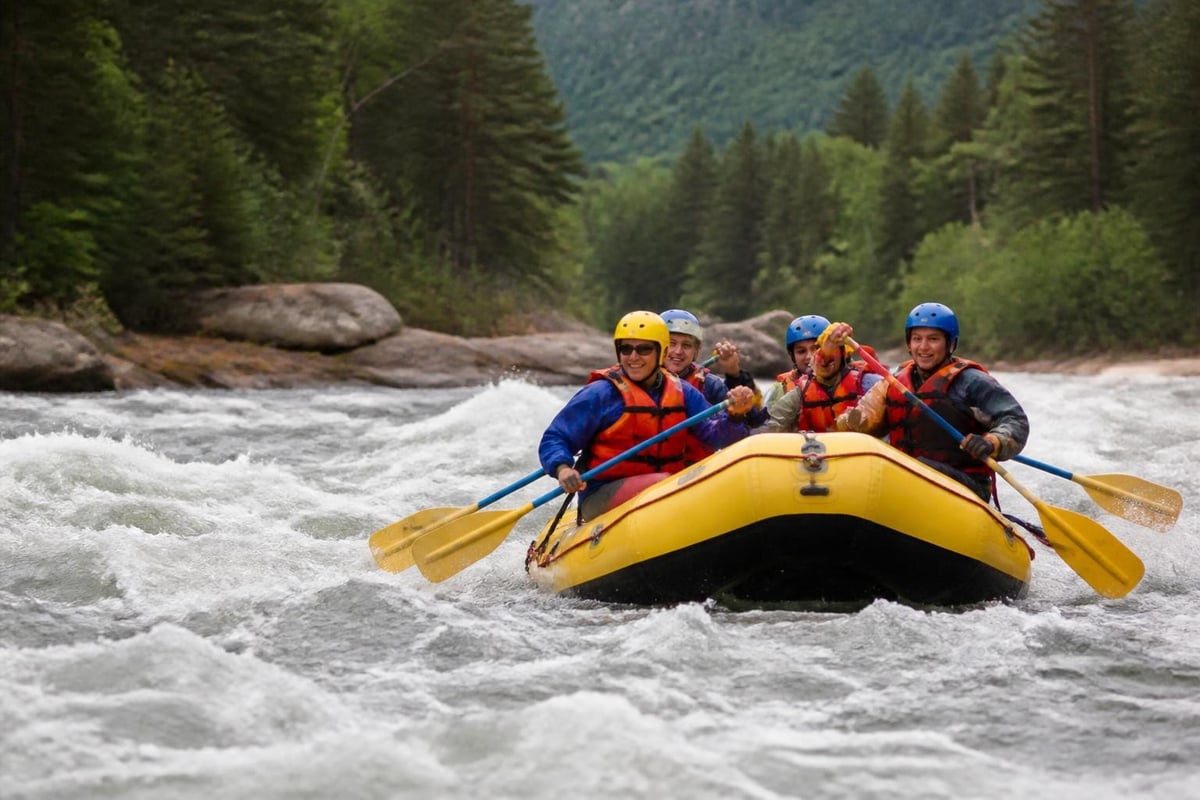
The Kennebec Valley's reputation for exceptional whitewater experiences stems from its unique geological features and hydrological conditions. Three major rivers define the region's rafting landscape, each offering distinct characteristics that appeal to different skill levels and adventure preferences.
The Kennebec River serves as the crown jewel of the valley's rafting scene, delivering consistent flows throughout the summer season. Dam releases from Harris Station create predictable, powerful rapids that maintain their intensity even during drier months. This reliability makes the Kennebec particularly attractive for visitors planning trips well in advance.
Major Rapids and River Sections
| River Name | Rapid Class | Best Season | Key Features |
|---|---|---|---|
| Kennebec River | III-IV | May-October | Dam-controlled, consistent flows |
| Dead River | IV-V | Spring releases | Technical challenges, expert terrain |
| Penobscot River | IV-V | April-June | Natural flows, wilderness setting |
The Dead River provides a completely different experience, with scheduled spring releases creating some of the most challenging rapids in the eastern United States. These powerful flows attract experienced rafters from across the country who seek the ultimate test of their skills and nerve.
Meanwhile, the Penobscot River offers a wilderness experience characterized by natural flows and remote canyon settings. The combination of technical rapids and stunning scenery makes this river particularly memorable for those seeking both adventure and natural beauty.
Planning Your White Water Rafting Maine Experience
Successful rafting trips require careful consideration of timing, skill assessment, and logistical planning. The seasonal nature of Maine's rivers means that conditions vary dramatically throughout the year, affecting both the difficulty level and the overall experience.
Spring represents peak season for experienced rafters, with snowmelt creating high water conditions that maximize rapid intensity. April through early June typically offers the most challenging conditions, particularly on naturally flowing rivers like the Penobscot. Water temperatures remain cold during this period, requiring appropriate thermal protection.
Seasonal Considerations
- Spring (April-June): Highest water levels, most challenging rapids, cold water temperatures
- Summer (July-August): Moderate flows, family-friendly conditions, warm weather
- Fall (September-October): Lower flows, scenic foliage, milder rapids
Summer months provide more accessible conditions for families and first-time rafters. Dam-controlled rivers maintain sufficient flows for exciting trips without the extreme challenges of spring conditions. Warmer air and water temperatures enhance comfort levels, particularly for those new to the sport.
The Kennebec River's dam-controlled nature allows for excellent rafting opportunities well into fall. September and early October combine reliable water flows with spectacular foliage displays, creating a unique multi-sensory experience that distinguishes Maine rafting from other destinations.
Safety Standards and Professional Guidance
Registered Maine Guides bring decades of accumulated expertise to every trip, maintaining the state's long tradition of professional outdoor leadership. These certified professionals undergo rigorous training in river navigation, rescue techniques, and wilderness first aid, ensuring that every trip meets the highest safety standards.
Professional outfitters equip participants with commercial-grade equipment designed specifically for whitewater environments. Modern rafts, helmets, personal flotation devices, and wetsuits provide multiple layers of protection against the inherent risks of river running.
Essential Safety Equipment
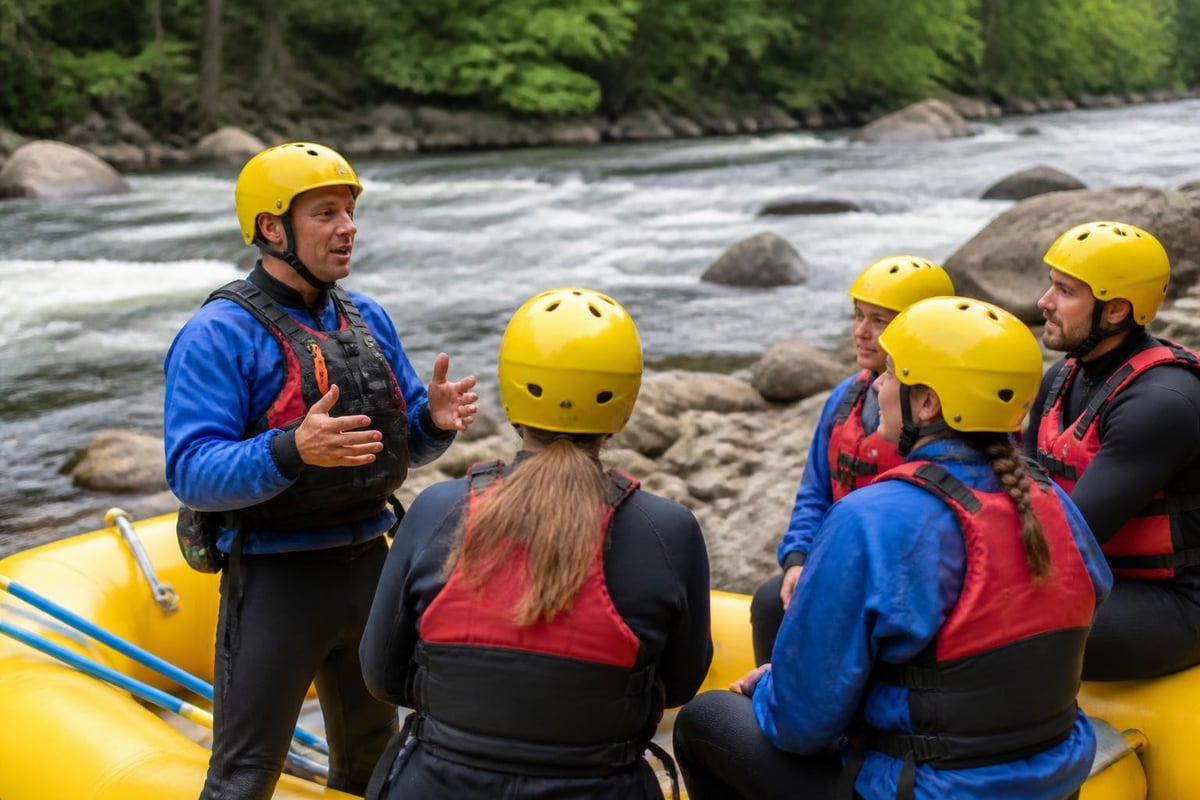
Safety briefings before launch cover paddle techniques, swimming positions for unexpected swims, and emergency procedures. These comprehensive orientations prepare participants mentally and physically for the challenges ahead, reducing anxiety while increasing competence.
Key Safety Protocols:
- Pre-trip equipment checks and fitting
- Detailed rapid-by-step river briefings
- Continuous guide communication during navigation
- Established rescue procedures and emergency contacts
- Weather monitoring and trip modifications when necessary
River guides assess conditions continuously throughout each trip, making real-time decisions about route selection and rapid approaches. This adaptive management ensures appropriate challenge levels while maintaining safety margins.
Skill Levels and Trip Selection
Matching trip difficulty to participant abilities represents a critical decision point in planning white water rafting Maine adventures. Outfitters classify trips using the International Scale of River Difficulty, which ranges from Class I (easy) to Class VI (extreme and exploratory).
Class III rapids feature moderate irregular waves, narrow passages requiring precise maneuvering, and some scouting requirements. These represent ideal introductory conditions for physically fit adults and teenagers, providing genuine excitement without overwhelming participants.
Class IV rapids increase the intensity significantly, with powerful irregular waves, dangerous rocks requiring precise boat handling, and sharper drops. Boiling eddies and powerful hydraulics demand quick decision-making and solid paddling skills.
| Difficulty Class | Description | Recommended For | Example Rivers |
|---|---|---|---|
| Class III | Moderate waves, maneuvering needed | First-timers, families | Lower Kennebec |
| Class IV | Powerful irregular waves, precise handling | Active adults, teens 12+ | Upper Kennebec |
| Class V | Extremely difficult, violent rapids | Experienced paddlers only | Dead River releases |
Class V rapids present long, violent sections with steep drops, complex routes, and significant hazard potential. These expert-only sections appear during peak flows and special releases, attracting experienced rafters seeking maximum challenge.
The Kennebec Valley Advantage
The Kennebec Valley's position as a premier rafting destination extends beyond just the quality of its rivers. The region's infrastructure, accessibility, and complementary attractions create a comprehensive outdoor adventure experience.
Geographic convenience places the valley within reasonable driving distance of major Northeast population centers. Boston sits roughly three hours south, while Portland provides closer access for those flying into Maine. This accessibility allows for weekend trips without extensive travel commitments.
Multiple professional outfitters operate throughout the valley, each bringing unique approaches to the rafting experience. Competition among providers maintains high service standards while offering diverse trip styles, from hardcore adventure focus to family-friendly experiences with additional amenities.
Beyond the Rapids
The Kennebec Valley offers extensive opportunities for multi-day adventure itineraries. Hiking trails, fishing access, mountain biking routes, and cultural attractions provide complementary activities that extend visitor stays beyond single-day rafting trips.
Local dining establishments showcase Maine's culinary traditions, with particular emphasis on fresh seafood and farm-to-table cuisine. Evening hours allow rafters to explore the region's beer trail and sample craft beverages from local breweries.
Lodging options range from rustic riverside camps to full-service resorts, accommodating various preferences and budgets. Many facilities cater specifically to rafting groups, understanding the unique needs of active outdoor enthusiasts.
Trip Formats and Duration Options
Whitewater rafting experiences in Maine vary considerably in length and intensity, allowing customization based on available time and desired adventure level. Half-day trips provide compact introductions to river running, typically covering shorter river sections with fewer major rapids.
Full-day expeditions represent the most popular format, combining significant rapid action with breaks for lunch and swimming. These comprehensive trips typically last six to eight hours from put-in to take-out, providing thorough immersion in the river environment.
Common Trip Formats:
- Half-Day Adventures (3-4 hours on water): Quick introduction, major highlight rapids
- Full-Day Expeditions (6-8 hours): Complete river sections, lunch included, maximum variety
- Multi-Day Wilderness Trips (2-3 days): Camping, remote sections, comprehensive experience
- Specialty Releases (varies): High-water events, expert terrain, limited availability
Multi-day wilderness trips combine rafting with riverside camping, creating immersive experiences that remove participants from civilization entirely. These extended adventures appeal to those seeking deeper connection with the natural environment and more comprehensive skill development.
Specialty release events occur on specific dates when dam operators increase flows specifically for whitewater recreation. These scheduled releases create temporary conditions that transform familiar rivers into more challenging environments, generating significant excitement among the rafting community.
Physical Requirements and Preparation
White water rafting Maine trips demand varying levels of physical fitness depending on river difficulty and trip duration. Prospective participants should honestly assess their capabilities against trip requirements to ensure safe, enjoyable experiences.
Most outfitters establish minimum age requirements, typically starting at seven years old for easier sections and increasing to twelve or fifteen for more challenging rivers. Weight restrictions may apply for certain trips, ensuring that participants can safely wear required equipment and handle potential swimming situations.
Fitness Considerations
Basic swimming ability provides essential safety margin, though extensive swimming skills aren't required. Life jackets keep participants afloat regardless of swimming proficiency, but comfort in water significantly reduces stress during unexpected swims.
Upper body strength contributes to paddling effectiveness, particularly during long days or difficult rapids. However, proper technique often matters more than pure strength, and guides provide instruction to maximize efficiency.
Physical Preparation Checklist:
- Cardiovascular fitness for sustained paddling effort
- Flexibility for moving within raft and potential swimming positions
- Core strength for stability and paddle power
- Comfort being in cold water if spring/early season
- Ability to follow instructions quickly during rapid navigation
Medical conditions requiring disclosure include heart problems, back or neck injuries, pregnancy, and certain medications. Outfitters need this information to make appropriate safety decisions and potential trip modifications.
Environmental Stewardship and River Conservation
The Kennebec Valley's rafting industry maintains strong commitments to environmental protection and sustainable recreation practices. River ecosystems face pressure from multiple sources, making conscientious management essential for long-term viability.
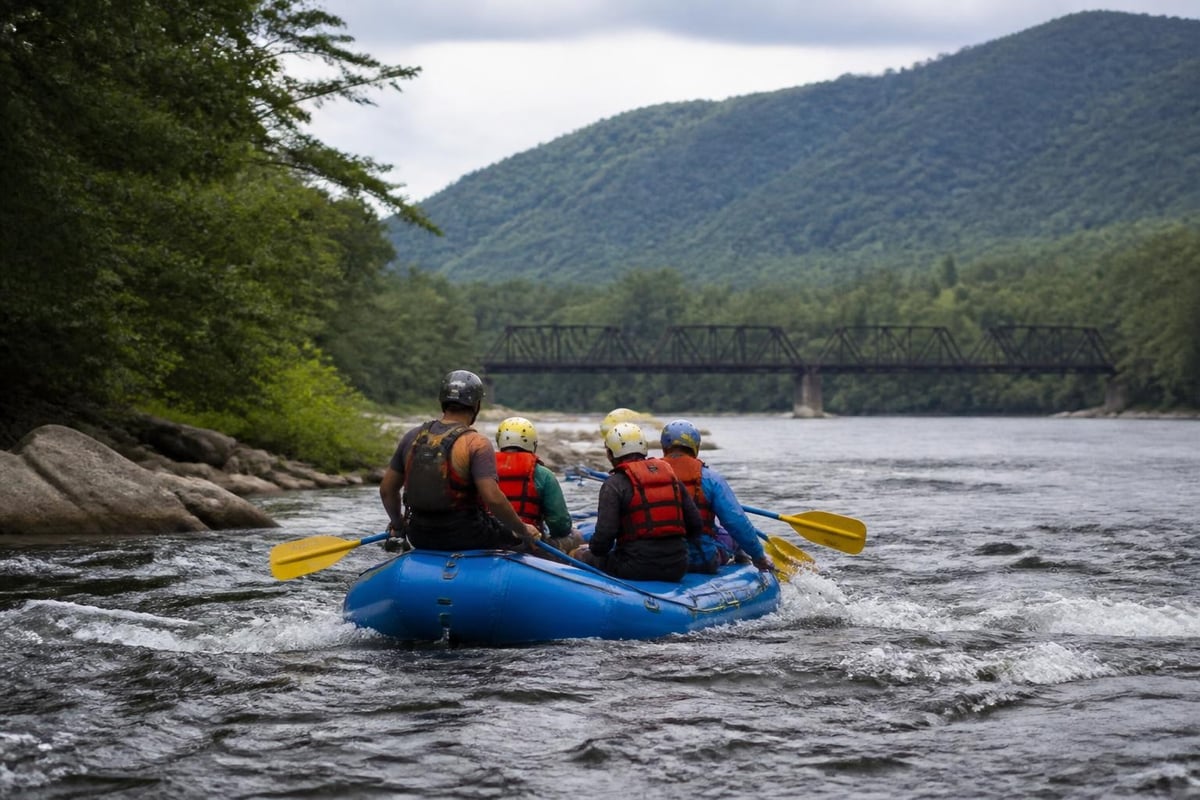
Leave No Trace principles guide all commercial rafting operations, minimizing human impact on riverine environments. Outfitters pack out all waste, avoid disturbing sensitive shoreline areas, and educate participants about environmental responsibility.
Water quality monitoring helps track the health of river ecosystems over time. Information about Maine’s rafting rivers includes details on conservation efforts and regulatory frameworks protecting these valuable resources.
Seasonal flow management balances recreational demands with ecological needs and downstream water users. Dam operators coordinate with environmental agencies to maintain minimum flows during critical periods for fish spawning and aquatic habitat.
Combining Rafting with Regional Attractions
Strategic trip planning allows visitors to experience the Kennebec Valley's full range of attractions beyond white water rafting Maine adventures. The region's cultural sites, natural areas, and recreational facilities provide diverse options for comprehensive visits.
Historic downtown districts in valley communities feature architecture from Maine's industrial past, antique shops, galleries, and local restaurants. Waterville Opera House and similar cultural venues host performances and events throughout the year.
State parks and public lands offer extensive trail networks for hiking and mountain biking. These terrestrial adventures complement the aquatic focus of rafting, providing variety within outdoor recreation themes.
Multi-Day Itinerary Suggestions
Day 1: Arrival, gear fitting, evening river orientation session
Day 2: Full-day rafting expedition, celebratory dinner
Day 3: Hiking or cultural exploration, departure
Day 1: Morning arrival, afternoon half-day raft trip
Day 2: Full-day rafting on different river section
Day 3: Local exploration, brewery tour, departure
Fishing opportunities abound throughout the valley, with both river and lake options available. Anglers can target native brook trout in headwater streams or pursue landlocked salmon in larger waters.
Choosing the Right Outfitter
Selecting appropriate professional services significantly influences overall trip satisfaction. The Kennebec Valley hosts numerous established outfitters, each offering particular strengths and specializations.
Researching company backgrounds reveals important distinctions in experience levels, safety records, and service philosophies. Long-established operators typically possess deeper local knowledge and more refined operational systems.
Outfitter Evaluation Criteria
| Factor | Considerations | Why It Matters |
|---|---|---|
| Experience | Years in operation, guide tenure | Safety knowledge, route familiarity |
| Equipment Quality | Age of rafts, condition of gear | Comfort, reliability, safety margins |
| Group Size | Rafts per trip, people per guide | Attention level, river congestion |
| Additional Services | Meals, photos, transport | Convenience, value, experience quality |
Review platforms and testimonials provide insights into customer experiences, though discerning readers recognize that individual preferences vary. Patterns across multiple reviews reveal consistent strengths or weaknesses more reliably than single accounts.
Direct communication with outfitters allows prospective customers to assess responsiveness and knowledge. Companies that answer questions thoroughly and honestly typically provide superior service throughout the entire customer relationship.
Specialized offerings like photographer services, gourmet meals, or premium equipment upgrades distinguish higher-end providers. These additions increase costs but enhance overall experience quality for those prioritizing comfort and convenience.
Weather Considerations and Seasonal Variations
Maine's climate creates distinct seasonal windows for optimal white water rafting Maine experiences. Understanding weather patterns helps visitors select ideal timing and prepare appropriate gear.
Spring conditions bring variable weather, with temperatures ranging from near-freezing mornings to pleasant afternoons. Rain occurs frequently, though it rarely prevents trips since participants get wet regardless. Cloud cover can reduce sunburn risk while maintaining comfortable temperatures.
Summer stability creates predictable conditions with warm days and minimal precipitation. High temperatures occasionally create afternoon thunderstorms, which guides monitor carefully for lightning risk. Sun protection becomes paramount during this season.
Seasonal Weather Characteristics:
- Spring: Variable temps (40-65°F), frequent rain, cold water
- Summer: Warm days (70-85°F), occasional storms, comfortable water
- Fall: Cooling temps (50-70°F), stable weather, crisp mornings
Fall weather offers stability similar to summer but with cooler temperatures and changing foliage. Morning chill gives way to pleasant afternoon conditions, creating comfortable paddling environments. Water temperatures lag behind air temperatures, maintaining summer warmth into early autumn.
Extreme weather occasionally forces trip cancellations or modifications. Professional outfitters prioritize safety over schedule adherence, making conservative decisions when conditions warrant caution. Lightning, flooding, or extreme cold triggers these protective measures.
Photographic Opportunities and Memory Preservation
The dramatic scenery and action inherent in river running create exceptional photographic subjects. Many outfitters offer professional photography services, with trained photographers capturing key moments throughout trips.
These services solve the practical challenge of protecting personal cameras and phones in wet environments. Waterproof cases exist but limit quick access during spontaneous moments. Professional coverage ensures comprehensive documentation without participant distraction.
Video services add dynamic dimension to trip documentation, capturing the movement and sound that still images cannot convey. Action cameras mounted on rafts or guide helmets record continuous footage from unique perspectives.
Digital delivery systems allow quick access to trip images, typically available within days of completion. Participants can download, share, and print images without carrying physical media or waiting for mail delivery.
Group Dynamics and Social Experiences
White water rafting inherently creates shared experiences that bond participants through common challenge and achievement. Groups ranging from families to corporate teams discover new dimensions in their relationships through cooperative river navigation.
Family trips introduce younger generations to outdoor adventure in controlled settings where professional guides manage risk appropriately. Parents and children share genuine challenges that build mutual respect and create lasting memories.
Corporate groups leverage rafting's team-building aspects, as successful navigation requires communication, trust, and coordinated effort. The neutral outdoor setting removes office hierarchies, allowing authentic interactions and relationship development.
Bachelor and bachelorette parties increasingly choose rafting over traditional celebration formats. The combination of adventure, natural beauty, and achievable challenge creates meaningful experiences beyond typical party activities.
Shared raft experiences create natural conversation opportunities and social bonds among strangers. Many participants report forming friendships with fellow rafters, united by the common experience regardless of different backgrounds.
Trip Enhancements and Add-On Activities
Premium packages combine white water rafting Maine adventures with complementary experiences that broaden overall visit scope. These enhanced offerings appeal to those seeking comprehensive adventure vacations rather than single-activity focus.
Whitewater rafting trips from The Birches Resort demonstrate how lodging providers integrate rafting with their broader service offerings, creating convenient packages.
Zipline courses located near rafting centers provide additional adrenaline options. Flying through forest canopy offers contrasting perspective to river-level experiences while maintaining outdoor adventure themes.
Rock climbing instruction introduces vertical challenges that complement horizontal river navigation. Indoor facilities accommodate weather-affected schedules while outdoor crags provide natural settings for those seeking authentic experiences.
Scenic flights over rafting rivers reveal the landscape from aerial perspectives impossible to appreciate from water level. These overview experiences help participants understand river courses and appreciate the wilderness context.
Culinary experiences featuring Maine specialties create memorable evenings after active days on the water. Farm dinners, lobster bakes, and craft beer tastings showcase regional food culture while providing relaxation and social time.
The Kennebec Valley delivers exceptional white water rafting Maine experiences within a broader context of outdoor adventure, natural beauty, and regional culture. Whether seeking family-friendly introductions to river running or expert-level challenges on powerful spring releases, the valley's diverse rivers and professional outfitters accommodate all skill levels and preferences. Kennebec Valley Tourism Council provides comprehensive resources to help you plan the perfect rafting adventure, including detailed information on outfitters, lodging options, dining recommendations, and complementary activities that will make your visit truly unforgettable.