
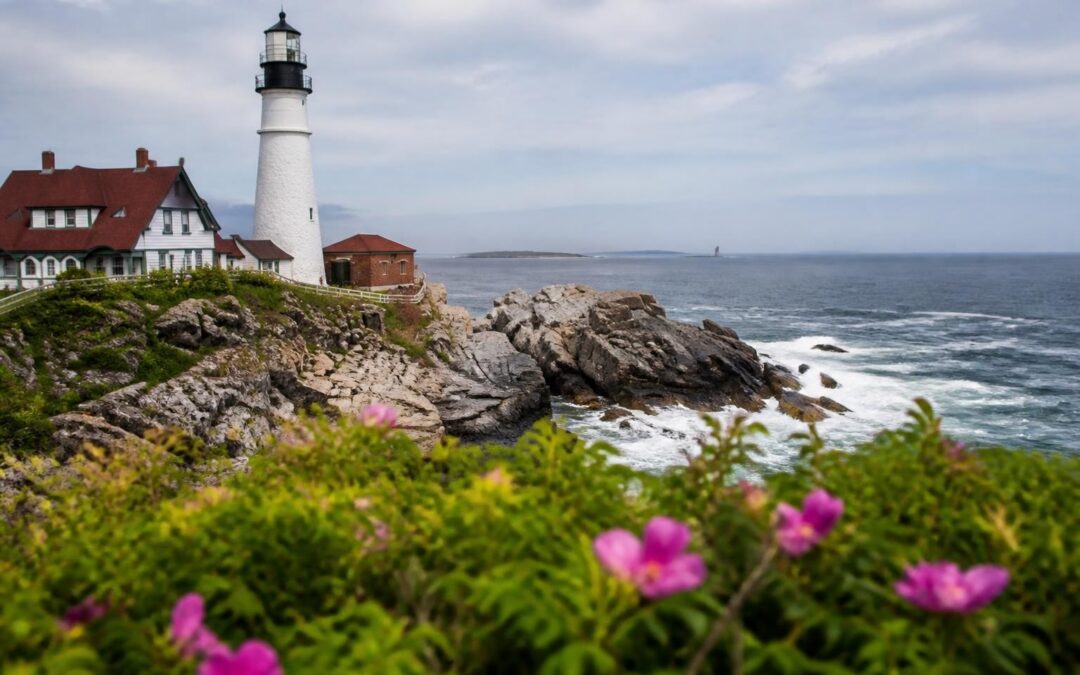
Maine stands as one of America’s most captivating destinations, offering travelers an unparalleled blend of natural beauty, maritime heritage, and authentic New England charm. When you visit Maine, you encounter a state where rugged coastlines meet pristine forests, where lobster boats share harbors with sailboats, and where small-town hospitality remains a way of life. From the rocky shores of Acadia National Park to the vibrant cultural scenes in its historic cities, Maine delivers experiences that resonate long after your journey ends. Whether seeking outdoor adventures, culinary discoveries, or peaceful retreats, this northeastern gem provides compelling reasons to plan your next getaway here. To view our official visitors guide click here.
Why Maine Continues to Captivate Travelers
The Pine Tree State maintains its position as a premier destination through its authentic character and diverse offerings. Unlike more commercialized vacation spots, Maine preserves its genuine coastal culture while welcoming visitors with open arms. According to recent tourism data, travelers who visit Maine demonstrate strong spending patterns, reflecting the state’s value proposition and the quality of experiences available.
Key factors driving Maine’s appeal include:
-
Over 3,500 miles of dramatic coastline featuring lighthouses, beaches, and working harbors
-
17 million acres of forestland offering hiking, camping, and wildlife viewing
-
Rich maritime heritage visible in fishing villages and historic ports
-
Farm-to-table dining culture showcasing fresh seafood and local ingredients
-
Four distinct seasons providing year-round recreation opportunities
The state’s tourism landscape continues evolving while maintaining traditional character. Recent statistics from Maine Public indicate that visitors increasingly seek quality over quantity, spending more time engaging deeply with local communities and attractions rather than rushing through superficial itineraries.
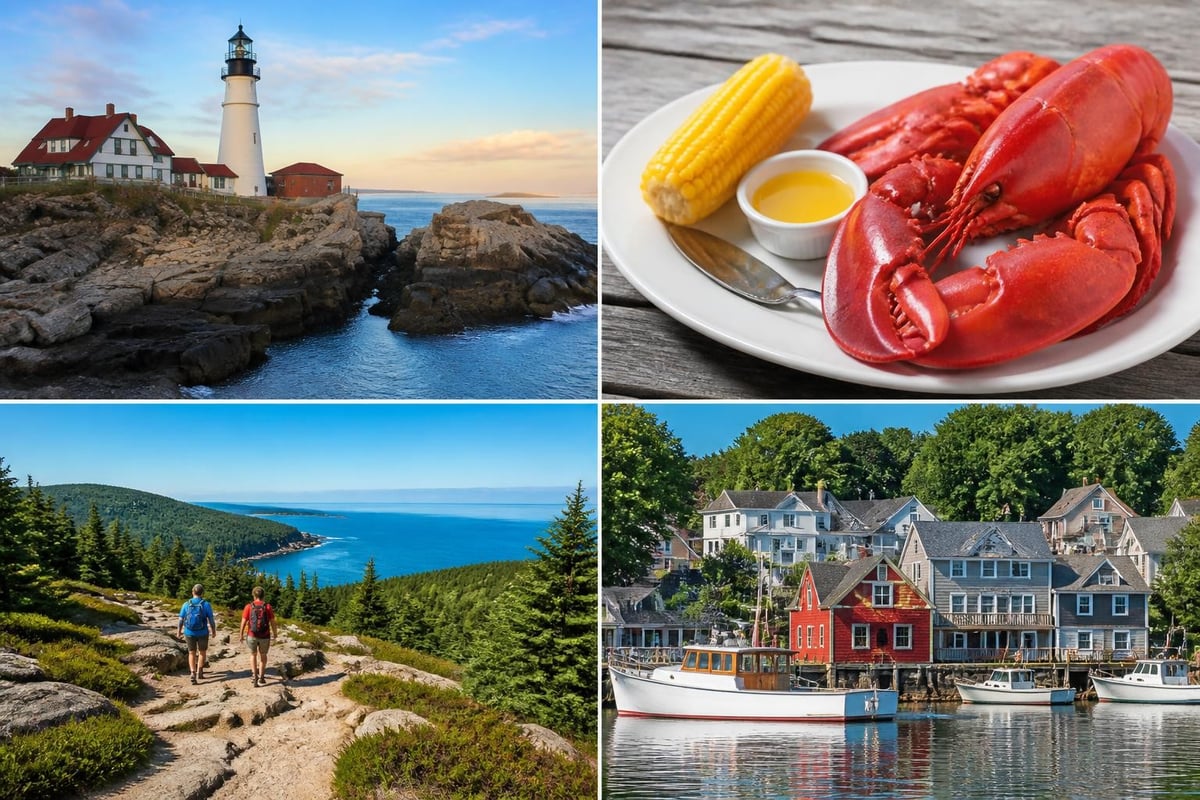
Coastal Wonders and Maritime Heritage
Maine’s coastline defines the state’s identity and serves as the primary draw for millions who visit Maine annually. The shoreline stretches from Kittery in the south to Lubec in the northeast, encompassing hundreds of peninsulas, islands, and harbors that have shaped New England’s maritime culture for centuries.
Iconic Lighthouse Trail
Maine claims 65 historic lighthouses, more than any other state except Michigan. These beacons represent both practical navigation aids and romantic symbols of coastal life. Portland Head Light in Cape Elizabeth, commissioned by George Washington in 1791, stands as Maine’s oldest lighthouse and most photographed landmark. Visitors can explore the keeper’s house museum and walk the surrounding Fort Williams Park.
Further north, Pemaquid Point Light offers dramatic views where waves crash against ancient metamorphic rock formations. The fishermen’s museum housed in the former keeper’s dwelling provides insights into Maine’s commercial fishing traditions.
|
Lighthouse |
Location |
Year Built |
Visitor Access |
|---|---|---|---|
|
Portland Head Light |
Cape Elizabeth |
1791 |
Grounds open daily |
|
Pemaquid Point Light |
Bristol |
1835 |
Museum seasonal |
|
Bass Harbor Head Light |
Mount Desert Island |
1858 |
Exterior viewing |
|
West Quoddy Head Light |
Lubec |
1858 |
Grounds open daily |
Acadia National Park
When outdoor enthusiasts visit Maine, Acadia National Park typically tops their itinerary. This 49,000-acre preserve on Mount Desert Island combines oceanside cliffs, granite peaks, and pristine lakes. National Geographic consistently ranks Acadia among America’s most spectacular national parks.
The park’s 158 miles of hiking trails accommodate all skill levels. Precipice Trail challenges experienced climbers with iron rungs and ladders ascending sheer cliff faces, while Jordan Pond Path offers a level loop suitable for families. Cadillac Mountain provides the earliest sunrise viewing point in the United States during certain months.
Central Maine’s Hidden Treasures
While coastal regions attract the most attention, the Kennebec Valley region presents equally compelling reasons to visit Maine. This central corridor combines outdoor recreation with cultural attractions and authentic Maine communities untouched by excessive tourism development.
Whitewater Adventures and River Sports
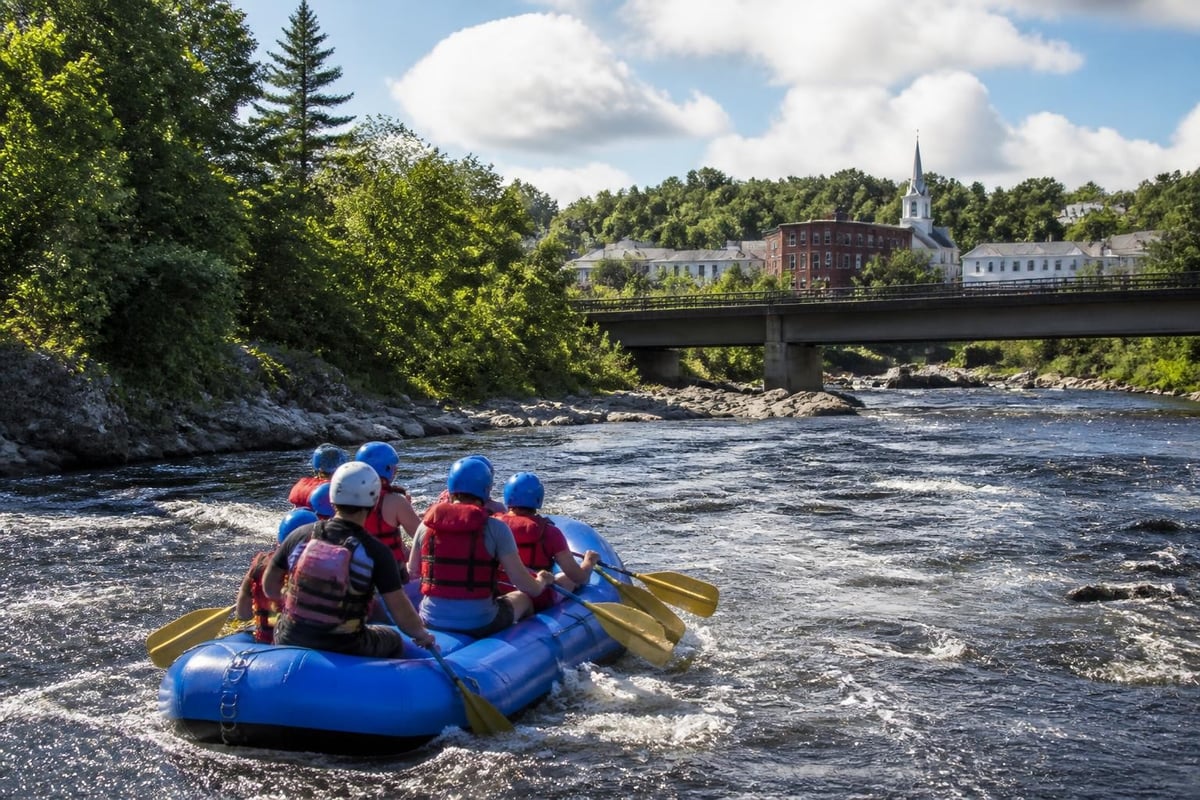
The Kennebec River delivers world-class whitewater rafting through dramatic gorges carved by glacial activity. Spring runoff and controlled dam releases create Class III to V rapids that challenge experienced rafters while guided trips accommodate beginners. Beyond rafting, the river system supports kayaking, fishing, and riverside camping.
The Kennebec Valley’s geography creates microclimates supporting diverse ecosystems. Moose sightings occur regularly along backcountry roads, while bald eagles nest along major waterways. Several outfitters based in the region provide equipment rentals and guided experiences for those seeking authentic outdoor adventures.
Cultural Attractions and Historic Cities
Augusta, Maine’s capital city, offers governmental history alongside museums and performing arts venues. The Maine State Museum presents comprehensive exhibits on natural history, Native American heritage, and industrial development. The city’s compact downtown features locally owned restaurants and shops reflecting genuine Maine character.
Waterville combines a thriving arts scene with educational institutions that bring vitality to the region. The Waterville Opera House hosts regional and touring performances, while Colby College Museum of Art maintains collections rivaling institutions in much larger cities.
Seasonal Experiences Throughout the Year
Maine’s four distinct seasons each offer unique advantages for visitors, challenging the misconception that this destination only appeals during summer months. Understanding seasonal variations helps travelers optimize their experiences and discover why locals cherish year-round living here.
Summer: Peak Season Pleasures
Summer remains the busiest period when most people visit Maine. June through August delivers warm temperatures, long daylight hours, and full accessibility to attractions. Coastal waters reach swimmable temperatures, festivals fill community calendars, and farmers markets showcase local produce.
Summer highlights include:
-
Lobster boat races in fishing villages
-
Art gallery walks in Portland’s Arts District
-
Outdoor concerts at venues statewide
-
Beach days at Ogunquit, Old Orchard, and Reid State Park
-
Sunset sails from Camden and Rockland harbors
The Official Visitors Guide provides comprehensive event listings and seasonal recommendations for travelers planning summer adventures throughout the Kennebec Valley region.
Fall: Foliage and Harvest Season
September through November transforms Maine into a kaleidoscope of autumn colors. Sugar maples turn brilliant red, birches glow golden, and oak leaves deepen to burgundy. Foliage peak typically occurs in early October, though elevation and latitude affect timing.
Fall offers distinct advantages over summer travel. Reduced crowds mean easier restaurant reservations and uncrowded hiking trails. Harvest season brings apple picking, pumpkin patches, and agricultural fairs celebrating rural traditions. Temperatures remain comfortable for outdoor activities while evening coolness provides excellent sleeping weather.
Winter: Snow Sports and Cozy Retreats
Contrary to perceptions that Maine hibernates in winter, the season attracts dedicated travelers seeking authentic cold-weather experiences. Downhill skiing at Sugarloaf and Sunday River provides challenging terrain comparable to more expensive resorts. Cross-country ski centers throughout the state maintain groomed trails through forest and field.
Snowmobiling represents a significant winter draw, with over 14,000 miles of maintained trails connecting communities statewide. Ice fishing, snowshoeing, and winter camping appeal to hardcore outdoor enthusiasts willing to embrace challenging conditions.
Spring: Renewal and Uncrowded Discovery
April and May present opportunities to visit Maine during its awakening period. While weather remains unpredictable, spring offers dramatic advantages including minimal crowds and reduced accommodation costs. Migratory birds return in waves, wildflowers carpet forest floors, and maple sugaring operations welcome visitors to observe traditional syrup production.
Culinary Tourism: Beyond Lobster
Maine’s food scene has evolved far beyond its signature crustacean, though lobster certainly deserves its reputation. The state’s culinary identity reflects its geography, with ingredients sourced from cold Atlantic waters, rocky soil farms, and managed forests.
Seafood Heritage
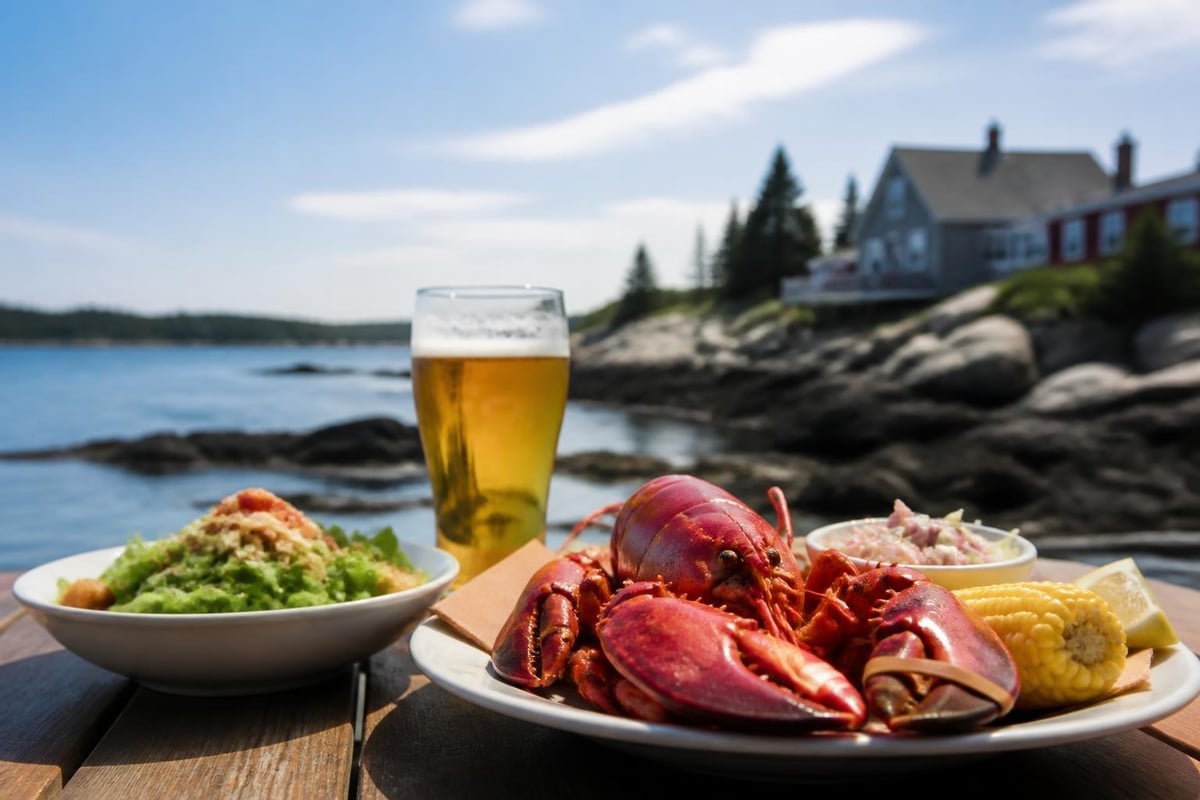
Fresh lobster remains the iconic Maine meal, whether enjoyed as a traditional shore dinner with steamers and corn, or elevated in fine dining preparations. Understanding lobster basics enhances the experience: hard-shell lobsters offer more meat, while soft-shell lobsters (recently molted) provide sweeter, more tender flesh.
Beyond lobster, Maine waters produce outstanding seafood varieties. Sea scallops from Penobscot Bay rank among the world’s finest. Oysters cultivated in cold, clean estuaries develop unique flavor profiles reflecting their growing conditions. Winter flounder, haddock, and cod support both commercial fisheries and restaurant menus.
|
Seafood |
Peak Season |
Preparation Styles |
Price Range |
|---|---|---|---|
|
Lobster |
Year-round |
Steamed, rolls, stew |
$15-40/lb |
|
Oysters |
Sept-April |
Raw, grilled, fried |
$2-4/each |
|
Sea Scallops |
Year-round |
Seared, broiled |
$25-35/lb |
|
Clams |
May-Sept |
Steamed, fried |
$8-15/lb |
Farm-to-Table Movement
Maine’s short growing season produces intensely flavored vegetables and fruits. Farmers markets operate in virtually every town during summer and fall, offering direct connections between producers and consumers. Restaurants increasingly feature seasonal menus highlighting ingredients from named farms, creating transparency and supporting local agriculture.
Craft beverage culture thrives statewide, with microbreweries, cideries, and distilleries crafting distinctive products. Maine’s craft beer scene rivals Vermont and Oregon for innovation and quality. Several distilleries produce spirits using Maine grains, potatoes, and apples.
Practical Planning for Your Maine Journey
Successful Maine trips require consideration of several practical factors. Distance between destinations, seasonal weather patterns, and local customs all influence travel experiences.
Transportation and Navigation
Driving remains essential for exploring beyond Portland and major coastal towns. Interstate 95 provides the primary north-south corridor, while Route 1 follows the coast through countless towns and villages. Secondary roads reveal Maine’s character but require patience, as two-lane highways wind through terrain that prevents high-speed travel.
Portland International Jetport serves as the primary air gateway, with Boston’s Logan Airport offering additional options for southern Maine destinations. Seasonal ferry service connects mainland ports with island communities, providing scenic transportation alternatives.
Accommodation Options
Maine provides lodging ranging from luxury resorts to rustic campgrounds. Inns and bed-and-breakfasts offer personalized hospitality in historic properties, often including breakfast featuring local ingredients. Vacation rentals work well for families and groups seeking kitchen facilities and multiple bedrooms.
Coastal accommodations command premium prices during summer, with advance reservations essential for July and August weekends. Inland regions including the Kennebec Valley offer better value while providing equally compelling experiences.
Best Times to Visit Maine
Optimal timing depends on priorities and preferences. Summer (June-August) delivers warmest weather and fullest event calendars but also brings peak crowds and prices. Fall (September-October) offers spectacular foliage, comfortable temperatures, and reduced tourist traffic. Winter (December-March) appeals to snow sports enthusiasts and those seeking quiet retreats. Spring (April-May) provides budget-friendly options and opportunities to witness seasonal renewal.
Understanding regional variations helps with planning. Coastal areas moderate temperature extremes, while inland regions experience warmer summers and colder winters. Northern Maine receives significantly more snow than southern counties.
Regional Exploration Strategies
Maine’s substantial size (larger than the other five New England states combined) prevents comprehensive exploration in a single visit. Successful trips typically focus on specific regions rather than attempting statewide coverage.
Southern Coast Gateway
The southern coast from Kittery to Portland offers the most accessible Maine experience. This region features sandy beaches, outlet shopping, and dense restaurant concentrations. Kennebunkport combines beach access with upscale dining and boutique shopping. Ogunquit attracts beach lovers with its three-mile strand and cliff-top Marginal Way walking path.
Portland serves as Maine’s cultural and culinary capital, with a revitalized Old Port district featuring cobblestone streets, waterfront restaurants, and galleries. The city’s food scene rivals much larger metropolitan areas, with nationally recognized chefs operating innovative restaurants.
Mid-Coast Character
The mid-coast region from Brunswick to Belfast exemplifies Maine’s maritime heritage. Bath maintains active shipbuilding traditions at Bath Iron Works while offering maritime museum experiences. Rockland serves as the lobster capital, hosting the annual Maine Lobster Festival each August.
Camden presents one of Maine’s most picturesque settings, where mountains meet the sea. The harbor fills with traditional windjammers offering multi-day sailing excursions. Mount Battie in Camden Hills State Park provides panoramic views of Penobscot Bay’s island-studded waters.
Down East and Acadia
The Down East region (named for the direction sailing ships traveled with prevailing winds) stretches from Mount Desert Island to the Canadian border. Beyond Acadia National Park, this area offers authentic fishing villages, blueberry barrens, and some of Maine’s most remote coastline.
Bar Harbor provides the primary base for Acadia exploration, with numerous lodging options, restaurants, and services. The town balances tourism infrastructure with maintained character, avoiding the excessive commercialization plaguing some destination communities.
Interior and Northern Maine
Maine’s vast interior receives fewer visitors but rewards those who venture beyond the coast. The North Woods provide wilderness experiences increasingly rare in the eastern United States. Baxter State Park preserves 200,000 acres surrounding Mount Katahdin, Maine’s highest peak and the northern terminus of the Appalachian Trail.
The Kennebec Valley bridges coastal and interior Maine, offering convenient access to both regions. Travelers can raft the Kennebec River in the morning and reach the coast by evening, maximizing diverse experiences within limited timeframes. Detailed information about regional attractions and current conditions is available through local resources.
Wildlife and Natural History
Maine’s ecosystems support wildlife populations that have vanished from more developed states. When you visit Maine, wildlife encounters often provide memorable highlights, though responsible viewing practices protect both animals and observers.
Notable species include:
-
Moose: North America’s largest deer species, with bulls weighing up to 1,500 pounds
-
Black bears: Populations estimated at 30,000 statewide
-
Bald eagles: Recovered from endangered status, now commonly sighted along waterways
-
Atlantic puffins: Nesting on offshore islands, viewable via boat tours
-
Whales: Humpback, finback, and minke species feeding in Gulf of Maine waters
Whale watching excursions depart from several ports, with peak viewing from May through October. Trips typically last three to four hours and venture to feeding grounds where whales consume vast quantities of small fish and krill. Success rates exceed 90 percent during summer months.
Cultural Events and Festival Calendar
Maine communities host festivals celebrating everything from maritime heritage to agricultural traditions. These events provide insights into local culture while offering entertainment and unique experiences.
Annual events worth planning around:
-
Maine Lobster Festival (Rockland, early August): Five-day celebration featuring lobster dinners, cooking competitions, and marine exhibits
-
Common Ground Country Fair (Unity, late September): Organic farming showcase with traditional crafts, livestock, and sustainable agriculture demonstrations
-
Yarmouth Clam Festival (Yarmouth, mid-July): Three-day event featuring clam dishes, crafts, and entertainment
-
Windermere Boat Festival (Belgrade Lakes, late July): Antique and classic boat show on scenic lake
-
Fryeburg Fair (Fryeburg, early October): Traditional agricultural fair with livestock competitions, carnival rides, and local food vendors
Many events throughout the year showcase regional character and provide opportunities to engage with Maine communities beyond typical tourist interactions.
Sustainable Tourism Practices
Preserving Maine’s natural beauty and cultural authenticity requires conscious travel practices. The state’s economy depends on tourism, yet excessive or irresponsible visitation threatens the qualities that attract people to visit Maine initially.
Responsible tourism principles include:
-
Supporting locally owned businesses rather than national chains
-
Respecting private property and staying on marked trails
-
Practicing Leave No Trace principles in outdoor settings
-
Choosing sustainable seafood from well-managed fisheries
-
Visiting during shoulder seasons to reduce peak-period pressure
The Maine Office of Tourism provides resources on sustainable travel practices and partners with businesses committed to environmental stewardship. Many Maine tourism operators participate in certification programs demonstrating environmental commitment.
Budget Considerations and Value Planning
Maine accommodates various budget levels, though coastal destinations during peak season command premium prices. Strategic planning extends travel budgets while maintaining quality experiences.
Money-saving strategies:
-
Visit during shoulder seasons (May-June, September-October) for reduced accommodation rates
-
Explore inland regions where prices remain lower year-round
-
Purchase fresh seafood from fish markets and prepare your own lobster dinner
-
Utilize free outdoor recreation including beach access, hiking trails, and scenic drives
-
Take advantage of free admission days at museums and cultural institutions
Maine tourism increasingly emphasizes value over volume, with travelers spending more on quality experiences rather than budget-focused trips. This trend benefits both visitors and communities, creating more sustainable tourism patterns.
Beyond the Obvious: Discovering Authentic Maine
The most rewarding Maine experiences often occur beyond marquee attractions. Small towns, rural landscapes, and unheralded natural areas reveal the state’s genuine character more fully than crowded tourist hotspots.
Hidden gem recommendations:
-
Schoodic Peninsula: Quieter section of Acadia National Park with dramatic coastline and minimal crowds
-
Belgrade Lakes Region: Pristine lake system popular with locals but overlooked by most tourists
-
Blue Hill: Artists’ community featuring galleries, studios, and artisan workshops
-
Allagash Wilderness Waterway: 92-mile canoe route through remote North Woods
-
Monhegan Island: Car-free island community accessible via ferry, popular with artists and hikers
Resources like the comprehensive Maine travel guide from AFAR help travelers discover lesser-known destinations that provide authentic experiences away from tourist congestion.
Making the Most of Your Maine Adventure
Successful Maine trips balance planned activities with spontaneous discoveries. While researching and booking key elements makes sense, leaving room for unexpected opportunities often yields the most memorable experiences.
Essential planning elements:
-
Book summer and fall weekend accommodations several months ahead
-
Research restaurant options and make reservations for highly rated establishments
-
Check weather forecasts and pack layers for variable conditions
-
Download offline maps for areas with limited cellular coverage
-
Build flexibility into itineraries to accommodate weather and discoveries
Whether seeking coastal beauty, outdoor adventures, culinary discoveries, or cultural experiences, Maine delivers across categories. The state’s manageable size allows sampling diverse attractions within single trips, while its depth ensures return visitors continuously discover new facets.
Understanding what makes Maine special helps travelers appreciate experiences fully. This isn’t a destination for those seeking nightlife, theme parks, or tropical beaches. Instead, Maine appeals to travelers valuing authenticity, natural beauty, and genuine community character. When you visit Maine with appropriate expectations and open curiosity, the state reveals why it inspires such loyalty among repeat visitors who return year after year.
Maine offers extraordinary diversity within a single state, from dramatic coastlines to pristine wilderness, from culinary innovation to preserved traditions. Whether you’re planning your first trip or returning to discover new facets of the Pine Tree State, Kennebec Valley Tourism Council provides the resources and local expertise to enhance your journey, offering comprehensive guides to help you experience the authentic character that makes central Maine such a compelling destination.