

Nestled in the heart of Maine’s wilderness, the forks maine stands as one of New England’s most remarkable outdoor recreation destinations. This unincorporated township takes its name from the dramatic confluence of the Kennebec and Dead Rivers, creating a natural landmark that has drawn adventurers, nature enthusiasts, and outdoor recreation seekers for generations. With a year-round population of fewer than forty residents, this remote community transforms into a bustling hub during peak seasons, welcoming thousands of visitors who come to experience world-class whitewater rafting, pristine wilderness trails, and unmatched natural beauty. The region’s unique geography, combined with its rich logging heritage and commitment to outdoor recreation, makes it an essential destination for anyone seeking authentic Maine wilderness experiences. To visit our official visitors guide click here.
Why The Forks Maine Is America’s Whitewater Rafting Capital
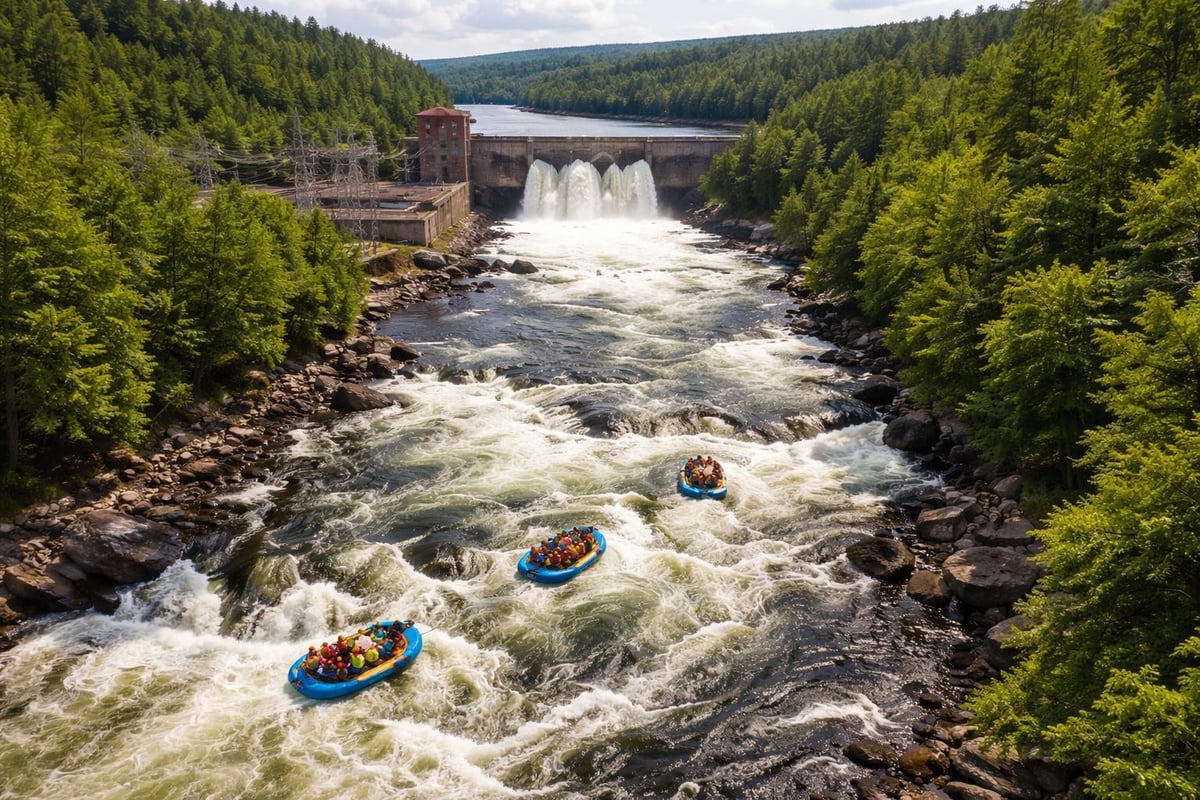
The forks maine has earned its reputation as the premier whitewater rafting destination in the Eastern United States through decades of delivering exceptional river experiences. The Kennebec River Gorge offers Class III to Class V rapids depending on water release schedules, providing thrilling runs for both beginners and experienced rafters. Dam-controlled releases from Harris Station ensure consistent water levels throughout the summer season, creating predictable conditions that outdoor recreation companies depend on for safe, exciting trips.
The Dead River adds another dimension to the rafting opportunities available in the area. Spring runoff and scheduled releases create powerful rapids that challenge even the most seasoned paddlers, while calmer sections provide opportunities for scenic floats and wildlife observation.
Rafting Season and Water Conditions
Peak rafting season runs from late April through mid-October, with variations in river character throughout:
-
Spring (April-May): High water volumes, maximum excitement, cold temperatures
-
Summer (June-August): Scheduled releases, family-friendly conditions, warm weather
-
Fall (September-October): Spectacular foliage, moderate flows, crisp temperatures
Real-time river data from USGS monitoring stations at The Forks helps visitors and outfitters plan optimal trip timing. Several whitewater rafting companies have expanded their operations to serve the growing demand for adventure tourism experiences.
|
River Section |
Difficulty |
Best Season |
Trip Duration |
|---|---|---|---|
|
Kennebec Gorge |
Class III-IV |
May-October |
3-4 hours |
|
Dead River |
Class IV-V |
May-June |
Full day |
|
Lower Kennebec |
Class II-III |
Year-round |
2-3 hours |
Year-Round Outdoor Recreation Opportunities
Beyond its famous rapids, the forks maine serves as a gateway to diverse outdoor activities across all seasons. The region’s location at the confluence of major waterways and surrounded by millions of acres of working forest creates endless possibilities for exploration and adventure.
Winter Recreation and Snowmobiling
Winter transforms the landscape into a snowy paradise for snowmobile enthusiasts. The Interconnected Trail System (ITS) passes directly through the area, connecting riders to over 14,000 miles of groomed trails statewide. However, maintaining these trails presents ongoing challenges, as severe storms have threatened trail systems in recent years, requiring dedicated volunteer efforts from local clubs.
Cross-country skiing, snowshoeing, and ice fishing add variety to winter visits. The silence of the frozen landscape offers a stark contrast to summer’s whitewater excitement, attracting visitors who appreciate solitude and pristine winter wilderness.
Hiking and Wildlife Viewing
Extensive trail networks wind through the surrounding forests, offering everything from easy riverside walks to challenging backcountry expeditions. Moxie Falls, located just south of the area, ranks as one of Maine’s highest waterfalls and provides an accessible day hike suitable for most fitness levels.
Wildlife observation opportunities abound throughout the seasons:
-
Moose sightings peak during early morning and evening hours
-
Bald eagles nest along the rivers and fish in the rapids
-
Black bears frequent berry patches in late summer
-
White-tailed deer browse in clearings and regenerating forest areas
-
Loons call across the quieter sections of the rivers
The Community Spirit of The Forks Maine
Despite its small permanent population, the forks maine demonstrates remarkable community resilience and dedication to charitable causes. The area hosts annual events that have raised over $79,000 for the Maine Children’s Cancer Program, showcasing the generosity of residents and visitors alike.
The community has faced governance challenges in recent years. After a three-month closure due to administrative issues, local officials worked diligently to restore municipal services and rebuild public trust. These challenges reflect the complexities of maintaining local government in remote, sparsely populated areas, yet the community continues to persevere.

Working Landscape and Logging Heritage
The region’s economy has historically centered on timber harvesting and forest products. This working landscape continues to operate today, with logging trucks regularly traveling the area’s roads. While this industry remains vital to the local economy, it also presents challenges, as evidenced by transportation incidents on logging routes that highlight the need for continued safety awareness.
Planning Your Visit to The Forks Maine
Successful trips to the forks maine require thoughtful planning due to the area’s remote location and limited services. Understanding what to expect and how to prepare ensures memorable experiences without unexpected complications.
Lodging and Dining Options
Accommodation choices range from rustic sporting camps to modern lodges, with most properties emphasizing outdoor access and river views. Many rafting outfitters offer package deals combining lodging, meals, and guided trips. Advance reservations become essential during peak summer weekends and fall foliage season.
Dining options remain limited compared to urban areas, but local establishments serve hearty meals geared toward active outdoor enthusiasts. Some lodges operate on American Plan arrangements, including all meals with overnight stays.
|
Accommodation Type |
Amenities |
Best For |
Typical Season |
|---|---|---|---|
|
Sporting Camps |
Traditional cabins, shared meals |
Authentic experience |
May-October |
|
Rafting Company Lodges |
Modern rooms, meal packages |
Convenience |
Year-round |
|
Remote Wilderness Camps |
Off-grid, fly-in access |
Solitude seekers |
June-September |
Getting There and Navigation
The forks maine sits approximately 18 miles northwest of the town of Caratunk, accessible via Route 201, the historic Old Canada Road. This scenic highway follows the Kennebec River northward, offering dramatic views of the gorge and surrounding mountains. Cell phone coverage remains spotty throughout the region, making printed directions and maps essential backup navigation tools.
Distance from major cities:
-
Portland: 160 miles (approximately 3 hours)
-
Augusta: 85 miles (approximately 2 hours)
-
Bangor: 100 miles (approximately 2.5 hours)
-
Quebec City: 145 miles (approximately 3 hours)
Essential Preparation Tips
Pack appropriately for rapidly changing mountain weather conditions, even during summer visits. Layered clothing, waterproof gear, and sun protection prove essential for river activities. Insect repellent becomes critical during late spring and early summer when blackflies and mosquitoes emerge in force.
Visitors should:
-
Fill gas tanks before arrival, as fuel availability remains limited
-
Bring cash for small businesses that may not accept cards
-
Download offline maps before losing cell coverage
-
Pack all prescription medications and basic first aid supplies
-
Notify someone of your itinerary when venturing into backcountry areas
Exploring the Broader Kennebec Valley Region
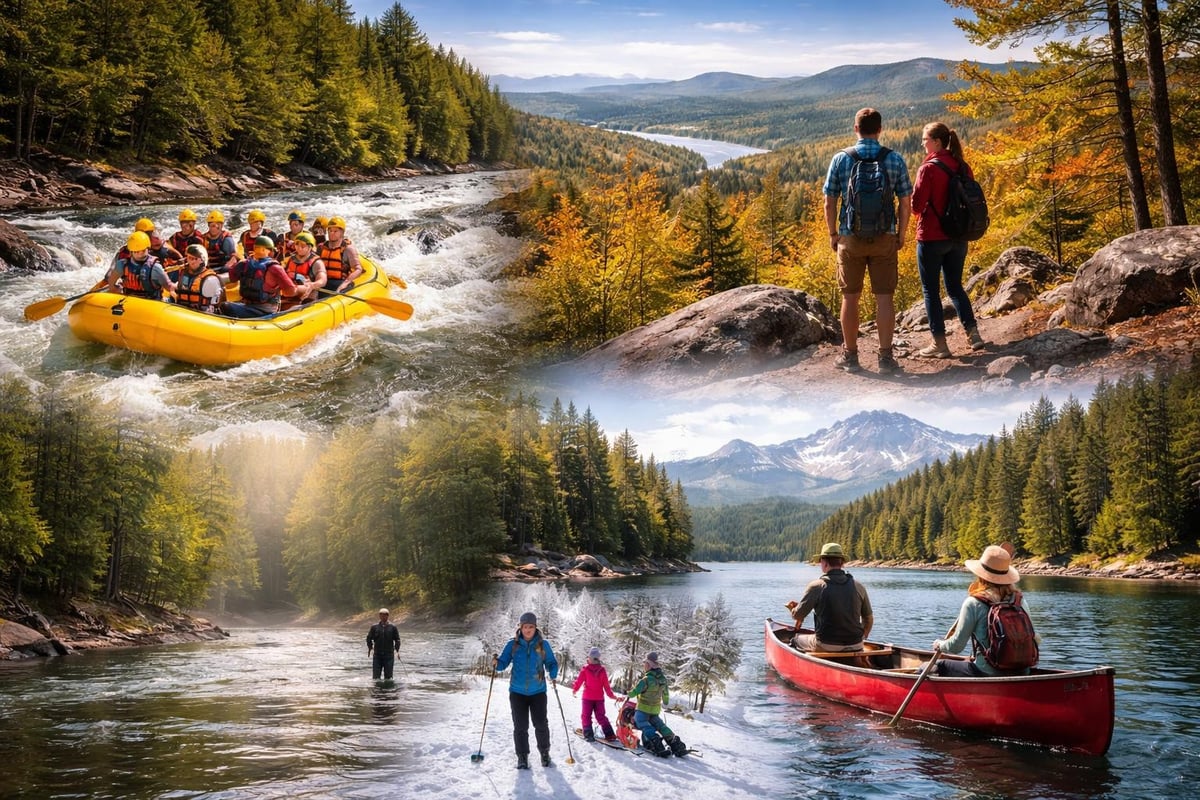
While the forks maine serves as an exceptional destination in its own right, it also functions as a gateway to exploring the wider Kennebec Valley. The region’s rivers and lakes offer diverse water-based recreation opportunities beyond whitewater rafting, including flatwater paddling, fishing, and swimming.
Connecting to Regional Attractions
Traveling south along the Kennebec River reveals charming communities, historic sites, and additional recreation opportunities. The valley’s annual events celebrate everything from agricultural heritage to artistic traditions, providing cultural experiences that complement outdoor adventures.
Day trips from the forks maine can include:
-
Moxie Falls Trail: 90-foot waterfall accessible via moderate hike
-
Northern Outdoors Resort: Full-service adventure center with multiple activities
-
Attean Lake: Remote pond perfect for kayaking and fishing
-
Historic Jackman: Border town with Canadian cultural influences
-
Moosehead Lake: Maine’s largest lake, 35 miles north
Seasonal Considerations
Each season brings distinct character to the forks maine and surrounding areas. Spring delivers high water and mud season challenges alongside spectacular rafting conditions. Summer provides peak accessibility with warm weather and extended daylight hours. Fall combines comfortable temperatures with brilliant foliage displays that attract photographers and leaf-peepers. Winter offers solitude and snow-based recreation for hardy adventurers.
Understanding these seasonal variations helps visitors time their trips to match personal preferences and activity priorities. The region never truly has an “off” season, as each period attracts visitors seeking specific experiences available only during that time.
Conservation and Sustainable Tourism
The pristine nature of the forks maine depends on thoughtful stewardship and sustainable tourism practices. Visitors play a crucial role in preserving the area’s natural resources through responsible behavior and support for conservation initiatives. Recent conservation efforts throughout the region demonstrate ongoing commitment to protecting the landscape for future generations.
Leave No Trace Principles
Outdoor enthusiasts visiting the area should embrace Leave No Trace ethics:
-
Pack out all trash and dispose of waste properly
-
Stay on established trails to prevent erosion
-
Respect wildlife by observing from appropriate distances
-
Camp only in designated areas or follow dispersed camping guidelines
-
Minimize campfire impacts and follow fire regulations
-
Be considerate of other visitors seeking wilderness experiences
Supporting Local Economy
Tourism provides vital economic support for the forks maine and surrounding communities. Choosing locally-owned outfitters, lodges, and restaurants ensures visitor spending directly benefits the area. Many businesses operate seasonally, making visitor support during peak months essential for year-round sustainability.
Engaging with local guides and outfitters also enhances the visitor experience through insider knowledge about the area’s natural and cultural history. These professionals possess decades of combined experience reading river conditions, locating wildlife, and sharing stories that bring the landscape to life.
Safety Considerations for Wilderness Adventures
The remote character of the forks maine demands respect and proper preparation. While thousands of visitors safely enjoy the area each year, the wilderness setting presents genuine hazards that require awareness and appropriate precautions.
River Safety Fundamentals
Whitewater rafting involves inherent risks that professional guides work to mitigate through training, equipment, and decision-making. Participants should:
-
Disclose relevant medical conditions to guides
-
Listen carefully to safety briefings
-
Wear provided safety equipment properly
-
Follow guide instructions immediately
-
Understand that swimming in rapids differs from pool swimming
-
Respect minimum age and weight requirements
Backcountry Preparedness
Independent exploration beyond established facilities requires additional self-sufficiency. Hikers and paddlers venturing into remote areas should carry:
|
Essential Item |
Purpose |
Notes |
|---|---|---|
|
Navigation tools |
Map, compass, GPS |
Cell phones unreliable |
|
Emergency shelter |
Bivy, tarp, space blanket |
Weather changes rapidly |
|
Fire starting |
Waterproof matches, lighter |
Multiple methods |
|
First aid kit |
Treat injuries |
Include personal medications |
|
Communication |
Satellite device |
Emergency contact capability |
|
Extra food/water |
Unexpected delays |
Pack more than planned need |
Wildlife Encounter Protocol
While wildlife adds excitement to outdoor experiences, animals require respect and appropriate distance. Moose prove particularly dangerous during rutting season and when protecting calves. Black bears generally avoid humans but may investigate food sources, making proper food storage essential at campsites.
If encountering large wildlife:
-
Stop and remain calm
-
Give animals space to retreat
-
Never approach or attempt feeding
-
Make noise to alert animals to your presence
-
Back away slowly if the animal appears agitated
-
Report aggressive animal behavior to authorities
The Future of The Forks Maine
Looking ahead, the forks maine faces both opportunities and challenges as it balances tourism development with preservation of the wilderness character that attracts visitors. Ongoing recovery from recent governance challenges continues as local officials work to rebuild financial systems and restore public services.
Climate change presents long-term questions about snowpack reliability for winter recreation and potential shifts in river flow patterns. The outdoor recreation industry adapts to these changes while working to maintain the quality experiences visitors expect.
Despite uncertainties, the fundamental appeal of the forks maine endures. The confluence of wild rivers, vast forests, and authentic wilderness experiences creates a destination unlike any other in the Northeast. As more people seek genuine outdoor adventures away from crowded tourist centers, this remote corner of Maine stands ready to deliver unforgettable experiences.
Whether challenging world-class rapids, exploring silent winter forests, or simply sitting riverside watching the Kennebec rush past, visitors to the forks maine discover something increasingly rare in modern America: true wilderness accessible yet unspoiled, challenging yet welcoming, remote yet surprisingly connected to the outdoor recreation community that values it most.
The forks maine represents the authentic wilderness adventure that draws travelers to the Kennebec Valley throughout every season. From world-class whitewater rafting to serene backcountry exploration, this remarkable destination delivers experiences found nowhere else in the Northeast. The Kennebec Valley Tourism Council provides comprehensive resources to help you plan your perfect trip, connecting you with trusted outfitters, lodging options, and insider knowledge that transforms good trips into extraordinary adventures. Start exploring the possibilities today and discover why the Kennebec Valley continues to captivate outdoor enthusiasts from around the world.