
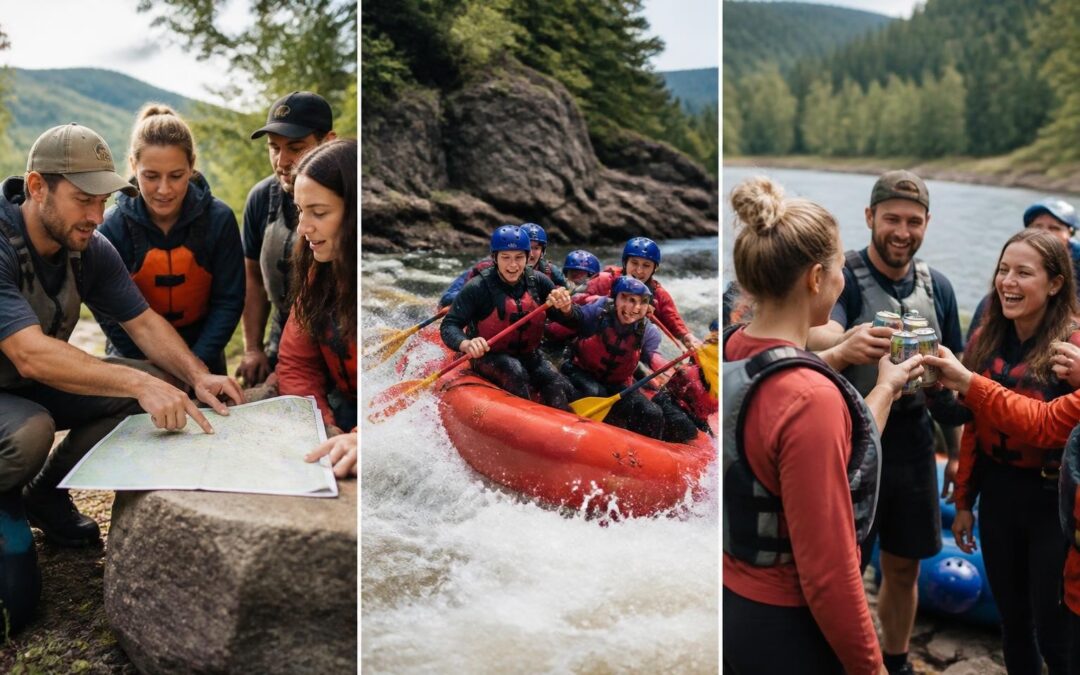
The Kennebec River stands as one of New England's most exhilarating whitewater destinations, drawing adventure seekers from across the country to experience its powerful rapids and stunning natural beauty. Rafting Kennebec offers a unique combination of technical challenges, breathtaking scenery, and accessible adventure that appeals to both first-time rafters and seasoned paddlers. Flowing through the heart of Maine's wilderness, this historic waterway transforms from a calm mountain stream into a thrilling whitewater corridor when dam releases create ideal rafting conditions. To view our official visitors guide click here. For a list of rafting guides click here.
Understanding the Kennebec River
The Kennebec River stretches approximately 170 miles through Maine, beginning at Moosehead Lake and flowing south to meet the Atlantic Ocean. However, the section most celebrated for whitewater rafting lies in the upper reaches near The Forks, where the Dead River and Kennebec River converge.
River Geography and Flow Patterns
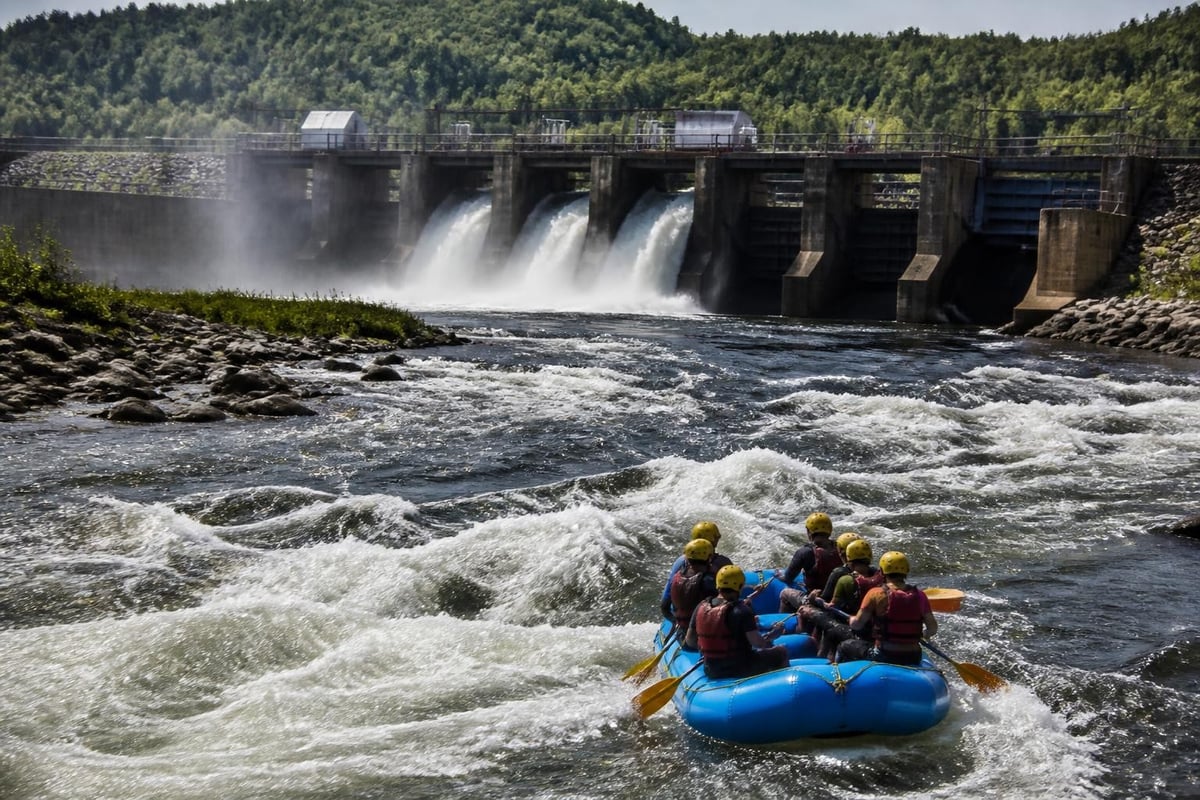
This section of river features twelve miles of continuous Class III and IV rapids, creating an adventure that typically lasts between three and four hours on the water. The rapids are dam-controlled, meaning consistent water levels and predictable conditions throughout the rafting season. Harris Station Dam releases water specifically for recreational purposes, transforming what would be a gentle stream into a powerful torrent perfect for rafting.
Key characteristics of the rafting section include:
- Twelve miles of Class III-IV whitewater
- Dam-controlled releases ensuring reliable flow
- Technical rapids requiring skilled navigation
- Scenic gorge sections with towering walls
- Multiple play waves and hydraulic features
The controlled release schedule allows outfitters to plan trips with certainty, unlike rain-dependent rivers where conditions can vary drastically. This reliability makes rafting Kennebec an excellent choice for travelers planning their Maine adventure weeks or months in advance.
The Rapids: What to Expect
Understanding the rapid classifications helps rafters prepare mentally and physically for the challenges ahead. The Kennebec features predominantly Class III and IV rapids, with occasional Class II sections providing brief respites between more intense stretches.
Notable Rapids on the Kennebec
| Rapid Name | Class | Notable Features |
|---|---|---|
| Big Mama | IV | Large standing waves, technical entry |
| Three Sisters | III-IV | Series of three consecutive drops |
| Magic Falls | V (portaged) | Dramatic waterfall, viewing opportunity |
| Whitewasher | IV | Extended rapid with multiple waves |
| The Alleyway | III | Narrow channel with fast current |
Magic Falls deserves special mention as the most dramatic feature on the river. This Class V waterfall creates a spectacular sight but is typically portaged by commercial rafting trips due to its extreme difficulty and danger. Rafters walk around this section while guides often demonstrate the falls' power by sending empty rafts through, providing an educational and entertaining break in the journey.
The progression of rapids throughout the trip builds gradually. Early sections allow rafters to develop teamwork and paddle skills before encountering the more challenging rapids downstream. This natural progression makes rafting Kennebec accessible to beginners while still providing excitement for experienced paddlers.
Seasonal Considerations and Best Times
The Kennebec rafting season typically runs from late April through mid-October, with each season offering distinct advantages and experiences. Understanding these seasonal variations helps travelers choose the optimal time for their adventure.
Spring Season (Late April – June)
Spring brings the highest water levels and most powerful rapids. Snowmelt combines with dam releases to create maximum flow conditions that thrill experienced rafters. However, water temperatures remain cold, requiring full wetsuits and additional thermal protection. The surrounding forests burst with spring greenery, and wildlife sightings increase as animals emerge from winter.
Summer Season (July – August)
Summer represents peak season for rafting Kennebec, offering warmer water temperatures and pleasant weather conditions. Families with children find this period ideal, as the combination of warm air and water reduces the need for extensive cold-weather gear. The longer daylight hours allow for full-day trips that include swimming and riverside activities.
Summer advantages include:
- Warmer water temperatures (60-70°F)
- Extended daylight for full-day experiences
- Comfortable camping weather for multi-day trips
- Peak tourist season with full service availability
- Best conditions for combining rafting with other valley activities
Fall Season (September – Mid-October)
Autumn transforms the Kennebec corridor into a spectacular display of foliage colors. Cooler temperatures return, requiring wetsuits again, but the reduced crowds and stunning scenery create a memorable experience. Maine’s fall foliage typically peaks in late September and early October, making this period particularly photogenic.
Safety Standards and Requirements
Professional outfitters maintain rigorous safety standards for rafting Kennebec, ensuring that adventure remains both thrilling and secure. Understanding these requirements helps participants prepare appropriately.
Physical Requirements and Age Restrictions
Most outfitters require participants to be at least eight years old and weigh a minimum of 50 pounds for standard trips. Some companies offer specialized family trips with modified routes suitable for younger children. Participants should possess basic swimming ability and reasonable physical fitness, though rafting itself requires more teamwork and coordination than pure strength.
Medical conditions that may affect participation include heart problems, pregnancy, recent surgeries, or conditions that impair judgment. Honest communication with outfitters about medical history ensures appropriate trip selection and necessary accommodations.
Equipment and Gear Provided
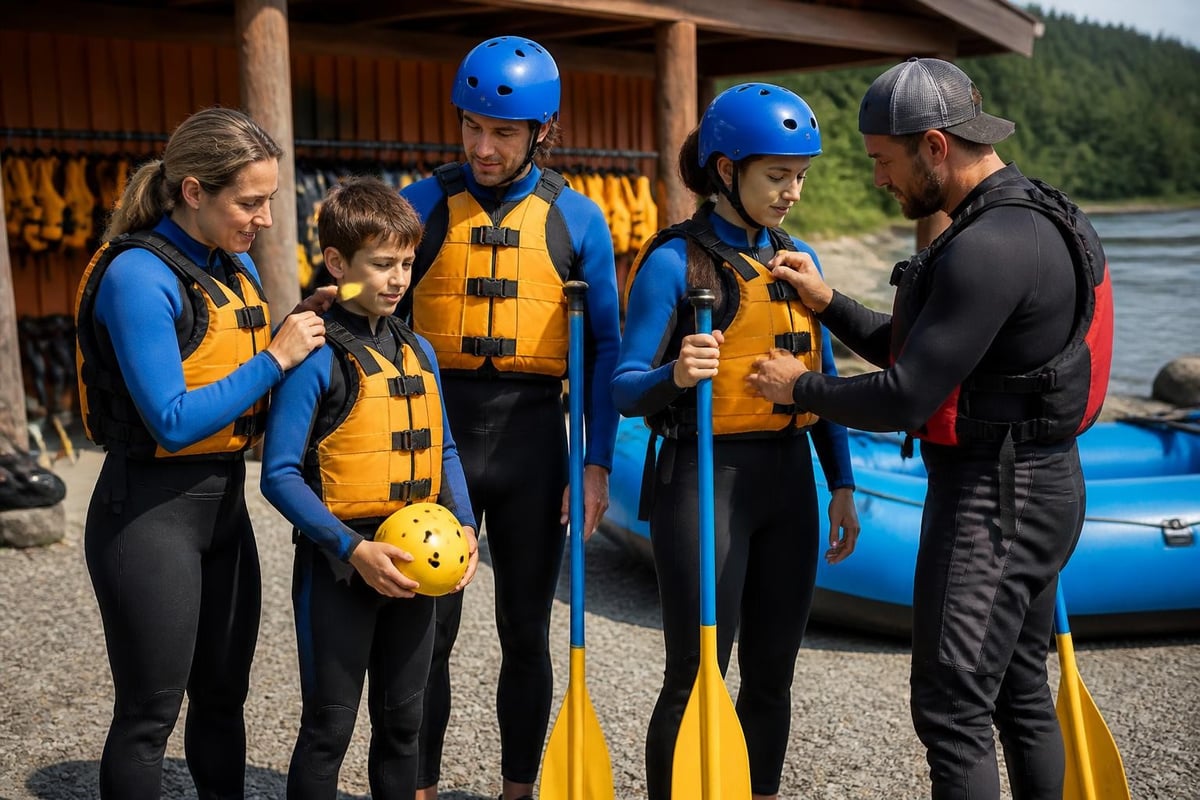
Professional rafting companies supply all essential safety equipment as part of trip packages. This comprehensive gear ensures consistent quality and proper fitting for all participants.
| Equipment Item | Purpose | Notes |
|---|---|---|
| Personal Flotation Device (PFD) | Buoyancy and safety | Coast Guard approved, various sizes |
| Helmet | Head protection | Required for all participants |
| Wetsuit | Thermal protection | Thickness varies by season |
| Splash Jacket | Wind and water protection | Spring and fall seasons |
| Paddle | Propulsion and control | Sized appropriately for participant |
| River Shoes | Foot protection | Rentals available if needed |
Participants should bring items that won't be damaged by water, including secure eyewear straps for glasses, sunscreen, and water bottles. Valuables should remain in vehicles or secure storage, as most outfitters cannot guarantee dry storage during trips.
Choosing the Right Outfitter
The history of rafting operations on Maine’s rivers spans several decades, with established companies bringing extensive experience and local knowledge to each trip. Selecting the appropriate outfitter significantly impacts the overall rafting Kennebec experience.
Factors to Consider
Guide Experience and Training: Professional guides undergo extensive training in river navigation, swift-water rescue, wilderness first aid, and customer service. Companies that invest in comprehensive guide training programs typically deliver superior experiences with enhanced safety margins.
Trip Options and Flexibility: Outfitters offer various trip formats including half-day excursions, full-day adventures, multi-day packages, and specialized trips for specific skill levels. Some companies provide combination packages that include lodging, meals, and additional activities beyond rafting.
Group Size and Raft Configuration: Different outfitters use various raft sizes and configurations. Smaller rafts (six to eight people) offer more intimate experiences and greater paddling involvement, while larger rafts provide stability suitable for nervous first-timers.
Additional Amenities: Full-service rafting centers often include hot showers, changing facilities, restaurants, and retail shops. These amenities enhance comfort, particularly for visitors traveling from distant locations.
- Research company safety records and certification
- Read recent customer reviews from multiple sources
- Compare pricing structures and what's included
- Verify guide credentials and experience levels
- Confirm trip difficulty matches your skill level
- Check cancellation policies and weather contingencies
Beyond the Rapids: Complementary Valley Activities
Rafting Kennebec serves as an anchor activity within a broader Kennebec Valley adventure. The region offers numerous complementary experiences that create well-rounded Maine vacations.
Outdoor Adventures
The valley's landscape supports diverse outdoor activities throughout the year. Hiking trails range from casual riverside walks to challenging mountain ascents. The Appalachian Trail crosses through the region, offering day-hike opportunities for through-hikers and casual visitors alike.
Mountain biking trails wind through forests surrounding the river, providing both cross-country routes and technical downhill challenges. During winter months, the same landscapes transform into snowmobiling, cross-country skiing, and snowshoeing destinations.
Cultural and Historical Experiences
The Kennebec River’s rich history includes Native American heritage, colonial settlement, industrial development, and environmental restoration. Museums and historical sites throughout the valley interpret these varied chapters, adding educational depth to outdoor adventures.
Local towns offer art galleries, craft breweries, farm-to-table restaurants, and seasonal festivals. Visitors planning rafting trips can coordinate with regional events to maximize their valley experience. Those interested in exploring the region's vibrant community events can find comprehensive listings at Kennebec Valley Tourism Council.
Lodging Options
Accommodation choices range from rustic campsites to full-service resorts. Many rafting outfitters operate their own lodging facilities, offering convenient packages that bundle rafting with overnight stays. Independent hotels, bed-and-breakfasts, and vacation rentals provide alternatives for travelers seeking different atmospheres or locations.
Preparing for Your Rafting Trip
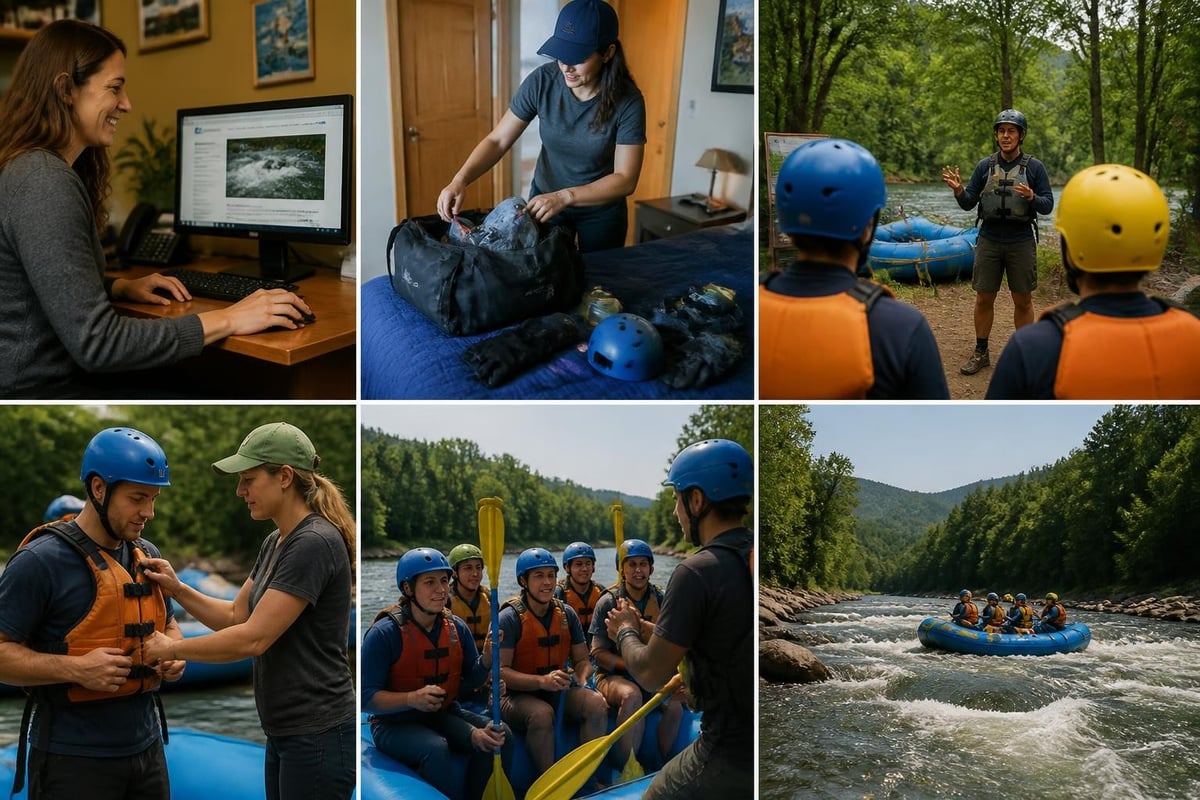
Proper preparation transforms good rafting experiences into exceptional ones. Understanding what to bring, what to expect, and how to maximize enjoyment ensures smooth adventures.
Pre-Trip Checklist
Physical Preparation: While rafting doesn't require exceptional fitness, basic cardiovascular conditioning improves endurance and enjoyment. The combination of paddling, walking to and from river access points, and managing adrenaline throughout several hours creates moderate physical demands.
Mental Preparation: First-time rafters often experience anxiety about rapids, water temperatures, or physical capabilities. Watching videos of Kennebec trips, reading detailed rapid descriptions, and communicating concerns with outfitters helps manage expectations and reduce anxiety.
Logistical Planning: Rafting trips typically require four to six hours including transportation, safety briefings, river time, and post-trip activities. Building adequate time into travel schedules prevents rushed experiences and allows for unexpected delays.
- Quick-drying synthetic or wool clothing (no cotton)
- Secure footwear that won't fall off (old sneakers work well)
- Sunscreen (waterproof, high SPF)
- Contact lens wearers should bring backup glasses
- Prescription eyewear requires secure straps
- Towel and dry change of clothes for after
- Waterproof camera or protective case for phones
- Small amount of cash for tips and extras
Environmental Considerations and River Conservation
The Kennebec River ecosystem supports diverse wildlife and plant communities that depend on maintaining healthy river conditions. Responsible rafting practices protect these natural resources while ensuring continued recreational access.
Leave No Trace Principles
Commercial rafting companies follow strict environmental protocols, but individual participants play crucial roles in conservation efforts. All trash returns to base facilities for proper disposal, including organic waste that might attract wildlife or alter natural nutrient cycles.
Wildlife viewing opportunities include bald eagles, ospreys, deer, moose, and various waterfowl. Maintaining respectful distances and avoiding harassment ensures these species continue thriving along the river corridor.
Dam Management and Recreation Balance
The controlled release schedule on the Kennebec represents a careful balance between hydroelectric power generation, environmental flows, and recreational opportunities. Understanding Maine’s river systems helps visitors appreciate the complex management decisions that enable rafting while supporting other river uses.
Advocacy organizations work to maintain and expand recreational access while promoting river health. Rafters who develop connections to the Kennebec often become advocates for river conservation and responsible management policies.
Photography and Memory Preservation
Capturing rafting memories presents unique challenges given the wet, dynamic environment. Most outfitters employ professional photographers who document trips from strategic riverside locations, allowing participants to focus on rafting while still obtaining quality images.
Professional Photography Services
Companies position photographers at key rapids to capture action shots of rafts navigating challenging features. These images typically become available for purchase or download within days of trips, providing high-quality souvenirs without the risk of personal equipment damage.
Personal Camera Options
Waterproof cameras and protective cases allow participants to capture their own perspectives. However, managing cameras while navigating rapids requires careful attention and secure attachment systems. GoPro-style action cameras with head or chest mounts provide hands-free operation that doesn't interfere with paddling duties.
Economic Impact and Community Benefits
Rafting Kennebec generates significant economic benefits for the surrounding communities. The industry supports year-round employment, sustains local businesses, and drives infrastructure improvements that benefit residents and visitors alike.
Outfitters employ guides, drivers, cooks, retail staff, and maintenance personnel. Seasonal employment peaks during summer months but extends through broader periods than many traditional tourism sectors. Supporting local rafting operations contributes to regional economic vitality and rural employment opportunities.
Visitor spending extends beyond rafting fees to include lodging, dining, fuel, retail purchases, and additional activities. This multiplier effect amplifies the economic impact of each rafting trip throughout the valley's business community.
Making the Most of Your Visit
Strategic planning maximizes the value and enjoyment of Kennebec Valley visits. Combining rafting with other regional attractions creates memorable multi-day itineraries that showcase the area's diverse offerings.
Sample Itineraries
Weekend Adventure:
- Day 1: Arrive, settle into lodging, explore local town
- Day 2: Full-day rafting trip with riverside lunch
- Day 3: Recovery day with hiking, museum visits, or brewery tour
Extended Exploration:
- Days 1-2: Multi-day rafting package with camping
- Day 3: Mountain biking or hiking in nearby wilderness
- Day 4: Cultural attractions and local dining experiences
- Day 5: Scenic driving tour through valley communities
Flexibility in scheduling allows for weather contingencies and spontaneous discoveries. The valley's compact geography enables easy navigation between activities without extensive driving.
Rafting Kennebec delivers authentic Maine wilderness experiences that combine natural beauty, physical challenge, and memorable adventure in one of New England's premier whitewater destinations. Whether you're planning your first rafting trip or returning for another run through these legendary rapids, Kennebec Valley Tourism Council provides the comprehensive resources and expert guidance needed to create your perfect valley adventure, from selecting the right outfitter to discovering the region's hidden gems beyond the river.