
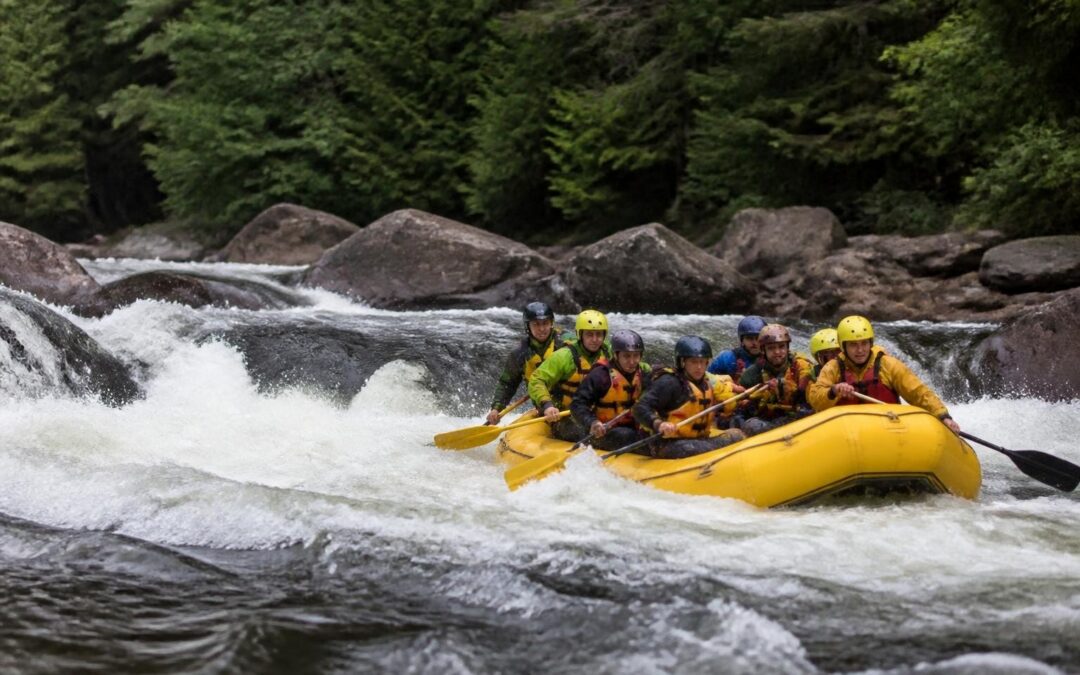
The Kennebec River stands as one of New England's most exhilarating whitewater rafting destinations, drawing adventure seekers from across the nation to experience its legendary rapids. Flowing through the heart of Maine's wilderness, this powerful waterway offers an unmatched combination of thrilling Class IV and V rapids, stunning natural scenery, and a rich historical legacy. Whether you're a first-time rafter or a seasoned paddler, rafting in maine kennebec river delivers an unforgettable outdoor adventure that showcases the raw beauty of Maine's backcountry. To view our official visitors guide click here. For a list of rafting guides click here.
Understanding the Kennebec River's Unique Character
The Kennebec River has carved its path through Maine for thousands of years, creating a distinctive waterway that combines natural power with historical significance. This 170-mile river begins at Moosehead Lake and flows southward to the Atlantic Ocean, but the section near The Forks offers the most dramatic whitewater rafting opportunities.
The River's Historical Significance
The Kennebec River’s ecological and historical importance extends far beyond its modern reputation as a rafting destination. Native American tribes used this waterway as a vital transportation route for centuries before European settlement. During the 19th and early 20th centuries, the river powered lumber mills and served as a highway for log drives, shaping the economic development of central Maine.
The construction of hydroelectric dams transformed the river's character, but it also created the controlled releases that make modern whitewater rafting possible. These scheduled releases from the Harris Station Dam generate consistent, predictable rapids throughout the rafting season, ensuring reliable adventure opportunities for thousands of visitors annually.
Rapid Classifications and What to Expect
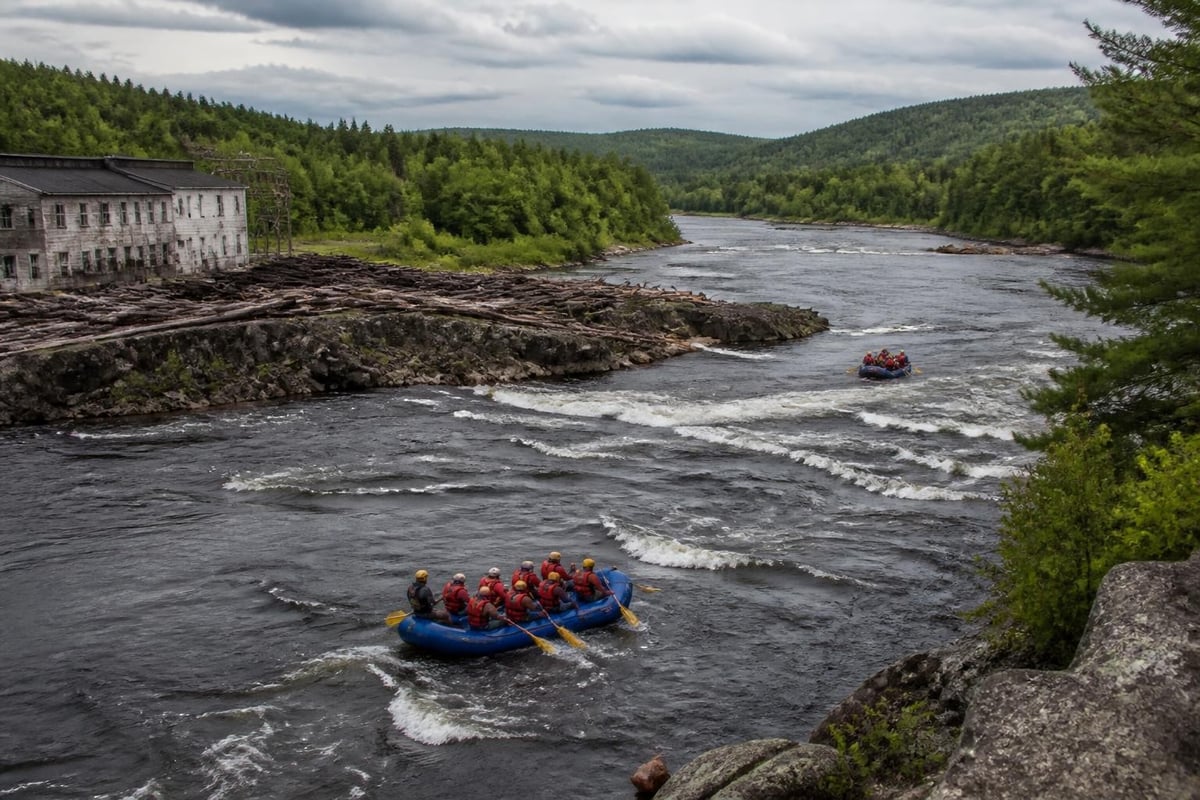
Understanding the rapid classifications helps rafters prepare mentally and physically for their Kennebec River adventure. The rafting routes and rapid classifications on the Kennebec range from moderate Class III sections to intense Class V challenges that demand respect and attention.
Major Rapids on the Kennebec
| Rapid Name | Class | Key Features | Difficulty Level |
|---|---|---|---|
| Magic Falls | V | 12-foot vertical drop | Expert |
| Whitewasher | IV | Large standing waves | Advanced |
| Three Sisters | III-IV | Triple wave train | Intermediate |
| Big Mama | IV | Massive hole | Advanced |
| Maytag | III | Strong hydraulics | Intermediate |
Magic Falls stands as the Kennebec's signature rapid, featuring a dramatic 12-foot waterfall that creates an adrenaline-pumping climax to most rafting trips. Professional guides typically scout this rapid and provide clear instructions before the descent, though some outfitters offer a portage option for those who prefer to walk around.
The river's character changes throughout the 12-mile rafting section:
- Upper Section: Warm-up rapids build confidence and teamwork
- Middle Section: Continuous Class III-IV action maintains excitement
- Lower Section: Magic Falls provides the grand finale
- Final Stretch: Calmer waters allow for swimming and celebration
Seasonal Variations in Water Levels
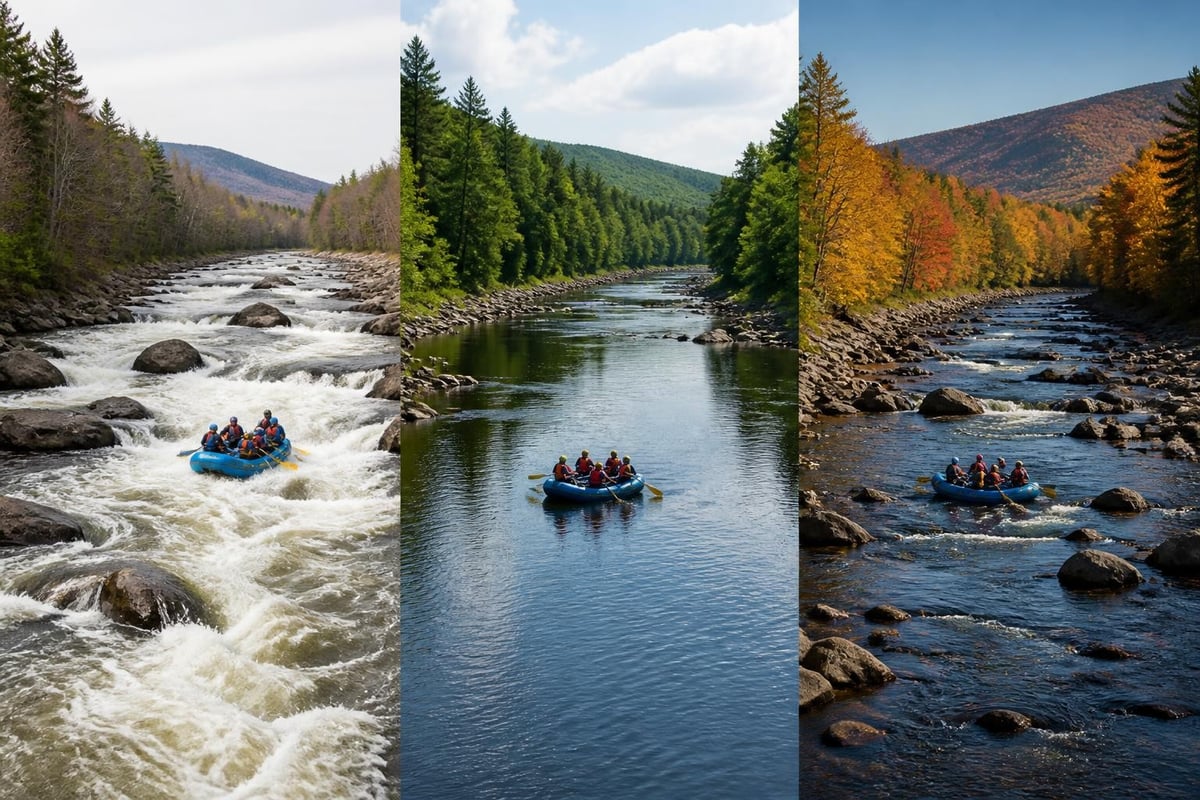
Rafting in maine kennebec river experiences different characteristics depending on the season. Spring releases from May through mid-June typically feature higher water volumes, creating bigger waves and more powerful hydraulics. Summer and early fall releases maintain excellent rafting conditions with slightly lower volumes that still deliver thrilling action.
Water temperature varies significantly throughout the season. Spring releases bring frigid 45-50°F water, requiring wetsuits and appropriate thermal protection. By mid-summer, water temperatures rise to a more comfortable 60-70°F, making the experience more enjoyable for extended periods in the river.
Planning Your Rafting Adventure
Successful rafting trips require thoughtful planning and preparation. The logistics of rafting in maine kennebec river extend beyond simply showing up at a launch site, encompassing equipment needs, safety considerations, and timing decisions that significantly impact your experience.
Choosing the Right Time
Peak Season Benefits (June-August):
- Warmer air and water temperatures
- Longer daylight hours for extended trips
- Abundant wildlife viewing opportunities
- Family-friendly conditions
Shoulder Season Advantages (May, September):
- Fewer crowds on the river
- Potentially higher water releases
- More dramatic scenery with spring blooms or fall foliage
- Lower pricing from some outfitters
The Kennebec operates on a dam-release schedule, meaning rafting trips occur on specific days when Harris Station releases water. This controlled flow ensures consistent conditions regardless of recent rainfall, making the Kennebec more predictable than free-flowing rivers.
Essential Gear and Preparation
Professional outfitters provide most necessary equipment, but personal preparation enhances comfort and safety:
- Dress in layers with synthetic or wool materials that insulate when wet
- Secure footwear that stays on in rapids (no flip-flops)
- Apply waterproof sunscreen even on cloudy days
- Bring a change of clothes for after the trip
- Consider a waterproof camera with secure attachment
Most rafting companies supply Coast Guard-approved personal flotation devices, helmets, paddles, and wetsuits when water temperatures demand them. The investment in quality equipment by professional outfitters contributes to both safety and enjoyment.
Physical Requirements and Safety Considerations
While rafting in maine kennebec river welcomes participants of varying ability levels, certain physical requirements ensure everyone's safety and enjoyment. Most outfitters require participants to be at least 10-12 years old for standard trips, with some offering specialized family floats for younger children during lower-water periods.
Fitness and Swimming Abilities
Minimum Requirements:
- Ability to swim 50 feet unassisted
- Sufficient upper body strength to paddle for 3-4 hours
- Capacity to follow quick verbal instructions
- Comfort with cold water immersion
Participants don't need to be elite athletes, but reasonable fitness helps manage the physical demands of paddling through continuous rapids. The cardiovascular workout combined with core engagement means most rafters feel pleasantly exhausted after their adventure.
Safety Protocols and Guide Expertise
Professional river guides undergo extensive training in whitewater rescue, first aid, and river navigation. Their expertise transforms rafting from a potentially dangerous activity into a managed adventure with acceptable risk levels. Guides continuously assess conditions, make real-time decisions about route selection, and maintain awareness of every team member's status.
| Safety Element | Purpose | Implementation |
|---|---|---|
| Pre-trip briefing | Establish procedures | 30-minute instruction session |
| Equipment check | Ensure proper fit | Individual verification |
| River scouting | Plan rapid navigation | Guide reconnaissance |
| Continuous communication | Coordinate team response | Clear paddle commands |
| Emergency protocols | Handle incidents | Trained swift-water rescue |
Economic and Environmental Impact
The economic impact of guided whitewater rafting on the Kennebec River extends throughout the region, supporting local businesses and creating seasonal employment opportunities. Thousands of rafters visit annually, generating substantial visitor expenditures on lodging, dining, equipment, and related services.
Sustainable Tourism Practices
Responsible outfitters implement Leave No Trace principles and environmental stewardship programs that protect the river corridor. These practices include:
- Carrying out all trash and minimizing waste
- Using biodegradable cleaning products
- Educating guests about local ecosystems
- Supporting river conservation initiatives
- Participating in annual river cleanup events
The environmental history of the Kennebec River demonstrates the interconnected relationship between the river ecosystem and surrounding communities. Modern rafting operations balance economic benefits with environmental responsibility, recognizing that pristine natural conditions sustain the industry long-term.
Combining Rafting with Regional Attractions
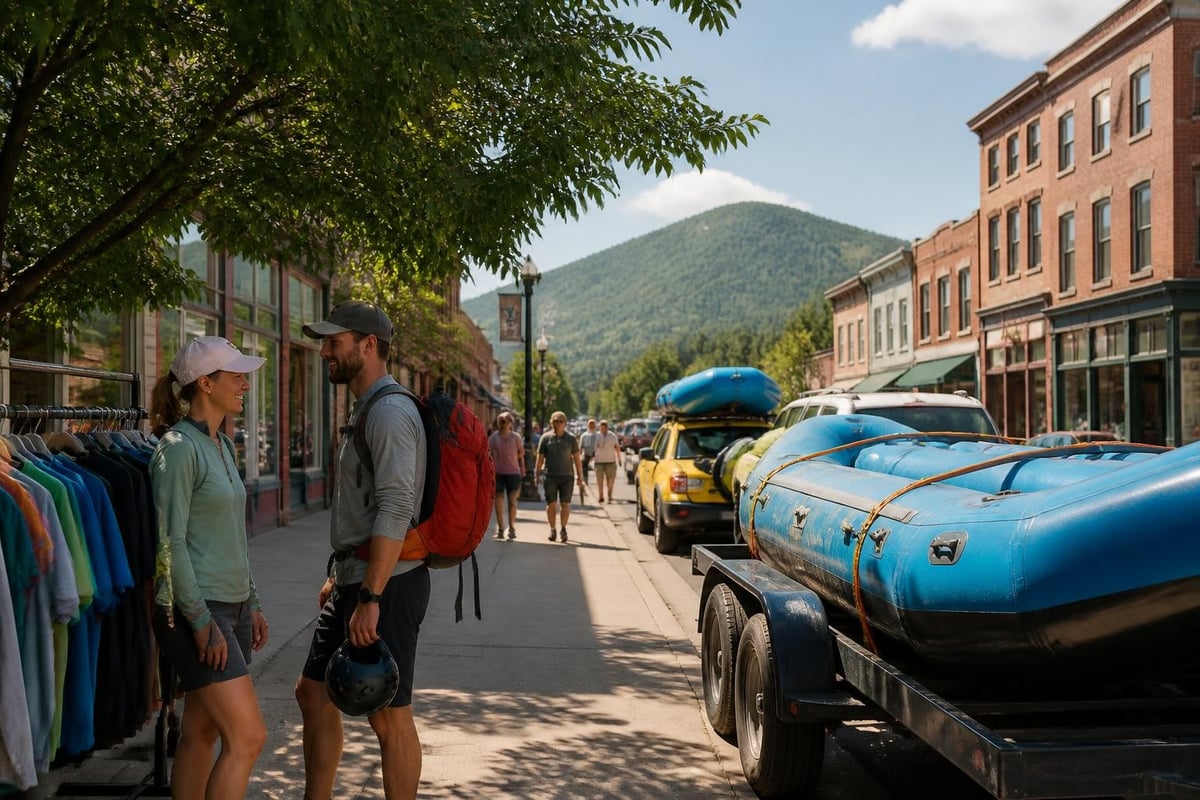
Rafting in maine kennebec river serves as an anchor activity for multi-day vacations in central Maine. The Kennebec Valley region offers diverse attractions that complement the rafting experience, allowing visitors to create comprehensive outdoor adventure itineraries.
Extended Adventure Opportunities
Outdoor Activities:
- Hiking trails in the surrounding wilderness
- Mountain biking on forest service roads
- Fishing in tributary streams and lakes
- Wildlife photography and nature observation
- Rock climbing on local granite formations
Cultural Experiences:
- Historic mill towns with preserved architecture
- Local breweries and farm-to-table restaurants
- Art galleries featuring regional artists
- Seasonal festivals and community events
- Museum exhibits on logging and river history
Many rafting enthusiasts extend their trips to explore the broader Kennebec Valley, discovering that the region's appeal extends well beyond its famous rapids. The combination of outdoor adventure, cultural richness, and natural beauty creates a well-rounded vacation experience.
Selecting a Professional Outfitter
Choosing the right rafting company significantly influences your experience quality. Established outfitters operating on the Kennebec River maintain professional standards, safety certifications, and experienced guide teams that ensure memorable trips.
Evaluation Criteria
When selecting an outfitter for rafting in maine kennebec river, consider these factors:
- Years in operation and safety record
- Guide training programs and certification levels
- Equipment quality and maintenance standards
- Trip options including half-day, full-day, and multi-day adventures
- Additional amenities such as meals, photos, and camping facilities
Questions to Ask Outfitters:
- What is your guide-to-guest ratio on trips?
- How do you handle varying skill levels within groups?
- What happens if someone falls out of the raft?
- Are meals included in trip packages?
- What is your cancellation and weather policy?
Professional outfitters maintain commercial permits from relevant authorities, carry appropriate liability insurance, and follow industry best practices established by organizations like America Outdoors. These credentials provide assurance that your chosen company meets recognized safety and operational standards.
Group Dynamics and Team Building
Rafting functions as both individual adventure and team activity, requiring coordinated effort to navigate successfully. Corporate groups, families, and friends discover that rafting in maine kennebec river builds camaraderie through shared challenge and accomplishment.
The Team Paddling Experience
Successful Crew Elements:
- Clear communication during rapid navigation
- Synchronized paddling on guide commands
- Mutual support when conditions intensify
- Shared celebration after conquering major rapids
- Collective problem-solving during challenges
Each person's contribution matters in a paddle raft, creating natural teamwork dynamics. Unlike passive activities where participants simply observe, rafting demands active engagement from everyone aboard, fostering genuine connection between crew members.
The bonding that occurs during a whitewater adventure often surprises participants. The combination of physical challenge, calculated risk, and collective achievement creates memorable experiences that strengthen relationships and build confidence.
Photography and Capturing Memories
Preserving memories from your Kennebec River adventure requires planning, as standard electronics and cameras face significant water exposure risks. Many outfitters employ professional photographers who capture action shots at key rapids, providing high-quality images without requiring guests to worry about equipment.
Photo Opportunities and Considerations
| Photo Type | Best Method | Timing |
|---|---|---|
| Action shots | Outfitter photographer | During major rapids |
| Group photos | Waterproof camera | Calm water sections |
| Scenic landscapes | Shore-based photography | Before/after trip |
| Candid moments | GoPro with secure mount | Throughout journey |
For those bringing personal cameras, fully waterproof housings rated for submersion provide necessary protection. Floating straps prevent loss if equipment accidentally enters the water. Some rafters prefer enjoying the experience fully in the moment rather than focusing on documentation, trusting professional photographers to capture key highlights.
Training and Instruction for Beginners
First-time rafters benefit from comprehensive instruction provided before launching onto the Kennebec. Professional guides recognize that effective education reduces anxiety and improves safety, dedicating substantial time to pre-trip training.
Pre-Launch Training Components
Guides cover essential skills and knowledge during shore-based instruction:
- Paddle techniques: Forward stroke, back paddle, and draw stroke mechanics
- Body positioning: Proper placement in the raft for stability
- High-side maneuver: Quick weight shifts to prevent flipping
- Swimming position: Feet-forward defensive posture if ejected
- Verbal commands: Understanding guide instructions during rapids
Practice sessions in calm water allow crews to develop coordination before encountering challenging rapids. This hands-on learning builds confidence and establishes communication patterns that prove crucial during intense sections.
Rafting in maine kennebec river remains accessible to beginners precisely because of this thorough preparation combined with expert guidance. Most first-timers complete their trips successfully and often express surprise at their own capabilities.
Weather Considerations and Contingency Planning
Maine weather patterns influence rafting conditions and overall comfort levels. Summer months generally provide stable conditions, though afternoon thunderstorms occasionally develop. Spring and fall seasons bring more variable weather requiring additional preparation.
Weather-Related Factors
Temperature Considerations:
- Air temperature affects comfort during wet portions
- Wind chill intensifies on cooler days
- Cloud cover impacts sun exposure and warmth
- Rain doesn't typically cancel trips but changes experience
Most rafting trips proceed regardless of rain, as participants get thoroughly wet anyway. Lightning presents the primary weather-related safety concern, occasionally requiring temporary delays if electrical storms approach. Professional outfitters monitor conditions continuously and make conservative decisions prioritizing guest safety.
Dressing appropriately for forecast conditions proves essential. Layering allows adjustment as temperatures change throughout the day. Starting slightly cool works better than beginning overheated, as physical exertion and sun exposure raise body temperature during active paddling.
Post-Trip Amenities and Celebrations
The rafting adventure doesn't end when boats reach the take-out. Most outfitters provide changing facilities, hot showers, and celebratory gatherings that extend the experience beyond the river itself.
Typical Post-Trip Features
- Riverside BBQ or meal service with local specialties
- Photo viewing and purchase opportunities
- Story sharing around outdoor gathering spaces
- Retail shops for souvenirs and gear
- Transportation back to parking areas
These amenities transform rafting from a single activity into a comprehensive event. The social atmosphere following trips allows crews to relive highlights, compare experiences with other groups, and decompress from the adrenaline rush.
Many participants discover that the post-trip gathering provides valuable perspective on what they accomplished. Viewing photos of themselves navigating major rapids often surprises first-timers who didn't realize the scale of waves they conquered.
Rafting in maine kennebec river combines natural beauty, physical challenge, and professional guidance into an adventure that appeals to diverse audiences seeking authentic outdoor experiences. The Kennebec River's reliable conditions, dramatic rapids, and stunning wilderness setting create memories that endure long after the trip concludes. Whether you're planning a family adventure, corporate team-building event, or personal challenge, the resources and expertise available through Kennebec Valley Tourism Council help transform your rafting aspirations into reality, connecting you with trusted outfitters and comprehensive planning information for an unforgettable Maine adventure.