
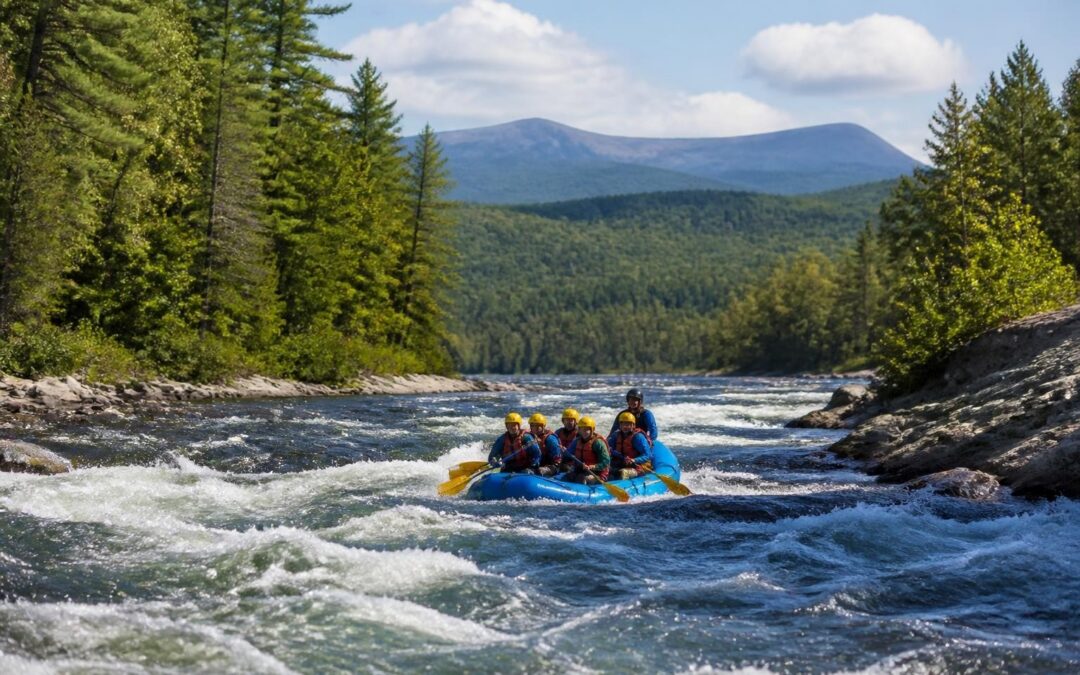
Maine's Kennebec Valley stands as one of the most compelling outdoor adventure destinations in New England, offering visitors an extraordinary blend of wilderness experiences, river adventures, and mountain landscapes. From the roaring rapids of the Kennebec River to the serene hiking trails that wind through dense forests, this region provides year-round opportunities for exploration and adventure. Whether you're seeking adrenaline-pumping activities or peaceful nature encounters, the Kennebec Valley delivers authentic Maine experiences that keep visitors returning season after season. To view our official visitors guide click here.
Whitewater Rafting on the Kennebec River
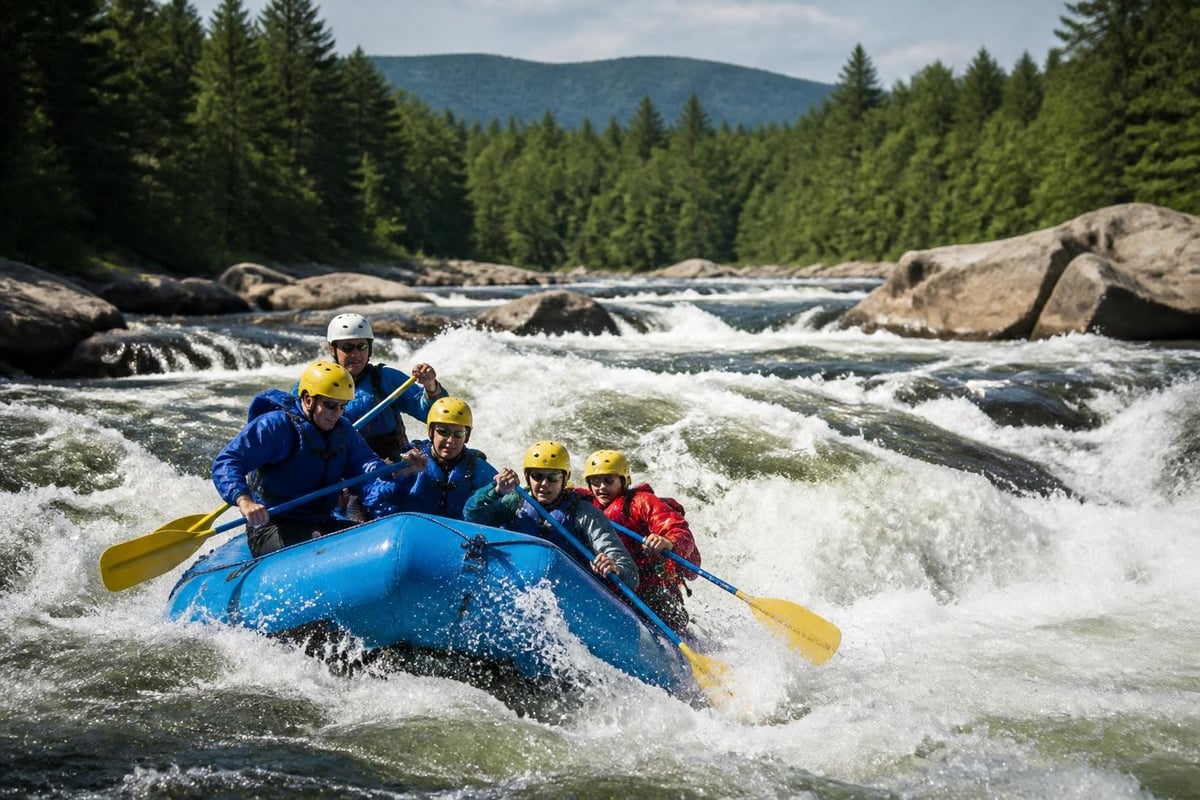
The Kennebec River represents the crown jewel of outdoor adventure in central Maine, offering some of the most thrilling whitewater rafting experiences on the East Coast. With controlled dam releases creating consistent Class III and IV rapids throughout the summer months, rafters encounter heart-pounding drops and technical maneuvers that challenge both beginners and experienced paddlers.
Peak Season Rapids and Water Conditions
Spring and early summer provide the most dynamic water conditions on the river. Dam-controlled releases ensure predictable rafting schedules, allowing visitors to plan their adventures with confidence. The water temperature gradually warms from May through September, though wetsuits remain recommended equipment for most of the season.
Professional outfitters along the river corridor provide comprehensive rafting packages that include:
- Complete safety gear and professional guides
- Transportation to and from launch sites
- Riverside lunch facilities
- Photography services capturing your adventure
- Post-trip changing facilities and hot showers
The river's geography creates natural intervals of intense rapids followed by calmer pools, allowing rafters to catch their breath while taking in the surrounding forest landscapes. This rhythm makes the Kennebec accessible to first-time rafters while maintaining enough challenge to satisfy adventure enthusiasts.
Hiking Trails Through Ancient Forests
Maine's backcountry trails deliver experiences that range from gentle woodland walks to challenging mountain ascents. The region surrounding the Kennebec Valley contains hundreds of miles of maintained trails, each offering unique perspectives on Maine's natural heritage.
The Appalachian Trail passes directly through this region, providing access to some of its most scenic sections. Day hikers can tackle manageable segments while through-hikers stock up on supplies in nearby towns. The trail's passage through central Maine offers exceptional views during fall foliage season when hardwood forests transform into brilliant displays of color.
Mountain Summits and Panoramic Views
Several peaks in the region reward hikers with commanding views of the valley and surrounding wilderness. Pleasant Pond Mountain offers a moderate climb with spectacular summit vistas, while Moxie Bald Mountain challenges hikers with steeper terrain before revealing 360-degree panoramas.
Trail difficulty varies considerably throughout the region:
| Trail Name | Distance | Difficulty | Estimated Time | Key Features |
|---|---|---|---|---|
| Pleasant Pond Mountain | 5.2 miles | Moderate | 3-4 hours | Summit views, pond access |
| Moxie Bald Mountain | 9.4 miles | Strenuous | 5-6 hours | 360° panorama, alpine vegetation |
| Big Squaw Mountain | 6.8 miles | Moderate-Strenuous | 4-5 hours | Fire tower, Moosehead views |
| Little Wilson Falls | 2.8 miles | Easy | 2 hours | Waterfall, gentle terrain |
Winter transforms these trails into backcountry skiing and snowshoeing destinations. Cross-country ski enthusiasts appreciate the groomed trail networks that connect through state parks and conservation lands, while snowshoers can break their own paths through pristine snow-covered forests.
Water-Based Recreation Beyond Rapids
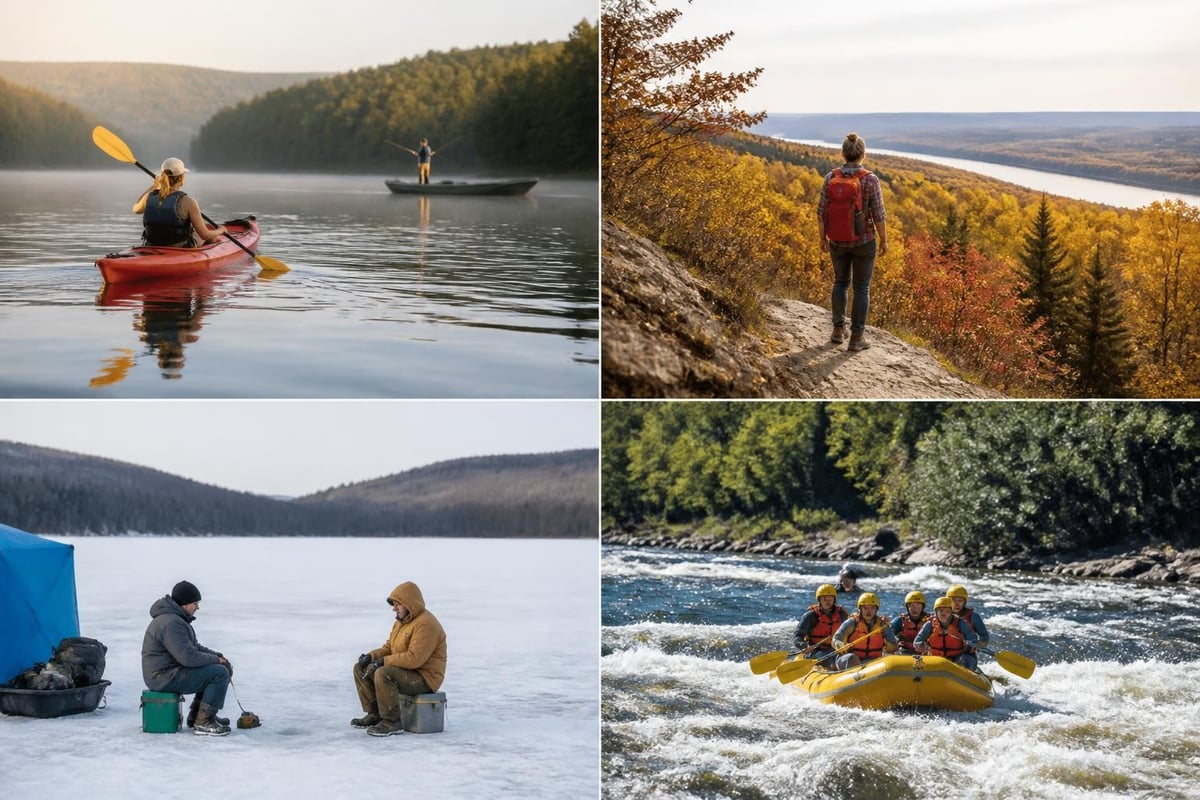
While whitewater rafting on the Kennebec River captures headlines, the valley contains numerous other waterways perfect for different types of aquatic adventures. Flatwater paddling provides peaceful alternatives for kayakers and canoeists seeking wildlife observation and fishing opportunities.
China Lake spans over 4,000 acres with minimal development along its shorelines, creating ideal conditions for extended paddling excursions. The lake's islands provide natural camping spots for multi-day adventures, while its waters support populations of bass, perch, and pickerel that attract anglers throughout the open-water season.
Seasonal Fishing Opportunities
Spring brings brook trout to countless streams feeding into the main river systems. These native fish thrive in cold, oxygen-rich waters, rewarding fly fishermen who venture into remote tributaries. Summer shifts fishing pressure to warmwater species, with smallmouth bass providing spirited fights in river pools and lake structures.
Ice fishing transforms the winter landscape into a different kind of outdoor adventure. Heated ice shacks dot frozen lakes from January through March, with anglers targeting yellow perch, chain pickerel, and occasional trophy salmon through augered holes.
The diversity of places to visit in Maine extends to its waterways, where each season reveals different opportunities for connection with aquatic ecosystems.
Mountain Biking and Cycling Routes
Mountain biking has emerged as a significant draw for visitors exploring places to visit in Maine. The region's network of logging roads, converted rail trails, and purpose-built singletrack creates hundreds of miles of riding opportunities suited to various skill levels.
Carrabassett Valley contains some of the state's most developed mountain bike trail systems. The network includes flow trails designed for speed, technical rock gardens testing bike handling skills, and scenic cross-country routes traversing old-growth forest sections.
Road cyclists appreciate the rural highways that connect small towns throughout the valley. These routes feature minimal traffic, rolling terrain, and frequent opportunities to stop at local farms, breweries, and scenic overlooks. The best places to visit in Maine often reveal themselves to cyclists who cover ground at a pace that allows genuine observation of the landscape.
Trail Systems and Difficulty Ratings
- Green-rated trails: Wide paths with gentle grades, suitable for families and beginners
- Blue-rated trails: Moderate terrain with some technical features and elevation changes
- Black-rated trails: Advanced riding requiring strong skills and fitness
- Double-black trails: Expert-only terrain with significant exposure and technical challenges
Fat biking extends the cycling season throughout winter months. These specialized bikes with oversized tires float over snow-covered trails, providing access to winter landscapes typically reserved for skiers and snowshoers. Several trail systems now groom specifically for fat bike use, creating firm surfaces that support efficient pedaling.
Wildlife Viewing and Natural History
The Kennebec Valley's diverse ecosystems support remarkable wildlife populations. Moose sightings occur regularly, particularly during early morning and evening hours when these massive herbivores feed in wetlands and along water edges. Spring brings mothers with newborn calves, offering unforgettable viewing opportunities for patient observers.
Birdwatching enthusiasts document hundreds of species throughout the annual cycle. Nesting loons provide their distinctive calls across remote ponds, while spring migration brings warblers in brilliant breeding plumage. Bald eagles have rebounded dramatically in recent decades, with multiple nesting territories now established along major waterways.
The region's natural heritage extends beyond charismatic megafauna. Wildflower enthusiasts find exceptional diversity in springtime forests, where ephemeral blooms carpet the ground before tree canopies fully leaf out. Native orchids, trilliums, and lady slippers reward those who venture onto trails less traveled.
Rock Climbing and Bouldering Destinations
Granite formations throughout the valley provide technical climbing challenges. While Maine's coastline garners more attention from the climbing community, interior crags offer excellent routes with fewer crowds. Katahdin Iron Works contains developed climbing areas with routes ranging from beginner-friendly to expert-level challenges.
Bouldering problems scattered through the forest allow climbers to practice technique without rope systems. These shorter challenges often require problem-solving skills and powerful movements across overhanging rock faces. Local climbing communities maintain online databases detailing boulder locations, approach information, and route descriptions.
Traditional climbing on multi-pitch routes provides immersive alpine experiences. These longer climbs require full rack protection systems and strong partnership between climbing teams. The commitment level increases significantly, but summit achievements deliver proportional rewards.
Snow Sports and Winter Adventures
Winter transforms the Kennebec Valley into a snow sports paradise. Sugarloaf Mountain Resort stands as Maine's largest ski area, offering over 1,000 vertical feet of skiing and snowboarding terrain. The mountain's above-treeline summit provides rare New England alpine skiing conditions when winter storms deliver fresh powder.
Cross-country ski centers maintain groomed trail networks totaling hundreds of kilometers. These facilities offer both classic track-set lanes and skate-skiing lanes, accommodating different Nordic skiing styles. Many centers provide night skiing under lights, extending the skiing day during Maine's short winter afternoons.
Backcountry Skiing and Snowshoeing
Experienced winter travelers venture beyond maintained trail systems into the backcountry. Proper equipment, avalanche awareness training, and navigation skills become essential when leaving marked trails. The rewards include untracked powder, solitude, and intimate connections with winter landscapes.
Snowshoeing provides the most accessible entry point into winter backcountry travel. Modern snowshoes clip onto regular winter boots and allow travel across deep snow that would otherwise require exhausting post-holing. Many summer hiking trails become winter snowshoe routes, though navigation requires different skills when landmarks disappear under snow cover.
According to travel experts highlighting must-see places in Maine, winter adventures provide perspectives on the landscape impossible to achieve during other seasons.
Camping and Backcountry Overnight Experiences
The places to visit in Maine include exceptional camping opportunities that range from developed campgrounds with modern amenities to primitive backcountry sites accessible only by paddle or trail. State parks throughout the Kennebec Valley maintain campgrounds with individual sites, hot showers, and interpretive programs.
Primitive camping along the Appalachian Trail and at remote pond sites provides genuine wilderness experiences. These locations require self-sufficiency, Leave No Trace practices, and proper food storage to prevent wildlife conflicts. The trade-off for increased responsibility comes through profound quietude and night skies unmarred by light pollution.
Canoe camping combines paddling skills with camping knowledge. Multi-day trips allow exploration of interconnected lake systems, with each night spent at a different campsite. The Northern Forest Canoe Trail passes through portions of the region, offering structured routes for extended paddle-camping adventures.
Geological Features and Natural Wonders
The valley's geological history reveals itself through dramatic features visible to observant visitors. Glacial erratics-massive boulders deposited by retreating ice sheets-scatter across the landscape, some balanced precariously atop bedrock platforms. These geological curiosities testify to the enormous forces that shaped Maine's topography.
Waterfalls cascade down rocky ledges throughout the region. Some reach heights exceeding 50 feet, creating mist-filled amphitheaters where negative ions energize the atmosphere. Moxie Falls ranks among Maine's highest waterfalls, requiring a short hike to reach viewing platforms that showcase the water's dramatic plunge.
Caves and rock shelters formed through millennia of weathering provide exploration opportunities. While Maine lacks extensive cave systems found in limestone regions, granite overhangs and fractured ledges create spaces that once sheltered indigenous peoples and now fascinate modern visitors.
Scenic Byways and Driving Tours
Not every adventure requires physical exertion. Scenic driving routes connect the places to visit in Maine through landscapes that shift from farmland to forest to mountain views. Old Canada Road follows historical routes used by Benedict Arnold during his ill-fated Quebec expedition, now providing modern travelers with access to remote regions.
Fall foliage drives attract visitors from around the world. The valley's elevation gradients create extended color seasons, with higher elevations peaking in late September while lower valleys maintain brilliant colors into mid-October. This vertical stratification allows leaf-peepers to chase optimal conditions across several weeks.
When planning a trip to Maine, consider timing visits to coincide with seasonal transitions that showcase the landscape's dynamic character. Spring's explosive green-up, summer's lush maturity, autumn's chromatic displays, and winter's stark beauty each provide distinct experiences.
Cultural Heritage and Historical Sites
Outdoor adventures in the Kennebec Valley connect with deep historical roots. Benedict Arnold Trail follows the 1775 military expedition route, with interpretive signs explaining the hardships faced by colonial soldiers attempting to reach Quebec through wilderness terrain. Modern hikers cover in hours what took Arnold's forces days of grueling travel.
Historic farmsteads and lumber camps scattered through the forest preserve glimpses of 19th and early 20th-century rural life. Many sites feature interpretive materials explaining how settlers wrested livelihoods from challenging terrain and climate. These connections between human history and landscape add depth to outdoor experiences.
Native American heritage predates European settlement by thousands of years. The Kennebec River served as a major transportation corridor for indigenous peoples, with archaeological sites revealing sophisticated cultures adapted to seasonal resource availability. Respectful visitors can learn from interpretive displays while recognizing that these lands remain culturally significant to contemporary tribal nations.
Adventure Outfitters and Professional Guides
Professional guide services throughout the valley provide expertise, equipment, and local knowledge that enhance visitor experiences. These businesses employ guides certified in wilderness medicine, rescue techniques, and environmental interpretation. Their presence opens adventures to visitors who lack specialized equipment or technical skills.
Full-service outfitters offer package deals combining lodging, meals, and guided activities. These comprehensive experiences eliminate logistical complications, allowing visitors to focus entirely on outdoor adventures. Multi-day packages might combine whitewater rafting with hiking, mountain biking, and fishing for varied experiences.
Guides who've dedicated careers to understanding local ecosystems share knowledge that transforms simple outdoor recreation into educational experiences. Their insights into wildlife behavior, plant identification, geological processes, and weather patterns deepen visitor appreciation for the environments they explore. Resources like those provided by Lonely Planet’s guide to places to visit in Maine complement local expertise with broader regional context.
Regional Events and Outdoor Festivals
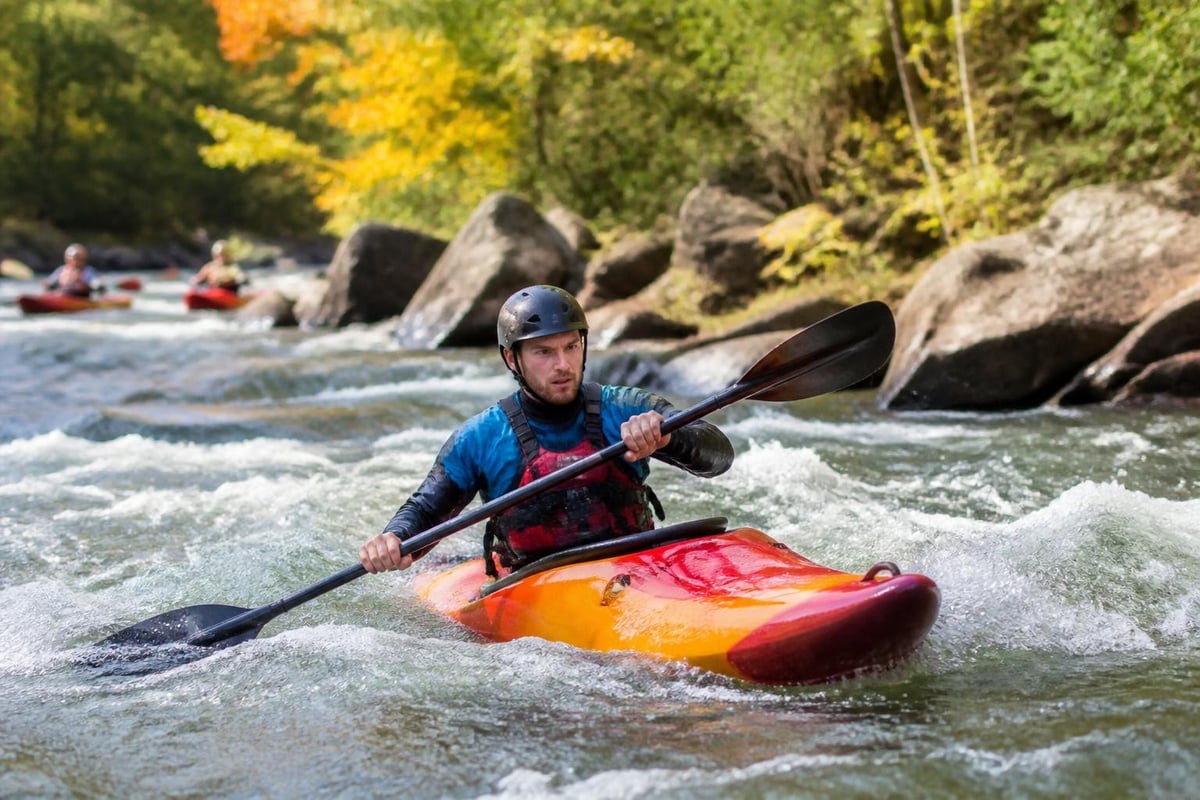
The valley hosts numerous events celebrating outdoor culture and adventure sports. River festivals in summer feature raft races, freestyle kayaking competitions, and live music that draws communities together along the waterfront. These gatherings showcase the central role that outdoor recreation plays in regional identity.
Mountain bike races attract competitors from across New England. Endurance events test riders' fitness across challenging courses, while skills competitions highlight technical mastery over obstacles and jumps. Spectators enjoy free admission and can appreciate the sport's athleticism even without participating.
Winter carnivals embrace the season with snow sculpture contests, dogsled demonstrations, and ski races. These events transform potential cabin fever into celebration, demonstrating Maine's cultural adaptation to climate challenges. Visitors gain insight into how year-round residents thrive during months when other regions retreat indoors.
Sustainable Tourism and Conservation
The places to visit in Maine depend upon preserved natural environments. Conservation organizations work throughout the valley protecting critical habitats, maintaining public access, and educating visitors about responsible recreation. Land trusts have permanently protected thousands of acres, ensuring future generations inherit intact ecosystems.
Visitors contribute to conservation through responsible recreation practices. Leave No Trace principles guide minimum-impact behavior that preserves natural and cultural resources. These seven principles address planning, surface use, waste disposal, respecting wildlife, minimizing campfire impacts, and showing consideration for other visitors.
Supporting local businesses creates economic incentives for conservation. When communities benefit from nature-based tourism, protecting the resources that attract visitors becomes economically rational. This alignment between conservation and commerce strengthens long-term environmental protection.
Maine's Kennebec Valley delivers outdoor adventures that satisfy everyone from first-time visitors to seasoned wilderness travelers, with year-round activities showcasing the region's remarkable natural diversity. Whether you're navigating Class IV rapids, hiking to mountain summits, or exploring pristine waterways, the valley provides authentic experiences in preserved landscapes. The Kennebec Valley Tourism Council offers comprehensive resources to help plan your adventure, including detailed guides to activities, lodging options, and seasonal events that will make your visit to this remarkable region truly unforgettable.