

Maine's rugged coastline and dense forests have captivated travelers for generations, but the state's interior regions offer equally compelling experiences for outdoor enthusiasts. The Kennebec Valley stands as one of the most diverse and adventure-rich destinations in New England, combining pristine wilderness areas with vibrant cultural centers. Whether you seek adrenaline-pumping rapids, peaceful mountain trails, or scenic waterways, the places to see in Maine extend far beyond the coastal tourist corridors. To view our official visitors guide click here.
Whitewater Rafting on the Kennebec River
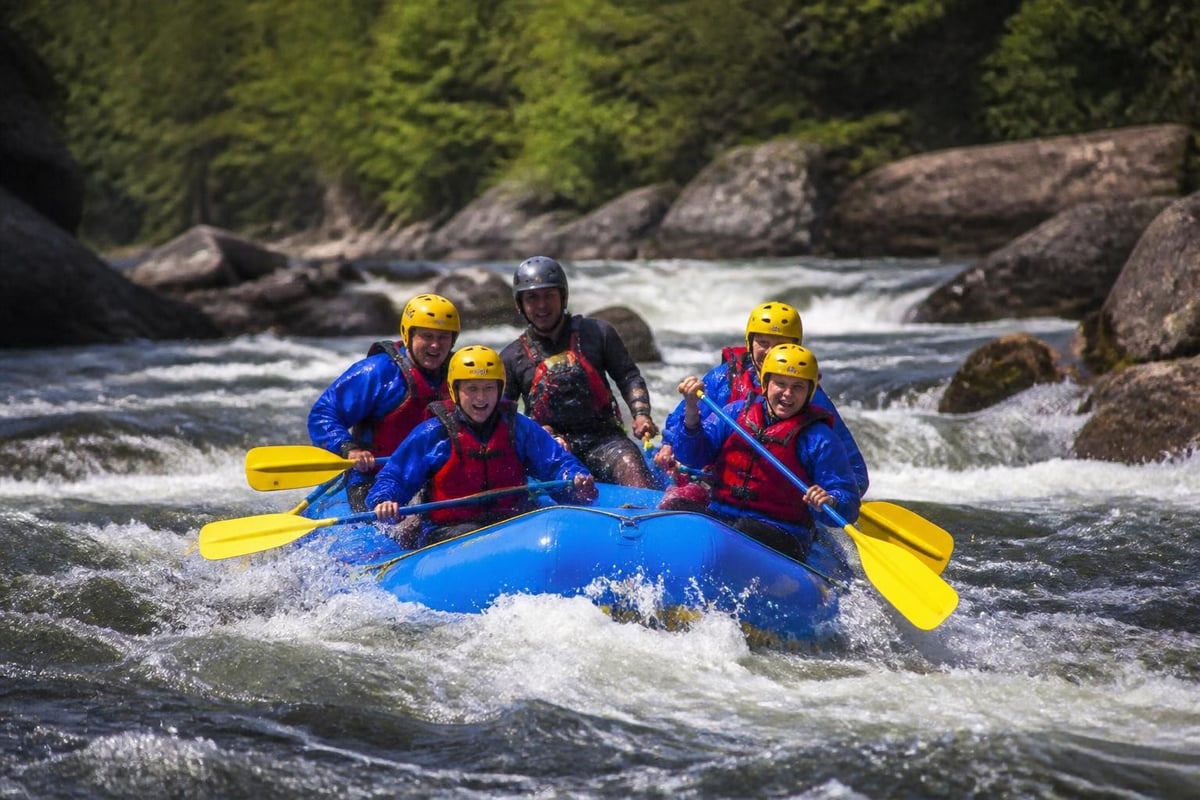
The Kennebec River delivers some of the most exhilarating whitewater experiences on the East Coast. This powerful waterway courses through spectacular gorges, creating rapids that range from family-friendly floats to Class V challenges that test even experienced rafters.
Rapids and Release Schedules
The river's character changes dramatically based on dam releases, which professional outfitters monitor closely. Spring runoff typically produces the highest water levels and most intense rapids, while summer releases create more controlled conditions perfect for first-time rafters.
- Magic Falls: A Class V rapid featuring a 12-foot drop
- Big Mama: Powerful waves that require precise navigation
- Three Sisters: A technical section with multiple channels
Water releases from Harris Station Dam occur on specific schedules, transforming this section of river into one of the premier places to see in Maine for adventure seekers. The contrast between calm pools and churning rapids creates diverse paddling experiences within a single trip.
| Rapid Name | Classification | Key Features | Best Season |
|---|---|---|---|
| Magic Falls | Class V | 12-foot vertical drop | May-June |
| Big Mama | Class IV | Large standing waves | June-September |
| Whitewasher | Class III-IV | Technical maneuvering | All season |
| Three Sisters | Class III | Multiple channels | July-October |
Planning Your River Adventure
Most outfitters operate from West Forks, a small community that serves as the gateway to Kennebec River adventures. Full-day trips typically include transportation to put-in points, professional guides, all necessary equipment, and a riverside lunch between rapids sections.
The Dead River, another exceptional waterway in the region, offers additional rafting opportunities during scheduled releases. These trips venture deeper into wilderness areas, providing encounters with moose, eagles, and other wildlife along forested shorelines.
Mount Katahdin and Baxter State Park
Northern terminus of the Appalachian Trail, Mount Katahdin represents Maine's ultimate hiking challenge. This 5,267-foot granite massif dominates the landscape of Baxter State Park, where over 200,000 acres of protected wilderness await exploration.
The most popular route, the Hunt Trail, follows the Appalachian Trail's final (or first) white blazes to Baxter Peak. This challenging 10.4-mile round trip demands proper preparation, with steep sections, exposed ridgelines, and unpredictable weather conditions.
Alternative Trails and Experiences
Knife Edge Trail connects Baxter Peak to Pamola Peak across a dramatic ridge where the path narrows to just a few feet. This exposed route ranks among the most thrilling places to visit in Maine for experienced hikers with no fear of heights.
Beyond Katahdin, Baxter State Park encompasses numerous other peaks and trail systems:
- Doubletop Mountain offers 360-degree summit views with less crowding
- South Turner Mountain provides Katahdin perspectives without technical challenges
- The Owl features a steep but rewarding climb to alpine terrain
- Sentinel Mountain delivers excellent wildlife viewing opportunities
The park's strict regulations preserve its wilderness character. Reservations for camping and day-use parking typically fill months in advance, particularly for summer weekends. No pets, RVs over certain lengths, or electronic devices are permitted, maintaining the backcountry atmosphere.
Belgrade Lakes Region Water Recreation
Seven interconnected lakes form one of the most picturesque places to see in Maine for paddling enthusiasts. The Belgrade Lakes chain provides over 100 miles of pristine shoreline where loons call, fish jump, and moose wade through shallows.
Great Pond, the largest lake in the chain, spans 8,000 acres with numerous islands perfect for exploration. Long Pond stretches 11 miles through forested terrain, while Messalonskee Lake offers easy access from downtown Oakland.
Kayaking and Canoeing Routes
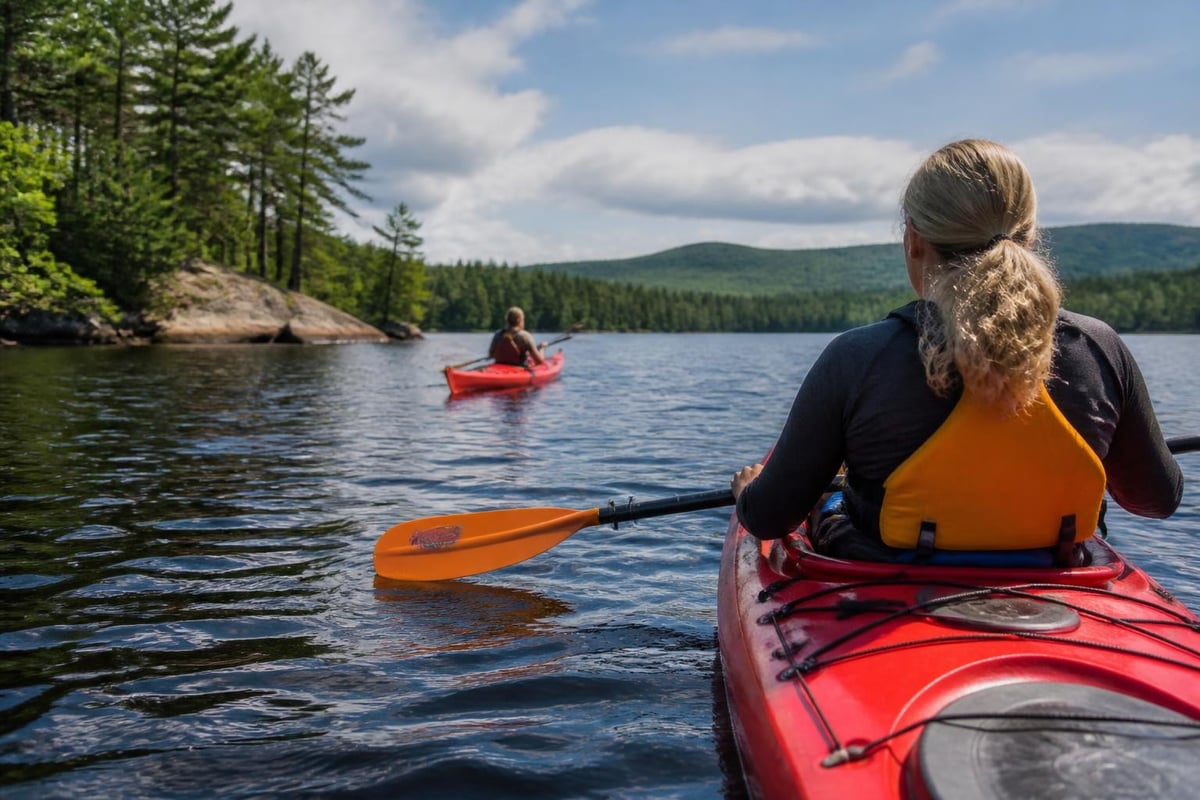
Island-hopping adventures on Great Pond let paddlers discover secluded coves and sandy beaches accessible only by water. Many islands feature primitive campsites maintained by the state, creating opportunities for multi-day expeditions.
The stream connections between lakes provide intimate paddling experiences through narrow channels where wildlife viewing opportunities abound. Belgrade Stream links Great Pond to Long Pond through a winding waterway that passes beaver lodges and osprey nests.
| Lake Name | Surface Area | Max Depth | Key Features |
|---|---|---|---|
| Great Pond | 8,239 acres | 65 feet | Multiple islands, campsites |
| Long Pond | 2,815 acres | 114 feet | Elongated shape, remote shores |
| Messalonskee | 3,510 acres | 113 feet | Town access, boat launches |
| East Pond | 1,832 acres | 64 feet | Quieter waters, fishing |
Boat launches and rental facilities operate throughout the region, with several outfitters offering guided tours. Exploring the unspoiled places around these waterways reveals why generations of visitors return annually.
Hiking Trails of Camden Hills State Park
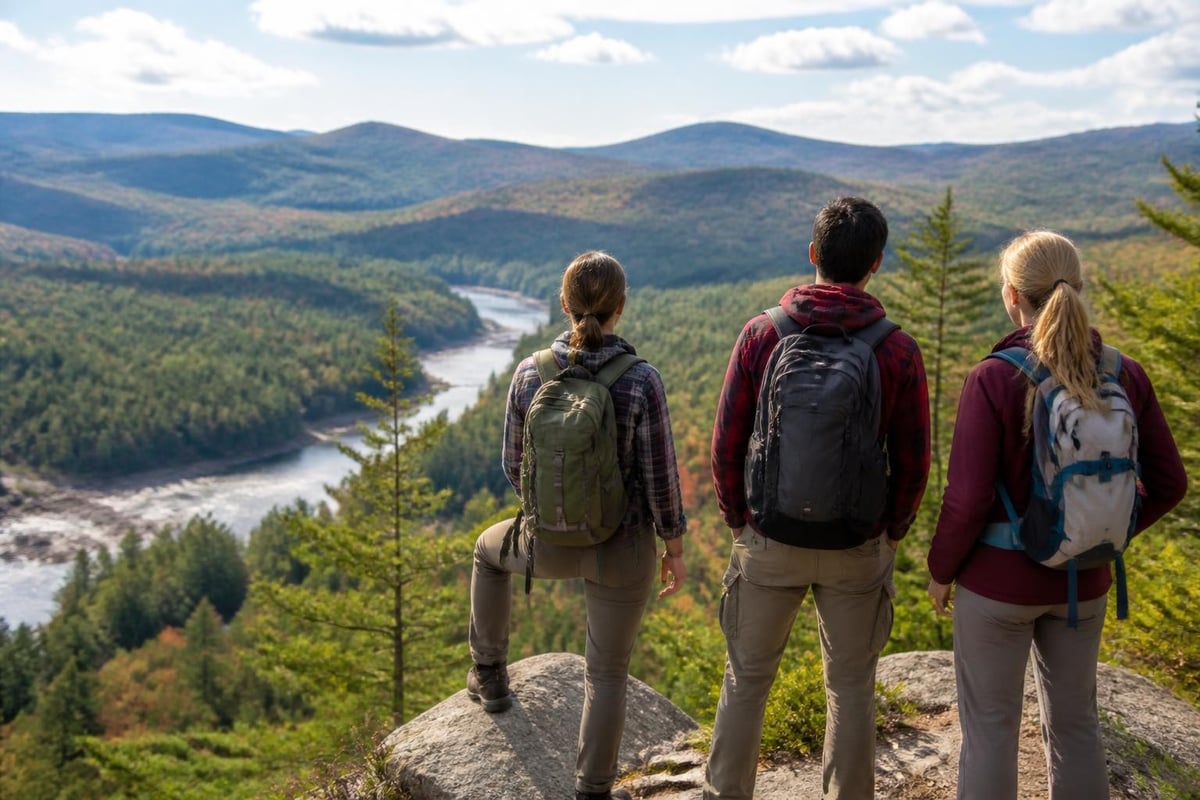
Coastal mountains create dramatic landscapes where forest meets ocean. Camden Hills State Park protects 30 miles of trails ascending 14 peaks, each offering distinct perspectives on Penobscot Bay and the surrounding islands.
Mount Battie's 800-foot summit provides the park's most accessible views via a paved auto road, but hiking trails deliver more rewarding experiences. The Tablelands Trail traverses open ledges with sweeping vistas, while the Nature Trail introduces local ecosystems through interpretive stations.
Multi-Peak Trail Networks
Ridge Trail connections allow ambitious hikers to summit multiple peaks in a single outing. The traverse from Mount Megunticook to Maiden Cliff covers roughly 6 miles with significant elevation changes.
Mount Megunticook, the park's highest point at 1,385 feet, rewards climbers with views extending to Blue Hill and Mount Desert Island on clear days. The ascent through mixed hardwood forests transitions to evergreen zones before emerging onto granite outcrops.
Maiden Cliff features a dramatic 800-foot drop to Megunticook Lake below. A wooden cross memorial marks the spot where a young girl fell in the 19th century, creating one of the park's most photographed landmarks.
Early fall transforms these mountains into places to see in Maine when foliage reaches peak color. The combination of coastal proximity and elevation creates extended color seasons from late September through mid-October.
Moosehead Lake Wilderness Areas
Maine's largest lake sprawls across 75,451 acres, with 400 miles of undeveloped shoreline creating true wilderness experiences. Moosehead Lake serves as the centerpiece for outdoor recreation in the state's North Woods region.
Mount Kineo rises abruptly from the lake's center, a 1,806-foot monadnock accessible only by boat. This massive formation of rhyolite flint once supplied Native Americans with tool-making material for thousands of years.
Remote Exploration Options
Floatplane services transport adventurers to remote camps and trailheads unreachable by road. These flights provide aerial perspectives of the endless forest expanse surrounding the lake.
Lily Bay State Park offers developed camping on the lake's eastern shore, serving as a base camp for various activities:
- Kayak touring: Multi-day expeditions around coves and inlets
- Fishing: Brook trout, salmon, and togue in deep waters
- Wildlife watching: Moose frequently spotted along shorelines
- Mountain biking: Logging roads through surrounding forests
The Appalachian Mountain Club operates three wilderness sporting camps accessible by boat or floatplane. These facilities maintain traditions of Maine guide service while offering modern comforts in remote settings.
Winter transforms the region into a snowmobiling hub, with hundreds of miles of groomed trails connecting communities across the North Woods. Ice fishing shanties dot the frozen lake surface, while Nordic skiers glide through silent forests.
Kennebec Valley Cultural and Historical Sites
Outdoor adventures gain context through understanding the region's rich history. Augusta, Maine's capital city, blends governmental architecture with riverside parks and cultural institutions.
The Old Fort Western, built in 1754, stands as the oldest surviving wooden fort in America. Costumed interpreters demonstrate colonial life along the Kennebec River, where timber and ice once drove the regional economy.
Architectural and Museum Experiences
Maine State Museum chronicles the state's natural and cultural heritage through extensive exhibits. The "Made in Maine" gallery showcases industrial innovations from shipbuilding to textile manufacturing.
Downtown Waterville has revitalized its historic Main Street corridor, creating a walkable district of galleries, restaurants, and performance venues. The Waterville Opera House hosts regional theater productions in a beautifully restored 19th-century venue.
For those planning comprehensive visits, the region's diverse attractions make advance research valuable. Numerous resources help travelers maximize their time across these varied destinations.
Seasonal Considerations for Adventure Planning
Each season transforms places to see in Maine into distinct experiences requiring different preparations and offering unique rewards.
Spring (April-June)
Peak whitewater conditions occur during snowmelt and dam releases. Black flies emerge in late May, creating challenges for backcountry travel but fishermen enjoy excellent brook trout opportunities.
Recommended activities: Whitewater rafting, early-season hiking on lower elevation trails, fishing spawning runs
Summer (July-September)
Warmest temperatures make water sports most comfortable. Trail conditions reach optimal status, though popular destinations experience heavy visitation. Reservations become essential for camping and guided activities.
Recommended activities: Multi-day paddling trips, peak-bagging in Baxter State Park, lake swimming, wildlife photography
Fall (September-November)
Foliage season attracts photographers and leaf-peepers to mountain overlooks. Cooler temperatures eliminate insects while crisp air provides exceptional visibility. Hunting seasons require awareness of areas and dates.
Recommended activities: Scenic hiking, moose watching, fall fishing, rural exploration
Winter (December-March)
Snow sports dominate, with snowmobiling networks connecting the entire region. Cross-country skiing, ice fishing, and winter camping appeal to hardy adventurers. Many facilities close seasonally, requiring advance research.
Recommended activities: Snowmobiling, Nordic skiing, ice fishing, winter mountaineering
| Season | Temperature Range | Primary Activities | Booking Timeline |
|---|---|---|---|
| Spring | 35-65°F | Rafting, fishing | 1-2 months ahead |
| Summer | 55-80°F | Hiking, paddling | 3-6 months ahead |
| Fall | 40-70°F | Foliage viewing, hiking | 2-3 months ahead |
| Winter | 10-35°F | Snow sports, ice fishing | 1-3 months ahead |
Wildlife Viewing Opportunities
The Kennebec Valley's diverse ecosystems support remarkable wildlife populations. Patient observers frequently encounter species rarely seen in more developed regions.
Moose congregate in wetland areas during dawn and dusk hours. The Sandy Bay area of Moosehead Lake and the Route 201 corridor north of The Forks provide reliable viewing locations. Spring and early summer offer best opportunities as animals seek aquatic vegetation.
Bald eagles nest along major rivers and lakes throughout the region. The Kennebec River supports a robust population, with multiple nesting sites visible from public access points. Winter concentrations form below dams where open water attracts waterfowl prey.
Black bears inhabit forested areas across the region. While generally avoiding humans, proper food storage becomes critical in backcountry settings. Baxter State Park maintains strict bear-proof container requirements.
Loons symbolize Maine's wilderness character. These fish-eating birds nest on undeveloped lake shores, their haunting calls echoing across waters on summer evenings. The Belgrade Lakes chain supports healthy loon populations due to shoreline protection efforts.
Birding enthusiasts find the region particularly rewarding during spring and fall migrations. Top destinations across Maine attract different species, but the Kennebec Valley's mix of habitats concentrates diversity.
Family-Friendly Adventure Options
Not all outdoor experiences demand extreme fitness or technical skills. The region offers numerous accessible adventures suitable for families with children.
Easier Hiking Trails
Pleasant Pond Mountain near Caratunk provides a moderate 2-mile climb to summit views of surrounding lakes and mountains. The well-maintained trail passes through diverse forest types without dangerous exposure.
Moxie Falls, Maine's highest waterfall at 90 feet, requires only a 1.8-mile round-trip hike. The relatively flat approach follows an old logging road before descending to viewing platforms.
Guided Family Programs
Several outfitters specialize in family rafting trips on gentler river sections. These shortened excursions focus on fun rather than extreme rapids, with experienced guides ensuring safety and engagement for younger participants.
Interpretive nature programs at state parks introduce children to forest ecology, aquatic life, and wildlife tracking. Hands-on activities build outdoor skills while creating lasting memories.
Scenic boat tours on Moosehead Lake provide comfortable wildlife viewing without physical demands. These narrated cruises share regional history while searching for moose, eagles, and other animals along remote shorelines.
Fishing Waters and Techniques
The Kennebec Valley ranks among North America's premier fishing destinations. Cold, clean waters support diverse game fish populations attracting anglers from across the continent.
Trout and Salmon Streams
Native brook trout thrive in small mountain streams feeding major watersheds. These wild fish require careful approach and delicate presentation, rewarding skilled anglers with brilliant colors and spirited fights.
Landlocked salmon inhabit deeper lakes including Moosehead, the Belgrade chain, and numerous smaller ponds. Ice-out periods and fall spawning runs trigger aggressive feeding, creating exceptional opportunities.
The Kennebec River itself hosts American shad runs each spring, when thousands of fish migrate upstream to spawn. This unique East Coast fishery draws fly anglers seeking powerful fish in accessible locations.
Bass and Panfish Options
Smallmouth bass populations flourish in rocky lake habitats and river sections. These aggressive predators strike topwater lures enthusiastically during summer months, providing exciting action for all skill levels.
White perch school in open waters of larger lakes, offering productive fishing when other species prove challenging. These underrated game fish provide excellent table fare and willing strikes.
Seasonal regulations vary by water body and species. The Maine Department of Inland Fisheries and Wildlife maintains detailed guides, with certain waters designated as fly-fishing-only or catch-and-release areas.
Trip Planning Resources and Logistics
Maximizing enjoyment of places to see in Maine requires thorough preparation. The region's remote character means services may be limited or seasonal.
Accommodation Options
Sporting camps maintain traditional Maine hospitality in remote settings. These facilities typically operate on American Plan (all meals included), with guides available for fishing, hunting, and wilderness excursions.
Campgrounds range from developed state park facilities with flush toilets and showers to primitive backcountry sites accessible only by foot or boat. Reservation systems open on specific dates, with popular locations filling within hours.
Vacation rentals on lakefronts provide home-base comfort for families exploring the region. Many properties include boats, docks, and other amenities enhancing water-based recreation.
Transportation Considerations
Vehicle requirements vary by destination. Remote areas demand high-clearance vehicles for rough logging roads, while major attractions remain accessible via paved highways.
Seasonal road closures affect access to certain areas. Baxter State Park gates close during mud season and winter months, while some logging roads become impassable during spring thaw.
Cell phone coverage remains spotty throughout much of the region. Paper maps, GPS devices, and pre-trip research become essential safety measures.
Conservation and Leave No Trace Principles
Preserving the pristine character of these wilderness areas requires visitor commitment to responsible practices.
The region's popularity has increased pressure on fragile ecosystems. Proper waste disposal, staying on designated trails, and respecting wildlife distances protect resources for future generations.
Campfire regulations vary by location and season. During dry periods, restrictions may prohibit all open flames. Using established fire rings and fully extinguishing fires prevents wildfire risks in these forested landscapes.
Water protection efforts focus on preventing aquatic invasive species spread. Cleaning boats, kayaks, and fishing gear between water bodies stops organisms that can devastate native ecosystems.
Many outdoor recreation opportunities depend on maintaining ecological balance. Understanding and implementing conservation practices ensures these places to see in Maine remain spectacular for generations to come.
The region's tourism economy relies on pristine natural resources. Supporting local businesses, following regulations, and practicing minimum-impact techniques contribute to sustainable recreation that benefits communities while protecting wilderness character.
The Kennebec Valley combines world-class outdoor adventures with authentic Maine wilderness experiences across all seasons. From challenging whitewater rapids to peaceful lake paddling, remote mountain peaks to accessible family trails, the region rewards every level of outdoor enthusiast. Whether you're planning your first visit or returning for another season of exploration, Kennebec Valley Tourism Council provides the resources and local insights to help you discover everything this remarkable destination offers.