
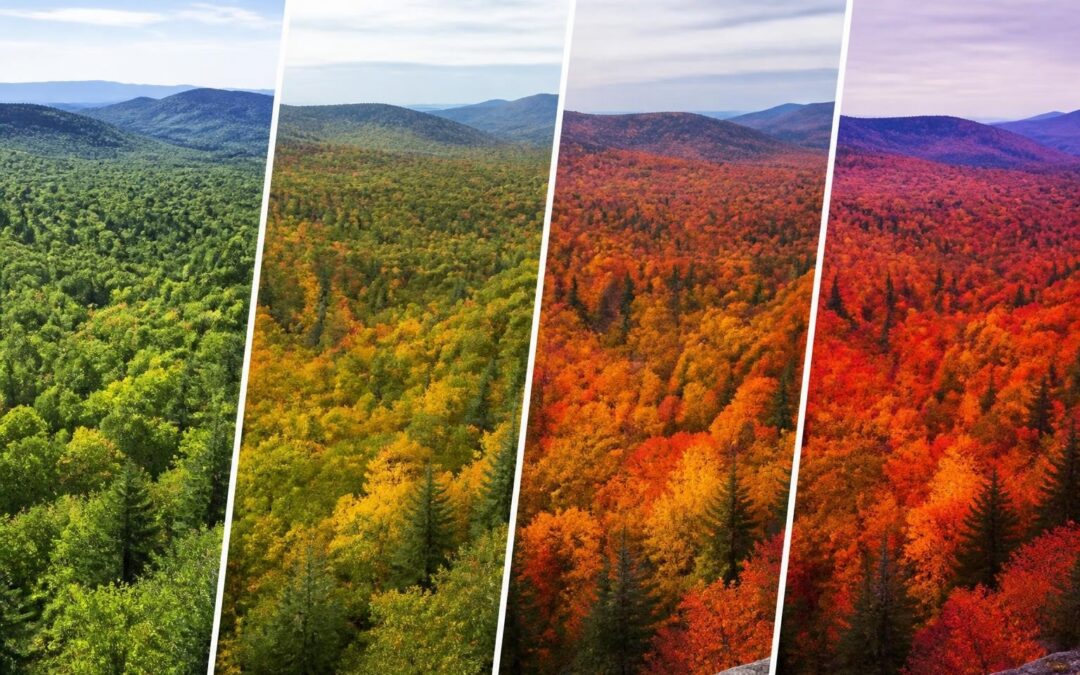
Maine's autumn transformation draws visitors from around the world, with forests erupting into brilliant displays of crimson, gold, and amber. Understanding when peak fall foliage Maine occurs can make the difference between witnessing nature's most spectacular show and arriving too early or too late. The timing varies across the state's diverse geography, influenced by elevation, latitude, and microclimates that create a moving wave of color from north to south throughout September and October 2026. To view our official visitors guide click here.
Understanding Maine's Fall Foliage Timeline
Peak fall foliage Maine follows a predictable pattern shaped by the state's climate and geography. Color change begins in the northern and western mountains during mid-September, then progresses southward and toward the coast over the following four to five weeks.
The Maine Forest Service weekly fall foliage reports track this progression across eight distinct regions, providing ground-level assessments that help travelers time their visits. These reports typically begin in early September and continue through late October, offering the most reliable forecasting available.
Regional Timing Patterns
Different regions of Maine experience peak color at different times:
- Northern Maine: Mid to late September
- Western Mountains: Late September to early October
- Kennebec Valley: Early to mid-October
- Mid-Coast: Mid-October
- Southern Maine: Mid to late October
Elevation plays a crucial role in timing. Mountains and higher elevations typically peak one to two weeks before lowland areas in the same region. This creates opportunities to witness extended color displays by moving between elevations during a single visit.
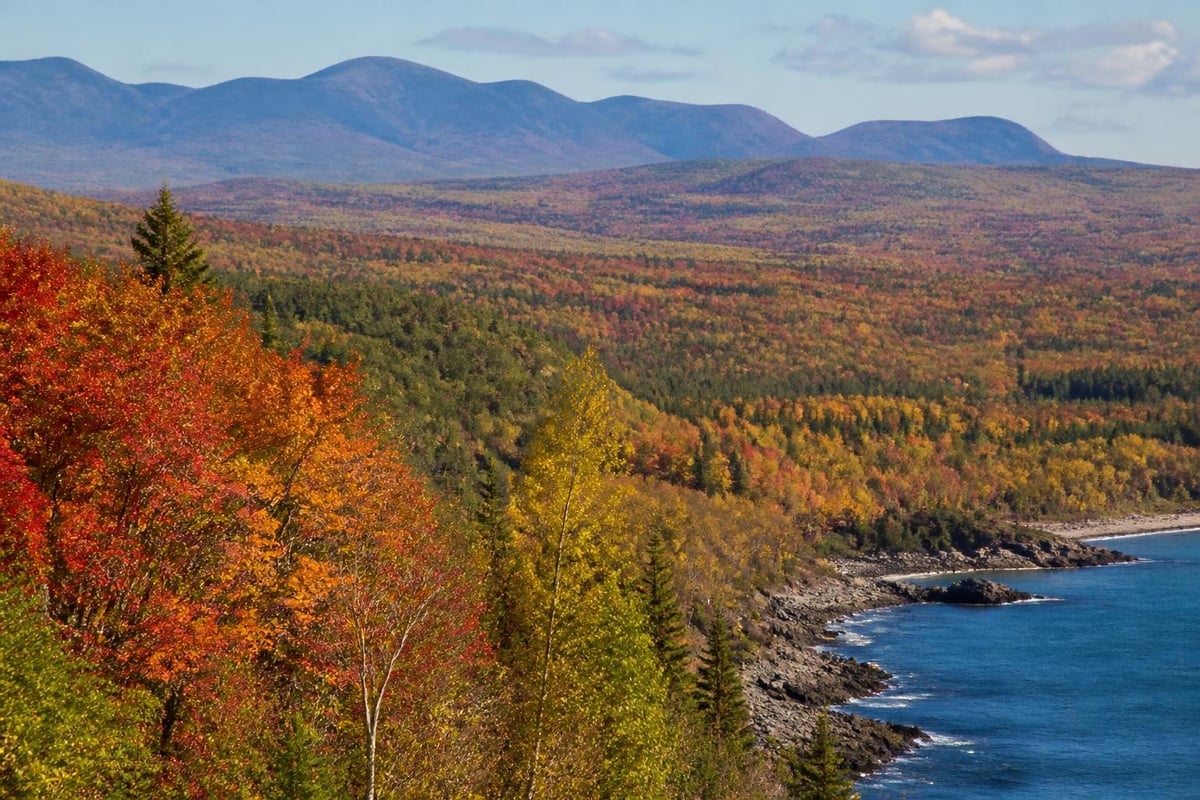
What Drives the Color Change
The science behind autumn foliage involves complex biochemical processes triggered by environmental cues. As daylight hours shorten and temperatures drop, trees begin breaking down chlorophyll, the green pigment that powers photosynthesis throughout the growing season.
This chlorophyll breakdown reveals other pigments already present in leaves. Carotenoids produce yellow and orange hues, while anthocyanins create red and purple tones. Research on leaf color in Maine demonstrates how these pigments interact with weather conditions to create varying intensities of color from year to year.
| Weather Factor | Impact on Color |
|---|---|
| Warm, sunny days | Increases anthocyanin production, enhancing reds |
| Cool nights (above freezing) | Traps sugars in leaves, boosting red pigments |
| Adequate moisture | Maintains leaf health for vibrant displays |
| Drought stress | Can cause premature browning and leaf drop |
| Early frost | May damage leaves before peak color develops |
The weather impacts on autumn phenology vary considerably from year to year, making each fall season unique in its timing and intensity.
Peak Fall Foliage Maine 2026: Regional Forecasts
Kennebec Valley Timing
The Kennebec Valley region typically experiences peak fall foliage Maine during the first two weeks of October. This central Maine corridor benefits from diverse topography, with hills and valleys creating dramatic color displays that transition from higher elevations down to riverside landscapes.
Historic data suggests that the period from October 5-15 offers the most reliable window for peak color in the valley. However, scouting reports from late September provide the best confirmation for specific travel dates.
Valley towns and cities offer excellent accessibility to foliage viewing, with scenic byways connecting communities from Skowhegan south through Waterville, Augusta, and Gardiner. The mix of urban parks, riverside trails, and nearby hillsides creates convenient viewing opportunities without requiring extensive backcountry travel.
Northern and Western Mountains
Maine's mountainous regions experience the earliest peak fall foliage Maine displays, typically from September 20-30. The Rangeley Lakes region, Moosehead Lake area, and the Katahdin region all reach peak color during this window.
Higher elevations above 2,000 feet may peak even earlier, sometimes by mid-September in years with early cold snaps. These areas offer the most intense color concentrations, with uninterrupted forest canopy creating waves of color across entire mountainsides.
Coastal and Southern Maine
Acadia National Park typically reaches peak color during mid-October, usually around October 10-20. The coastal influence moderates temperatures, delaying color change compared to inland areas.
Southern Maine follows a similar timeline, with peak conditions typically occurring between October 15-25. Coastal towns benefit from extended seasons, as maritime air temperatures remain moderate well into autumn.
Best Viewing Locations in the Kennebec Valley
Scenic Byways and Drives
Route 201 through the Upper Kennebec Valley provides spectacular mountain and river views as it winds northward from Skowhegan. This corridor offers convenient pullouts and vista points where travelers can safely stop to photograph the changing landscape.
The Belgrade Lakes region east of Kennebec Valley offers a network of country roads winding between water bodies surrounded by mixed hardwood forests. Sugar maples, red maples, and birches create particularly vibrant displays reflected in calm lake surfaces during early morning hours.
Route 17 between Augusta and the coast traverses rolling hills with panoramic views across the valley. This less-traveled route provides quieter alternatives to busier tourist corridors while offering equally impressive foliage displays.
Hiking and Walking Trails
Trail-based viewing allows visitors to immerse themselves in the forest canopy and experience the full sensory impact of autumn. The sound of rustling leaves, the earthy scent of decomposition, and the filtered light through colored canopy creates memorable experiences beyond simple visual appreciation.
Local trail networks around Augusta, Waterville, and Gardiner offer accessible options for all fitness levels:
- Short interpretive loops (under 2 miles) suitable for families
- Moderate riverside trails (2-5 miles) following the Kennebec River
- Hill climbs (5+ miles) providing elevated viewpoints over the valley
- Multi-day backpacking routes in nearby wilderness areas

Waterfront Perspectives
The Kennebec River itself provides unique viewing opportunities from water level. Kayaking and canoeing during peak color offers intimate perspectives on riverside forests and wildlife preparing for winter.
Several river access points allow day trips through colored landscapes, with current assisting downstream paddling. Commercial outfitters in the region provide equipment rentals and guided excursions specifically timed for foliage season.
Planning Your Peak Foliage Visit
Monitoring Conditions
Successful foliage timing requires monitoring multiple information sources in the weeks before your planned visit. The Maine Forest Service reports provide the most accurate weekly updates, typically published each Thursday from early September through late October.
Social media platforms and photography groups offer real-time ground reports from enthusiasts sharing current conditions. These crowd-sourced updates can reveal hyperlocal timing variations and hidden viewing locations.
Weather forecasts two weeks before your visit help anticipate whether conditions will accelerate or delay color progression. Unusually warm weather can slow the process, while cold snaps may trigger rapid change.
Accommodation Strategies
Peak foliage season represents the busiest travel period in Maine, with accommodations often booked months in advance. Early reservation is essential for preferred locations and dates.
Consider these lodging approaches:
- Book accommodations with flexible cancellation policies allowing date adjustments based on foliage reports
- Choose centrally located bases allowing day trips to multiple viewing areas
- Explore weekday visits when crowds are lighter and availability better
- Consider shoulder locations just outside peak zones where availability may be greater
Photography Considerations
Capturing peak fall foliage Maine requires attention to lighting, weather, and composition. The best photographic conditions often occur during overcast days when diffused light prevents harsh shadows and brings out color saturation.
| Time of Day | Lighting Quality | Best For |
|---|---|---|
| Dawn (6-8 AM) | Soft, golden light | Lake reflections, misty landscapes |
| Midday (11-2 PM) | Bright, harsh light | Detail shots under canopy |
| Late afternoon (3-5 PM) | Warm, angled light | Backlit leaves, landscape vistas |
| Overcast | Even, saturated | True color representation |
Rain-dampened leaves display more vibrant colors than dry foliage, as moisture intensifies pigments and adds surface sheen. Light precipitation during your visit can enhance rather than diminish photographic opportunities.
Climate Change and Shifting Seasons
Long-term monitoring reveals that peak fall foliage Maine timing has shifted over recent decades. Research in Acadia National Park demonstrates measurable changes in peak timing related to warming temperatures and altered precipitation patterns.
The Harvard Forest research on leaf phenology across New England shows that autumn color change now occurs an average of three to five days later than in the 1990s. However, year-to-year variability remains high, making individual season predictions challenging.
Implications for Visitors
These shifting patterns mean historical averages may not perfectly predict current-year timing. Reliance on real-time monitoring becomes increasingly important as climate patterns evolve.
The intensity and duration of color displays may also vary with changing weather patterns. Years with extreme summer drought or unusual temperature swings can produce either spectacular or disappointing shows, independent of typical timing.
Species-Specific Timing
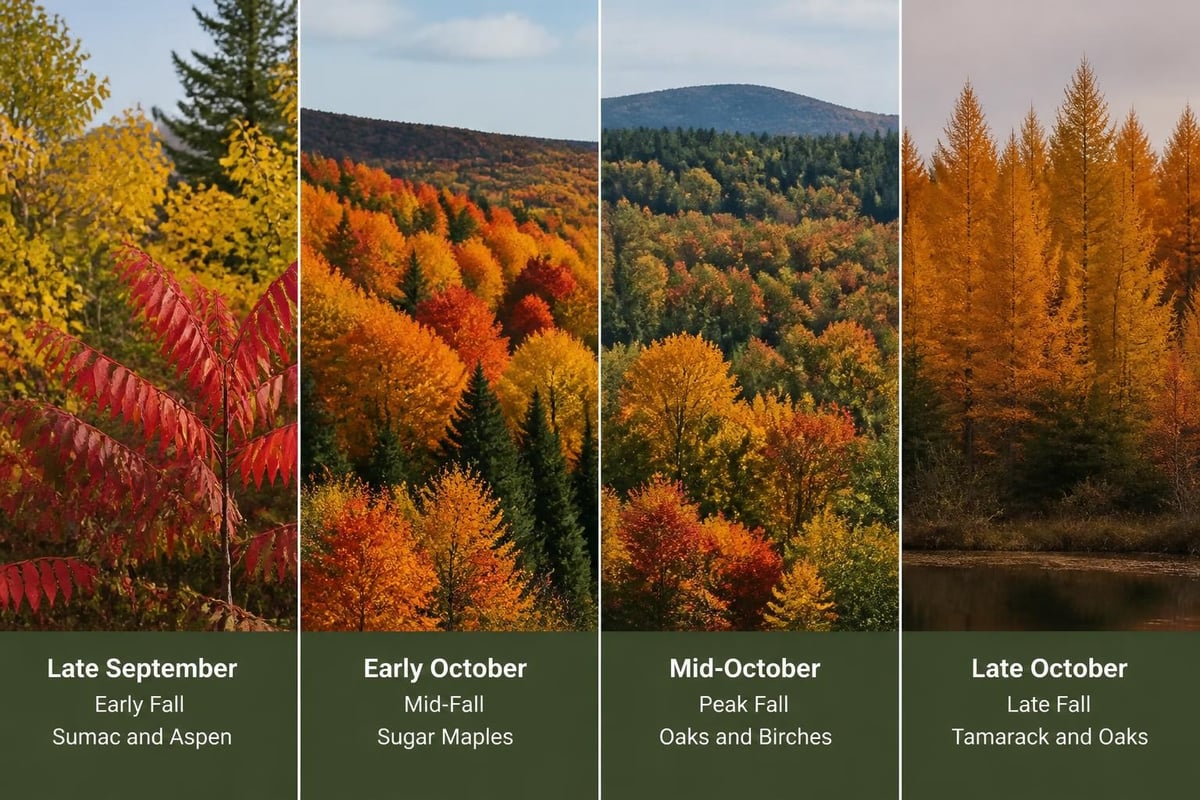
Different tree species change color on varying schedules, creating layered progression even within a single location. Understanding these patterns helps identify the best viewing windows for specific landscapes.
Early changers (late September):
- Sumac
- Ash
- Aspen
- Birch
Mid-season (early October):
- Sugar maple
- Red maple
- Oak (red varieties)
Late changers (mid-October):
- Beech
- Oak (white varieties)
- Tamarack (larch)
Mixed forests containing multiple species extend the viewing season and create more complex color palettes than pure stands. The science behind autumn leaf color explains how these different species respond to environmental triggers on distinct timelines.
Beyond Foliage: Autumn Activities
Peak foliage season coincides with numerous autumn activities that enhance the travel experience. Harvest festivals, farmers markets, and seasonal events celebrate the region's agricultural heritage and community traditions.
Apple orchards open for picking, offering fresh cider and farm-fresh produce alongside scenic orchard views. Pumpkin patches and corn mazes provide family-friendly activities that complement foliage viewing.
Combining Outdoor Recreation
The crisp autumn weather creates ideal conditions for outdoor activities beyond scenic viewing. Hiking trails offer comfortable temperatures without summer humidity or insect pressure. Mountain biking on forest trails provides immersive canopy experiences with added adrenaline.
Fishing seasons remain open in many waters, with fall runs of landlocked salmon and brook trout drawing anglers to rivers and streams surrounded by colored landscapes. Wildlife viewing peaks as moose, deer, and migratory birds prepare for winter.
Weather Preparedness
Maine autumn weather can change rapidly, particularly in higher elevations and northern regions. Temperature swings of 30-40 degrees between day and night are common during peak foliage season.
Essential preparations include:
- Layered clothing systems allowing adjustment to changing conditions
- Rain gear for sudden showers
- Warm accessories (hat, gloves) for morning and evening chill
- Sturdy footwear for wet trails and uneven terrain
- Emergency supplies for remote area travel
Frost occurs regularly during peak foliage Maine season, particularly in valleys and low-lying areas where cold air settles overnight. Morning fog dissipates by mid-morning, revealing brilliant colors in crystal-clear air.
Sustainable Foliage Tourism
The popularity of fall foliage viewing creates environmental pressures on sensitive natural areas. Responsible visitation helps preserve these landscapes for future generations.
Leave No Trace principles apply throughout foliage season:
- Stay on designated trails to prevent erosion and vegetation damage
- Pack out all trash and leftover food
- Respect private property boundaries
- Avoid trampling understory plants while photographing
- Use designated parking areas rather than roadside shoulders
Consider visiting less-promoted locations to distribute visitor pressure across larger areas. Lesser-known scenic byways and local favorites often provide equally impressive displays with fewer crowds and reduced environmental impact.
Economic Impact and Community Benefit
Fall foliage tourism represents a significant economic driver for Maine communities. The influx of visitors during September and October supports local businesses during a crucial period between summer vacation season and winter recreation.
Restaurants, lodging facilities, retail shops, and service providers all benefit from increased visitation. This economic activity helps sustain year-round employment and supports community infrastructure that serves both residents and visitors.
Choosing locally-owned businesses, purchasing regional products, and engaging with community events maximizes the positive impact of tourism dollars while enhancing authentic travel experiences.
Timing your visit to witness peak fall foliage Maine requires monitoring real-time conditions and understanding regional variations, but the spectacular displays reward careful planning. Whether you're seeking scenic drives through the Kennebec Valley, challenging mountain hikes, or peaceful waterside reflections, autumn offers Maine's most visually stunning season. The Kennebec Valley Tourism Council provides comprehensive resources for planning your foliage adventure, with detailed information on lodging, dining, outdoor activities, and seasonal events throughout the region to help you make the most of your autumn escape.