

Maine's diverse landscape spans rocky coastlines, dense forests, pristine lakes, and charming small towns, making it one of New England's most captivating destinations. Whether you're planning a weekend getaway or an extended vacation, having a comprehensive maine visitors guide ensures you won't miss the state's hidden gems and iconic attractions. From exploring diverse vacation areas to discovering seasonal activities, proper planning transforms a good trip into an unforgettable adventure. To view our official visitors guide click here.
Understanding Maine's Regional Diversity
Maine encompasses 16 distinct tourism regions, each offering unique experiences and attractions. The state's geography creates microclimates and varied terrain that appeal to different traveler preferences.
Coastal Regions and Maritime Heritage
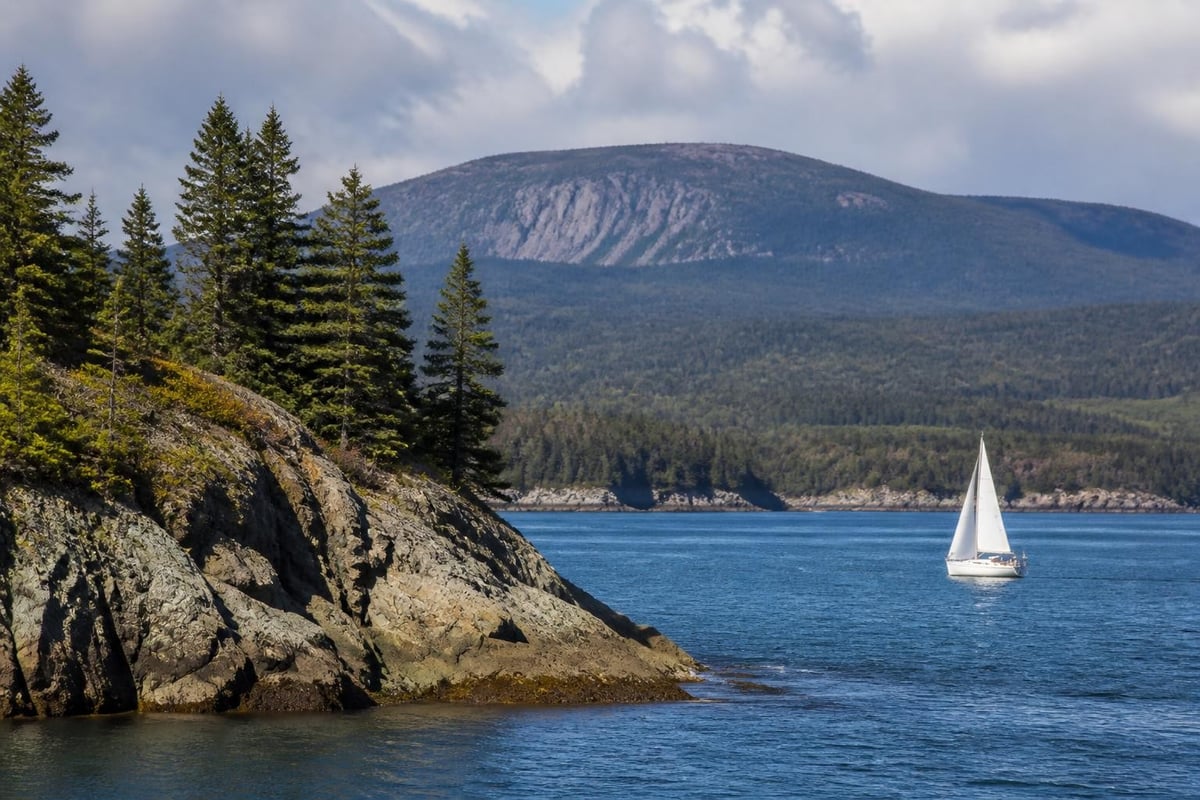
The southern coast features sandy beaches, outlet shopping, and historic lighthouses. Mid-coast Maine presents quintessential fishing villages, lobster shacks, and maritime museums that showcase the state's seafaring heritage.
- Portland and Casco Bay: Culinary scene, craft breweries, island excursions
- Kennebunkport: Presidential history, upscale dining, coastal charm
- Bar Harbor and Acadia: Mountain meets ocean, hiking trails, scenic drives
- Boothbay Harbor: Boat tours, botanical gardens, working waterfront
Down East Maine offers rugged beauty and authentic fishing communities where tourism takes a backseat to traditional livelihoods. This remote region rewards adventurous travelers with unspoiled landscapes and genuine cultural experiences.
Interior and Mountain Regions
Central and western Maine present a different character entirely. The Kennebec Valley serves as the gateway to Maine's wilderness, offering incredible outdoor activities that range from gentle to adrenaline-pumping.
The state capital region combines governmental history with outdoor recreation. Augusta provides cultural attractions like historic Fort Western, while surrounding areas offer fishing, hiking, and seasonal sports.
| Region | Best Known For | Ideal Season | Activity Level |
|---|---|---|---|
| Kennebec Valley | Whitewater rafting, hiking | Spring-Fall | Moderate to High |
| Western Mountains | Skiing, fall foliage | Winter, Fall | High |
| Downeast & Acadia | Coastal beauty, hiking | Summer, Fall | Moderate |
| Midcoast | Maritime culture, islands | Summer | Low to Moderate |
Seasonal Planning Considerations
A practical maine visitors guide must address seasonal variations that dramatically affect travel experiences. Maine transforms throughout the year, and timing your visit correctly maximizes enjoyment.
Summer Adventures and Peak Season
Summer brings warm temperatures, full attraction schedules, and vibrant festivals. This peak season requires advance reservations for lodging and popular activities.
Prime summer activities include:
- Beach days along the southern coast
- Whale watching tours departing from multiple ports
- Festival attendance in towns statewide
- Lake swimming and water sports
- Farm-to-table dining experiences
Expect higher prices and larger crowds from late June through August. Booking accommodations three to six months ahead prevents disappointment, especially for coastal properties and popular inland destinations.
Fall Foliage and Shoulder Season
September through October delivers spectacular fall colors and comfortable temperatures. This quintessential Maine experience attracts leaf-peepers from around the world.
The shoulder season offers several advantages:
- Lower accommodation rates compared to summer peaks
- Reduced crowd levels at major attractions
- Harvest festivals celebrating local agriculture
- Comfortable hiking temperatures without summer heat
- Extended daylight hours for photography
Peak foliage varies by region and elevation, typically occurring in late September in northern areas and mid-October along the coast. The Maine government’s travel portal provides weekly foliage reports during autumn.
Winter Sports and Activities
Winter transforms Maine into a playground for snow enthusiasts. Ski resorts operate from December through April, with February and March offering the most reliable snow conditions.
Beyond downhill skiing, winter activities include cross-country skiing, snowshoeing, ice fishing, and snowmobiling. Some coastal towns maintain charm during winter with holiday festivals and indoor attractions, though many seasonal businesses close.
Spring Awakening
April and May bring rushing rivers perfect for whitewater rafting, emerging wildflowers, and reopening attractions. Spring represents the quietest season for tourism, offering solitude and value pricing.
Essential Activities and Experiences
No maine visitors guide would be complete without highlighting signature experiences that define the state's character. These activities span outdoor adventures, cultural immersion, and culinary exploration.
Outdoor Recreation Highlights
Maine's natural landscape provides endless recreation opportunities. The state maintains over 600,000 acres of public lands, including 48 state parks and historic sites.
Must-try outdoor activities:
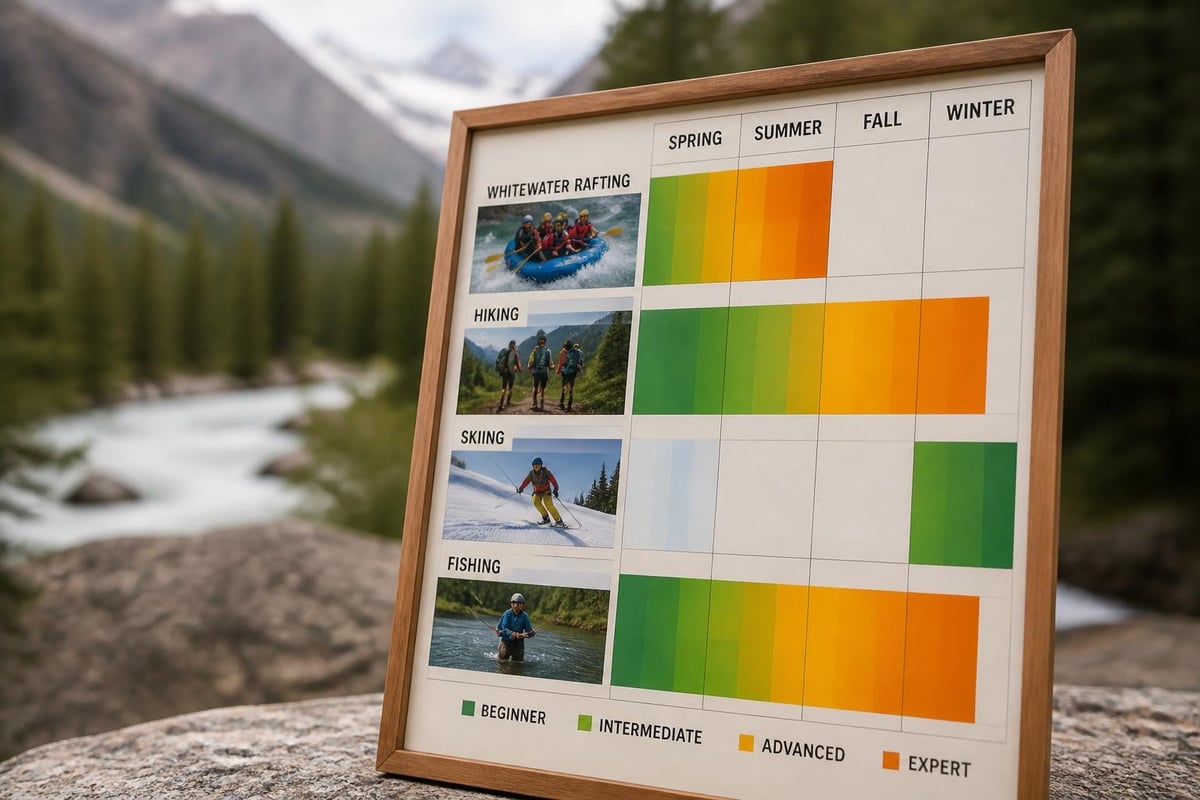
- Whitewater rafting on the Kennebec River: Class III-IV rapids through scenic gorges
- Hiking in Acadia National Park: 158 miles of trails with ocean views
- Sea kayaking: Explore coastal islands and hidden coves
- Moose watching: Northern regions offer prime viewing opportunities
- Fishing: Freshwater lakes and saltwater opportunities
The Kennebec River specifically offers some of New England's most exciting whitewater, with professional outfitters providing guided trips suitable for beginners through experts.
Cultural and Historical Attractions
Maine preserves centuries of American history through museums, historic sites, and cultural institutions. These attractions provide context for understanding the state's development and character.
According to National Geographic’s Maine travel guide, the state's cultural heritage spans Native American history, colonial settlement, maritime traditions, and industrial development.
Notable cultural experiences include:
- Maritime museum visits exploring shipbuilding and fishing heritage
- Historic lighthouse tours at over 60 working lighthouses
- Native American cultural centers and archaeological sites
- Art galleries featuring Maine landscape painters
- Historic home tours showcasing architectural evolution
Culinary Tourism
Maine's food scene extends far beyond lobster rolls, though those certainly deserve attention. The farm-to-table movement thrives here, with restaurants sourcing ingredients from local producers.
| Culinary Experience | Where to Find | Best Season |
|---|---|---|
| Lobster pounds | Coastal towns | June-October |
| Craft breweries | Statewide, concentrated in Portland | Year-round |
| Farmers markets | Every region | May-October |
| Wild blueberries | Downeast Maine | August |
| Maple syrup operations | Inland areas | March-April |
The state's culinary calendar follows agricultural seasons, with different products reaching peak quality throughout the year.
Lodging Options Across Price Points
Accommodation selection significantly impacts your Maine experience. The state offers diverse lodging types accommodating various budgets and preferences.
Traditional Hotels and Resorts
Full-service hotels concentrate in larger towns and tourist destinations. These properties provide predictable amenities, on-site dining, and concierge services that assist with activity planning.
Resort properties, particularly along the coast and near ski areas, bundle accommodations with recreation facilities. Many offer package deals combining lodging with activities or meals.
Vacation Rentals and Cottages
Rental homes and cottages provide privacy and kitchen facilities appealing to families and extended stays. Waterfront properties book earliest, requiring reservations up to a year in advance for peak summer weeks.
- Lakefront cottages: Privacy, swimming access, fishing
- Coastal rentals: Ocean views, beach proximity, seafood restaurants
- Mountain lodges: Hiking access, ski resort proximity, foliage viewing
Bed and Breakfasts and Inns
B&Bs and country inns offer personalized service and local knowledge from owner-operators. These properties typically include breakfast and provide insider recommendations for dining and activities.
Camping and RV Sites
Maine maintains excellent campground networks through state parks and private operators. Camping provides affordable access to natural areas, with sites ranging from primitive backcountry spots to full-hookup RV parks.
The Rough Guides travel resource notes that camping reservations for popular parks should be made several months ahead for summer weekends.
Transportation and Getting Around
Maine's rural character and dispersed attractions require transportation planning. Your maine visitors guide strategy should address how you'll navigate between destinations.
Arriving in Maine
Most visitors arrive by car, either their own vehicle or a rental. Portland International Jetport serves as the primary air gateway, with connections to major East Coast cities.
Bangor International Airport provides access to northern and eastern regions. Boston's Logan Airport, located 90 minutes south of Maine's border, offers more flight options for international travelers.
Driving Considerations
Maine's road network consists of interstate highways in southern areas, transitioning to two-lane roads through rural regions. Distances between destinations can be deceiving, as winding roads and lower speed limits extend travel times.
Driving tips:
- Calculate realistic travel times using actual route miles, not straight-line distances
- Fuel up regularly as gas stations become sparse in remote areas
- Watch for moose and deer especially during dawn and dusk hours
- Prepare for seasonal conditions including winter snow and spring mud season
- Download offline maps for areas with limited cell coverage
For planning your Maine trip, allow extra time for scenic stops and unexpected discoveries along the route.
Alternative Transportation
Limited public transportation operates in Maine outside the Portland metro area. Seasonal shuttles serve some resort towns and Acadia National Park during summer months.
Bicycle touring appeals to fit riders, though shoulder-less rural roads require caution. Organized bicycle tours provide support vehicles and planned routes on quieter backroads.
Practical Travel Tips and Resources
Successful Maine travel requires attention to practical details that enhance comfort and safety. These considerations help avoid common pitfalls.
What to Pack
Maine's weather varies significantly by season and region. Layered clothing proves essential regardless of travel dates, as temperatures fluctuate throughout the day.
Essential packing items:
- Weather-appropriate outerwear including rain gear
- Sturdy footwear for hiking and walking
- Sun protection even during cool weather
- Insect repellent for woods and wetland areas May through September
- Cash for small-town businesses and roadside stands

Money and Budgeting
Maine accommodates various budget levels, though coastal areas command premium pricing during summer. Strategic planning helps control costs without sacrificing experience quality.
Budget stretching strategies include:
- Visiting during shoulder seasons for lower accommodation rates
- Preparing some meals using local ingredients from markets
- Taking advantage of free activities like beach days and hiking
- Choosing inland destinations over premium coastal towns
- Booking midweek stays when possible
Credit cards are accepted widely, but smaller establishments and seasonal operations may prefer cash. ATMs are available in towns but sparse in remote areas.
Health and Safety
Maine presents minimal safety concerns for travelers using common sense. Wilderness areas require proper preparation including navigation tools, sufficient water, and emergency supplies.
Tick-borne illnesses including Lyme disease occur in Maine. Preventive measures include wearing long pants when hiking, using insect repellent, and conducting tick checks after outdoor activities.
Cell phone coverage varies significantly, with reliable service in populated areas and dead zones in remote regions. Inform others of your itinerary when exploring backcountry areas.
Making the Most of Your Visit
Strategic planning transforms a good Maine vacation into an exceptional one. These tips help maximize your experience regardless of trip length.
Advance Planning Elements
The Digital Guidebook provides comprehensive information about Kennebec Valley attractions, helping you organize your itinerary efficiently. Review resources several months before traveling to secure preferred dates and activities.
Timeline for major bookings:
| Item | Recommended Advance Time |
|---|---|
| Peak summer lodging | 6-9 months |
| Whitewater rafting trips | 2-3 months |
| Popular restaurant reservations | 2-4 weeks |
| Acadia camping sites | 2 months when reservations open |
| Ski resort lodging | 3-6 months |
Building a Balanced Itinerary
Avoid overscheduling by limiting daily activities to two or three major experiences. Maine rewards slower travel with opportunities for spontaneous discoveries and relaxation.
Mix activity types throughout your trip:
- Alternate high-energy days with relaxed exploration
- Combine popular attractions with off-the-beaten-path experiences
- Include unstructured time for spontaneous stops
- Balance outdoor activities with cultural attractions
- Plan indoor options for rainy day alternatives
Consider geographic clustering to minimize driving. Establish a base location and explore surrounding areas through day trips rather than moving accommodations frequently.
Local Etiquette and Environmental Stewardship
Respect for local communities and natural environments ensures positive experiences for all visitors. Maine residents welcome tourists who demonstrate consideration for their home.
Practice Leave No Trace principles when recreating outdoors. Pack out all trash, stay on designated trails, and minimize impact on sensitive ecosystems.
Support local businesses rather than exclusively patronizing chain establishments. Small-town restaurants, shops, and service providers depend on tourism revenue and offer more authentic experiences.
Connecting with Local Knowledge
Mainers possess extensive knowledge about their regions. Don't hesitate to ask locals for recommendations on dining, activities, or hidden gems. Hospitality runs deep in Maine culture, and residents generally enjoy sharing their favorite spots.
Tourism information centers located throughout the state provide free maps, brochures, and personalized assistance. Staff members offer current conditions updates and insider tips that enhance your visit.
The Maine Tourism Association maintains comprehensive planning resources including downloadable guides and maps that complement any maine visitors guide.
Seasonal Events and Festivals
Maine's event calendar spans year-round celebrations of culture, food, and heritage. Timing your visit to coincide with festivals adds memorable experiences to your itinerary.
Summer Festival Season
Warm months bring abundant festivals celebrating everything from lobsters to blueberries. These events showcase Maine's agricultural bounty and artistic creativity.
Notable summer events:
- Maine Lobster Festival (August, Rockland)
- Yarmouth Clam Festival (July, Yarmouth)
- Arcady Music Festival (July-August, Bar Harbor)
- Common Ground Country Fair (September, Unity)
- Fryeburg Fair (October, Fryeburg)
Regional festivals occur in smaller communities throughout summer, often featuring local musicians, artisan crafts, and traditional foods.
Winter Celebrations
Cold weather brings its own festival season focused on winter sports, ice sculptures, and holiday traditions. These events draw hardy locals and visitors who embrace winter's challenges.
Snowmobile clubs host rallies and poker runs. Ski resorts schedule terrain park competitions and après-ski concerts. Holiday markets and light displays brighten the darkest months.
Spring and Fall Transitions
Shoulder season events celebrate seasonal changes and traditional activities. Maple syrup festivals in March welcome spring with sugarhouse tours and pancake breakfasts. Fall festivals embrace harvest themes with cider pressing, pumpkin patches, and hayrides.
According to Fodor’s Maine guide, planning around specific events requires checking exact dates annually, as schedules shift year to year.
Creating Your Personal Maine Experience
The best maine visitors guide adapts to individual preferences rather than prescribing a single ideal itinerary. Consider what types of experiences resonate most strongly with your travel style.
Adventure Seekers
Active travelers find endless opportunities in Maine's terrain. Focus your planning on outdoor activities with cultural experiences as complementary elements.
Build itineraries around specific activities:
- Base near whitewater rafting centers for multi-day river trips
- Select mountain towns providing hiking access and ski opportunities
- Choose campgrounds in state parks and natural areas
- Schedule guided experiences like sea kayaking or rock climbing
- Allow flexibility for weather-dependent activities
Cultural and Historical Enthusiasts
History buffs and culture seekers should concentrate on museum-rich areas and historic towns. The Kennebec Valley offers significant historical sites alongside natural beauty, providing balanced experiences.
Augusta’s historic attractions include the State House, Maine State Museum, and Fort Western, creating a concentrated cultural destination.
Relaxation-Focused Travelers
Those seeking rest and rejuvenation should prioritize peaceful settings with spa facilities, water access, and low-key activities. Coastal cottages and lakeside resorts provide tranquil bases for unstructured days.
Plan minimal daily commitments, allowing spontaneity and rest. Include simple pleasures like reading on the beach, sunset watching, and leisurely meals featuring local seafood.
Family Travel
Families require diverse activities accommodating various ages and interests. Maine excels at family-friendly experiences combining education with entertainment.
Top family considerations:
- Lodging with kitchen facilities for flexible meal timing
- Destinations with multiple activity options for varied interests
- Mix of free and paid attractions to control costs
- Educational experiences that engage children naturally
- Downtime between activities to prevent overstimulation
Beaches, easy hiking trails, wildlife viewing, and hands-on museums keep children engaged while providing enjoyable experiences for adults.
Planning a Maine vacation requires balancing diverse interests, seasonal considerations, and logistical details to create memorable experiences across this geographically varied state. The Kennebec Valley Tourism Council offers comprehensive resources and expert guidance to help you navigate planning complexities, from selecting ideal accommodations to timing outdoor adventures perfectly. Whether you're drawn to rushing rivers, historic downtowns, or peaceful lakeshores, Kennebec Valley Tourism Council provides the tools and local knowledge to transform your Maine journey from ordinary to extraordinary.