
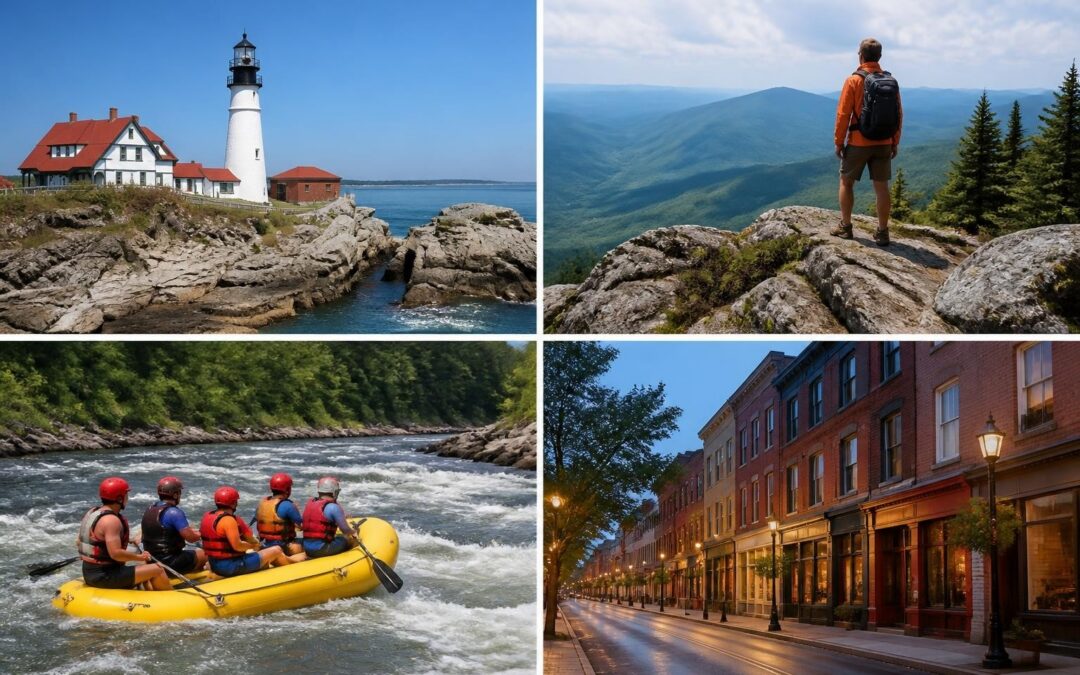
Planning a journey to Maine requires more than just booking accommodation and packing bags. This comprehensive maine trip guide will help you navigate the Pine Tree State's diverse regions, seasonal attractions, and unique experiences that make it one of New England's most captivating destinations. From rugged coastlines to pristine wilderness, historic towns to vibrant cultural scenes, Maine offers travelers an abundance of opportunities for adventure and relaxation. To view our official visitors guide click here.
Understanding Maine's Geographic Regions
Maine spans over 35,000 square miles, making it the largest state in New England. Understanding its distinct regions helps travelers create efficient itineraries and experience the state's full diversity.
Coastal Maine and Island Communities
The Maine coast stretches 228 miles as the crow flies, but the actual tidal shoreline measures approximately 3,500 miles when accounting for every inlet and peninsula. This dramatic coastline features iconic lighthouses, working harbors, and picturesque towns that have attracted visitors for generations.
Popular coastal destinations include Portland, Kennebunkport, Camden, and Bar Harbor. Each community offers distinct character, from Portland's thriving food scene to Bar Harbor's proximity to Acadia National Park. According to National Geographic, the coastal region provides opportunities for sailing, lobster boat tours, and exploring rocky beaches.
Key coastal activities include:
- Lighthouse tours along scenic byways
- Fresh seafood dining experiences
- Island hopping via ferry services
- Kayaking in protected coves
- Whale watching excursions
Central Maine's River Valleys
The Kennebec Valley represents Maine's heartland, where rivers carve through forested landscapes and historic mill towns preserve New England's industrial heritage. This region offers a different perspective on Maine, focusing on outdoor recreation, cultural attractions, and authentic small-town experiences.
Visitors to central Maine discover excellent whitewater rafting, extensive hiking trail systems, and communities that celebrate both history and contemporary arts. The area provides a perfect base for exploring Maine's interior while maintaining accessibility to coastal and mountain regions.
Seasonal Planning for Your Maine Adventure
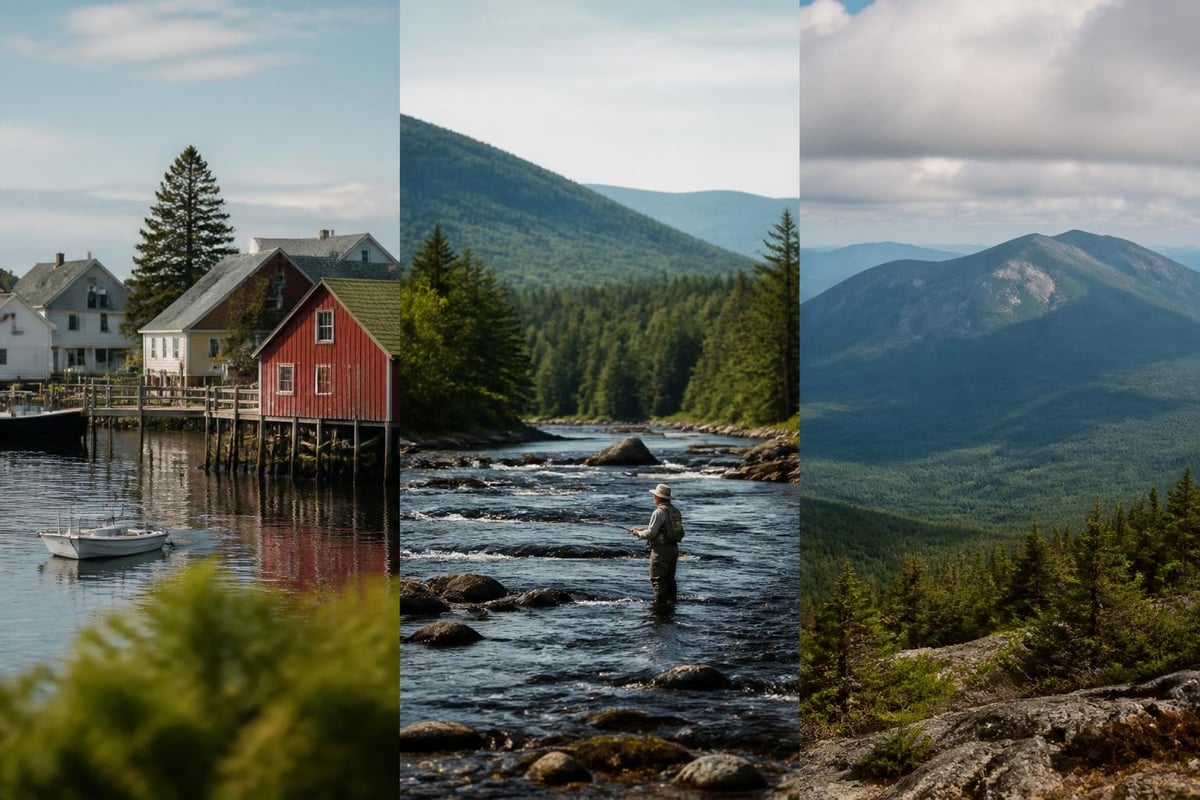
Creating an effective maine trip guide requires understanding how dramatically seasons transform the state's landscape and available activities. Each season presents unique advantages and considerations for travelers.
Summer: Peak Season Opportunities
Summer remains Maine's busiest travel season, with July and August bringing warm temperatures and extended daylight hours. Coastal temperatures typically range from 70-80°F, while inland areas can reach the mid-80s.
| Summer Advantage | Planning Consideration |
|---|---|
| All attractions open | Higher accommodation costs |
| Warmest water temperatures | Crowded popular destinations |
| Outdoor festivals and events | Advance reservations essential |
| Extended business hours | Traffic congestion in tourist areas |
The AFAR travel guide emphasizes that summer visitors should book accommodations at least 2-3 months in advance for coastal destinations. However, central Maine often maintains better availability and more affordable options during peak season.
Fall Foliage and Harvest Season
September through October transforms Maine into a spectacular display of autumn colors. Foliage season draws photographers and nature enthusiasts who time their visits to coincide with peak color, typically occurring from late September in northern regions to mid-October along the coast.
Fall travel benefits:
- Reduced crowds compared to summer
- Comfortable hiking temperatures
- Harvest festivals and agricultural events
- Lower accommodation rates
- Excellent fishing opportunities
The state's apple orchards, pumpkin patches, and farmers markets reach their peak during autumn. Many travelers combine foliage viewing with visits to local farms and cideries that celebrate the harvest season.
Winter Sports and Activities
Maine's winter season offers exceptional skiing, snowboarding, snowmobiling, and ice fishing from December through March. Sugarloaf and Sunday River rank among the Northeast's premier ski destinations, while the state maintains over 14,000 miles of snowmobile trails.
Winter provides opportunities for budget-conscious travelers, with significantly reduced accommodation rates outside holiday periods. The season also showcases Maine's cozy side, with warm hospitality, comfort food, and indoor cultural attractions taking center stage.
Essential Stops in the Kennebec Valley
Any comprehensive maine trip guide should highlight the Kennebec Valley, where Maine's authentic character shines through diverse attractions and outdoor recreation opportunities.
Augusta: Maine's Capital City
Augusta serves as both the state capital and a cultural hub for central Maine. The Maine State Museum provides excellent context for understanding the state's natural and cultural history, while the Capitol building offers free tours showcasing neoclassical architecture.
The city's riverfront has undergone significant revitalization, creating public spaces for recreation and community events. Visitors often combine Augusta explorations with nearby Belgrade Lakes region activities or Kennebec River water sports.
Waterville and the Arts Scene
Waterville has emerged as an unexpected arts destination, thanks to the Colby College Museum of Art's world-class collection and innovative exhibitions. The museum houses over 9,000 objects, including significant American art holdings and contemporary installations.
Downtown Waterville features the Maine International Film Festival, an annual event that attracts filmmakers and cinema enthusiasts from across the country. The city's compact downtown makes it ideal for walking tours of historic architecture and local eateries.
Outdoor Recreation Headquarters
The Kennebec River provides Maine's premier whitewater rafting experiences, with commercial outfitters offering guided trips through dramatic gorges and Class III-V rapids. The rafting season runs from late April through October, with different water levels creating varied experiences throughout the season.
Popular outdoor activities in the region:
- Whitewater rafting on the Kennebec and Dead Rivers
- Hiking in the Bigelow Range
- Mountain biking on extensive trail networks
- Fishing for brook trout and landlocked salmon
- Winter skiing and snowmobiling

Practical Travel Logistics
Understanding transportation options, accommodation strategies, and budget planning ensures a smooth Maine experience.
Getting to and Around Maine
Portland International Jetport serves as Maine's primary airport, with connections to major East Coast hubs and limited direct service to other regions. Boston's Logan Airport, located two hours south, often provides more flight options and competitive pricing for travelers willing to make the drive.
According to BootsnAll’s Maine guide, rental cars provide the most flexibility for exploring beyond urban centers. Maine's rural character means public transportation options remain limited outside Portland and a few other cities.
Transportation considerations:
- Rental car essential for multi-region exploration
- Seasonal bus service connects major coastal towns
- Ferry services operate to islands and peninsulas
- Bike rentals available in tourist destinations
- Winter travel requires vehicles with snow capability
Accommodation Options and Strategies
Maine offers diverse lodging from luxury resorts to rustic campgrounds, with pricing varying dramatically by region and season. Coastal properties command premium rates during summer, while inland locations provide better value year-round.
| Accommodation Type | Price Range (Summer) | Best For |
|---|---|---|
| Budget motels | $80-$120 | Road trippers, budget travelers |
| Mid-range inns | $150-$250 | Couples, small families |
| Vacation rentals | $200-$500+ | Groups, extended stays |
| Luxury resorts | $400-$800+ | Special occasions, full-service experience |
| Campgrounds | $25-$60 | Outdoor enthusiasts, families |
Visitors seeking comprehensive planning resources should explore the Official Visitors Guide, which provides detailed information on lodging, dining, and activities throughout the Kennebec Valley region.
Culinary Experiences and Local Flavors
No maine trip guide would be complete without addressing the state's renowned food scene, which extends far beyond lobster rolls and blueberry pie.
Seafood and Maritime Cuisine
Maine's seafood reputation rests on sustainable fishing practices and generations of maritime tradition. Lobster remains the signature dish, prepared in countless variations from simple boiled presentations to elaborate lobster mac and cheese.
Fodor’s Maine guide recommends seeking out lobster shacks and seafood markets where fishing families operate the businesses, ensuring fresh catches and authentic preparations. Clams, scallops, mussels, and various fish species round out the seafood offerings.
Farm-to-Table Movement
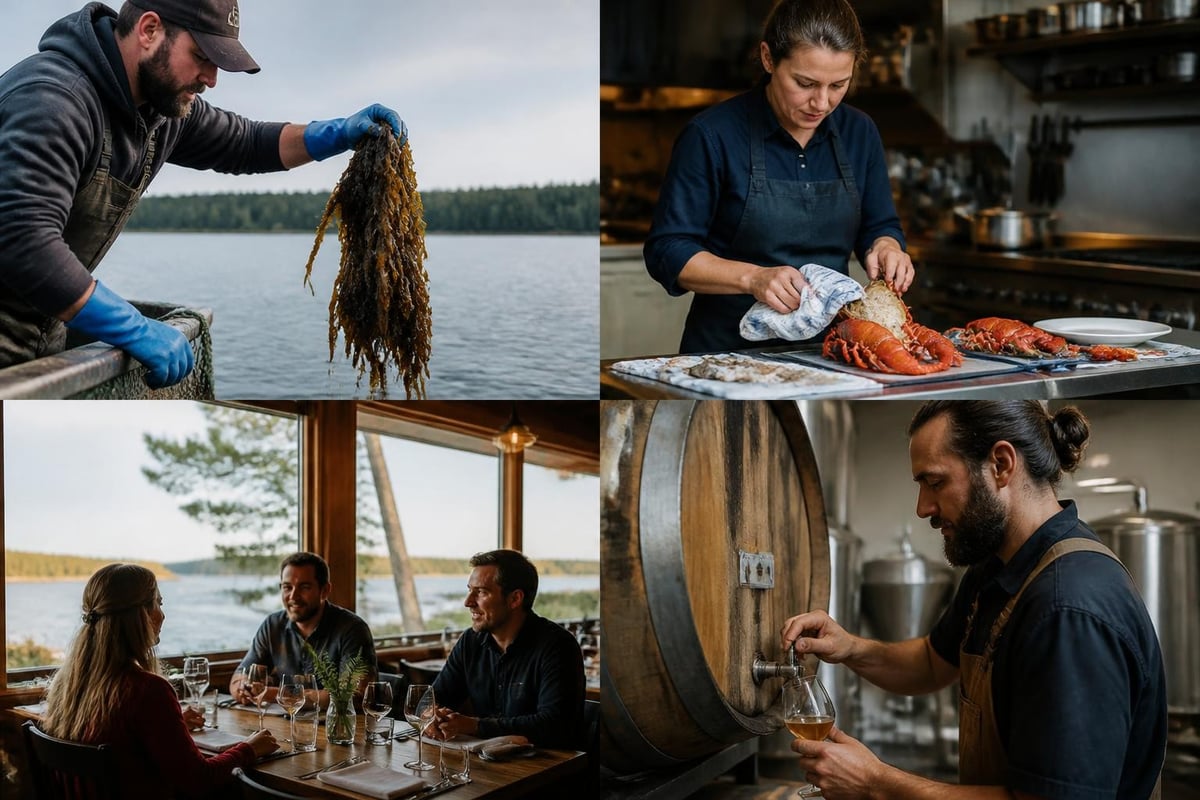
Maine's agricultural renaissance has created a robust farm-to-table dining scene, particularly in Portland, the Kennebec Valley, and other progressive communities. Restaurants partner directly with local farms, creating seasonal menus that showcase Maine's produce, meats, and dairy products.
The state's craft beverage industry has expanded rapidly, with over 150 craft breweries, numerous distilleries, and a growing wine industry. Many establishments offer tours and tastings, providing insight into Maine's artisanal production methods.
Regional Specialties
Beyond seafood, Maine's culinary landscape includes unique regional items:
- Whoopie pies – the official state treat
- Italian sandwiches – Portland's submarine sandwich tradition
- Fiddleheads – foraged spring delicacy
- Wild blueberries – smaller and more flavorful than cultivated varieties
- Maple syrup – produced throughout rural Maine
Cultural Attractions and Historical Sites
Maine's cultural landscape reflects its maritime heritage, industrial history, and artistic communities that have flourished in the state's inspiring natural settings.
Museums and Historical Landmarks
The Portland Museum of Art houses the state's finest art collection, with significant holdings of Winslow Homer works and American and European paintings. The Farnsworth Art Museum in Rockland specializes in Maine-related art, including extensive Andrew Wyeth collections.
Historic sites throughout the state preserve different eras of Maine's development. Fort Knox State Historic Site in Prospect offers insight into 19th-century coastal defense, while the Old Gaol Museum in York displays one of America's oldest British public buildings in the colonies.
Festivals and Annual Events
Maine's event calendar provides opportunities to experience local culture and traditions. Summer brings numerous festivals celebrating everything from lobsters to blueberries to maritime heritage. The Kennebec Valley hosts several notable events, including bluegrass festivals and cultural celebrations that showcase the region's diversity.
Travelers can explore upcoming events to align their visits with specific festivals or activities that match their interests. Many communities host weekly farmers markets during warmer months, offering local products and live entertainment.
Literary and Artistic Heritage
Maine has inspired countless authors, from Henry Wadsworth Longfellow to Stephen King. The state maintains several writers' homes as museums, while contemporary authors continue drawing inspiration from Maine's landscapes and communities.
Art galleries proliferate in coastal towns and cultural centers, featuring works from resident artists who capture Maine's distinctive light, seascapes, and rural character. Many galleries offer artist talks, workshops, and opportunities to meet creators.
Outdoor Recreation Deep Dive
Maine's outdoor recreation opportunities rank among its primary attractions, with activities suited for various skill levels and interests.
Hiking Trail Systems
Maine maintains over 6,000 miles of hiking trails, from easy nature walks to challenging mountain ascents. The Appalachian Trail's northern terminus sits atop Mount Katahdin in Baxter State Park, creating a pilgrimage destination for through-hikers and day visitors alike.
The state's trail networks include:
- Acadia National Park – 158 miles of trails with ocean views
- Bigelow Range – challenging peaks with alpine environments
- Camden Hills – moderate hikes with coastal panoramas
- Grafton Notch – waterfalls and scenic gorges
- Local nature preserves – accessible walks near communities
Water-Based Activities
With its extensive coastline, numerous lakes, and major rivers, Maine excels in water recreation. Kayaking opportunities range from protected bays ideal for beginners to challenging open-water expeditions requiring advanced skills.
The Rough Guides overview notes that Maine's rivers offer varied paddling experiences, from gentle family floats to technical whitewater challenges. Stand-up paddleboarding has gained popularity on calm lakes and harbors throughout the state.
Wildlife Viewing Opportunities
Maine supports diverse wildlife populations, creating exceptional viewing opportunities. Moose sightings occur frequently in northern and western regions, particularly during early morning and evening hours. The state's puffin colonies on offshore islands attract bird enthusiasts from around the world.
Prime wildlife viewing locations:
- Moosehead Lake region for moose
- Monhegan Island for puffins and seabirds
- Cobscook Bay for eagles and shorebirds
- Acadia for peregrine falcons
- Coastal waters for seals and porpoises
Budget Planning and Money-Saving Strategies
Creating a realistic budget helps travelers maximize their Maine experience while managing costs effectively.
Cost Categories and Estimates
Maine travel costs vary significantly based on region, season, and travel style. Coastal destinations during peak season command the highest prices, while inland areas and shoulder seasons offer better value.
| Daily Budget Category | Budget Range | Mid-Range | Luxury |
|---|---|---|---|
| Accommodation | $50-$80 | $150-$250 | $400+ |
| Meals | $40-$60 | $80-$120 | $150+ |
| Activities | $20-$40 | $60-$100 | $150+ |
| Transportation | $30-$50 | $50-$80 | $100+ |
Many of Maine's best experiences cost little or nothing, including beach access, hiking trails, and scenic drives along coastal routes or through mountain regions.
Free and Low-Cost Activities
Budget-conscious travelers can enjoy Maine without significant expense by prioritizing free attractions and self-guided experiences. State parks charge modest day-use fees, while many beaches remain public access.
The Go Travel Maine resource provides regional breakdowns that help travelers identify free attractions and budget-friendly options throughout the state. Picnicking with local market purchases, self-guided walking tours, and beach activities provide rich experiences without admission costs.
Money-Saving Travel Tips
Experienced Maine visitors employ several strategies to reduce costs:
- Visit during shoulder seasons for lower rates
- Book accommodations with kitchen facilities to prepare meals
- Purchase lobster and seafood from markets rather than restaurants
- Take advantage of free museum days and outdoor concerts
- Camp in state parks or private campgrounds
- Explore Maine must-sees that don't require admission fees
Specialized Interest Travel
Maine accommodates niche interests ranging from genealogy research to photography expeditions, allowing travelers to customize experiences around specific passions.
Photography Destinations
Maine's dramatic landscapes, changing seasons, and maritime scenes create exceptional photography opportunities. Coastal sunrise shots from rocky promontories rank among the most sought-after images, while autumn foliage provides vibrant color compositions.
Professional and amateur photographers frequent locations like Portland Head Light, Pemaquid Point, and Acadia's Cadillac Mountain for iconic Maine imagery. Less-known locations throughout the Kennebec Valley offer equally compelling subjects without the crowds.
Family Travel Considerations
Maine welcomes families with children through attractions designed for various age groups. Beaches with gentle waves, nature centers with interactive exhibits, and seasonal activities like berry picking create memorable family experiences.
Family-friendly highlights:
- Children's museums in Portland and Augusta
- Easy hiking trails with natural features
- Lobster boat tours with educational components
- State park beach areas with facilities
- Miniature golf and amusement attractions
Solo and Adventure Travel
Solo travelers appreciate Maine's safe communities, friendly locals, and opportunities for both solitude and social connection. Hostels, group tours, and activity-based gatherings facilitate meeting fellow travelers.
Adventure seekers find Maine's wilderness areas ideal for backcountry camping, technical rock climbing, and multi-day paddling expeditions. Proper preparation, appropriate gear, and awareness of weather conditions ensure safe adventures in remote locations.
Sustainable and Responsible Travel
Protecting Maine's natural resources and supporting local communities enhances the travel experience while preserving destinations for future visitors.
Environmental Conservation Practices
Maine's tourism industry increasingly emphasizes sustainability, with businesses adopting eco-friendly practices and travelers seeking ways to minimize their environmental impact. Leave No Trace principles apply to all outdoor activities, particularly in fragile coastal and alpine environments.
Responsible outdoor recreation includes:
- Staying on marked trails to prevent erosion
- Properly disposing of waste in designated facilities
- Respecting wildlife viewing distances
- Supporting conservation organizations
- Choosing eco-certified accommodations and tour operators
Supporting Local Economies
Directing tourism dollars toward locally owned businesses strengthens Maine communities and provides authentic experiences. Small-town restaurants, independent shops, and family-run attractions depend on visitor support to maintain operations.
Purchasing directly from artisans, farmers, and producers ensures fair compensation while acquiring unique Maine-made products. Many travelers find these interactions highlight their trips, providing personal connections and insight into local life.
Planning a successful Maine adventure requires understanding the state's diverse regions, seasonal variations, and wealth of attractions that appeal to varied interests and budgets. Whether you're seeking coastal beauty, outdoor adventures, cultural experiences, or culinary discoveries, this maine trip guide provides the foundation for creating memorable journeys. The Kennebec Valley Tourism Council offers comprehensive resources to help you explore Maine's heartland, where authentic experiences, natural beauty, and warm hospitality combine to showcase the best of the Pine Tree State.