
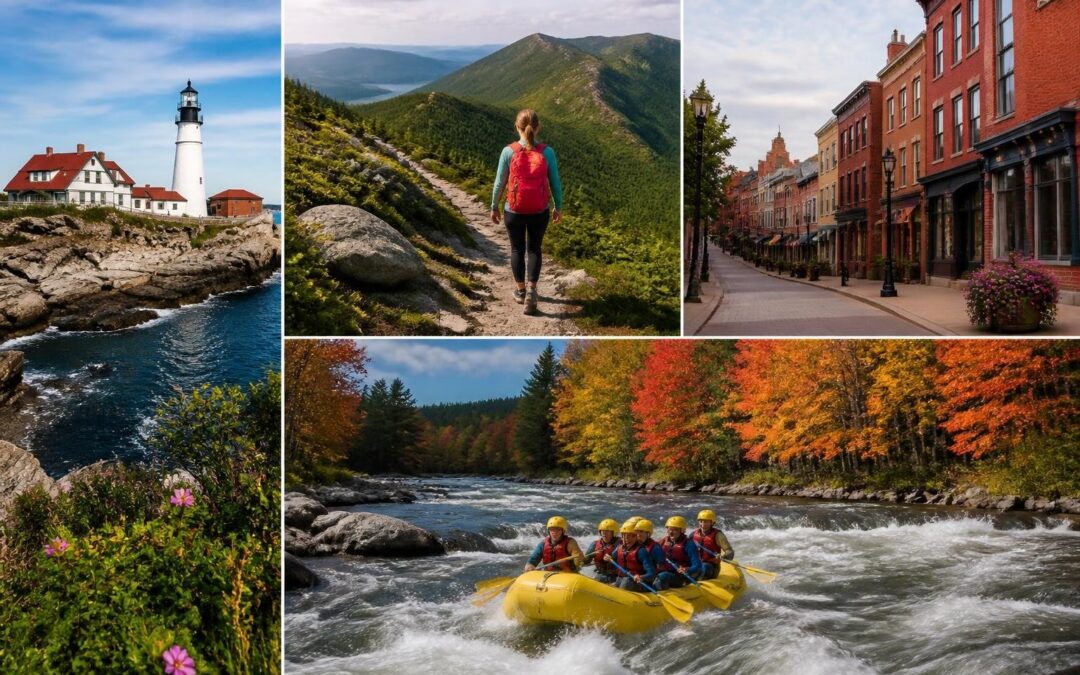
Maine stands as one of America's most distinctive travel destinations, offering visitors an unmatched combination of rugged coastal beauty, pristine wilderness, vibrant cultural scenes, and welcoming communities. Whether you're seeking outdoor adventures, culinary experiences, historical exploration, or peaceful retreats, this comprehensive maine tourism guide provides everything you need to plan an unforgettable journey through the Pine Tree State. From understanding the best times to visit to discovering hidden gems throughout the region, travelers will find Maine delivers experiences that create lasting memories across all seasons. To view our official visitors guide click here.
Understanding Maine's Geographic Regions
Maine's vast landscape divides into distinct regions, each offering unique attractions and experiences that appeal to different traveler interests.
The state's geographic diversity creates opportunities for varied itineraries within a single trip. Coastal Maine draws millions annually with its rocky shores, historic lighthouses, and charming harbor towns. The Mid-Coast region features iconic destinations like Camden and Rockland, while Down East Maine offers more remote coastal experiences.
Central Maine's Hidden Treasures
Central Maine, including the Kennebec Valley, represents an often-overlooked treasure within any comprehensive maine tourism guide. This region combines outdoor recreation with authentic New England charm.
Key Features of Central Maine:
- Whitewater rafting on the Kennebec and Dead Rivers
- Extensive hiking and mountain biking trail networks
- Historic architecture in Augusta and Waterville
- Farm-to-table dining experiences
- Authentic cultural festivals throughout the year
The Kennebec Valley region provides particularly strong value for travelers seeking authentic experiences away from crowded coastal areas. State parks, working farms, and local artisan communities create an intimate connection with Maine's heritage.
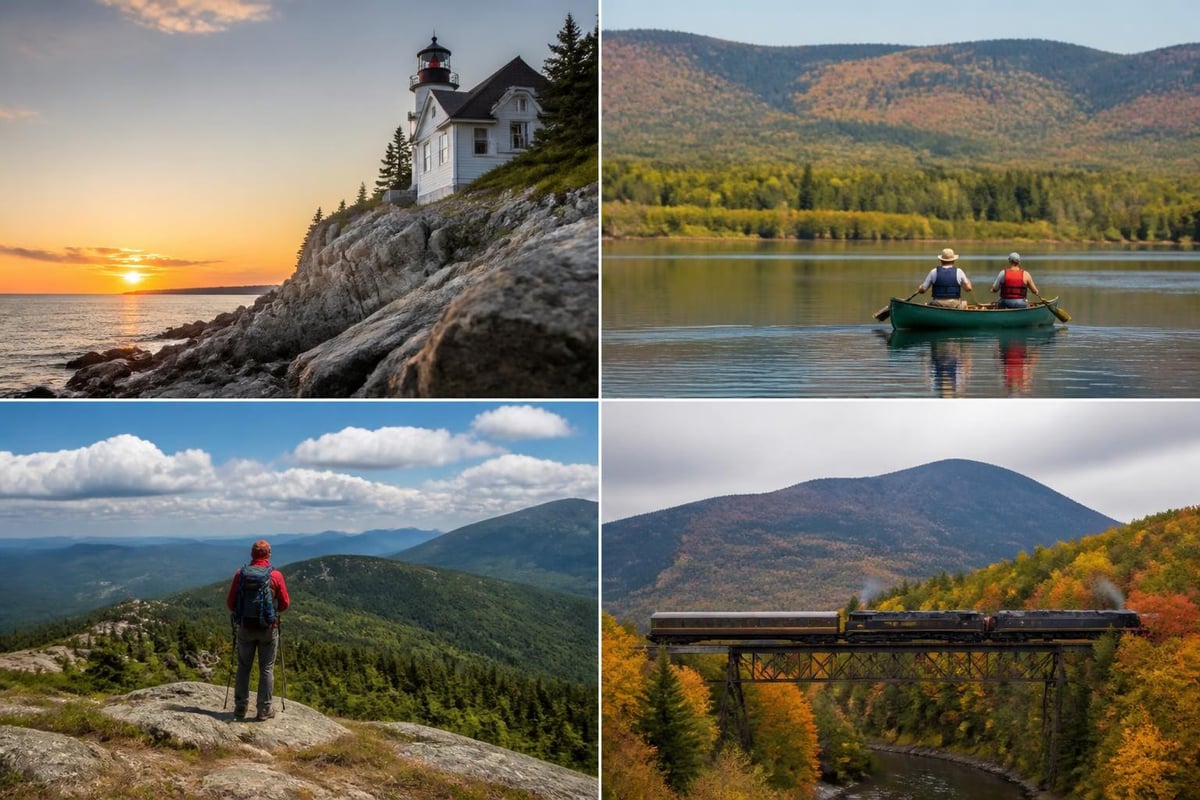
Northern and Western Maine Wilderness
Northern Maine offers some of the most remote wilderness experiences in the eastern United States. Baxter State Park, home to Mount Katahdin, attracts serious hikers and backcountry enthusiasts.
Western Maine's mountains provide year-round recreation. Winter brings skiing and snowboarding, while summer months offer hiking, mountain biking, and lake activities.
| Region | Best For | Peak Season | Typical Visit Duration |
|---|---|---|---|
| Coastal Maine | Lighthouses, seafood, beaches | June-September | 3-5 days |
| Kennebec Valley | Rafting, hiking, culture | May-October | 2-4 days |
| Northern Maine | Wilderness, solitude | July-September | 4-7 days |
| Western Mountains | Skiing, lakes, hiking | December-March, June-August | 3-5 days |
Planning Your Visit: Seasonal Considerations
Timing significantly impacts your Maine experience, with each season offering distinct advantages for different activities and interests.
Summer Season Excellence
Summer (June through August) represents peak tourism season across Maine. Coastal temperatures remain comfortable, typically ranging from 65 to 75 degrees, while inland areas can reach the 80s.
Summer Advantages:
- All attractions and accommodations fully operational
- Optimal weather for water activities
- Festival and event calendar at its fullest
- Extended daylight hours for exploration
- Best conditions for camping and hiking
However, summer also brings the largest crowds and highest prices. Advanced reservations become essential for popular destinations and activities.
Fall Foliage Magic
September through October delivers Maine's legendary fall foliage, creating one of nature's most spectacular displays. The Maine Office of Tourism provides weekly foliage reports to help visitors time their trips perfectly.
Peak foliage typically occurs in early October in northern regions and mid-October in southern areas. Temperatures cool to the 50s and 60s, creating ideal conditions for hiking and scenic driving.
This maine tourism guide recommends fall visits for photographers, leaf-peepers, and anyone seeking fewer crowds than summer while maintaining excellent weather conditions.
Winter Adventures
Winter transforms Maine into a paradise for cold-weather enthusiasts. Skiing, snowboarding, snowmobiling, and ice fishing attract visitors from December through March.
Inland areas receive substantial snowfall, while coastal regions experience milder but still wintry conditions. Winter rates at lodging properties drop significantly, offering budget-conscious travelers excellent value.
Spring Renewal
Spring (April through May) brings mud season to many areas, creating challenges for some outdoor activities. However, this shoulder season offers dramatic discounts, minimal crowds, and unique experiences like witnessing wildlife emergence and spring migrations.
Late May typically marks the beginning of better weather and the start of rafting season on Maine's rivers, where snowmelt creates thrilling whitewater conditions.
Essential Maine Attractions and Activities
Every effective maine tourism guide must highlight the state's diverse array of attractions that appeal to various interests and age groups.
Outdoor Recreation Opportunities
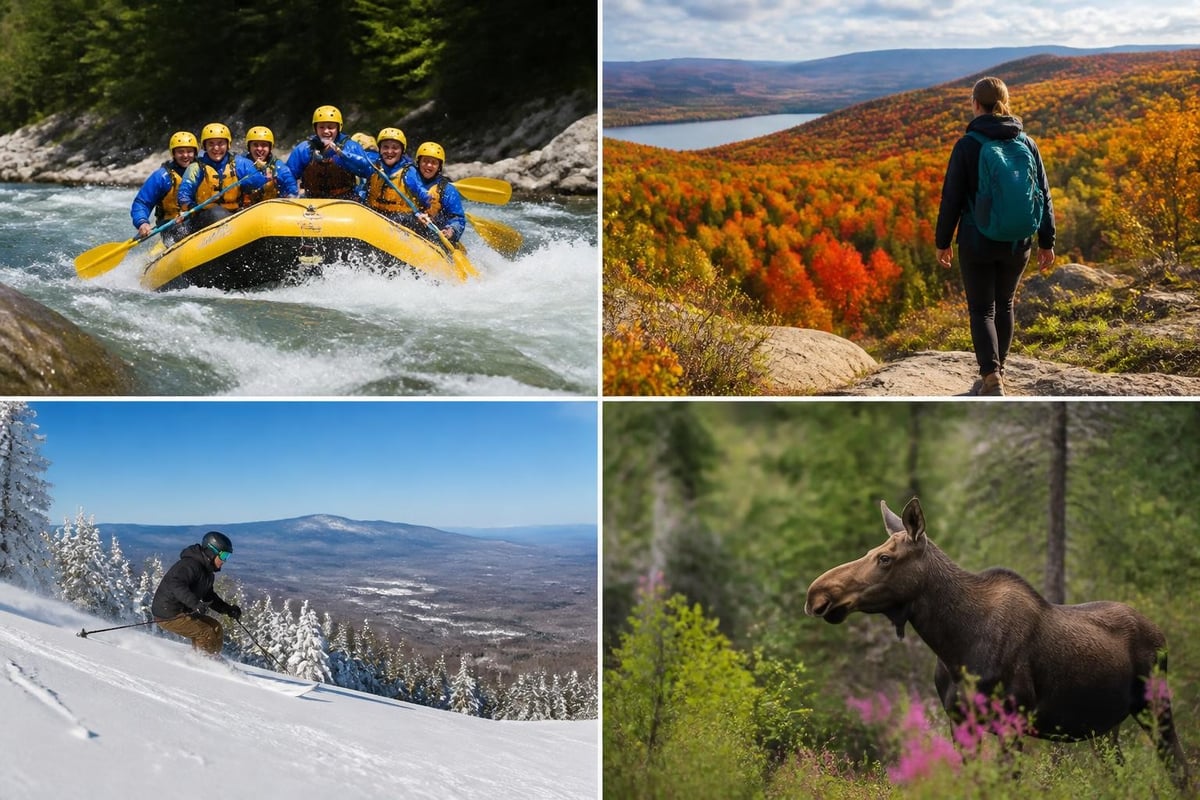
Maine's natural landscape provides endless outdoor adventure possibilities. The state maintains over 600,000 acres of public lands, creating abundant opportunities for exploration.
Top Outdoor Activities:
- Whitewater Rafting – The Kennebec and Dead Rivers offer Class III-V rapids
- Hiking – Over 14,000 miles of marked trails, including the Appalachian Trail terminus
- Kayaking and Canoeing – Thousands of lakes and coastal paddling routes
- Fishing – World-class opportunities for brook trout, landlocked salmon, and striped bass
- Wildlife Watching – Moose, eagles, seals, and whale watching expeditions
For those planning a trip to Maine focused on outdoor adventure, the Kennebec Valley provides exceptional rafting experiences combined with hiking, fishing, and mountain biking options.
Cultural and Historical Experiences
Maine's cultural heritage extends back centuries, with museums, historic sites, and living history experiences throughout the state.
The Maine Maritime Museum in Bath explores the state's shipbuilding legacy. Historic homes and museums in various communities preserve stories of early settlers, industrial development, and cultural evolution.
| Attraction Type | Examples | Best Location | Typical Cost |
|---|---|---|---|
| Maritime Museums | Maine Maritime Museum, Penobscot Marine Museum | Coastal regions | $15-20 |
| Art Museums | Portland Museum of Art, Colby College Museum | Cities | $10-18 |
| Historic Sites | Colonial Pemaquid, Fort Knox | Statewide | $5-12 |
| Living History | Norlands Living History Center | Central Maine | $8-15 |
Culinary Tourism
Maine's food scene has evolved dramatically in recent years, elevating traditional offerings while embracing farm-to-table innovation.
Lobster remains the iconic Maine food experience. However, this maine tourism guide encourages visitors to explore beyond lobster rolls to discover craft breweries, artisan cheese makers, award-winning restaurants, and farmers markets.
The state's craft beverage industry includes over 150 breweries, numerous distilleries, and emerging wineries. Many offer tours and tastings, creating engaging experiences that combine education with enjoyment.
Practical Travel Planning Information
Successful Maine visits require understanding logistical considerations and utilizing available resources effectively.
Getting to and Around Maine
Maine's primary airport, Portland International Jetport, serves as the gateway for most air travelers. Bangor International Airport provides access to central and northern regions.
Driving remains the most practical way to explore Maine thoroughly. Interstate 95 runs the length of the state, while scenic routes like Route 1 along the coast offer more leisurely experiences with numerous attractions.
The Maine Tourism Association provides comprehensive travel planning resources, including state highway maps and route suggestions that help visitors navigate efficiently.
Transportation Tips:
- Rental cars offer greatest flexibility for regional exploration
- Some coastal towns provide shuttle services during summer
- Plan for longer drive times on scenic coastal routes
- Winter driving requires preparation for snow and ice conditions
- Gas stations become sparse in remote northern areas
Accommodation Options
Maine offers lodging options across all budget ranges and style preferences.
Traditional options include historic inns, bed and breakfasts, oceanfront resorts, and budget motels. Camping and RV facilities provide outdoor enthusiasts with affordable alternatives, while vacation rentals serve families and groups seeking home-like amenities.
Booking well in advance becomes essential for summer and fall foliage season, particularly for coastal properties and popular tourist towns. Central Maine locations often provide better last-minute availability and more reasonable rates.
Making the Most of Visitor Resources
The Maine Tourism Association maintains visitor centers throughout the state, staffed with knowledgeable personnel who provide personalized recommendations, maps, and current information on attractions and events.
These centers stock brochures from accommodations, attractions, and restaurants, helping travelers discover options they might otherwise miss. Many also offer reservation assistance and answer questions about road conditions, weather, and seasonal considerations.
Digital resources complement physical visitor centers. Official state tourism websites provide up-to-date information on events, attractions, and travel conditions. Mobile apps help travelers navigate, find nearby attractions, and access emergency information.
Regional Deep Dive: The Kennebec Valley Experience
While comprehensive maine tourism guides cover the entire state, the Kennebec Valley deserves special attention for its unique combination of outdoor adventure, cultural richness, and authentic Maine character.
Adventure Capital of Maine
The Kennebec River corridor has earned recognition as one of North America's premier whitewater rafting destinations. Spring runoff creates thrilling Class III-V rapids that attract adventure seekers from across the country.
Beyond rafting, the valley offers extensive trail systems for hiking and mountain biking. The Upper Kennebec Valley region provides particularly scenic outdoor experiences with fewer crowds than more famous destinations.
Cultural Attractions and Events
Augusta, Maine's capital city, anchors the region's cultural scene. The Maine State Museum, State House, and various performing arts venues create diverse entertainment options.
Smaller communities throughout the valley host festivals celebrating local heritage, agricultural traditions, and seasonal celebrations. These events provide authentic cultural experiences that larger tourist destinations often lack.
Practical Valley Advantages
The Kennebec Valley offers several practical advantages for travelers planning Maine visits:
- Central location enables day trips to coastal, mountain, and northern destinations
- Significantly lower accommodation and dining costs compared to coastal areas
- Less crowded attractions with more personal service
- Easier access to outdoor experiences without advance reservations
- Authentic local character with working communities rather than tourist-focused towns
For comprehensive planning resources, the Official Visitors Guide provides detailed information on lodging, dining, attractions, and seasonal activities specific to the region.

Specialized Interest Travel
Different travelers seek different experiences, and this maine tourism guide addresses several specialized interest areas that draw visitors to the state.
Family-Friendly Maine
Maine excels at family travel, offering attractions and activities that engage all ages while creating shared memories.
Top Family Activities:
- Beach days at family-friendly coastal areas
- Wildlife parks and aquariums
- Easy hiking trails with rewarding destinations
- Blueberry picking and farm visits
- Children's museums and science centers
Many attractions offer reduced family rates, and numerous accommodations specialize in family-friendly amenities including pools, game rooms, and kitchenettes that reduce dining costs.
Romantic Getaways
Maine's scenic beauty, intimate inns, and excellent dining create ideal settings for romantic escapes.
Coastal lighthouses provide spectacular sunset viewing locations. Bed and breakfasts throughout the state offer packages specifically designed for couples, including spa services, private dining, and activity coordination.
Outdoor Enthusiast Destinations
Serious outdoor adventurers find Maine's wilderness and recreation opportunities among the finest in the eastern United States.
The state's vast uninhabited forests, pristine waterways, and mountain ranges provide endless exploration possibilities. Maine Guides, professionally licensed outdoor leaders, offer expertise for those seeking guided wilderness experiences in hunting, fishing, kayaking, and backcountry camping.
Culinary and Beverage Tourism
Food and beverage tourism has emerged as a significant draw for Maine visitors in recent years.
Brewery tours, farm dinners, cooking classes, and food festivals create experiences that go beyond simple dining. The state's agricultural heritage combines with modern culinary innovation, producing distinctive offerings that reflect Maine's character and resources.
Budget Considerations and Value Strategies
Maine tourism encompasses budget ranges from shoestring backpacking to luxury resort experiences, and smart planning helps travelers maximize value regardless of spending levels.
Cost-Saving Strategies
Money-Saving Tips:
- Visit during shoulder seasons (May, September-October) for lower rates
- Choose central Maine locations over coastal tourist towns
- Utilize state parks and free natural attractions
- Shop at farmers markets and prepare some meals
- Book accommodation packages that include activities
- Take advantage of free museum days and community events
State parks charge minimal entrance fees, typically $6-8 per vehicle, providing exceptional value for families spending entire days enjoying beaches, trails, and facilities.
When to Splurge
Certain Maine experiences justify higher costs for the memories they create. Fresh lobster dinners at waterfront restaurants, guided whitewater rafting adventures, whale watching excursions, and stays at historic inns represent investments in quintessential Maine experiences.
This maine tourism guide suggests budgeting for one or two special experiences while economizing on routine expenses like basic lodging and casual meals.
Safety and Preparedness
Maine's natural environment requires respect and preparation to ensure safe, enjoyable visits.
Outdoor Safety Essentials
Weather in Maine changes quickly, particularly in mountains and along the coast. Layered clothing, rain gear, and extra supplies prove essential for outdoor activities.
Wildlife encounters, while generally safe, require appropriate behavior. Maintain distance from moose, which can be aggressive when startled or protecting calves. Store food properly when camping to avoid attracting bears.
Water safety demands attention, particularly in ocean environments where cold temperatures and currents create hazards. Even strong swimmers should exercise caution and follow local guidance.
Health and Emergency Considerations
Remote areas of Maine may have limited cell phone coverage and distant emergency services. Inform others of your plans when venturing into backcountry areas.
Tick-borne diseases including Lyme disease occur throughout Maine. Use insect repellent, perform tick checks after outdoor activities, and understand symptoms requiring medical attention.
Visitors should verify their health insurance provides coverage in Maine and identify nearby medical facilities for their destinations. The Maine.gov visitors section provides helpful information on healthcare access and emergency services across the state.
Sustainable and Responsible Tourism
Maine's natural beauty and ecological health depend on responsible visitor behavior that minimizes environmental impact while supporting local communities.
Environmental Stewardship
Responsible Visitor Practices:
- Follow Leave No Trace principles in outdoor areas
- Use designated trails and campsites to prevent erosion
- Dispose of waste properly, pack out all trash
- Respect wildlife by observing from appropriate distances
- Support businesses committed to environmental sustainability
- Conserve water and energy at accommodations
Many Maine businesses have adopted eco-friendly practices, from renewable energy use to sustainable sourcing. Choosing these establishments supports environmental values while often receiving superior service from committed operators.
Supporting Local Economies
Tourism dollars directed to locally-owned businesses create stronger economic impacts than chain establishments. Local restaurants, independent lodging properties, artisan shops, and regional tour operators reinvest earnings within communities, strengthening the destinations visitors enjoy.
Farmers markets, craft fairs, and locally-made products provide souvenirs that support Maine artisans while offering unique items unavailable elsewhere.
Enhancing Your Maine Experience
Beyond standard attractions and activities, several approaches can deepen your connection with Maine and create more meaningful travel experiences.
Connecting with Local Culture
Attend community events, visit small-town libraries and historical societies, and engage with residents to understand authentic Maine culture. Many locals willingly share recommendations and stories that guidebooks cannot capture.
Seasonal festivals celebrating agricultural heritage, maritime traditions, and cultural diversity provide windows into community values and history.
Educational Opportunities
Museums, nature centers, and historic sites throughout Maine offer educational programs that transform visits into learning experiences. Many provide ranger-led programs, guided nature walks, and hands-on activities particularly valuable for families with children.
The Maine Office of Tourism coordinates educational tourism initiatives that connect visitors with authentic learning opportunities throughout the state.
Photography and Documentation
Maine's landscapes and cultural scenes provide outstanding photography opportunities across all skill levels. Lighthouses at dawn, fall foliage, working harbors, and wildlife create compelling subjects.
Respect private property and wildlife when photographing. Many professional photographers offer workshops teaching technical skills while guiding participants to exceptional locations.
Maine's diverse regions, seasonal variations, and abundant attractions create travel experiences that satisfy virtually any interest or preference. Whether seeking coastal adventures, mountain wilderness, cultural enrichment, or peaceful retreats, thoughtful planning using comprehensive resources ensures memorable visits. The Kennebec Valley Tourism Council provides detailed guides, expert recommendations, and valuable insights to help you discover the authentic character and natural beauty that make Maine's Kennebec Valley an exceptional destination for your next adventure.