
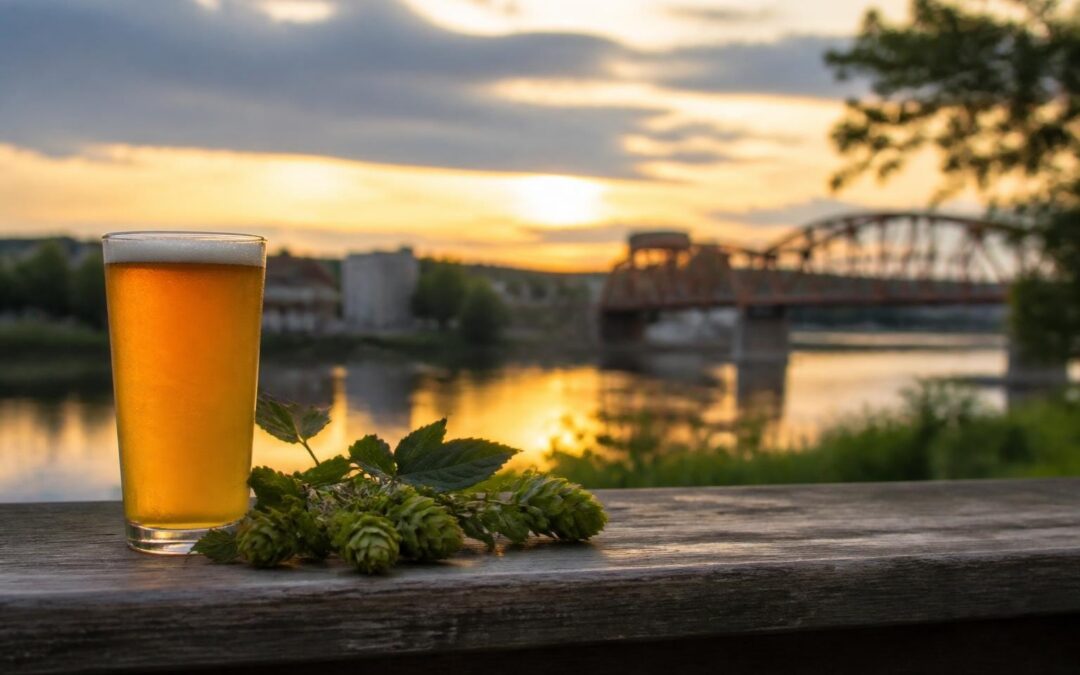
Maine has emerged as one of the nation's most celebrated craft beer destinations, with microbreweries transforming the state's cultural and economic landscape. The Pine Tree State ranks among the top states nationally for breweries per capita, a testament to its thriving beer culture and commitment to quality craftsmanship. From Portland's bustling brewery district to the scenic Kennebec Valley, maine microbreweries offer visitors unique experiences that blend artisan brewing traditions with Maine's distinctive character. To view our official visitors guide click here.
The Growth of Maine's Craft Beer Industry
The explosive growth of maine microbreweries over the past decade reflects both consumer demand and Maine's entrepreneurial spirit. According to the Maine Brewers’ Guild, the state's craft brewing sector contributes significantly to the local economy through job creation, agricultural partnerships, and tourism revenue. The industry has grown from a handful of pioneering breweries in the 1990s to more than 150 licensed operations today.
Economic Impact and Community Development
Maine microbreweries generate substantial economic activity across multiple sectors. Research from the University of Maine’s economic development partnerships demonstrates how craft brewing creates ripple effects throughout regional economies.
Key economic contributions include:
- Direct employment in production, taproom service, and distribution
- Agricultural demand for locally grown hops, barley, and specialty ingredients
- Tourism attraction drawing visitors specifically for brewery experiences
- Real estate revitalization in downtown districts and industrial areas
- Retail and hospitality spending by brewery visitors
The sector's workforce extends beyond brewers themselves. Marketing professionals, graphic designers, tour coordinators, and hospitality staff all contribute to brewery operations, creating diverse employment opportunities in communities across the state.
Licensing and Regulatory Framework
Understanding the regulatory environment is essential for anyone interested in Maine's brewing industry. The state maintains specific licensing categories that define what maine microbreweries can produce and how they can distribute their products.
Brewery License Types
Maine law distinguishes between several manufacturer licenses, each with different production limits and privileges. According to Maine Revised Statutes Title 28-A §1355-A, small breweries can produce up to 50,000 barrels annually and enjoy certain on-premises sales privileges.
| License Type | Production Limit | On-Premises Sales | Distribution Rights |
|---|---|---|---|
| Small Brewery | Up to 50,000 barrels | Tastings and direct sales allowed | Self-distribution permitted |
| Certificate of Approval | Unlimited | Limited | Through wholesalers |
| Pub Brewer | Serves own establishment | On-site only | Restricted |
The Maine Bureau of Alcoholic Beverages & Lottery Operations oversees the licensing process, providing detailed application procedures and compliance requirements. Prospective brewery owners must navigate federal, state, and local regulations before opening their doors.
Location matters significantly in the licensing process. Zoning regulations, water access, wastewater capacity, and proximity to residential areas all influence where breweries can operate. Many successful maine microbreweries have transformed former industrial buildings, taking advantage of existing infrastructure while contributing to urban renewal.
Kennebec Valley's Emerging Brewery Scene
The Kennebec Valley region has cultivated its own distinctive craft beer culture, offering visitors an authentic Maine brewing experience away from the crowded coastal tourist corridors. Central Maine's microbreweries emphasize local ingredients, community engagement, and approachable hospitality.
Regional Characteristics
What sets Kennebec Valley breweries apart is their integration into the broader fabric of regional life. These aren't just production facilities; they function as community gathering spaces, event venues, and cultural anchors.
Breweries in the region frequently partner with:
- Local farmers for seasonal ingredients and specialty grains
- Nearby restaurants for collaborative menu pairings
- Arts organizations for live music and cultural programming
- Outdoor recreation outfitters for adventure-themed events
- Regional festivals and seasonal celebrations
This collaborative approach creates a richer visitor experience. A brewery tour becomes an entry point to understanding the region's agricultural heritage, artistic community, and outdoor recreation opportunities.
Seasonal Brewing Traditions
Maine microbreweries excel at seasonal releases that reflect the state's dramatic climate variations. Winter warmers, spring IPAs, summer wheats, and autumn harvest ales follow the rhythms of New England life.
Pumpkin ales and maple beers showcase local agricultural products while celebrating regional traditions. Some breweries forage wild ingredients like spruce tips, blueberries, and cranberries, creating beers that literally taste like Maine. These seasonal offerings give visitors reasons to return throughout the year, sampling limited releases and special collaborations.
Planning Your Brewery Tour
Visiting maine microbreweries requires some strategic planning to maximize your experience. The state's geography means breweries are distributed across considerable distances, making itinerary planning essential.
Tour Types and Approaches
Different visitors seek different brewery experiences. Some prioritize tasting rare or award-winning beers, while others value the social atmosphere or educational component of brewery tours.
Self-guided tours offer flexibility but require more research and coordination. Visitors must arrange transportation, particularly when sampling multiple locations. Maine's laws regarding drinking and driving are strictly enforced, making designated drivers or ride services essential.
Organized brewery tours handle logistics while providing expert commentary. These experiences often include transportation, planned tastings, food pairings, and behind-the-scenes access that individual visitors might not receive.
Consider these factors when planning:
- Geographic clustering: Group breweries by region to minimize driving time
- Operating hours: Many taprooms have limited weekday hours; weekends offer broader access
- Food availability: Some breweries serve full menus; others allow food trucks or permit outside food
- Special events: Brewery anniversaries, seasonal releases, and festivals create unique opportunities
- Advance reservations: Popular breweries may require bookings for tours or large groups
The Free Printed Visitors Guide from the Kennebec Valley Tourism Council provides detailed information about regional breweries, helping visitors plan efficient routes and discover lesser-known gems alongside established favorites.
Brewing Techniques and Innovation
Maine microbreweries have earned national recognition for both traditional brewing excellence and experimental innovation. Understanding what happens behind the taproom doors enhances appreciation for the final product.
Traditional Styles and Modern Twists
New England IPAs, characterized by hazy appearance and juicy hop profiles, originated in this region and remain immensely popular. Maine brewers helped define this style, which has spread nationwide and influenced brewing practices globally.
Yet traditional styles maintain strong followings. Well-crafted pilsners, stouts, porters, and Belgian-inspired ales demonstrate brewers' technical proficiency and respect for brewing heritage. The best maine microbreweries balance innovation with consistency, offering adventurous limited releases alongside reliable flagships.
Ingredient Sourcing and Sustainability
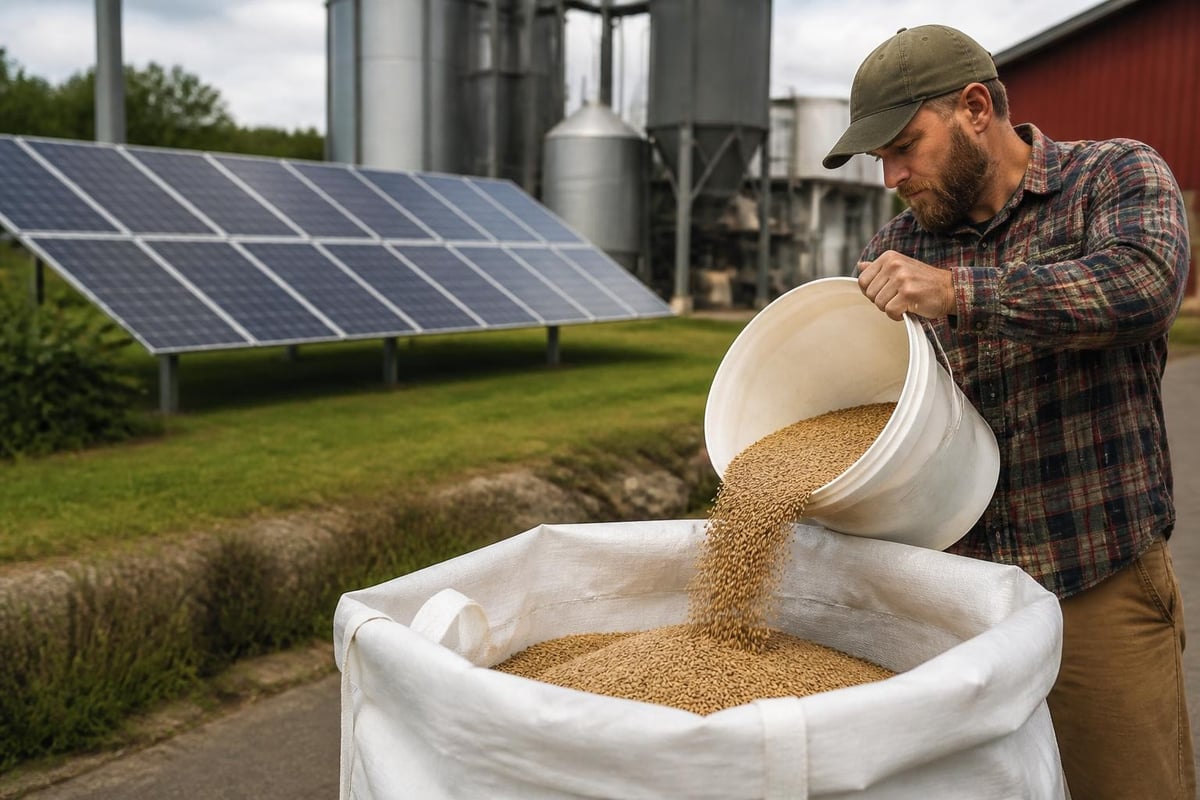
Sustainability practices distinguish many Maine breweries. Water conservation, energy efficiency, grain recycling, and waste reduction reflect both environmental values and operational efficiency.
| Sustainability Practice | Implementation | Benefits |
|---|---|---|
| Spent grain donation | Partnering with farms for livestock feed | Waste reduction, agricultural support |
| Solar energy | On-site renewable power generation | Lower operational costs, carbon reduction |
| Local ingredient sourcing | Regional malt, hops, and adjuncts | Supply chain resilience, community support |
| Packaging optimization | Returnable growlers, crowler systems | Reduced packaging waste |
Maine's bottle bill program encourages recycling through deposit systems, and many breweries actively participate in container redemption programs that reduce environmental impact.
Taproom Culture and Visitor Experience
The taproom experience defines modern craft brewing culture. Maine microbreweries have created welcoming spaces that encourage social interaction, community building, and beer education.
Atmosphere and Amenities
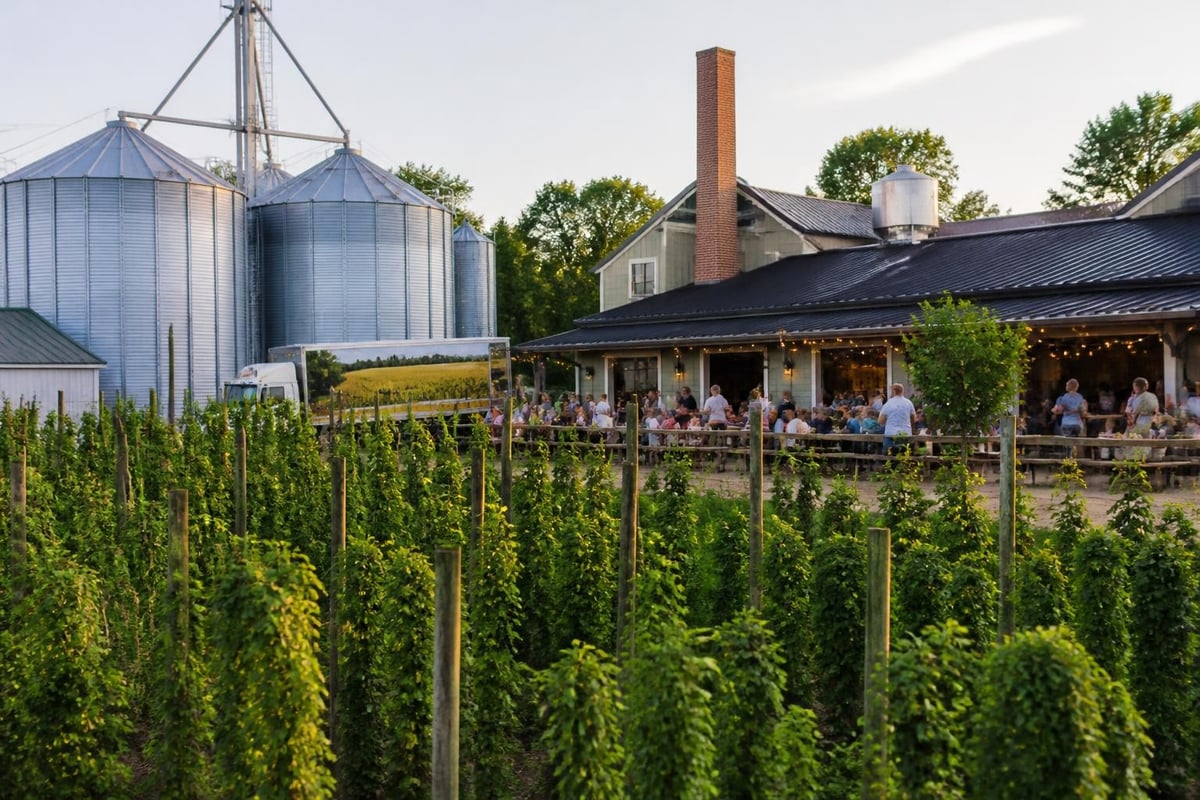
Taproom design varies dramatically across the state's brewing landscape. Some occupy renovated industrial spaces with exposed brick and high ceilings, while others embrace rustic barn aesthetics or modern minimalism. What unites them is attention to creating comfortable environments where beer takes center stage.
Common amenities include:
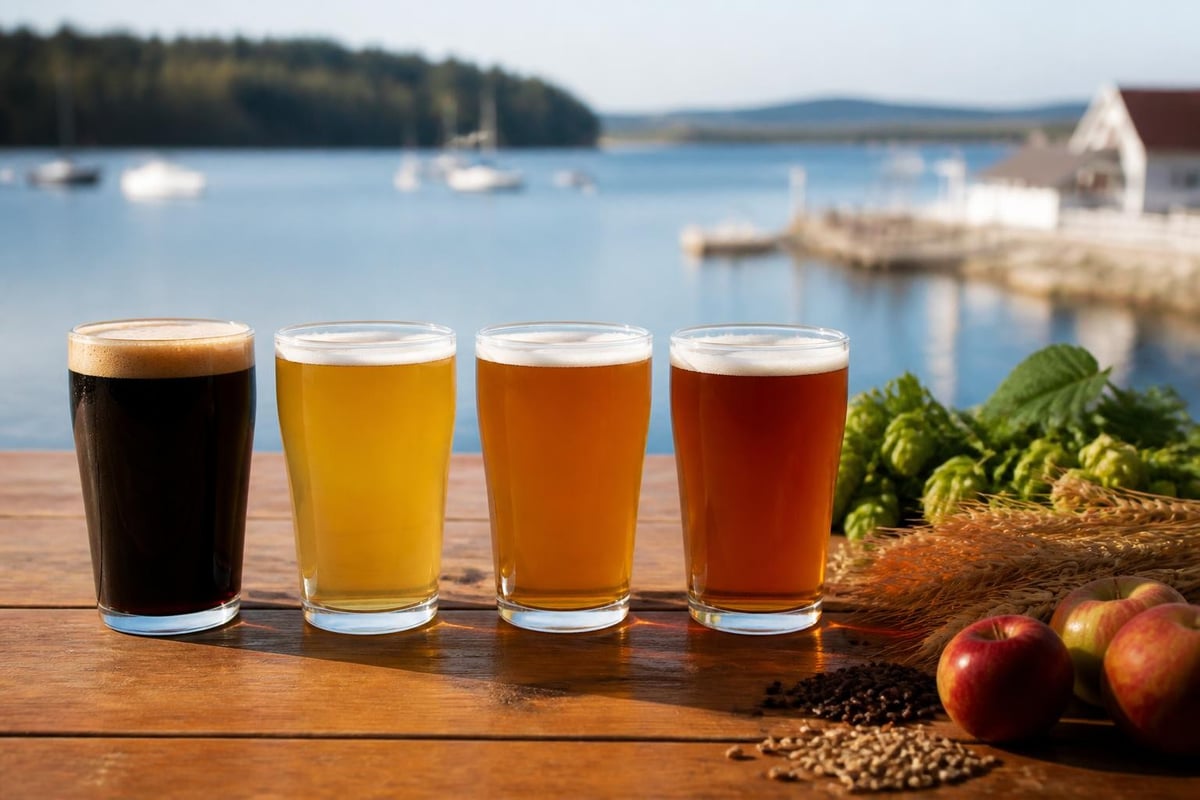
- Flight options for sampling multiple beers
- Knowledgeable staff who explain brewing processes and flavor profiles
- Merchandise featuring brewery branding and local artist collaborations
- Outdoor seating areas for seasonal enjoyment
- Family-friendly spaces (many welcome children in taprooms)
- Pet-friendly policies (outdoor areas typically accommodate dogs)
Events and Programming
Beyond serving beer, taprooms function as community gathering spaces. Trivia nights, live music performances, food truck rallies, and charity fundraisers create regular reasons for locals and visitors to gather.
Collaboration events between breweries generate excitement and cross-pollinate fan bases. Brewer takeovers, where visiting brewers pour their beers at another brewery's taproom, introduce customers to new offerings while fostering industry camaraderie.
Pairing Food with Maine Craft Beer
The relationship between food and beer enhances both experiences. Maine microbreweries increasingly emphasize food pairings, whether through on-site kitchens, food truck partnerships, or collaborative events with local restaurants.
Pairing Principles
Understanding basic pairing concepts helps visitors make informed choices. Complementary pairings match similar flavors, while contrasting pairings balance different taste profiles.
Maine's seafood abundance creates natural pairing opportunities. Crisp pilsners complement fresh oysters, while hoppy IPAs cut through the richness of lobster rolls. Brown ales match the earthiness of wild mushrooms, and stouts enhance chocolate desserts.
Seasonal ingredients inspire creative pairings:
- Spring: Wheat beers with fresh salads and light cheeses
- Summer: Session IPAs with grilled fish and corn on the cob
- Autumn: Pumpkin ales with roasted squash and hearty stews
- Winter: Barrel-aged stouts with aged cheddar and charcuterie
Some breweries host formal pairing dinners where chefs and brewers collaborate on multi-course experiences. These events showcase how thoughtful combinations elevate both food and beer beyond what either achieves alone.
Starting a Microbrewery in Maine
For entrepreneurs considering entering the brewing industry, Maine offers both opportunities and challenges. The state's supportive craft beer culture and established distribution networks provide advantages, while competition and regulatory requirements demand careful planning.
Essential Steps for New Breweries
The official guide to starting a brewery in Maine outlines the comprehensive process from initial concept through opening day. Key considerations include:
- Business planning: Financial projections, market analysis, and competitive positioning
- Location selection: Zoning compliance, utility access, and market demographics
- Equipment procurement: Brewing systems, fermentation vessels, packaging lines, and quality control tools
- Licensing: Federal TTB approval, state manufacturing licenses, and local permits
- Recipes and branding: Product development and distinctive market identity
- Distribution strategy: Self-distribution, wholesale partnerships, or hybrid approaches
Capital requirements vary significantly based on production scale and facility type. Nanobreweries with limited distribution require substantially less investment than production breweries targeting regional distribution. Many successful operations start small, proving concepts before expanding capacity.
Tourism Integration and Regional Promotion
Maine microbreweries function as tourism attractions that complement the state's natural beauty and cultural offerings. Visitors often combine brewery visits with outdoor adventures, creating multi-faceted Maine experiences.
Beyond the Taproom
Successful brewery tourism connects beer experiences with broader regional attractions. In the Kennebec Valley, this might mean pairing morning hiking at must-do outdoor activities with afternoon brewery visits, or combining cultural experiences with evening taproom socializing.
Regional tourism organizations recognize breweries as anchor attractions that extend visitor stays and increase spending. A visitor planning a simple day trip for brewery visits might book overnight lodging to fully enjoy tastings without driving concerns, generating additional economic impact through accommodations and restaurant spending.
Marketing and Visitor Communication
Effective brewery marketing extends beyond social media and advertising. Strategic partnerships with tourism councils, participation in regional festivals, and collaboration with complementary businesses create visibility and drive traffic.
Digital presence matters enormously in attracting visitors. Comprehensive websites with current hours, beer menus, event calendars, and booking systems provide essential information. Social media platforms build community and announce limited releases, creating urgency and repeat visits.
The Future of Maine's Brewing Industry
As the craft beer market matures nationally, maine microbreweries face evolving challenges and opportunities. Market saturation in some areas contrasts with underserved regions still welcoming new entrants.
Emerging Trends
Several trends will likely shape the industry's next chapter:
- Hard seltzers and alternatives: Diversification beyond traditional beer styles
- Low-alcohol and non-alcoholic options: Responding to changing consumption patterns
- Hyper-local ingredients: Increased emphasis on terroir and regional distinctiveness
- Direct-to-consumer shipping: Expanded distribution through legal online sales
- Sustainability certification: Formal recognition of environmental practices
Competition from other beverage categories challenges breweries to innovate while maintaining quality. Cideries, meaderies, and distilleries compete for the same consumer dollars and taproom traffic, though collaboration often proves more beneficial than pure competition.
National Recognition and Rankings
Maine's craft beer reputation extends far beyond state borders. According to Brewers Association statistics, Maine consistently ranks among the top states for craft beer production per capita, demonstrating the industry's economic significance and cultural importance.
This national recognition attracts beer tourists specifically seeking Maine brewing experiences, creating economic opportunities across the hospitality sector. Hotels, restaurants, transportation services, and retail establishments all benefit from brewery-motivated visits.
Responsible Enjoyment and Safety
Promoting responsible consumption ensures the craft beer community's long-term sustainability. Maine microbreweries increasingly emphasize moderation, safety, and community well-being alongside business success.
Best Practices for Visitors
Planning ahead prevents problems. Designating sober drivers, using ride services, or booking nearby accommodations allows full enjoyment without safety risks. Many breweries partner with local transportation providers, offering discounted ride services or shuttle programs.
Taproom staff receive training to recognize over-service situations and intervene appropriately. Responsible establishments prioritize customer safety over short-term sales, contributing to the industry's positive reputation.
Hydration and food consumption help moderate alcohol absorption. Bringing water bottles, ordering food when available, and pacing tastings create healthier, more enjoyable experiences. Most breweries encourage these practices, offering free water and welcoming outside food when they lack kitchen facilities.
Maine microbreweries represent more than just places to drink beer; they embody community values, entrepreneurial spirit, and commitment to quality craftsmanship that defines the state's character. Whether you're a dedicated beer enthusiast seeking rare releases or a casual visitor curious about craft brewing culture, the Kennebec Valley offers authentic experiences that showcase Maine's brewing excellence. The Kennebec Valley Tourism Council provides comprehensive resources to help you discover the region's breweries alongside its natural beauty, cultural attractions, and vibrant communities, ensuring your visit captures everything that makes central Maine special.