

Planning a trip to Maine requires more than just booking a hotel and packing your bags. A comprehensive maine guide helps you navigate the Pine Tree State's diverse offerings, from rugged coastlines to pristine wilderness areas, ensuring you make the most of your visit. Whether you're drawn to outdoor adventures, historical landmarks, or culinary experiences, understanding the region's unique characteristics transforms a simple vacation into an unforgettable journey. The Kennebec Valley, in particular, offers visitors an authentic slice of Maine life, combining natural beauty with vibrant communities and rich cultural heritage. To view our official visitors guide click here.
Understanding Maine's Regional Geography
Maine's vastness often surprises first-time visitors. Spanning more than 35,000 square miles, the state encompasses distinct regions, each with its own character and attractions. The Kennebec Valley sits in the heart of Maine, offering convenient access to both coastal and inland experiences.
This central location provides strategic advantages for travelers. You can explore the capital city of Augusta, venture into the western mountains, or make day trips to the coast without extensive driving. The Kennebec River itself serves as the region's defining feature, winding through forests, farmlands, and historic towns.
Seasonal Considerations for Your Maine Guide
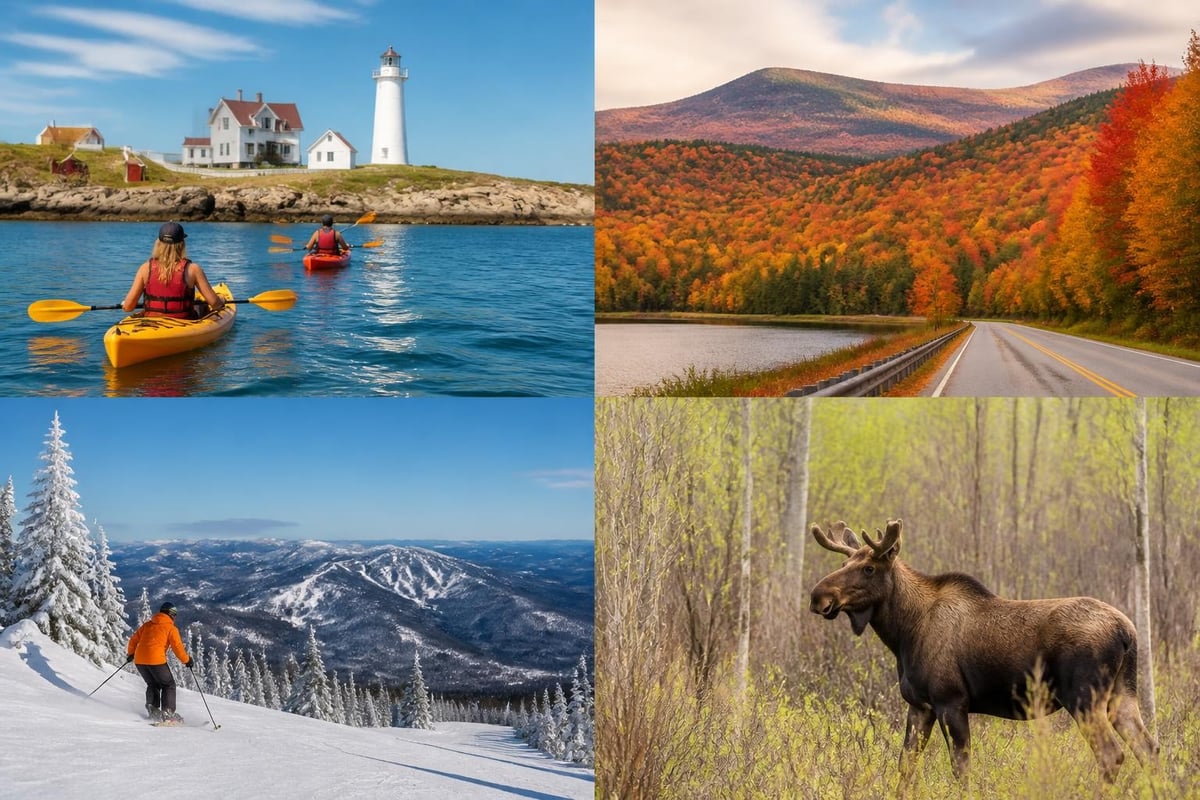
Maine experiences four distinct seasons, and your visit timing dramatically affects available activities and experiences. Summer (June through August) brings warm weather perfect for water sports, hiking, and outdoor festivals, but also attracts the largest crowds and highest accommodation prices.
Fall transforms the landscape into a spectacular display of foliage, typically peaking between late September and mid-October. Winter appeals to snow sports enthusiasts, while spring offers lower prices and emerging wildflowers, though unpredictable weather remains a consideration.
Seasonal Activity Overview:
- Summer: Whitewater rafting, kayaking, farmers markets, outdoor concerts
- Fall: Foliage tours, harvest festivals, wildlife viewing, apple picking
- Winter: Skiing, snowmobiling, ice fishing, winter carnivals
- Spring: Fishing season opener, bird watching, maple syrup tours
Outdoor Recreation Planning
Maine's outdoor recreation economy continues expanding, with recent initiatives highlighting the state's commitment to sustainable tourism development. The Kennebec Valley offers exceptional opportunities for adventure seekers and nature enthusiasts alike.
The Kennebec River ranks among North America's premier whitewater rafting destinations. The spring snowmelt creates thrilling Class III and IV rapids, while summer flows offer gentler family-friendly floats. Multiple outfitters operate along the river, providing guided trips ranging from half-day excursions to multi-day wilderness adventures.
Hiking and Trail Systems
The region's trail networks cater to all skill levels. The Kennebec Valley Trail System connects communities through converted rail corridors, offering flat, accessible paths for walking, cycling, and cross-country skiing. For more challenging terrain, nearby mountains provide elevation gains and panoramic views.
When planning hiking excursions, always check current trail conditions and weather forecasts. Maine's backcountry can be unpredictable, and proper preparation ensures safety. Carry the Ten Essentials, inform someone of your plans, and respect wildlife by maintaining appropriate distances and storing food properly.
| Trail Type | Difficulty | Best Season | Typical Duration |
|---|---|---|---|
| Rail Trails | Easy | Year-round | 1-3 hours |
| River Walks | Easy-Moderate | Spring-Fall | 2-4 hours |
| Mountain Summits | Moderate-Difficult | Summer-Fall | 4-8 hours |
| Backcountry Routes | Difficult | Summer | Full day or multi-day |
Water-Based Activities
Beyond rafting, the Kennebec Valley's waterways support diverse recreational pursuits. Fishing enthusiasts target brook trout, landlocked salmon, and bass in rivers and lakes. If you plan to harvest shellfish along the coast during day trips, consult Maine’s shellfish area classifications to ensure safe collection zones.
Kayaking and canoeing provide peaceful alternatives to adrenaline-pumping rafting. Numerous launch sites dot the region, with calm water sections ideal for beginners and families. Equipment rentals are widely available, though reservations during peak season prevent disappointment.
Cultural and Historical Attractions
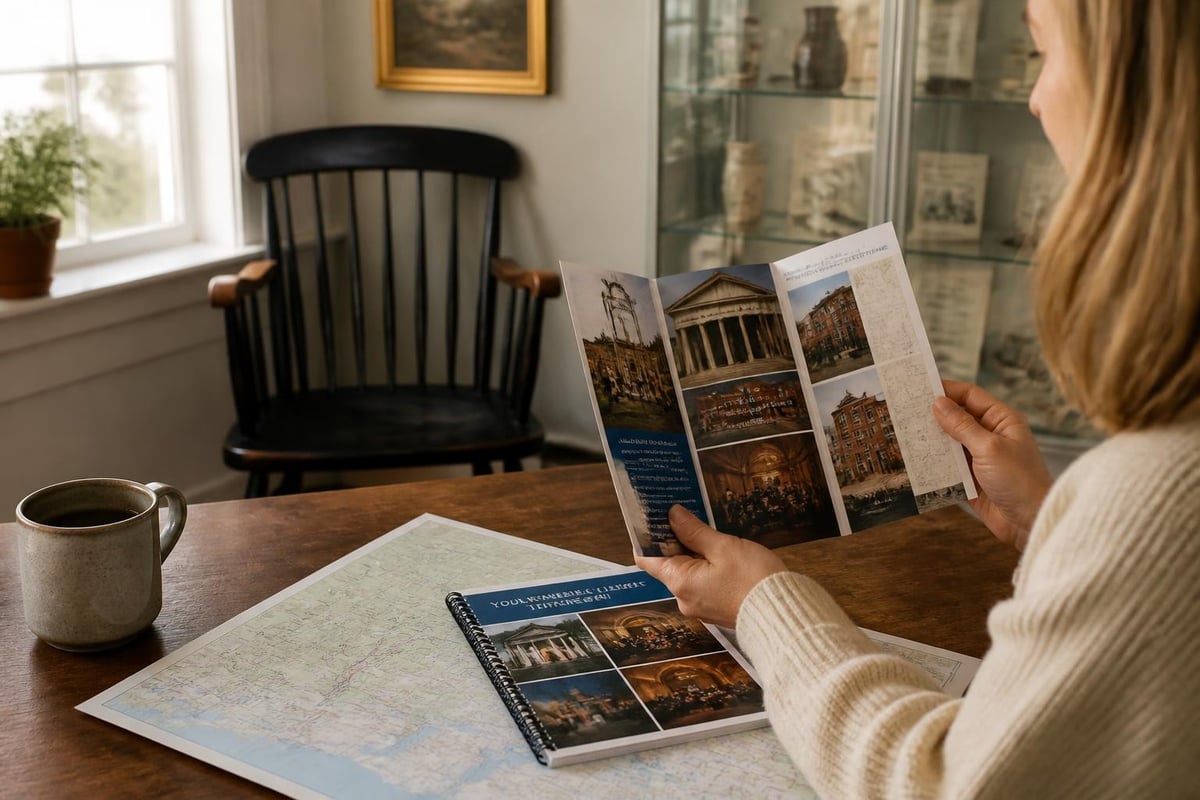
A complete maine guide extends beyond outdoor activities to encompass the region's rich cultural tapestry. The Maine Historical Society preserves and presents the state's heritage through exhibits, programs, and resources that help visitors understand Maine's evolution from indigenous territories through European settlement to modern times.
The Kennebec Valley played pivotal roles in Maine's lumber industry, textile manufacturing, and political development. Augusta's historic downtown features architectural gems from the 19th century, while museums throughout the region interpret local industries, military history, and daily life across different eras.
Arts and Performance Venues
The region supports vibrant arts communities with galleries, theaters, and music venues. Local artists draw inspiration from Maine's landscapes, creating works that capture the state's essence. Throughout the year, cultural events showcase everything from traditional crafts to contemporary performance art.
Summer concert series, art walks, and theater productions provide entertainment options beyond daytime adventures. Many events are free or low-cost, making cultural exploration accessible to all visitors. Check the events calendar before your trip to align your visit with special programming.
Culinary Experiences and Local Flavors
Maine's food scene has gained national recognition, moving far beyond lobster rolls (though those remain essential). The farm-to-table movement thrives here, with restaurants partnering directly with local producers to showcase seasonal ingredients. A proper maine guide must address the culinary landscape that defines the visitor experience.
The Kennebec Valley's agricultural heritage continues strong, with family farms producing everything from organic vegetables to artisanal cheeses. Farmers markets operate throughout warmer months, offering direct access to fresh products and opportunities to meet the people behind your food.
Craft Beverage Trail
Maine's craft beverage industry has exploded in recent years, with breweries, distilleries, and cideries establishing strong reputations. The beer trail connects regional producers, creating a self-guided tour through diverse brewing philosophies and flavor profiles.
Many beverage producers welcome visitors for tastings, tours, and special events. These experiences provide insight into production processes while supporting local entrepreneurs. Designated drivers or tour services ensure everyone enjoys responsibly.
Local Specialties to Sample:
- Fresh-caught fish and seafood
- Maine wild blueberries in season
- Maple syrup products from local sugarhouses
- Artisan breads and pastries from local bakeries
- Farmstead cheeses and dairy products
- Craft beers reflecting regional ingredients
Lodging and Accommodation Strategies
Accommodation selection significantly impacts your overall experience. The Kennebec Valley offers diverse options from historic inns to modern hotels, rustic campgrounds to lakeside cabins. Booking strategies vary by season and travel style.
Summer and fall foliage season demand advance reservations, often months ahead for popular properties. Winter and spring offer more flexibility and better rates, though some seasonal establishments close during slower months. Mid-week stays typically cost less than weekends.
Choosing Your Base
Consider your planned activities when selecting lodging location. Staying in Augusta provides urban amenities and central access to day-trip destinations. Smaller towns offer quieter settings and immersive local experiences. Lakefront or riverside properties maximize natural beauty but may require longer drives to services.
Budget-conscious travelers find value in campgrounds and vacation rentals, especially for longer stays or larger groups. These options often include kitchen facilities, reducing dining costs. Many campgrounds offer both primitive tent sites and full-hookup RV spaces.
| Accommodation Type | Price Range | Best For | Booking Window |
|---|---|---|---|
| Hotels/Motels | $$ – $$$ | Convenience, amenities | 1-3 months |
| Bed & Breakfasts | $$ – $$$$ | Personalized service, local insight | 2-4 months |
| Vacation Rentals | $ – $$$$ | Groups, extended stays, families | 2-6 months |
| Campgrounds | $ – $$ | Outdoor enthusiasts, budget travel | 1-4 months |
Transportation and Getting Around
Maine's rural character means public transportation options remain limited outside major cities. Most visitors arrive by car, either driving from other states or renting vehicles after flying into regional airports. The Maine state visitors portal provides comprehensive transportation planning resources.
Interstate 95 serves as Maine's primary north-south corridor, while secondary highways connect smaller communities. Road conditions generally remain excellent, though winter driving requires caution and appropriate vehicle preparation. GPS and mobile navigation work reliably in most areas, though remote backcountry may lack cellular coverage.
Alternative Transportation Options
For visitors without vehicles, creative solutions exist. Some outfitters and tour operators provide transportation from major towns to activity sites. Bicycle touring has grown in popularity, with dedicated cyclists tackling Maine's scenic byways and rail trails.
Platforms like Innobook have revolutionized how travelers book experiences and activities globally, offering transparent pricing and secure reservations for everything from adventure sports to cultural tours. While primarily serving European markets, similar booking systems help Maine visitors arrange guided experiences that include transportation.
Wildlife Viewing and Natural Areas
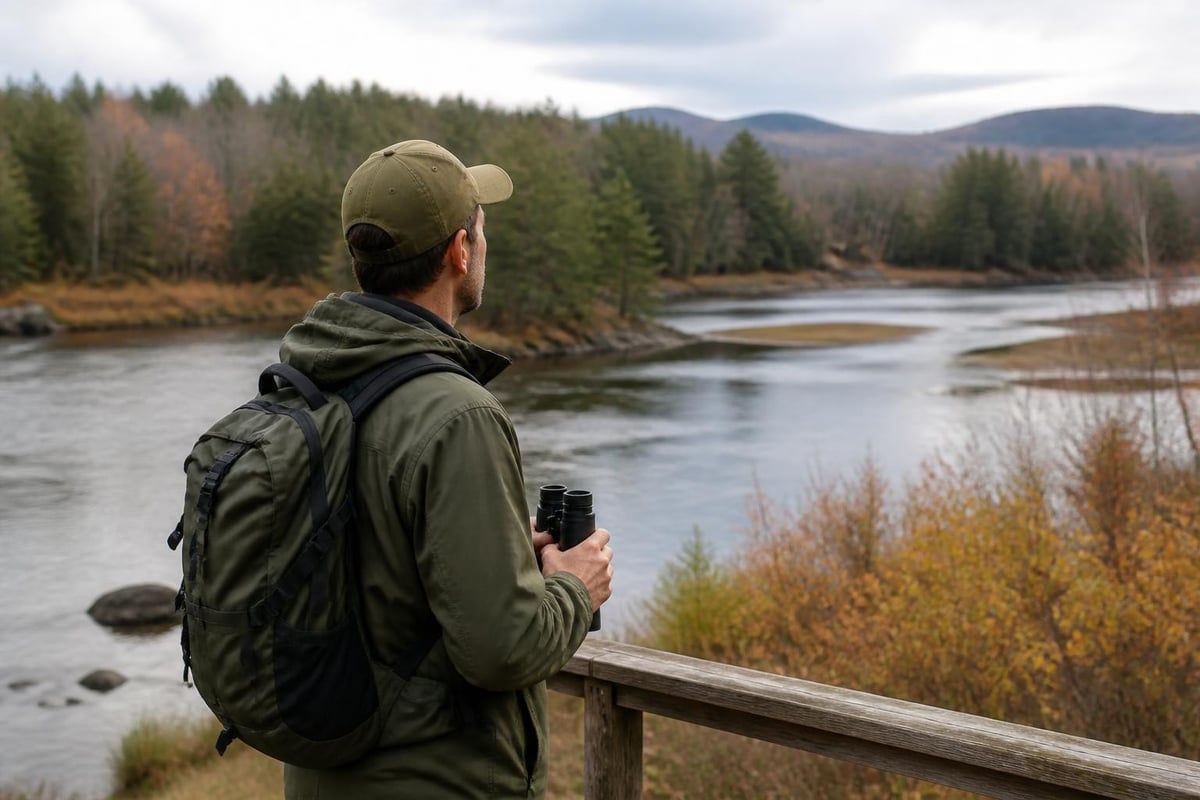
Maine supports remarkable biodiversity, from coastal seabirds to forest-dwelling moose. Responsible wildlife viewing enriches your trip while protecting animal populations. The Rachel Carson National Wildlife Refuge exemplifies federal conservation efforts creating public access to sensitive habitats.
The Kennebec Valley's varied ecosystems host different species. River corridors attract bald eagles, ospreys, and waterfowl. Forest areas shelter white-tailed deer, black bears, and numerous songbird species. Wetlands provide critical habitat for amphibians and insects supporting the food chain.
Moose Watching Ethics
Maine's moose population draws significant visitor interest. These magnificent animals require respect and distance. Never approach moose, especially cows with calves or bulls during rutting season. Use binoculars or telephoto lenses for close-up views while maintaining safe separation.
Dawn and dusk offer optimal moose viewing times when animals feed in wetlands and along roadways. Drive carefully in moose country, as vehicle collisions cause serious injuries and property damage. Reduced speed and heightened awareness prevent unfortunate encounters.
Day Trip Destinations
The Kennebec Valley's central location facilitates day trips to diverse destinations. Coastal communities lie within 90 minutes, offering lighthouse tours, beach walks, and fresh seafood. Acadia National Park, Maine's crown jewel, makes a long but worthwhile day trip for those wanting iconic coastal scenery.
Inland destinations include pristine lakes, historic villages, and mountain recreation areas. The Carrabassett Valley provides access to Sugarloaf Mountain's year-round activities. Quaint towns like Belfast and Camden combine coastal charm with vibrant downtowns worth exploring.
Coastal Excursion Planning
When planning coastal day trips, tide schedules matter significantly. Low tide reveals tide pools teeming with marine life and exposes greater beach areas for walking. High tide offers better conditions for harbor tours and kayaking.
Pack layers regardless of inland weather, as coastal temperatures run cooler and fog frequently rolls in during summer. Bring sunscreen, as reflection off water intensifies UV exposure. Many coastal towns have limited parking during peak season, so arrive early or use municipal lots.
Special Events and Festivals
Maine's event calendar spans the entire year, celebrating everything from agricultural heritage to artistic achievement. The Kennebec Valley hosts numerous festivals highlighting local culture, products, and community spirit. These gatherings offer authentic experiences and opportunities to interact with residents.
Winter carnivals embrace the cold with ice sculptures, skating parties, and warming stations serving hot cocoa. Spring maple syrup festivals demonstrate traditional and modern production methods. Summer brings outdoor concerts, craft fairs, and agricultural exhibitions. Fall harvest celebrations feature cider pressing, pumpkin patches, and seasonal treats.
Attending local events supports community organizations and small businesses while enriching your understanding of Maine culture. Many festivals welcome visitor participation in activities, workshops, and tastings.
Practical Considerations for Your Maine Guide
Successful trips balance spontaneity with practical preparation. Cell phone coverage extends throughout populated areas but diminishes in remote regions. Download offline maps and essential information before venturing into backcountry areas.
Maine's black fly season (late May through June) can test patience, particularly in wooded areas near water. Insect repellent containing DEET or picaridin provides effective protection. Ticks carrying Lyme disease inhabit the state, making tick checks essential after outdoor activities.
Weather Preparedness
Weather changes rapidly, especially in spring and fall. Pack versatile clothing suitable for layering, including rain gear regardless of forecasts. Summer nights cool considerably, even after warm days. Winter visitors need appropriate cold-weather gear including insulated footwear, warm layers, and accessories.
Check forecasts regularly and adjust plans as needed. Severe weather can impact road conditions, trail accessibility, and outdoor activity safety. Most businesses and outfitters prioritize safety and will reschedule or refund during dangerous conditions.
Budget Planning and Cost Management
Maine vacations accommodate various budgets through strategic planning. Accommodation and dining represent the largest expenses, but options exist across price ranges. Camping, vacation rentals with kitchens, and picnic lunches significantly reduce costs.
Many natural attractions, including trails, beaches, and scenic viewpoints, charge no admission. State parks require modest day-use fees or annual passes offering excellent value for frequent visitors. Museum and attraction costs vary, but many offer resident and multi-site discounts.
Money-Saving Strategies:
- Visit during shoulder seasons for lower accommodation rates
- Prepare some meals using local ingredients from markets
- Take advantage of free activities and natural attractions
- Book accommodations with cancellation policies allowing flexibility
- Research package deals combining lodging with activities
- Use regional tourism resources for insider tips
For premium experiences, services like HELIGOLF demonstrate luxury travel options, offering helicopter flights across Europe's most scenic destinations. While Maine's landscape equally deserves aerial appreciation, local flight tour operators provide scenic flights showcasing the Kennebec Valley and coast from above at various price points.
Sustainability and Responsible Travel
Maine's natural beauty depends on conscientious stewardship. Leave No Trace principles apply to all outdoor activities, ensuring pristine conditions for future visitors. Pack out all trash, stay on designated trails, and respect wildlife by observing from appropriate distances.
Support businesses demonstrating environmental commitment through sustainable practices. Many Maine establishments prioritize local sourcing, energy efficiency, and waste reduction. Your patronage rewards these efforts and encourages others to follow suit.
Water conservation matters, particularly during dry periods. Follow any local restrictions and use resources thoughtfully. Respect private property boundaries and seek permission before crossing lands not explicitly open to public access.
Making the Most of Your Visit
A thoughtful maine guide recognizes that successful trips balance planning with flexibility. Over-scheduling eliminates spontaneity, while insufficient planning wastes precious vacation time. Build structure around must-see priorities while leaving room for unexpected discoveries.
Engage with locals who offer authentic insights no guidebook can match. Restaurant servers, shop owners, and innkeepers often share knowledge about hidden gems and current conditions. Their recommendations frequently lead to memorable experiences beyond standard tourist circuits.
Document your journey through photos, journals, or social media, but balance recording with experiencing. Some moments deserve full attention without technological mediation. The memories you create exploring Maine's Kennebec Valley will last long after your return home.
Creating your ideal Maine experience starts with solid planning and reliable information that helps you discover everything this remarkable region offers. The Kennebec Valley combines outdoor adventure, cultural richness, and natural beauty into one accessible destination perfect for your next getaway. Whether you're seeking whitewater thrills, peaceful hiking trails, or authentic New England hospitality, start planning your visit with the comprehensive resources available through Kennebec Valley Tourism Council.