
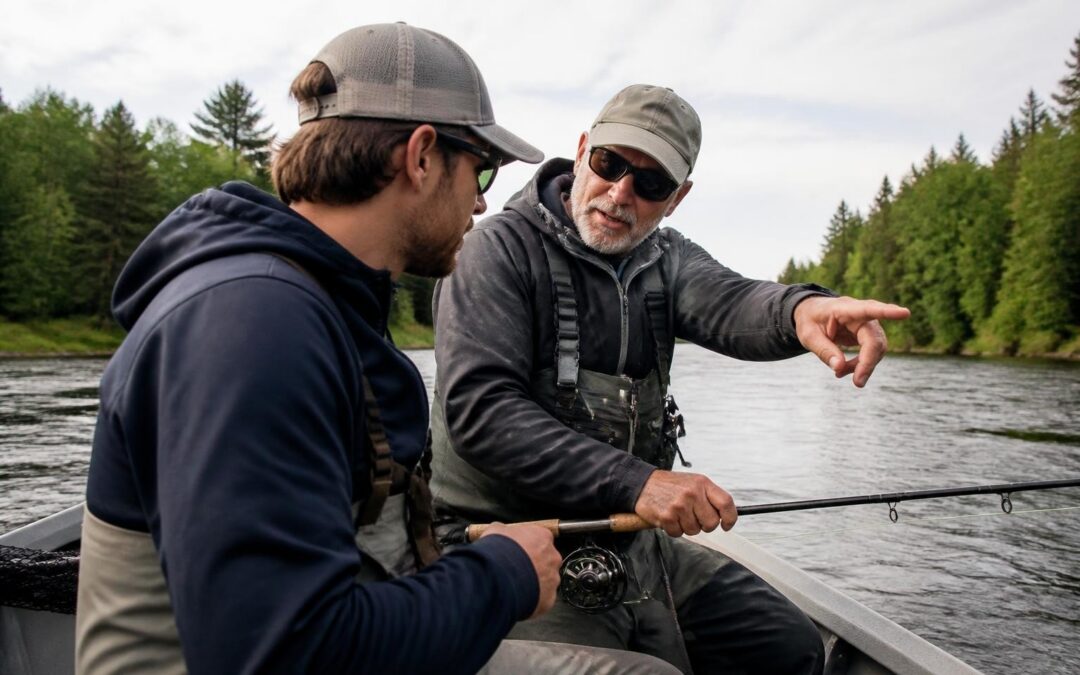
Maine's pristine waters have attracted anglers for generations, offering exceptional opportunities to catch brook trout, landlocked salmon, striped bass, and numerous other species. Whether you're wading into a meandering stream in the Kennebec Valley or casting from a boat on one of Maine's legendary rivers, hiring professional maine fishing guides can transform an ordinary outing into an unforgettable adventure. These experienced professionals bring intimate knowledge of local waterways, current fishing conditions, and proven techniques that dramatically improve your chances of success while ensuring you fish responsibly and safely. To view our official visitors guide click here.
Why Choose Professional Maine Fishing Guides
The value of hiring qualified maine fishing guides extends far beyond simply knowing where fish are biting. These professionals dedicate their careers to understanding seasonal patterns, water conditions, species behavior, and conservation practices that sustain Maine's fisheries for future generations.
Licensed Expertise and Credentials
Maine requires fishing guides to obtain proper licensing through the Maine Registered Guides program, ensuring they meet specific qualifications in safety, first aid, and natural resource knowledge. This regulatory framework protects anglers by guaranteeing their guide has demonstrated competency in navigation, emergency response, and environmental stewardship.
Key credentials to verify when hiring:
- Current Maine Registered Guide license
- Specialty endorsements (fishing, sea kayaking, recreational vehicle)
- CPR and wilderness first aid certification
- Appropriate insurance coverage
- Coast Guard Captain's License (for saltwater charters)
Registered guides undergo background checks and must maintain their credentials through continuing education, giving you confidence that you're working with a vetted professional. The Maine Professional Guides Association provides additional resources for understanding what separates exceptional guides from casual operators.
Local Knowledge That Makes the Difference
The Kennebec Valley's diverse watersheds present unique challenges and opportunities throughout the fishing season. Professional maine fishing guides spend hundreds of days per year on these waters, developing an encyclopedic understanding that no guidebook can replicate.
They know which pools hold fish during spring runoff, where trophy smallmouth bass ambush prey in summer, and which techniques work best when conditions change hour by hour. This accumulated wisdom allows guides to adapt quickly, repositioning to productive water when your original spot disappoints or switching tactics when fish refuse conventional presentations.
Species and Seasons in Kennebec Valley Waters
Understanding what to target and when is essential for planning your guided fishing adventure. The Kennebec Valley's rich aquatic ecosystem supports diverse species with distinct seasonal patterns.
| Season | Primary Species | Techniques | Water Types |
|---|---|---|---|
| Spring | Landlocked salmon, brook trout | Streamer flies, live bait | Rivers, streams |
| Summer | Smallmouth bass, pike | Topwater lures, soft plastics | Lakes, ponds |
| Fall | Brown trout, brook trout | Nymphs, dry flies | Cold-water streams |
| Winter | Brook trout, salmon (ice) | Tip-ups, jigging | Frozen lakes |
Maine fishing guides adjust their approach based on these patterns, but also factor in water temperature, insect hatches, weather systems, and fishing pressure. Spring typically brings excellent opportunities for cold-water species as they become active after winter dormancy, while summer opens up warmwater fisheries for bass and pike.
Freshwater Opportunities
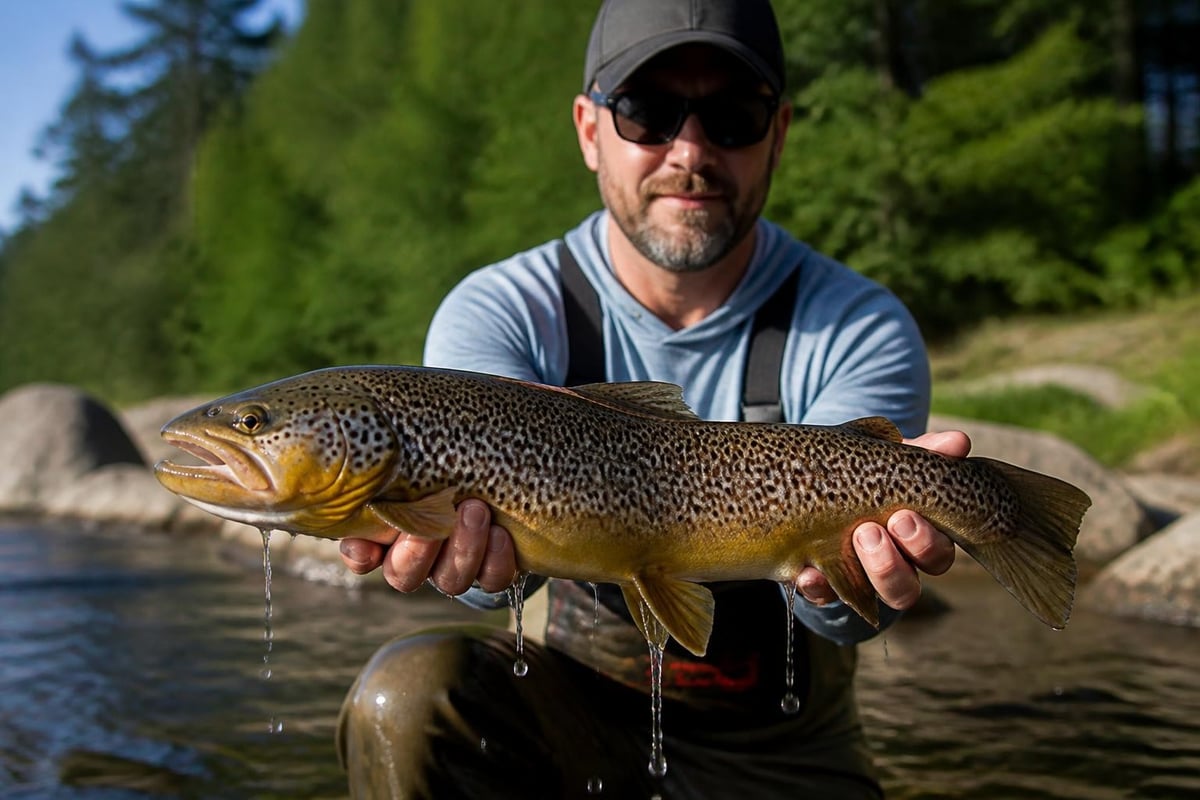
The Kennebec River itself offers world-class fishing for multiple species. Smallmouth bass thrive in the river's rocky structure, providing exciting action from June through October. Brook trout populate countless tributary streams, while landlocked salmon migrate through the system during spring and fall.
Guides familiar with these waters know precise locations where currents concentrate baitfish, creating ambush points for predatory species. They understand how dam releases affect water levels and fish behavior, timing trips to coincide with optimal conditions.
Saltwater and Tidal Waters
As the Kennebec flows toward the Atlantic, it creates productive tidal environments where freshwater species mix with ocean visitors. Striped bass migrate into these brackish zones, pursuing baitfish and creating spectacular fishing opportunities.
Maine fishing guides operating in tidal waters must navigate complex regulations outlined in the saltwater recreational sportfishing regulations, including size limits, bag limits, and seasonal closures designed to protect spawning populations.
What to Expect on a Guided Fishing Trip
First-time clients often wonder what a day with professional maine fishing guides actually entails. While each guide operates somewhat differently, certain standards define quality service.
Pre-Trip Communication and Planning
Reputable guides begin the process well before you step into their boat. They'll discuss your experience level, physical abilities, target species preferences, and any special requirements. This conversation allows them to tailor the trip to your goals rather than following a generic template.
Questions guides typically ask:
- What's your fishing experience level?
- Do you prefer fly fishing or conventional gear?
- Are you interested in learning new techniques?
- Do you have any physical limitations we should accommodate?
- What are your expectations for the day?
This planning phase sets realistic expectations and ensures everyone's on the same page. Guides will also provide detailed information about what to bring, meeting locations, and backup plans for inclement weather.
Equipment and Gear Provided
Most maine fishing guides include all necessary fishing equipment in their rates, from rods and reels to terminal tackle and bait. This eliminates the need for traveling anglers to transport bulky gear and ensures you're using equipment optimized for local conditions.
Quality guides maintain premium equipment appropriate for their target species. Fly fishing guides provide properly balanced outfits with floating and sinking lines for various presentations. Bass fishing guides stock boats with diverse lure selections that match seasonal patterns.
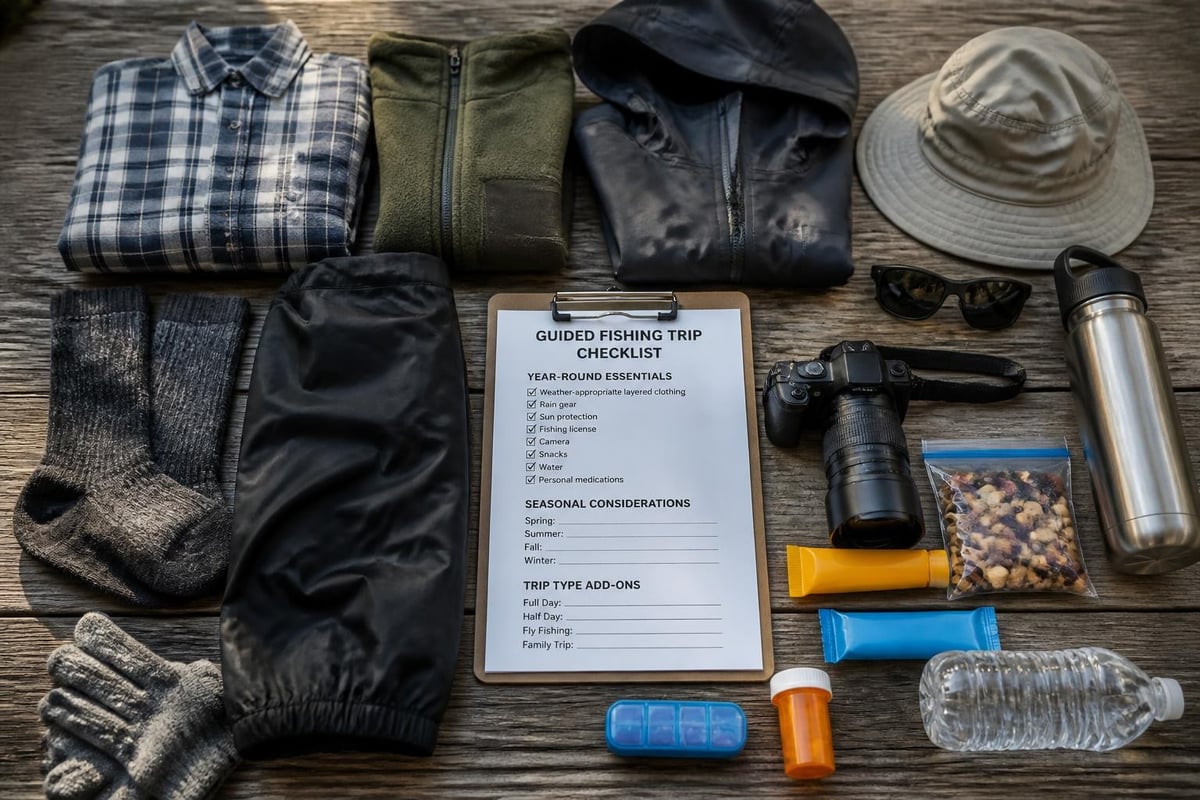
You'll typically need to bring personal items like weather-appropriate clothing, sunscreen, polarized sunglasses, and any food or beverages you prefer. Some guides provide lunch and drinks, while others recommend clients bring their own supplies.
Selecting the Right Guide for Your Needs
With numerous maine fishing guides operating throughout the region, choosing the right match requires research and consideration of multiple factors beyond just availability and price.
Specialization and Target Species
Guides develop expertise in specific fisheries and techniques. Some focus exclusively on fly fishing for trout and salmon in freestone streams, while others specialize in bass fishing from boats on lakes and rivers. Saltwater guides target stripers, bluefish, and other ocean species.
Identify what type of fishing most interests you, then seek guides who specialize in that niche. A guide who excels at streamer fishing for landlocked salmon may have limited experience with tidal striper patterns, and vice versa.
Service Models and Trip Types
| Trip Type | Duration | Best For | Typical Rate Range |
|---|---|---|---|
| Half-day | 4-5 hours | Beginners, families | $250-$400 |
| Full-day | 8 hours | Experienced anglers | $400-$600 |
| Multi-day | 2+ days | Destination trips | $800-$1500/day |
| Instructional | Varies | Skill development | $300-$500 |
Half-day trips work well for families with young children or anglers testing the waters before committing to longer excursions. Full-day adventures allow guides to move between locations as conditions dictate, maximizing productive fishing time. Multi-day packages often include lodging and meals, creating immersive experiences.
Evaluating Reputation and Reviews
Before booking, research potential guides thoroughly. Check their websites for client testimonials, review their social media presence for recent catch reports, and read independent reviews on fishing forums and travel platforms.
The resources available at the Kennebec Valley Tourism Council can help connect you with reputable guides operating in the region. Pay attention to how guides respond to criticism and whether they maintain consistent communication with clients.
Conservation and Ethical Angling Practices
Responsible maine fishing guides prioritize conservation alongside client satisfaction. Maine's fisheries face pressure from climate change, invasive species, and increased angling pressure, making ethical practices essential for sustainability.
Catch-and-Release Best Practices
Many guides encourage or require catch-and-release fishing, especially for wild trout and salmon populations. Proper handling techniques minimize stress and injury, increasing survival rates for released fish.
Critical catch-and-release principles:
- Use barbless hooks for easier removal
- Keep fish in water whenever possible
- Wet hands before handling fish
- Support fish horizontally, never vertically
- Revive exhausted fish before release
- Use appropriate tackle to land fish quickly
Trout Unlimited’s guidance on catch-and-release provides evidence-based recommendations that professional guides incorporate into their practices. These techniques ensure that trophy fish can be caught, photographed, and returned to spawn future generations.
Adapting to Environmental Changes
Maine's fisheries are experiencing shifts related to warming waters and changing ecosystem dynamics. Recent research on climate impacts shows how species distributions are evolving, with some populations moving to higher elevations or latitudes to find suitable habitat.
Professional guides stay informed about these changes, adjusting their approaches and educating clients about the importance of conservation. They monitor water temperatures closely during summer, suspending fishing when conditions stress cold-water species beyond safe levels.
Economic Impact and Industry Trends
The recreational fishing industry generates substantial economic activity throughout Maine. Economic data from the American Sportfishing Association demonstrates that sportfishing contributes millions of dollars annually through license sales, equipment purchases, lodging, dining, and guide services.
Maine fishing guides serve as economic anchors in rural communities, creating jobs and supporting local businesses. When clients hire guides, they typically spend additional money at nearby hotels, restaurants, and shops, multiplying the economic benefit.
Growing Demand for Guided Experiences
Several trends are driving increased demand for professional guide services. Traveling anglers often have limited time to research unfamiliar waters, making guides an efficient investment. The learning curve for fly fishing and specialized techniques can be steep, prompting newcomers to seek instruction from experts.
Additionally, the experiential travel movement emphasizes authentic, educational adventures rather than passive tourism. Spending a day with knowledgeable maine fishing guides offers cultural immersion, environmental education, and skill development that resonate with modern travelers.
Planning Your Guided Fishing Adventure
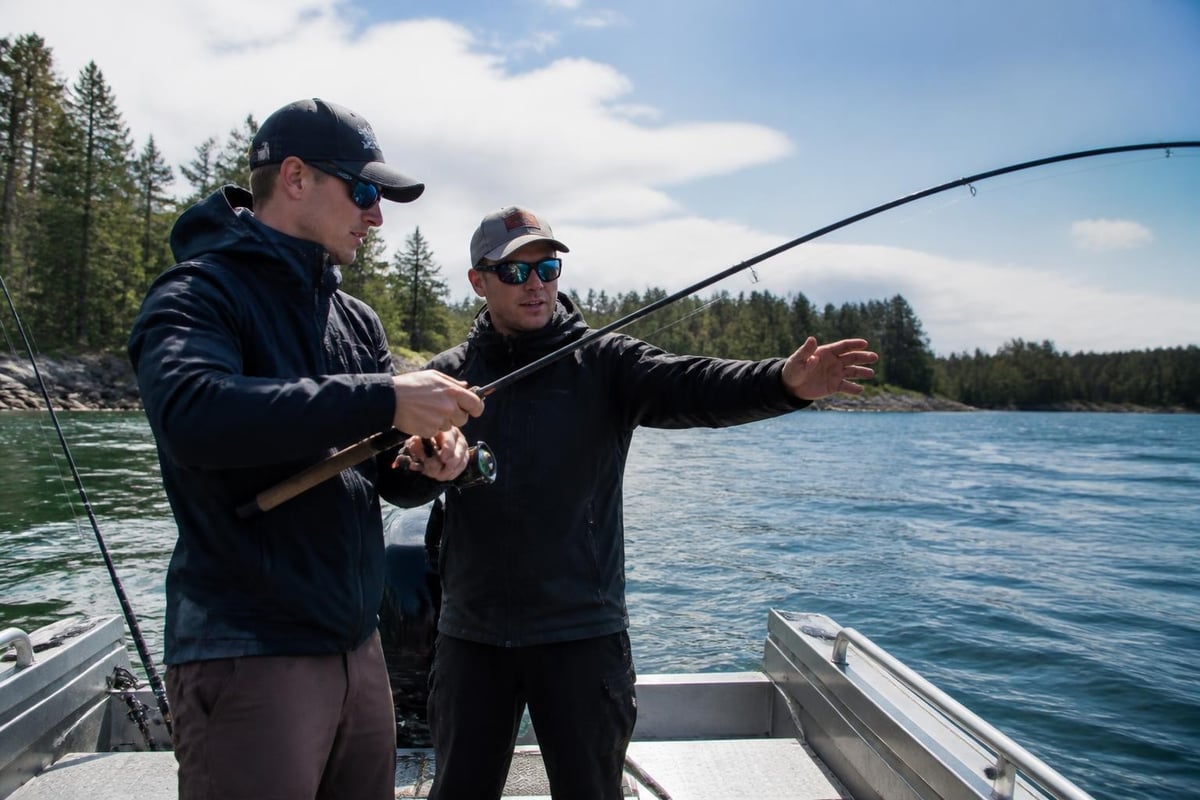
Successful trips begin with thorough planning and clear communication. Whether you're a Maine resident exploring new waters or a visitor experiencing the state's fisheries for the first time, following structured preparation steps enhances outcomes.
Booking Timeline and Considerations
- Research guides 2-3 months in advance for peak season trips (May-September)
- Contact multiple guides to compare specialties and availability
- Ask detailed questions about what's included and expectations
- Confirm weather policies and rescheduling procedures
- Obtain fishing license through Maine's online system before trip day
- Review regulations for your target species and waters
- Pack appropriately based on guide recommendations and forecast
Prime fishing periods book quickly, particularly weekends and holidays. Flexibility with dates increases your chances of securing your preferred guide. Some guides offer discounts for midweek trips or multi-day bookings.
Licensing and Regulatory Compliance
Maine requires all anglers age 16 and older to carry a valid fishing license, even when fishing with a guide. Non-residents can purchase daily, three-day, seven-day, or season licenses through Maine's online portal or from authorized agents.
Your guide will ensure you're fishing within legal parameters, but ultimate responsibility for compliance rests with you. Familiarize yourself with basic regulations including size limits, bag limits, and closed seasons for your target species.
Federal regulations also apply in certain waters, particularly for saltwater species. The NOAA Fisheries overview of recreational saltwater fishing explains the jurisdictional framework affecting coastal and offshore angling.
Maximizing Your Time with a Guide
Getting the most value from your investment requires active participation and the right mindset. Maine fishing guides appreciate clients who come prepared to learn and adapt.
Mental Preparation and Expectations
Fishing inherently involves uncertainty. Even the best guides can't guarantee catches, though their expertise dramatically improves odds. Approach your trip with realistic expectations, understanding that challenging conditions are part of the experience.
Focus on the learning opportunity rather than purely on results. Ask questions about why your guide selects certain locations, how they read water, and what techniques work best in various situations. This knowledge transfers to your independent fishing endeavors.
Qualities of ideal clients:
- Punctual and prepared
- Willing to try new techniques
- Patient with learning curves
- Respectful of equipment
- Engaged and attentive
- Flexible when conditions change
Guides invest significant effort into client success. Arriving late, ignoring instruction, or displaying negative attitudes wastes everyone's time and diminishes the experience for all parties.
Post-Trip Follow-Up
After your adventure, maintain the relationship with your guide. Provide honest feedback about what worked well and what could improve. Share photos on social media (with permission) and write reviews on relevant platforms.
If you caught fish you'd like to keep, follow your guide's recommendations for proper care and storage. Many guides offer fish cleaning services or can direct you to local processors who will prepare your catch.
Consider rebooking before you leave, especially if you found an exceptional match. Guides often offer loyalty discounts to repeat clients and can structure future trips to build on skills developed during your first outing.
Regional Resources and Trip Planning
The Kennebec Valley offers exceptional fishing opportunities within a broader outdoor recreation landscape. Visitors can combine guided fishing with other activities like hiking, whitewater rafting, and cultural attractions.
Exploring upcoming events in the region allows you to time your fishing trip around festivals, concerts, or seasonal celebrations that enhance your overall experience. Summer visitors might coordinate fishing excursions with evening entertainment, while fall anglers can enjoy spectacular foliage alongside trophy trout fishing.
Local lodging options range from rustic campgrounds to comfortable hotels, many offering special packages for anglers. Guides often partner with accommodations to create comprehensive trip packages that simplify planning for out-of-state visitors.
The Future of Maine's Guided Fishing Industry
As Maine fishing guides adapt to environmental changes, technological advances, and evolving client expectations, the industry continues to mature and professionalize. Guides increasingly embrace conservation leadership roles, participating in habitat restoration projects and advocating for policies that protect fisheries.
Technology integration enhances the guiding experience without diminishing its fundamental character. GPS mapping, fish finders, and weather modeling tools allow guides to make better real-time decisions, while underwater cameras and action cameras help clients document their adventures.
The next generation of maine fishing guides is emerging from mentorship programs and formal outdoor recreation education. These future professionals bring fresh perspectives on sustainability, customer service, and business practices that will shape the industry for decades to come.
Hiring professional maine fishing guides opens doors to exceptional angling experiences while supporting conservation and local economies throughout the Kennebec Valley. Whether you're pursuing trophy landlocked salmon in pristine streams or battling striped bass in tidal waters, expert guidance transforms good days into unforgettable memories. The Kennebec Valley Tourism Council provides comprehensive resources to help you plan the perfect fishing adventure, connecting you with licensed guides, quality lodging, and the natural beauty that makes this region a premier destination for anglers nationwide.