
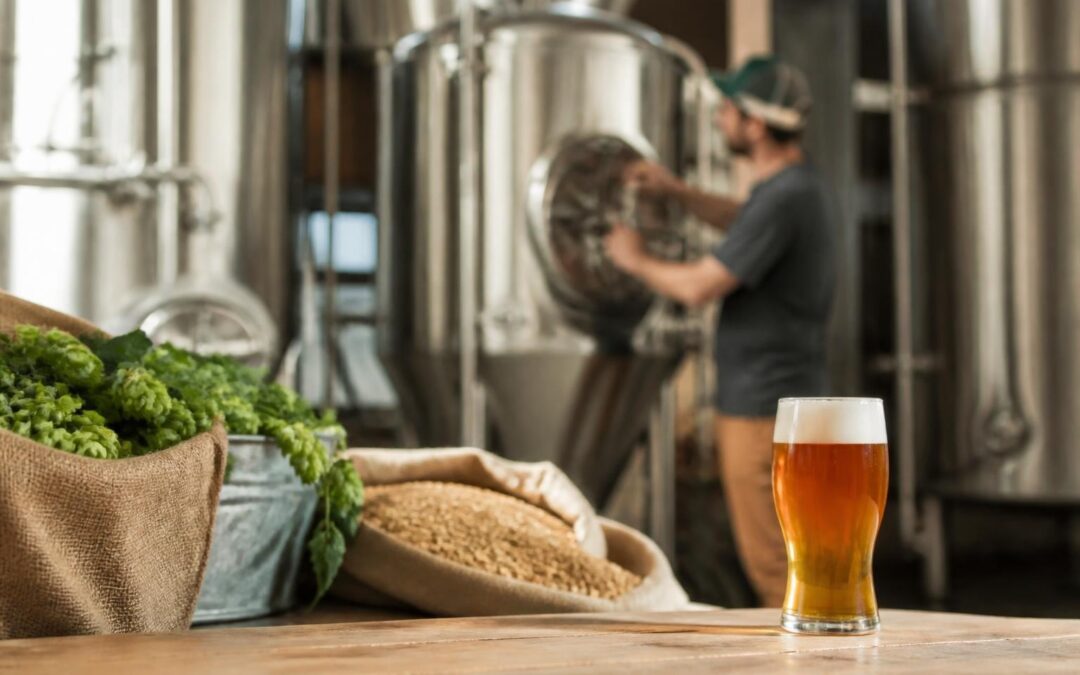
Maine has emerged as one of the nation's most celebrated craft beer destinations, with a thriving brewing culture that draws visitors from across the country. The state's breweries have built a reputation for innovation, quality, and distinctive regional character that reflects the rugged beauty and independent spirit of the Pine Tree State. From Portland's bustling beer scene to the hidden gems scattered throughout central Maine, the craft beer movement has become an integral part of the state's tourism economy and cultural identity. To view our official visitors guide click here.
The Rise of Maine's Craft Beer Industry
Maine breweries have experienced remarkable growth over the past two decades, transforming the state into a craft beer powerhouse. According to state-by-state craft beer statistics, Maine consistently ranks among the top states for breweries per capita, with over 150 licensed brewing operations serving a population of just 1.3 million residents.
This concentration of breweries reflects both consumer demand and a favorable business environment. The state's regulatory framework, overseen by the Maine Bureau of Alcoholic Beverages and Lottery Operations, has adapted to support small-scale producers while maintaining quality standards. Many entrepreneurs have successfully navigated the licensing process, contributing to the diversity of brewing styles and business models across the state.
Economic Impact and Community Contributions
The economic footprint of maine breweries extends far beyond beer sales. The Maine Brewers’ Guild community impact data demonstrates how these businesses create jobs, source ingredients locally, and contribute to tourism revenue. Breweries have become anchor businesses in many communities, revitalizing downtown districts and creating gathering spaces that foster social connections.
Key economic contributions include:
- Direct employment of brewers, servers, sales staff, and administrative personnel
- Indirect jobs through supply chains, including grain farmers, hop growers, and packaging suppliers
- Tourism spending from beer enthusiasts visiting taprooms and attending festivals
- Real estate development and downtown revitalization projects
- Tax revenue supporting local and state budgets
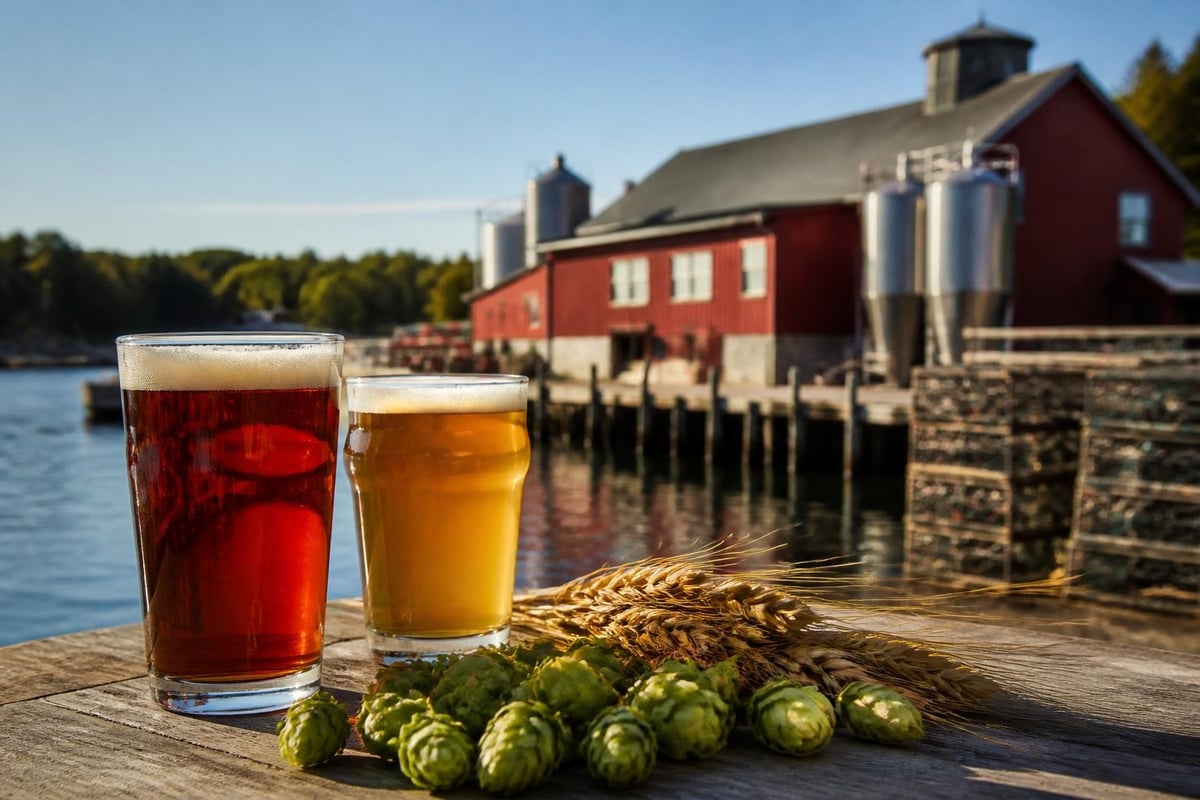
Many breweries have established themselves as community hubs, hosting fundraisers, supporting local nonprofits, and providing venues for cultural events. This civic engagement strengthens the social fabric of Maine communities while building customer loyalty and brand recognition.
Regional Brewing Traditions in Central Maine
The Kennebec Valley region has cultivated its own distinctive brewing culture, with several standout operations drawing visitors to central Maine. These breweries benefit from access to pristine water sources, proximity to agricultural suppliers, and a growing tourism infrastructure that supports outdoor recreation and cultural experiences.
Central Maine breweries often emphasize traditional brewing methods while incorporating local ingredients that reflect the region's character. Wheat from Maine farms, honey from local apiaries, and seasonal ingredients like blueberries and maple syrup appear in specialty releases that celebrate the state's agricultural heritage.
Taproom Experiences and Visitor Amenities
Modern maine breweries have evolved beyond simple production facilities to create comprehensive visitor experiences. Taprooms feature comfortable seating, outdoor spaces, and food service ranging from light snacks to full menus. Many establishments welcome families, offering non-alcoholic beverages and family-friendly atmospheres during daytime hours.
| Feature | Common Offerings | Visitor Benefits |
|---|---|---|
| Taproom Hours | Thursday-Sunday, extended summer hours | Flexible visit planning |
| Food Service | Food trucks, on-site kitchens, outside food permitted | Complete dining experience |
| Outdoor Spaces | Patios, beer gardens, riverside seating | Scenic enjoyment |
| Tours & Education | Brewing demonstrations, behind-the-scenes tours | Deeper appreciation of craft |
The taproom model has proven particularly successful in Maine, where breweries can sell directly to consumers with fewer regulatory hurdles than traditional distribution channels. This direct relationship allows brewers to gather immediate feedback, test new recipes, and build loyal customer bases.
Brewing Styles and Innovation
Maine breweries have gained national recognition for specific beer styles, particularly New England IPAs and farmhouse ales. The hazy, juicy IPA style that has swept the craft beer world originated partly in Maine, where brewers experimented with hop varieties and brewing techniques that emphasized aroma and flavor over bitterness.
Popular styles from Maine producers:
- New England IPA – Hazy appearance, tropical fruit flavors, smooth finish
- Traditional lagers – Clean, crisp beers showcasing technical precision
- Barrel-aged stouts – Complex imperial stouts aged in bourbon or wine barrels
- Farmhouse ales – Belgian-inspired beers with wild yeast and rustic character
- Fruit-forward sours – Tart, refreshing beers featuring Maine berries and fruit
Innovation remains central to Maine's brewing identity. Small batch sizes allow brewers to experiment with unusual ingredients, historical styles, and collaborative projects. Limited releases create excitement among collectors and enthusiasts, while core brands provide consistent revenue and brand recognition.
Sustainability and Environmental Stewardship
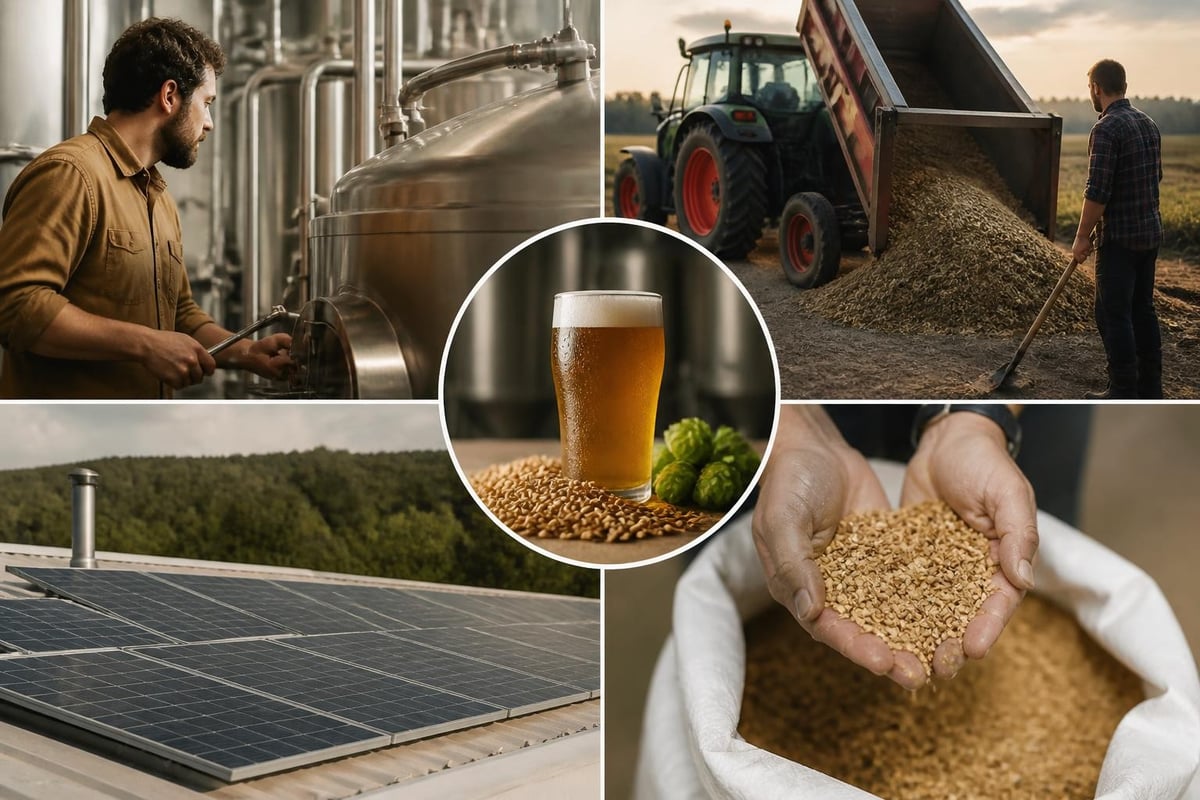
Environmental consciousness runs deep in Maine's brewing community. Many operations have implemented sustainable practices that reduce waste, conserve water, and minimize energy consumption. These efforts align with broader consumer values and Maine's outdoor recreation economy, where environmental preservation supports both quality of life and economic vitality.
Sustainable brewing practices include spent grain donation to livestock farms, solar power installations, water recycling systems, and packaging choices that emphasize recyclability. Some breweries have achieved B Corporation certification or participated in environmental audit programs that verify their sustainability claims.
Planning Your Brewery Tour
Visitors planning brewery tours in the Kennebec Valley should consider several factors to maximize their experience. The region's breweries range from small, production-focused operations with limited tasting room hours to larger establishments with extensive amenities and regular programming.
Tour planning essentials:
- Transportation – Designate a driver, use ride-sharing services, or book a guided tour
- Timing – Check operating hours and seasonal schedules, as many breweries adjust hours between winter and summer
- Reservations – Popular breweries may require advance reservations, especially for tours or large groups
- Accommodations – Plan overnight stays to visit multiple locations safely and explore other regional attractions
- Food options – Research food availability at each brewery or identify nearby dining options
The Kennebec Valley's central location provides easy access to outdoor recreation opportunities, making brewery visits part of broader adventure itineraries. Visitors can combine whitewater rafting, hiking, or cultural experiences with craft beer tourism, creating multi-day trips that showcase the region's diverse attractions. Those interested in discovering everything the area has to offer can explore upcoming events that complement brewery visits.
Pairing Beer with Maine Cuisine
Maine breweries often collaborate with local restaurants and food producers to create memorable pairing experiences. The state's seafood tradition, farm-to-table movement, and artisanal food scene provide excellent companions for craft beer.
| Food Category | Recommended Beer Styles | Why It Works |
|---|---|---|
| Fresh lobster | Pilsner, wheat beer | Light body won't overpower delicate flavors |
| Smoked seafood | Rauchbier, porter | Smoky malt complements cured fish |
| Cheese plates | Belgian ales, saisons | Complex yeast character matches varied cheese |
| BBQ and grilled meats | IPA, amber ale | Hop bitterness cuts through rich, fatty flavors |
| Blueberry desserts | Fruit lambic, stout | Complements or contrasts fruit sweetness |
Many taprooms feature regular food truck rotations, allowing visitors to sample diverse cuisines alongside craft beer. Special events often highlight local chefs, cheesemakers, or specialty food producers in collaborative dinners that celebrate Maine's culinary heritage.
Challenges and Future Outlook
Despite widespread success, maine breweries face significant challenges in 2026's competitive market. Recent industry reporting highlights concerns including market saturation, distribution difficulties, rising ingredient costs, and changing consumer preferences.
The explosion of new breweries has created intense competition for tap handles, shelf space, and consumer attention. While Maine's reputation for quality provides advantages, individual breweries must differentiate themselves through distinct brand identities, exceptional products, or unique experiences.
Distribution remains particularly challenging for smaller operations. Maine's geography, with dispersed population centers and significant rural areas, creates logistical complications. Many breweries focus primarily on taproom sales, limiting their growth potential but maintaining higher profit margins and direct customer relationships.
Adaptation Strategies
Successful maine breweries are employing various strategies to navigate current challenges and position themselves for sustainable growth. These approaches balance innovation with financial prudence, recognizing that quality and community connection provide competitive advantages that pure scale cannot replicate.
Key adaptation strategies include:
- Diversification – Adding spirits, seltzers, or non-alcoholic beverages to product lines
- Event programming – Creating regular events that drive traffic beyond casual visitors
- Wholesale partnerships – Selective distribution to premium accounts that align with brand values
- Tourism collaboration – Partnering with regional tourism organizations and complementary businesses
- Direct-to-consumer sales – Implementing online ordering and shipping where regulations permit
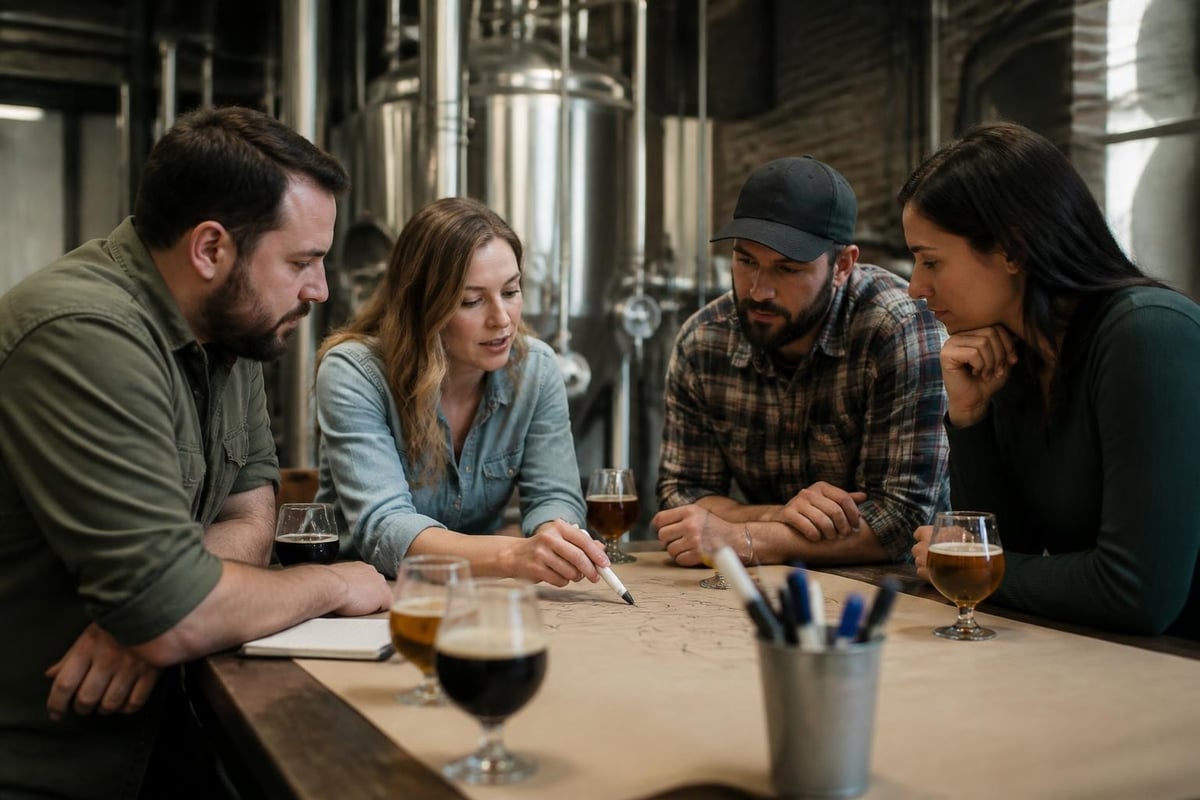
According to national craft brewing industry figures, the overall craft beer market has matured, with growth rates moderating from the explosive expansion of the 2010s. Maine breweries that survive and thrive will likely be those that build strong local followings while attracting tourists seeking authentic, place-based experiences.
Connecting Brewing and Tourism
The relationship between maine breweries and tourism represents a mutually beneficial partnership. Breweries provide unique attractions that differentiate Maine from competing destinations, while tourism drives revenue that supports brewing operations, especially in seasonal markets where local traffic fluctuates significantly.
Regional tourism organizations have recognized craft beer's drawing power, incorporating brewery trails, beer festivals, and tasting events into marketing materials and visitor guides. This integration helps visitors plan comprehensive trips while showcasing the diversity of experiences available beyond traditional tourist attractions.
The Kennebec Valley exemplifies this synergy, where breweries complement outdoor recreation, historical sites, and cultural offerings. Visitors who come primarily for rafting, fishing, or hiking often extend their stays to explore the region's brewing scene, generating additional economic activity and creating memorable experiences that encourage return visits.
Building Beer Trail Networks
Organized brewery trails create structured itineraries that encourage multi-site visits and regional exploration. These trails typically include maps, passport programs, and promotional materials that guide visitors while providing breweries with collective marketing leverage they couldn't achieve independently.
Successful trail programs balance geographic concentration with manageable distances. Visitors appreciate being able to visit three to five breweries in a day without excessive driving, while also discovering complementary attractions, restaurants, and lodging options along the route.
Digital tools have enhanced trail experiences, with mobile apps providing real-time information about hours, special releases, and events. Social media integration encourages visitors to share experiences, generating organic marketing that reaches potential visitors through trusted peer recommendations rather than traditional advertising.
Educational Opportunities and Industry Growth
The success of maine breweries has created educational pathways for aspiring brewers and industry professionals. While Maine lacks dedicated brewing schools, several community colleges and universities offer relevant coursework in fermentation science, hospitality management, and food safety.
Many established breweries offer internships, apprenticeships, or entry-level positions that provide hands-on training. This learn-by-doing approach has produced many of Maine's current head brewers, who gained expertise through years of practical experience supplemented by self-directed learning and professional development.
Learning resources for aspiring brewers:
- Professional organizations and conferences
- Online courses in brewing science and business management
- Homebrew clubs that foster experimentation and peer learning
- Industry publications covering technical and business topics
- Regulatory guidance for navigating licensing and compliance
The Maine Brewers' Guild facilitates knowledge sharing among members, organizing events where brewers discuss technical challenges, business strategies, and industry trends. This collaborative spirit, somewhat unusual in competitive industries, reflects Maine's small-town culture where mutual support benefits everyone through rising quality standards and collective reputation building.
Cultural Significance Beyond the Glass
Maine breweries have become cultural institutions that extend beyond beverage production. Taprooms serve as community gathering spaces where people connect over shared interests, local artwork adorns walls, musicians perform intimate shows, and conversations flow as freely as the beer.
This cultural role carries particular significance in rural areas where entertainment and social venues may be limited. A brewery can become the de facto town square, providing space for everything from book clubs to political discussions, fundraisers to wedding receptions.
The craft beer community also embodies values that resonate with Maine's self-image: independence, quality craftsmanship, environmental stewardship, and authentic expression. These connections between beer and identity create emotional bonds that transcend typical consumer-brand relationships, fostering loyalty and advocacy that sustains businesses through challenging times.
Maine breweries represent far more than places to enjoy quality craft beer-they're integral components of the state's economy, culture, and visitor appeal. The Kennebec Valley's brewing scene exemplifies how these businesses enhance regional tourism by providing authentic experiences that complement outdoor recreation and cultural attractions. Whether you're planning your first brewery visit or returning to explore new favorites, Kennebec Valley Tourism Council offers comprehensive resources to help you discover the best of central Maine's craft beer scene alongside the region's many other attractions.