
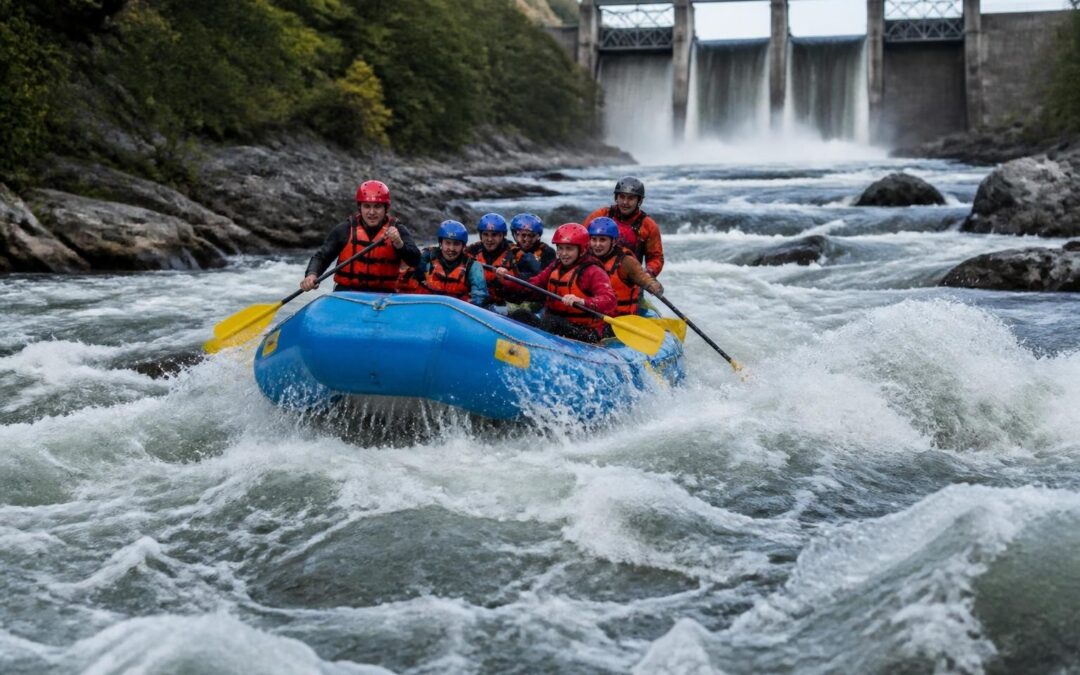
Maine's Kennebec River delivers some of the most exhilarating whitewater experiences in the northeastern United States. Flowing through the heart of the Kennebec Valley, this historic river transforms into a rafting paradise during scheduled dam releases, creating powerful rapids that challenge and delight adventurers of all skill levels. Whether you're a first-timer seeking guided thrills or an experienced rafter looking for your next adrenaline rush, kennebec white water rafting offers an unforgettable journey through stunning gorges and pristine wilderness. To view our official visitors guide click here. For a list of rafting guides click here.
Understanding the Kennebec River
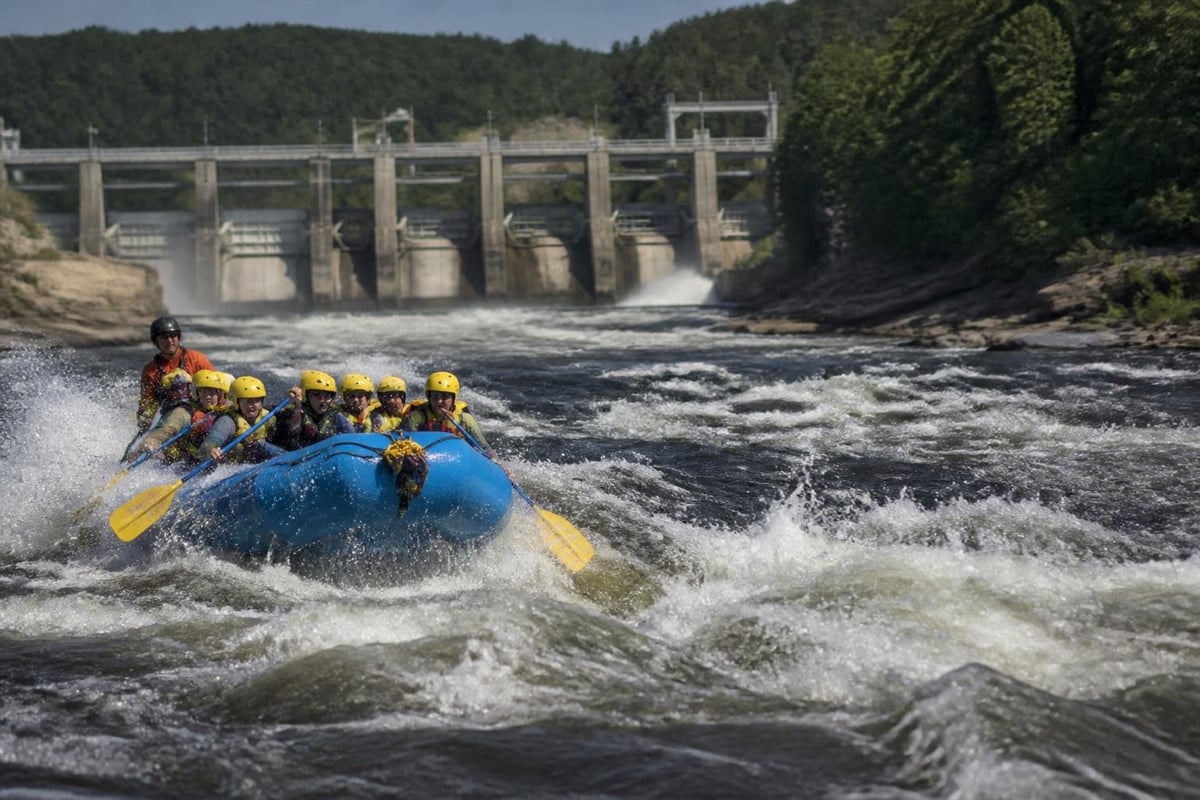
The Kennebec River stretches approximately 170 miles through central Maine, with its whitewater rafting section concentrated in a dramatic 12-mile gorge below Harris Station Dam. This section features continuous Class III and IV rapids, with occasional Class V challenges during high-water releases. The river's character changes throughout the season based on water volume and temperature, creating diverse experiences for rafters.
Dam-Controlled Flow System
Unlike natural rivers that depend on seasonal rainfall and snowmelt, kennebec white water rafting operates on a controlled release schedule. Harris Station Dam releases water on specific dates throughout the rafting season, creating consistent and predictable conditions. These scheduled releases typically occur from May through October, with the most powerful flows happening during spring and early summer months.
Key Release Schedule Benefits:
- Predictable water levels for safe trip planning
- Consistent rapid formations throughout the season
- Extended rafting season beyond natural snowmelt periods
- Ability to schedule trips weeks or months in advance
The controlled nature of the Kennebec distinguishes it from other New England rivers. While natural rivers may run too low in summer or dangerously high during storms, the Kennebec River maintains reliable conditions that outfitters can plan around with confidence.
Rapids and River Features
The 12-mile stretch below Harris Station includes more than a dozen named rapids, each presenting unique challenges and thrills. Magic Falls stands out as the river's signature feature, a Class V drop that generates massive waves and hydraulics. Most commercial trips navigate around this extreme rapid, though some advanced trips offer the option to run it.
Notable Rapids Classification
| Rapid Name | Class Rating | Key Features | Difficulty Level |
|---|---|---|---|
| Big Mama | III-IV | Large standing waves | Moderate |
| Three Sisters | III | Triple wave train | Moderate |
| Magic Falls | V | Vertical drop, powerful hydraulics | Expert |
| Whitewasher | IV | Technical maneuvers required | Advanced |
| Rock Garden | II-III | Boulder navigation | Beginner-Moderate |
The rapids progression allows rafters to build confidence gradually. Early sections feature smaller Class II and III rapids where guides teach paddling techniques and commands. Mid-river sections intensify with powerful Class IV rapids demanding coordinated teamwork. Understanding whitewater rafting opportunities helps adventurers select trips matching their experience and comfort levels.
Between major rapids, calmer pools provide opportunities to appreciate the gorge's natural beauty. Towering granite walls rise hundreds of feet above the river, creating a dramatic wilderness corridor. Wildlife sightings frequently include bald eagles, ospreys, deer, and occasionally moose along the shoreline.
Choosing Your Rafting Experience
Multiple professional outfitters operate kennebec white water rafting trips, each offering distinct trip styles and amenities. The Raft Maine Association maintains safety standards and professional guidelines that member companies follow, ensuring consistent quality across the industry.
Trip Duration Options
Half-Day Adventures run approximately 3-4 hours on the water, covering the main rapid sections. These condensed trips suit travelers with limited time or those testing their interest in whitewater rafting. Morning and afternoon departures allow flexibility for incorporating other Kennebec Valley activities.
Full-Day Expeditions extend 6-8 hours, including riverside lunch breaks and more leisurely pacing through the gorge. Extended time allows guides to share more information about the river's ecology, geology, and history. Full-day trips often include additional swimming opportunities and time to appreciate the wilderness setting.
Multi-Day Packages combine rafting with camping, additional river runs, or other outdoor adventures like rock climbing and hiking. These comprehensive experiences immerse participants in the region's outdoor recreation opportunities while building camaraderie among group members.
Group Composition Considerations
- Family trips accommodate children as young as 8-10 years old on standard releases
- Adventure trips cater to thrill-seekers wanting maximum challenge
- Corporate groups utilize rafting for team-building exercises
- Private charters offer customized experiences for special occasions
Water temperature varies significantly throughout the season. Spring and early summer runs feature cold water requiring wetsuits, while late summer trips may allow for comfortable swimming in just shorts and t-shirts. Outfitters provide all necessary safety equipment including helmets, life jackets, and appropriate thermal protection.
Seasonal Variations and Optimal Timing
Kennebec white water rafting season spans roughly May through October, with distinct characteristics defining each period. Water volume, temperature, and crowd levels shift dramatically across these months, creating varied experiences for participants.
Spring Season (May-June)
Spring releases feature the highest water volumes and most powerful rapids. Cold snowmelt-supplemented flows create massive waves and intense hydraulics that challenge even experienced rafters. Water temperatures hover in the 40-50°F range, requiring full wetsuits and splash jackets.
Spring Advantages:
- Maximum rapid intensity and wave size
- Fewer crowds on weekday trips
- Lush forest scenery with spring foliage
- Extended daylight hours for afternoon trips
The combination of cold water and powerful rapids makes spring trips more physically demanding. However, whitewater rafting enthusiasts often consider this period ideal for experiencing the river's full potential.
Summer Season (July-August)
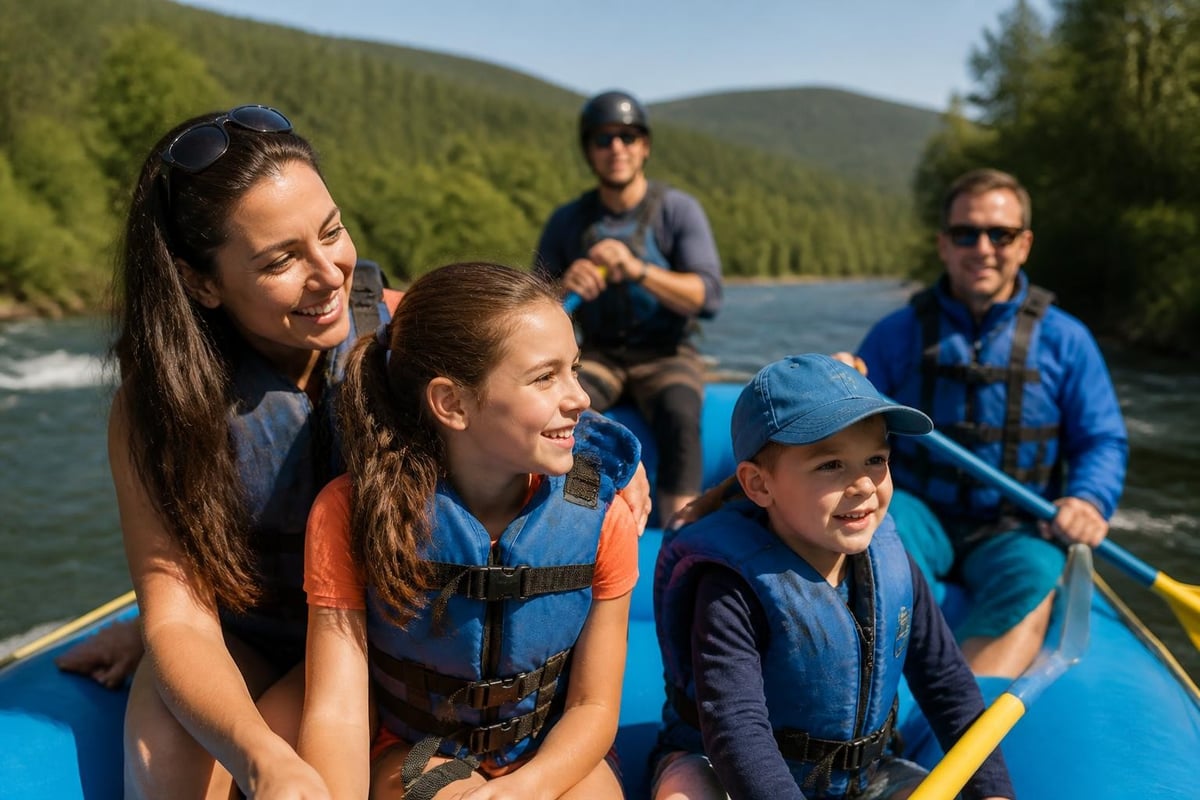
Summer brings warmer water temperatures and moderate flows perfect for families and first-time rafters. Rapids remain exciting but less intimidating than spring levels. Water temperatures reach 60-70°F, allowing comfortable rafting in minimal thermal protection.
Peak summer weekends attract maximum crowds, with multiple trips launching throughout the day. Booking several weeks in advance becomes essential for preferred dates. The trade-off comes in vibrant base camp atmospheres with barbecues, live music, and social energy.
Fall Season (September-October)
Fall releases offer spectacular foliage viewing combined with moderate water levels. Crisp air temperatures and warm water create comfortable rafting conditions. Weekend trips remain popular, but midweek availability increases significantly.
| Season | Water Temp | Rapids Intensity | Crowd Level | Booking Window |
|---|---|---|---|---|
| Spring | 40-50°F | Extreme | Moderate | 2-4 weeks |
| Summer | 60-70°F | Moderate | High | 4-8 weeks |
| Fall | 55-65°F | Moderate | Low-Moderate | 1-3 weeks |
Safety Standards and Requirements
Professional kennebec white water rafting outfitters maintain rigorous safety protocols established through decades of industry experience. All guides complete extensive training programs covering river rescue, first aid, CPR, and swift-water techniques. Most lead guides possess certifications from organizations like the American Canoe Association.
Participant Requirements
Minimum age restrictions typically range from 8-10 years old depending on water levels and trip type. Children must meet weight requirements (usually 50+ pounds) to properly fit safety equipment. Physical fitness expectations vary by trip intensity, though standard trips accommodate most healthy individuals.
Swimming ability requirements differ among outfitters. While strong swimming skills provide confidence, many companies accept non-swimmers who feel comfortable in water while wearing life jackets. Guides receive training in assisting participants of varying ability levels.
Medical Considerations:
- Participants should disclose relevant health conditions
- Pregnancy typically excludes participation
- Recent surgeries may require physician clearance
- Heart conditions warrant careful trip selection
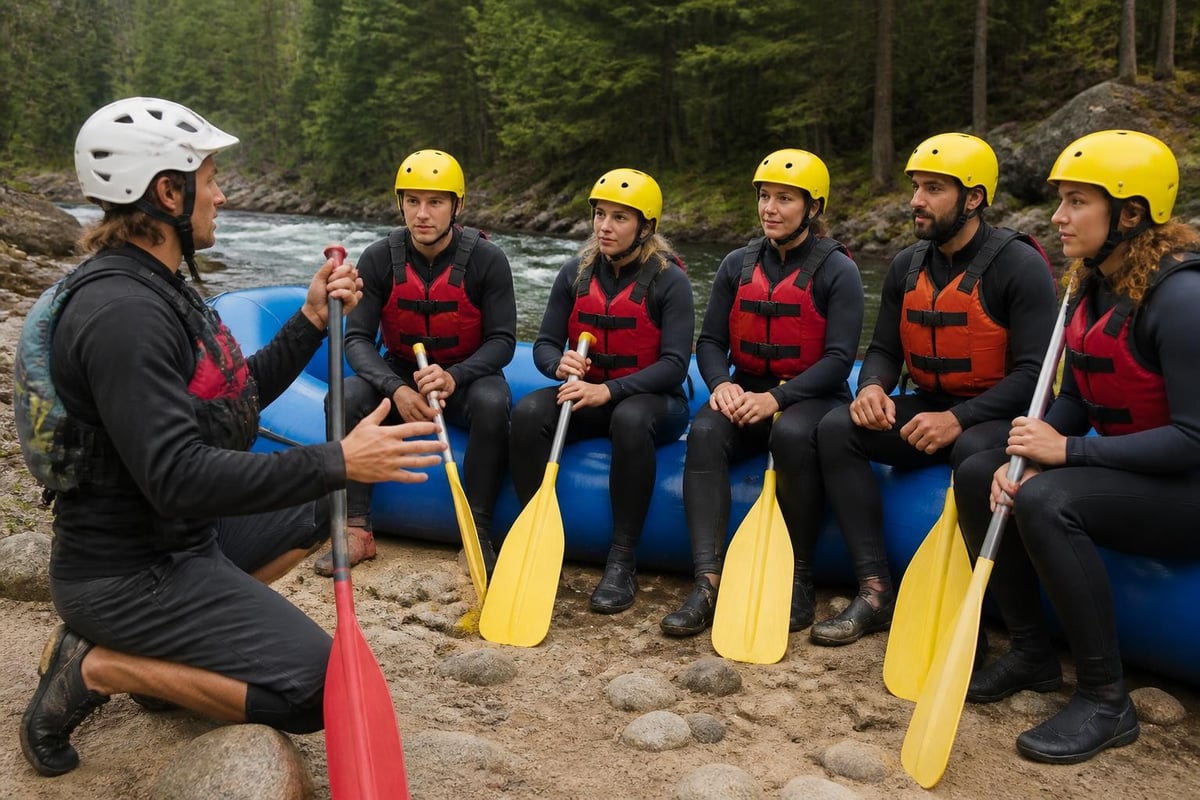
All participants receive comprehensive safety briefings before launching. These orientations cover paddle commands, swimming positions if ejected from the raft, and proper body positioning through rapids. Guides emphasize that following instructions significantly reduces risk while maximizing enjoyment.
Preparing for Your Adventure
Successful kennebec white water rafting experiences begin with proper preparation. Understanding what to bring, wear, and expect helps participants focus on enjoyment rather than logistics.
What to Wear
- Quick-dry synthetic materials for base layers (avoid cotton)
- Secure footwear that stays on in current (old sneakers, water shoes, or sport sandals with straps)
- Sun protection including hats, sunglasses with retaining straps, and waterproof sunscreen
- Minimal jewelry to prevent loss or snagging
Outfitters provide wetsuits, splash jackets, helmets, and personal flotation devices. These items get fitted during check-in, allowing time for adjustments before departure. Most companies offer secure storage for valuables, phones, and car keys during trips.
Physical Preparation
While rafting doesn't require exceptional fitness, some conditioning helps maximize enjoyment. Paddling engages core muscles, shoulders, and arms through repetitive motions over several hours. Basic cardiovascular fitness ensures comfortable participation without excessive fatigue.
Mental preparation matters equally. Rapids generate intense sensory experiences with splashing water, loud roaring, and rapid elevation changes. First-timers sometimes feel overwhelmed initially but typically adapt within the first few rapids as confidence builds.
Beyond the Rapids
The Kennebec Valley offers extensive recreation and cultural opportunities complementing whitewater adventures. Many visitors combine rafting with hiking, fishing, mountain biking, or exploring historic communities throughout the region.
Complementary Activities
Professional outfitters often operate from base camps featuring additional amenities. Hot tubs, saunas, game rooms, and dining facilities create resort-like atmospheres. Some locations include zip lines, rock climbing walls, or rope courses for guests seeking varied adventures.
Maine’s outdoor recreation extends beyond rafting to encompass hundreds of miles of hiking trails, pristine lakes for paddling, and world-class fishing opportunities. The Kennebec Valley region provides convenient access to these diverse experiences within short driving distances.
Cultural attractions include historic towns like Augusta and Waterville, featuring museums, galleries, restaurants, and breweries. The region's agricultural heritage manifests in farmers markets, farm-to-table dining, and agritourism operations offering berry picking and farm tours.
Lodging Options
Accommodation choices range from rustic camping to luxury resorts. Many rafting outfitters operate on-site lodging including:
- Primitive campsites for budget-conscious adventurers
- Platform tent sites offering elevated comfort
- Bunkhouses providing affordable indoor sleeping
- Private cabins with full amenities for families or groups
The region also features numerous bed and breakfasts, hotels, and vacation rentals throughout surrounding communities. Planning lodging early becomes crucial during peak summer weekends when availability tightens.
Outfitter Selection Criteria
Choosing among multiple professional companies requires evaluating several factors beyond basic trip offerings. Reputation, experience, equipment quality, and customer service distinguish superior operators from adequate ones.
Evaluation Factors
Safety Record: Research companies' safety histories and guide qualifications. Established outfitters maintain excellent safety records through consistent training and equipment maintenance.
Equipment Quality: Inspect photos of rafts, safety gear, and facilities. Well-maintained equipment indicates professional operations prioritizing participant safety and comfort.
Guide Experience: Inquire about guide training programs and average tenure. Experienced guides enhance trips through river knowledge, storytelling ability, and crisis management skills.
Customer Reviews: Read recent reviews across multiple platforms, noting patterns in feedback. Consistent praise for specific aspects (guide quality, food, facilities) indicates reliable strengths.
Group Size Philosophy: Some companies maximize raft capacity while others limit numbers for premium experiences. Determine which approach aligns with your preferences.
Price Considerations
Kennebec white water rafting trips typically range from $80-150 per person for standard half-day adventures, with full-day expeditions costing $100-200. Premium experiences with gourmet meals, professional photography, or exclusive guides command higher rates.
| Trip Type | Typical Duration | Average Price Range | Included Amenities |
|---|---|---|---|
| Standard Half-Day | 3-4 hours | $80-120 | Basic lunch, equipment |
| Full-Day Standard | 6-8 hours | $100-150 | Riverside lunch, photos |
| Premium Full-Day | 6-8 hours | $150-200+ | Gourmet meal, pro photos, small groups |
| Multi-Day Package | 2-3 days | $300-600 | Lodging, meals, multiple activities |
Discounts often apply for large groups, early booking, or midweek trips. Package deals combining rafting with lodging and additional activities provide value for extended stays.
Environmental Stewardship
The Kennebec River ecosystem supports diverse wildlife and plant communities requiring protection for future generations. Responsible kennebec white water rafting practices minimize environmental impact while maximizing appreciation for this natural resource.
Leave No Trace Principles
Professional outfitters implement strict waste management protocols. All trash, including organic waste, returns to base facilities for proper disposal. Biodegradable soaps and cleaning products protect water quality. Designated bathroom stops utilize established facilities rather than impacting riverside areas.
Participants contribute to conservation by:
- Following guide instructions regarding shoreline areas
- Avoiding disturbance of wildlife or vegetation
- Properly disposing of all personal waste
- Supporting outfitters with strong environmental practices
The paddling community actively advocates for river protection through organized cleanups, habitat restoration projects, and water quality monitoring. Many outfitters participate in or sponsor these initiatives as part of their operational philosophy.
Historical Context and River Heritage
The Kennebec River served as a vital transportation corridor for Native American peoples for thousands of years before European settlement. The Wabanaki Confederacy utilized the river for trade, fishing, and seasonal migration between coastal and interior regions.
European colonization transformed the river into an industrial powerhouse. Logging operations floated millions of board-feet of timber downstream to coastal mills. Paper manufacturing, textile production, and hydroelectric generation shaped communities throughout the watershed. The dams controlling today's whitewater releases represent this industrial legacy.
Modern recreation represents a dramatic shift from the river's working past. Where log drives once dominated spring flows, rafts now navigate released water. This transformation demonstrates successful adaptation of historical infrastructure for contemporary enjoyment while maintaining the river's economic contribution to regional communities.
Understanding this heritage enriches the rafting experience. Guides often share stories of river drivers, industrial-era communities, and the ecosystem's recovery from pollution that plagued mid-20th century conditions. Today's clean, vibrant river represents decades of conservation effort and regulatory improvement.
Planning Your Visit
Successful kennebec white water rafting adventures require advance planning, particularly during peak season. Reservation timing, transportation logistics, and itinerary coordination ensure smooth experiences without unnecessary stress.
Booking Timeline
- 8-12 weeks ahead: Reserve peak summer weekend trips
- 4-6 weeks ahead: Book standard summer weekday trips
- 2-4 weeks ahead: Schedule spring or fall adventures
- 1-2 weeks ahead: Find availability on off-peak dates
Many outfitters require deposits at booking, with final payment due several days before trips. Cancellation policies vary, though weather-related cancellations typically receive full refunds or rescheduling options.
Transportation and Logistics
The Kennebec Valley sits approximately:
- 75 miles north of Portland, Maine
- 160 miles northeast of Boston, Massachusetts
- 90 miles south of Bangor, Maine
Most rafting outfitters operate from locations near The Forks, Maine, accessible via Route 201. This scenic byway traverses rural landscapes with limited cell service in sections. GPS coordinates prove more reliable than street addresses for navigation.
Outfitters provide shuttle service from base camps to put-in locations and back from take-out points. Participants should plan arrival times allowing for check-in, equipment fitting, and safety briefings before departure.
The Kennebec River offers world-class whitewater adventures accessible to rafters of all experience levels, combining natural beauty with thrilling rapids in Maine's stunning wilderness. Whether planning a family introduction to rafting or seeking expert-level challenges, the controlled releases and professional outfitters create ideal conditions throughout the extended season. Kennebec Valley Tourism Council provides comprehensive resources to help you plan your complete visit, including lodging options, dining recommendations, and additional activities that showcase everything this remarkable region offers beyond the river.