
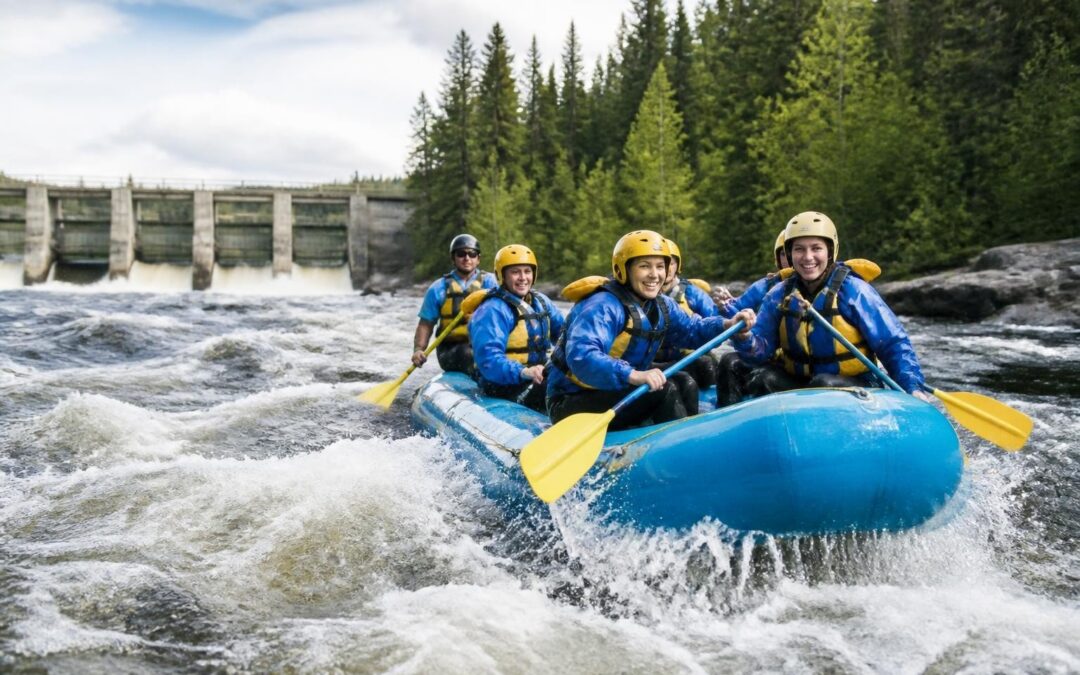
The Kennebec River cuts through the heart of Maine, offering one of the most exhilarating whitewater experiences in the northeastern United States. This powerful waterway transforms from a peaceful stream into a thundering rush of Class III to Class V rapids, creating the perfect environment for adventure seekers and families alike. Whether you're a first-time rafter or an experienced paddler, kennebec river white water rafting delivers unforgettable moments against a backdrop of pristine wilderness and dense forests. To view our official visitors guide click here. For a list of rafting guides click here.
Understanding the Kennebec River System
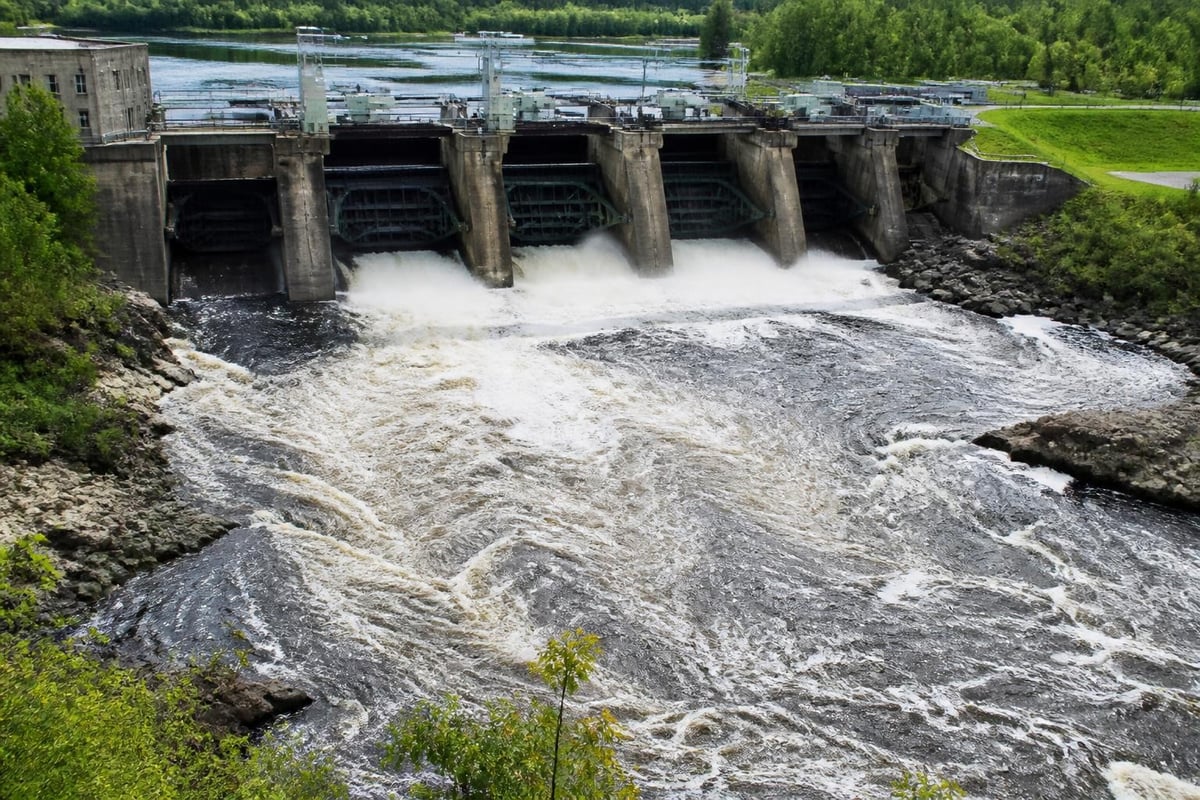
The Kennebec River stretches approximately 170 miles through Maine, but the premier whitewater section runs for 12 miles through a spectacular gorge below Harris Station Dam. This controlled-release section creates consistent, predictable rapids that operate on a scheduled release system.
Dam-Controlled Rapids
Harris Station Dam releases water on specific days throughout the rafting season, typically from late April through mid-October. These scheduled releases transform a relatively calm river into a whitewater playground with flows ranging from 4,800 to 8,000 cubic feet per second. The dam-controlled nature ensures reliable conditions regardless of natural rainfall patterns.
The predictability of water releases allows rafting companies to schedule trips with confidence. Morning releases typically create the most powerful rapids, while afternoon sessions may offer slightly mellower conditions as water levels gradually decrease.
Key Release Benefits:
- Consistent water levels throughout the season
- Safe, predictable rapid formations
- Extended rafting season beyond natural high-water periods
- Optimal flow rates for various skill levels
Rapid Classifications and What to Expect
Kennebec river white water rafting features an exciting progression of rapids, each with distinct characteristics and challenge levels. Understanding these classifications helps paddlers prepare mentally and physically for the adventure ahead.
Major Rapids Breakdown
| Rapid Name | Class | Key Features | Challenge Level |
|---|---|---|---|
| Magic Falls | V | 12-foot drop, must-run | Advanced |
| Whitewasher | IV | Powerful hydraulics | Intermediate-Advanced |
| Three Sisters | III-IV | Sequential wave trains | Intermediate |
| Big Mama | III | Large standing waves | Beginner-Friendly |
Magic Falls stands as the crown jewel of the Kennebec experience. This Class V rapid features a dramatic 12-foot vertical drop that sends rafts plunging into churning whitewater below. Professional guides navigate this section with precision, ensuring safety while delivering maximum thrills.
The progression of rapids allows newcomers to build confidence gradually. Early rapids like Alleyway and Rock Garden provide gentle introductions to whitewater dynamics before the river intensifies through the gorge's midsection.
Between major rapid sections, calmer pools offer opportunities to catch your breath, take in the scenery, and even enjoy a refreshing swim in designated areas. These recovery periods make the full experience manageable for participants of varying fitness levels.
Planning Your Rafting Season
The kennebec river white water rafting season spans approximately six months, with each period offering distinct experiences. Strategic timing can significantly impact your adventure quality and overall satisfaction.
Spring Season (Late April – June)
Spring brings the highest water volumes and most powerful rapids. Snowmelt combines with dam releases to create maximum intensity conditions. Water temperatures remain cold, typically between 45-55 degrees Fahrenheit, requiring wetsuits for all participants.
This season attracts experienced rafters seeking the most challenging conditions. The surrounding landscape bursts with new growth, and wildlife becomes particularly active after winter dormancy.
Summer Peak (July – August)
Summer represents the busiest period for Maine outdoor activities, with warm air temperatures and perfect vacation weather. Water temperatures rise to 60-70 degrees, making the experience more comfortable for families and first-timers.
Booking advance reservations becomes essential during this period, particularly for weekends and holidays. Many outfitters offer additional trip times to accommodate increased demand.
Summer Advantages:
- Warmest water temperatures
- Longest daylight hours
- Ideal family vacation timing
- Comfortable camping conditions
Fall Season (September – October)
Fall delivers spectacular foliage rafting opportunities. The Kennebec gorge transforms into a kaleidoscope of reds, oranges, and golds. Cooler temperatures return, but the visual rewards make this period incredibly popular with photographers and nature enthusiasts.
Water releases continue through mid-October, weather permitting. Crowds diminish significantly after Labor Day, offering more personalized experiences and better availability for spontaneous trips.
Choosing Professional Outfitters
The Raft Maine Association represents professional outfitters maintaining rigorous safety standards and environmental stewardship practices. These companies provide all necessary equipment, expert guides, and comprehensive safety briefings.
What Outfitters Provide
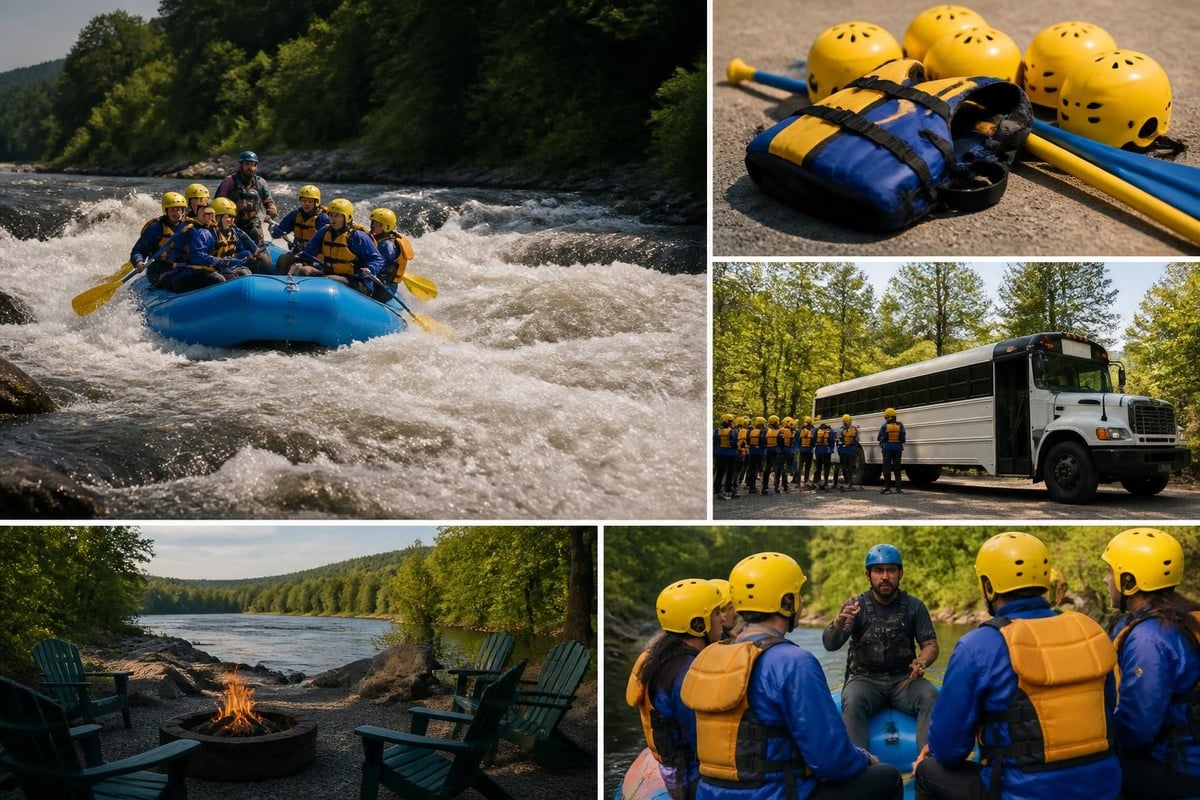
Professional kennebec river white water rafting companies handle every logistical detail. Standard packages include Coast Guard-approved personal flotation devices, helmets, paddles, wetsuits when needed, and riverside changing facilities.
Transportation from base facilities to put-in points and return shuttles come standard with most trips. Guides carry extensive wilderness first aid certifications and complete hundreds of hours of river-specific training before leading commercial trips.
Many outfitters operate full-service adventure resorts near The Forks, Maine, combining rafting with additional amenities. These facilities typically feature cabin accommodations, restaurants, hot tubs, and evening entertainment programs.
Trip Duration Options
| Trip Type | Duration | Rapid Count | Best For |
|---|---|---|---|
| Half-Day | 3-4 hours | Full gorge | Time-limited visitors |
| Full-Day | 6-8 hours | Extended experience | Maximum adventure |
| Multi-Day | 2-3 days | Multiple rivers | Comprehensive exploration |
Half-day trips cover the essential gorge section, including all major rapids. These condensed adventures work perfectly for travelers balancing multiple Maine attractions or those testing whitewater rafting for the first time.
Full-day excursions add riverside lunch stops, swimming opportunities, and more relaxed pacing. Guides share regional history, point out wildlife, and create a more immersive wilderness experience beyond the adrenaline rush.
Safety Protocols and Requirements
Safety remains paramount in kennebec river white water rafting operations. Professional outfitters implement multiple layers of protection to ensure participant well-being while maintaining the adventure's excitement.
Physical Requirements
Participants must typically meet minimum age requirements, usually 10-15 years depending on water levels and rapid classifications. Weight restrictions apply for certain trip types, generally requiring participants to exceed 90 pounds for proper equipment fitting.
Swimming ability, while beneficial, isn't always mandatory. However, comfort in water and ability to follow guide instructions prove essential. Anyone with heart conditions, back problems, or pregnancy should consult physicians before booking.
Pre-Trip Checklist:
- Complete liability waivers and health questionnaires
- Arrive well-hydrated and properly nourished
- Wear synthetic or wool layers (never cotton)
- Secure eyeglasses with retention straps
- Apply waterproof sunscreen generously
Guide Qualifications
Professional river guides undergo extensive certification processes. Most hold American Canoe Association or similar credentials, complete swift-water rescue training, and maintain current CPR and wilderness first aid certifications.
Lead guides typically accumulate multiple seasons of experience before assuming primary raft command. They study river hydraulics, weather patterns, and emergency protocols continuously throughout their careers. The guide-to-guest ratio never exceeds six participants per guide during standard trips.
Beyond the Rapids Experience
Kennebec river white water rafting encompasses more than just navigating whitewater. The complete experience integrates natural beauty, wildlife encounters, and regional cultural elements that define Maine's character.
Wildlife Viewing Opportunities
The Kennebec River corridor supports diverse wildlife populations. Bald eagles nest along the upper sections, while osprey hunt the calmer pools between rapids. Moose occasionally appear along riverbanks during early morning trips, particularly in spring and fall.
River otters play in eddies, and various fish species including Atlantic salmon use the river as a migration corridor. According to rafting resources, the surrounding forest hosts black bears, white-tailed deer, and numerous songbird species.
Guides point out wildlife viewing opportunities between rapid sections, sharing knowledge about local ecosystems and conservation efforts. These educational components add depth to the adventure, particularly for families with nature-curious children.
Historical and Cultural Context
The Kennebec River served Native American tribes for thousands of years before European settlement. The waterway functioned as a major transportation route and sustained indigenous populations through fishing and seasonal migrations.
Later, the river powered lumber mills and supported logging operations that defined Maine's economic development. Evidence of this industrial heritage appears throughout the gorge in the form of old pilings and structural remnants.
Modern recreational use represents the latest chapter in the river's evolving relationship with human activity. This transformation from industrial waterway to adventure destination reflects broader conservation successes and changing regional priorities.
Combining Rafting with Regional Attractions
The Kennebec Valley offers numerous complementary activities that create comprehensive Maine vacations. Strategic trip planning allows visitors to experience the region's full spectrum of outdoor recreation and cultural attractions.
Multi-Activity Adventures
Many rafting outfitters package whitewater trips with additional adventures. Zipline courses, rock climbing walls, mountain biking trails, and ATV excursions operate from the same base facilities. These combinations maximize adventure value while maintaining convenient logistics.
Whitewater rafting opportunities in Maine extend beyond the Kennebec to include the Dead River, Penobscot River, and smaller tributaries. Multi-day adventure packages often combine different rivers for varied experiences.
Fishing expeditions, moose safaris, and hiking excursions complement rafting perfectly. The surrounding wilderness areas feature extensive trail networks ranging from easy nature walks to challenging summit climbs.
Lodging and Dining Options
Accommodation choices span from rustic campgrounds to full-service resorts. Many visitors combine kennebec river white water rafting with stays in nearby towns offering bed-and-breakfasts, vacation rentals, and traditional hotels.
Local restaurants specialize in Maine cuisine, featuring fresh seafood, wild blueberries, and locally sourced ingredients. Post-rafting celebrations often include traditional lobster bakes and regional craft beer tastings.
The town of The Forks serves as the primary hub for rafting operations, offering convenient access to put-in points and outfitter facilities. Planning a trip to Maine becomes simpler when centralizing accommodations near primary activity locations.
Equipment and What to Bring
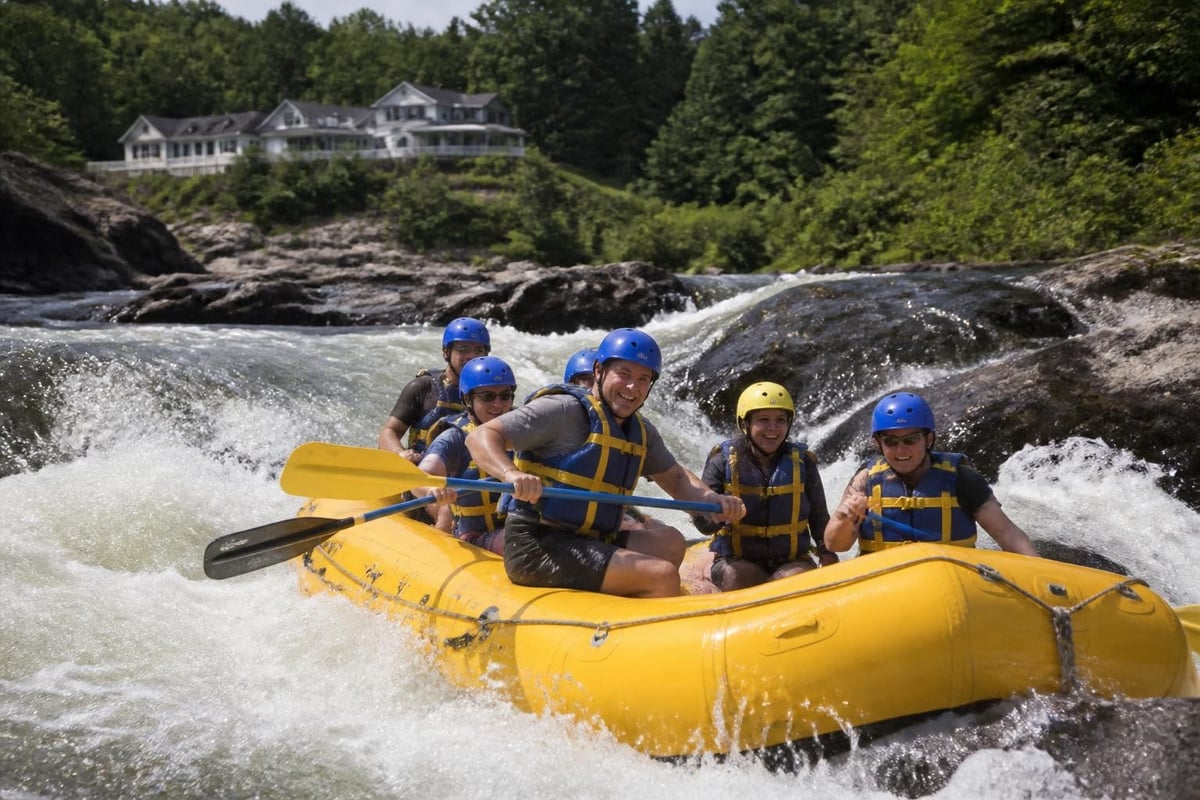
Proper preparation enhances comfort and enjoyment during kennebec river white water rafting adventures. Understanding what outfitters provide versus what you should bring prevents last-minute complications.
Provided vs. Personal Gear
Outfitters supply all safety-critical equipment including rafts, paddles, helmets, and Coast Guard-approved PFDs. Wetsuits, splash jackets, and river shoes are typically available as part of standard packages or modest rental fees.
Personal items should include swimwear as a base layer, complete change of dry clothes for afterward, and towels. Waterproof cameras or action cameras with secure mounts capture memories without risk of loss.
Essential Personal Items:
- Quick-dry synthetic clothing (no cotton)
- Secure footwear (old sneakers or water shoes)
- Sunglasses with retention strap
- Waterproof sunscreen (SPF 30+)
- Water bottle (some outfitters provide)
Photography Considerations
Capturing rafting memories requires waterproof equipment or protective cases. Many outfitters offer professional photography services, with photographers positioned at major rapids to document your descent through signature drops.
Action cameras like GoPros work well when properly secured to helmets or raft frames. However, handheld devices risk loss during turbulent sections. Most outfitters prohibit loose items that could become dangerous projectiles during flips or sudden impacts.
Environmental Stewardship and Conservation
Responsible kennebec river white water rafting operations prioritize environmental protection and sustainable practices. Understanding these principles helps visitors contribute positively to conservation efforts.
Leave No Trace Principles
Professional outfitters adhere strictly to Leave No Trace ethics. All waste generated during trips returns to base facilities for proper disposal. Guides educate participants about respecting wildlife, staying on designated paths, and minimizing impact on fragile riverbank vegetation.
The Kennebec's relatively pristine condition results from decades of conservation work and responsible recreation management. Water quality monitoring, habitat restoration projects, and fisheries management programs maintain the river's ecological health.
Supporting Local Conservation
Many rafting companies contribute portions of revenue to river conservation organizations and local environmental groups. These funds support habitat restoration, invasive species management, and educational programs that benefit the broader watershed.
Visitors can enhance their positive impact by supporting local businesses, respecting private property boundaries, and following all posted regulations. The economic benefits of outdoor recreation create incentives for continued environmental protection throughout the region.
Preparing First-Time Rafters
First-time participants often have questions about what kennebec river white water rafting actually entails. Detailed guides to Kennebec River rafting address common concerns and help newcomers prepare mentally and physically.
Managing Expectations
Whitewater rafting involves getting wet, experiencing physical exertion, and accepting some level of controlled risk. Modern equipment and professional guides minimize danger significantly, but the adventure nature means unpredictability remains part of the experience.
Rafts occasionally flip in larger rapids, though this happens less frequently than many first-timers fear. When flips occur, guides implement practiced rescue protocols, and all participants wear flotation devices ensuring they remain on the surface.
Common First-Timer Concerns:
- "Will I fall out?" (Possible but unlikely with proper positioning)
- "Do I need to be strong?" (Average fitness sufficient)
- "What if I panic?" (Guides are trained for this)
- "Is it dangerous?" (Statistically very safe with professionals)
Physical Preparation
No special athletic training is required for kennebec river white water rafting, though general cardiovascular fitness enhances enjoyment. Paddling engages core muscles, shoulders, and arms, so some upper body strength helps but isn't mandatory.
Pre-trip stretching, particularly for shoulders and lower back, prevents soreness afterward. Staying hydrated in the days leading up to your trip ensures peak performance and reduces fatigue during long paddle sections.
Many outfitters offer practice sessions before launching, allowing participants to learn paddle strokes, practice commands, and ask questions in calm water. These orientations significantly boost confidence before encountering the first rapid.
Seasonal Events and Special Trips
Beyond standard rafting excursions, seasonal events and specialty trips add unique dimensions to the kennebec river white water rafting experience throughout the year.
Spring Melt Madness
The season's opening weeks feature the most extreme water conditions as spring runoff combines with dam releases. Experienced rafters specifically target this period for maximum challenge and adrenaline.
Special early-season trips often include extended camping packages and bonfire celebrations. The relative scarcity of crowds creates a more intimate wilderness experience for dedicated enthusiasts.
Full Moon Rafting
Select outfitters offer evening trips timed with full moon phases during summer months. These magical excursions combine whitewater thrills with sunset colors and moonlit rapids navigation using headlamps and raft-mounted lights.
Full moon trips require more advanced skills and typically have stricter age and experience requirements. The unique perspective on familiar rapids creates entirely different sensory experiences compared to daylight runs.
Corporate and Group Adventures
Team-building groups frequently choose kennebec river white water rafting for corporate retreats and organizational development programs. The shared challenge of navigating rapids creates bonding opportunities and collaborative problem-solving experiences.
Large group packages include customized safety briefings, team competitions between rafts, and private riverside lunch facilities. Many companies return annually, making rafting adventures part of their organizational culture.
Getting to the Kennebec Valley
Accessibility from major population centers makes the Kennebec Valley a convenient destination for both regional visitors and travelers from across the country.
Transportation Options
The closest major airport is Portland International Jetport, approximately 90 miles south of primary rafting areas. Augusta State Airport offers regional connections, while Bangor International Airport serves northeastern approaches.
Highway access via Interstate 95 provides straightforward routes from Boston (approximately 3.5 hours), Portland (2 hours), and points north into Canada. Most outfitters provide detailed directions and GPS coordinates for easy navigation to their facilities.
For international travelers exploring multiple destinations, services similar to reliable private transfers operating in other adventure tourism regions offer comparable convenience for navigating between Maine airports and activity centers, though local shuttle options and rental vehicles remain the primary transportation methods in the Kennebec Valley.
Regional Navigation
Exploring western Maine requires understanding that many rafting destinations occupy remote locations with limited cell service. Downloading offline maps and confirming directions before departing ensures smooth arrivals.
Most outfitters send detailed arrival instructions upon booking confirmation. These typically include landmark-based navigation tips for the final approach roads where GPS signals may become unreliable.
Weather Considerations and Trip Modifications
Understanding how weather impacts kennebec river white water rafting helps visitors plan appropriately and adjust expectations based on conditions.
Temperature Variations
Air temperatures in the Kennebec region range from 50-85°F during rafting season. Morning trips experience cooler conditions, while afternoon excursions benefit from peak warming. Water temperatures remain consistently cooler than air, typically 10-20 degrees lower.
Layering proves essential for comfort across temperature swings. Morning chill gives way to afternoon warmth, and getting soaked in the first rapid means spending hours in wet clothing. Synthetic materials maintain insulation even when wet, unlike cotton which becomes dangerously cold.
Rain and Lightning Protocols
Light to moderate rain doesn't impact trip operations since participants get thoroughly wet regardless. However, lightning requires immediate suspension of river activities for safety.
Outfitters monitor weather forecasts continuously and maintain lightning detection equipment. If storms approach, guides direct rafts to shore and seek appropriate shelter until conditions clear. Severe weather postponements are rare but prioritize participant safety above all else.
Economic Impact and Community Benefits
The kennebec river white water rafting industry generates significant economic activity throughout the region, supporting local communities and conservation efforts simultaneously.
Job Creation
Seasonal rafting operations employ hundreds of guides, support staff, and hospitality workers. These positions attract young outdoor enthusiasts who often return for multiple seasons, developing deep connections to the region.
Beyond direct employment, rafting businesses support equipment suppliers, food vendors, transportation services, and accommodations providers. This multiplier effect extends economic benefits throughout Maine vacation areas.
Sustainable Tourism Model
Whitewater recreation demonstrates how natural resources can generate economic value through preservation rather than extraction. The pristine river conditions essential for quality rafting experiences incentivize environmental protection and responsible development policies.
Local communities increasingly recognize outdoor recreation's role in diversifying economies historically dependent on forestry and manufacturing. This shift toward sustainable tourism helps maintain population stability in rural areas while protecting natural heritage.
Kennebec river white water rafting offers an unmatched combination of natural beauty, thrilling rapids, and professional adventure services that create lifelong memories for visitors of all ages and skill levels. The region's commitment to safety, environmental stewardship, and visitor experience ensures that each trip exceeds expectations while protecting the river for future generations. The Kennebec Valley Tourism Council provides comprehensive resources to help you plan the perfect rafting adventure, including detailed guides to outfitters, seasonal timing recommendations, and complementary activities that showcase everything this remarkable region has to offer.