
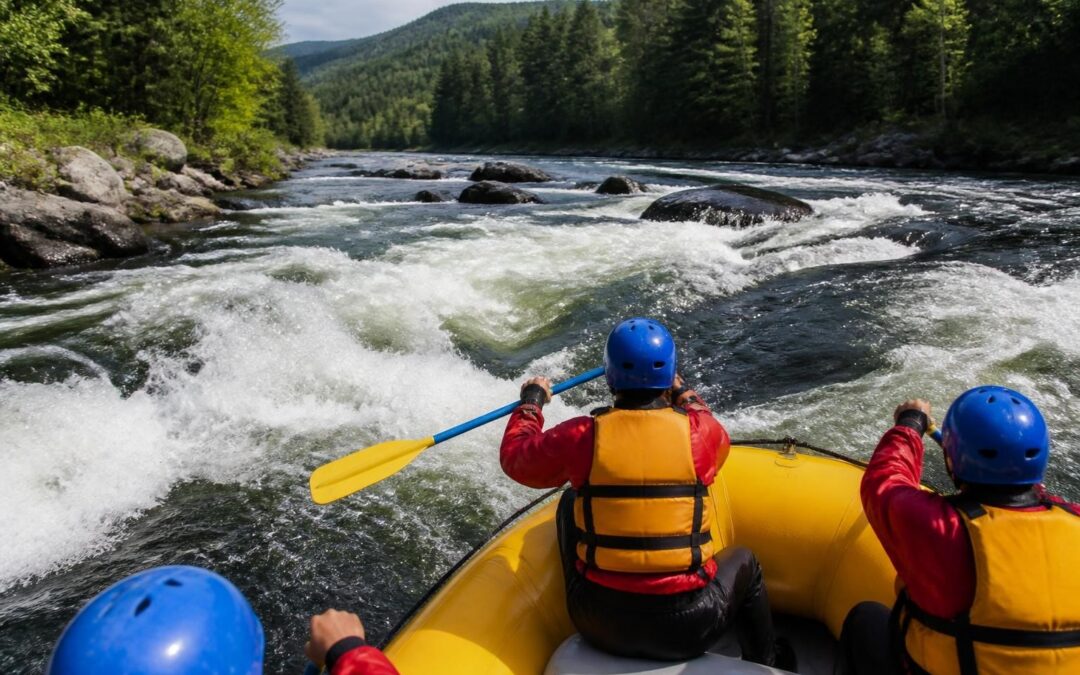
The Kennebec River offers some of the most exhilarating whitewater rafting experiences in the northeastern United States, drawing adventurers from across the country to Maine's stunning wilderness. Flowing through the heart of the state, this powerful waterway combines challenging rapids with breathtaking scenery, creating an unforgettable outdoor experience for both first-time paddlers and seasoned rafters. Whether you're seeking an adrenaline-pumping adventure or a family-friendly excursion, the Kennebec provides options for every skill level and preference. To view our official visitors guide click here. For a list of rafting guides click here.
Understanding the Kennebec River's Unique Character
The Kennebec River stretches 170 miles from Moosehead Lake to the Atlantic Ocean, but the section most famous for rafting runs through a dramatic gorge near The Forks. This region has become synonymous with world-class whitewater adventures, offering consistent flows and spectacular natural beauty.
What makes kennebec river rafting particularly special is the controlled water releases from Harris Station Dam. These scheduled releases create predictable and exciting rafting conditions throughout the season, unlike rain-dependent rivers that can be unreliable. The dam releases generate powerful flows that transform the river into a whitewater playground, with rapids reaching Class IV and V difficulty levels during peak releases.
The River's Geography and Rapids
The main rafting section covers approximately 12 miles of continuous whitewater action. This stretch features more than a dozen named rapids, each presenting unique challenges and thrills. The river descends through a narrow gorge with vertical walls rising over 1,000 feet, creating a dramatic backdrop for your adventure.
Key rapids include:
- Magic Falls: A dramatic Class V rapid featuring a significant drop that creates an unforgettable experience
- Three Sisters: A technical sequence requiring precise maneuvering through consecutive wave trains
- Big Mama: A powerful Class IV rapid with massive waves that test rafting skills
- Alleyway: A narrow chute demanding careful navigation and teamwork
- The Rock Garden: A boulder-strewn section requiring strategic route selection
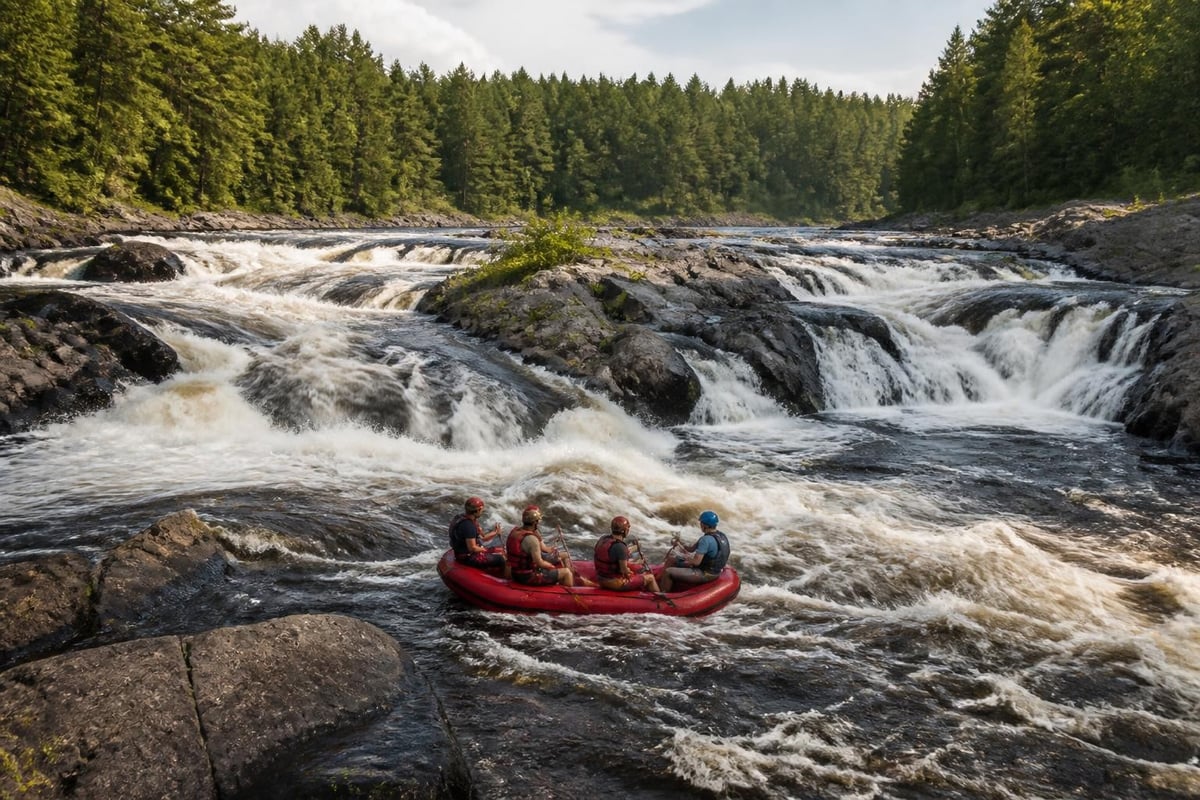
The river's character changes significantly based on water volume. During full releases exceeding 8,000 cubic feet per second, the rapids grow substantially more challenging and powerful. Lower releases around 4,800 cubic feet per second create a more moderate experience suitable for families and beginners.
Seasonal Considerations for Your Rafting Adventure
Timing your kennebec river rafting trip correctly can make a significant difference in your experience. The official rafting season typically runs from late April through mid-October, though the best conditions and availability vary throughout this window.
Spring Season (Late April – June)
Spring brings peak water flows and the most intense whitewater conditions. Snowmelt combined with dam releases creates powerful currents and massive waves. This period attracts experienced rafters seeking maximum thrills but requires proper cold-water gear as temperatures remain chilly.
The landscape during spring showcases vibrant greenery and blooming wildflowers along the riverbanks. Water temperatures hover in the 40s and low 50s Fahrenheit, making wetsuits essential for safety and comfort.
Summer Season (July – August)
Summer represents the busiest time on the Kennebec, with excellent weather and warm temperatures making it ideal for families and first-time rafters. According to detailed rafting information from Raft Maine Association, this season offers the most consistent booking availability and favorable conditions.
Summer advantages include:
- Warmer water temperatures in the 60s and 70s
- Extended daylight hours for longer trips
- Numerous departure times throughout each day
- Comfortable air temperatures reducing gear requirements
- Excellent camping and lodging availability nearby
Fall Season (September – October)
Autumn transforms the Kennebec corridor into a spectacular display of fall foliage. The combination of thrilling rapids and brilliant colors creates an exceptional experience for photographers and nature enthusiasts. Cooler temperatures return, but crowds diminish significantly after Labor Day.
Water releases become less frequent in fall, so advance planning becomes essential. Many outfitters offer special foliage trips during peak color weeks in late September and early October.
Preparing for Your Kennebec River Experience
Proper preparation ensures safety and maximizes enjoyment during your rafting adventure. Understanding what to expect and how to prepare helps create confidence for your trip.
Physical Requirements and Skill Levels
Kennebec river rafting accommodates various fitness levels, though participants should meet basic health and age requirements. Most outfitters require rafters to be at least 10-15 years old for standard trips, with some offering specialized family floats for younger children during lower water releases.
| Trip Type | Minimum Age | Physical Demand | Rapids Classification |
|---|---|---|---|
| Standard Release | 15 years | Moderate | Class IV-V |
| Lower Release | 10 years | Low-Moderate | Class III-IV |
| Family Float | 7 years | Low | Class II-III |
No previous rafting experience is necessary for most Kennebec trips. Professional guides provide comprehensive safety briefings and paddling instruction before launch. Physical fitness requirements focus primarily on the ability to swim and follow instructions rather than strength or endurance.
Essential Gear and What Outfitters Provide
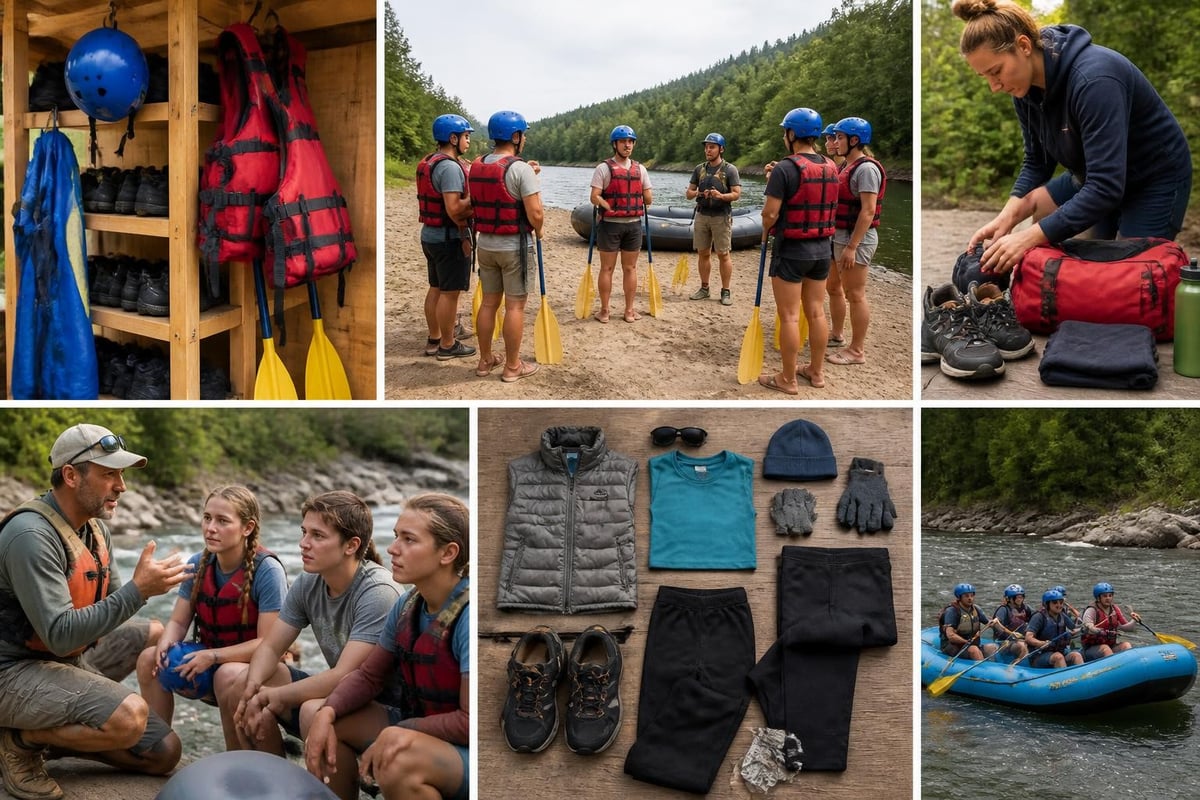
Professional rafting companies supply all necessary safety equipment and technical gear. Standard provisions include:
- Coast Guard-approved personal flotation devices (PFDs)
- Helmets for head protection during rapids
- Wetsuits or splash jackets depending on season
- Paddles specifically designed for whitewater
- Rafts maintained to industry safety standards
Participants should bring synthetic or wool layers rather than cotton, which loses insulating properties when wet. Secure footwear that won't fall off during swimming is essential. Most rafters choose old sneakers or water sandals with heel straps.
Booking Considerations and Turbine Test Days
The Kennebec offers special high-water events called Turbine Test Days when the dam releases maximum flows. These scheduled events occur several times per season and create the most extreme whitewater conditions available on the river. According to comprehensive rafting guides, these special releases attract experienced rafters from across the country.
Standard release days occur multiple times weekly during peak season. Booking at least 2-3 weeks in advance ensures preferred dates and times, especially for weekend trips during July and August. Last-minute availability exists during weekdays and shoulder seasons.
Choosing the Right Outfitter and Trip Package
The Forks area hosts numerous professional rafting companies offering kennebec river rafting experiences. Selecting the right outfitter involves considering service quality, trip options, and additional amenities that enhance your adventure.
Safety Standards and Professional Certifications
All legitimate Maine rafting outfitters must maintain licensing through state authorities and carry appropriate insurance coverage. The Raft Maine Association establishes safety standards and best practices that member companies follow. Look for outfitters whose guides hold current wilderness first aid certifications and swift-water rescue training.
Key safety indicators include:
- Guide-to-guest ratios that maintain proper supervision
- Equipment inspection and replacement schedules
- Emergency action plans and communication systems
- Pre-trip safety briefings covering swimming procedures
- Post-trip debriefing and incident review processes
Trip Duration and Package Options
Standard Kennebec rafting trips last approximately 4-5 hours on the water, covering the full 12-mile whitewater section. Total trip time including transportation, safety briefings, and gear distribution typically requires 6-7 hours. Many outfitters offer combination packages that bundle rafting with other activities for multi-day adventures.
Half-day options focus on the lower river sections with less intense rapids, ideal for families with younger children or groups with mixed experience levels. Full-day expeditions include riverside lunches and additional time for swimming and relaxing between major rapid sections.
Multi-day packages combine kennebec river rafting with camping, meals, and additional outdoor activities. These comprehensive experiences might include:
- Overnight camping at riverside facilities
- Moose and wildlife safaris through surrounding wilderness
- Rock climbing or zip-lining adventures
- Kayaking instruction on quieter water sections
- Evening campfires and entertainment programs
Wildlife and Natural Beauty Along the River
The Kennebec corridor provides habitat for diverse wildlife species, creating opportunities for nature observation beyond the whitewater thrills. The river’s ecological significance supports fish populations, birds, and mammals throughout the watershed.
Common Wildlife Sightings
Eagles frequently soar above the gorge, hunting for fish in the river's pools and eddies. Ospreys nest along the riverbanks, providing spectacular fishing displays as they dive for prey. Patient observers might spot river otters playing in calm sections between rapids.
Moose sightings occur regularly during early morning and evening hours, especially during spring and fall. These massive animals feed on aquatic vegetation in quiet backwaters and tributaries. While moose rarely appear during the height of rafting action, pre-trip shuttles and post-trip returns often provide viewing opportunities.
The surrounding forest supports black bears, white-tailed deer, and numerous smaller mammals. Beavers engineer impressive dams along side channels, while mink and muskrats inhabit the riverbanks.
Geological Features and Scenery
The Kennebec Gorge showcases ancient metamorphic bedrock sculpted by glacial activity and millennia of water erosion. Vertical slate cliffs display distinct layering and folding patterns that reveal the region's geological history. These rock formations create the narrow channels and sudden drops that generate the river's famous rapids.
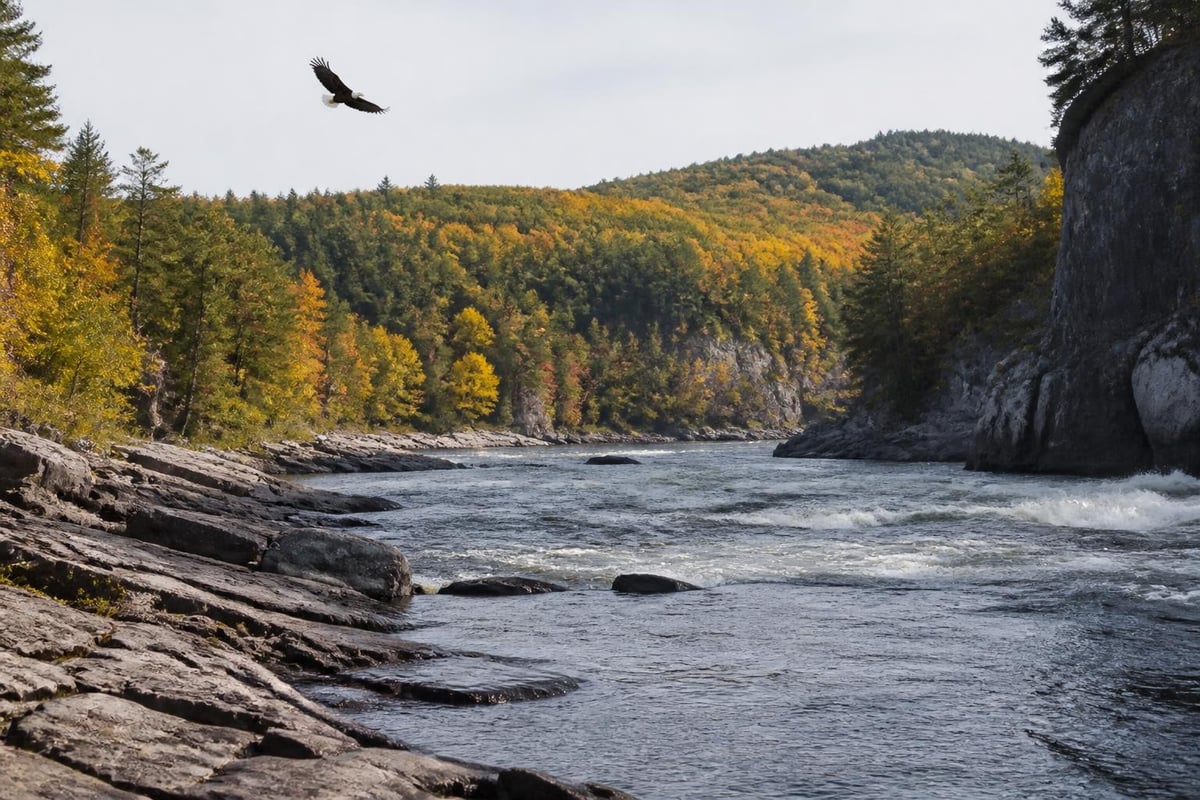
Seasonal changes transform the gorge's appearance dramatically. Spring brings cascading waterfalls from snowmelt pouring over the cliff edges. Summer creates lush green canopies that provide shade and vibrant contrast against the dark rock. Autumn's foliage displays range from brilliant reds and oranges to deep yellows and purples.
Regional Attractions and Extended Stay Options
Kennebec river rafting serves as an excellent centerpiece for exploring Maine's western mountains and Kennebec Valley attractions. The Forks area and surrounding communities offer additional outdoor recreation, cultural experiences, and natural wonders.
Complementary Outdoor Activities
The region surrounding The Forks provides exceptional hiking opportunities through pristine wilderness. The Appalachian Trail crosses nearby, offering day hikes with spectacular views. Moxie Falls, one of Maine's highest waterfalls, requires only a short hike and creates an impressive sight especially during high water periods.
Mountain biking trails wind through the forests, ranging from gentle riverside paths to technical single-track descents. ATV enthusiasts access hundreds of miles of maintained trail systems connecting remote ponds and scenic overlooks. Fishing opportunities abound in tributaries and stillwaters, with brook trout, landlocked salmon, and smallmouth bass populations thriving throughout the watershed.
Lodging and Dining Considerations
Accommodations range from rustic campgrounds to comfortable lodges and bed-and-breakfast establishments. Many rafting outfitters operate their own lodging facilities, offering convenient packages that simplify trip planning. For comprehensive information about lodging, dining, and regional attractions, the Digital Guidebook provides detailed resources for trip planning throughout the Kennebec Valley.
Local restaurants serve hearty meals perfect for refueling after a day on the river. Family-owned establishments feature Maine specialties including fresh seafood, wild game, and locally sourced produce. Several breweries and distilleries in the region offer tastings and tours showcasing craft beverages.
Planning Your Visit to The Forks
The Forks sits at the confluence of the Kennebec and Dead Rivers, creating the epicenter of Maine's whitewater rafting industry. This small community transforms during rafting season, with outfitters, guides, and adventure-seekers creating a vibrant atmosphere.
Getting There and Transportation
The Forks lies approximately 90 minutes north of Waterville and two hours from Augusta via Route 201. This scenic highway follows the Kennebec River through rural Maine, passing through small towns and offering glimpses of the region's natural beauty. Most rafting companies provide shuttle services from their base facilities to river launch points.
Portland International Jetport serves as the nearest major airport, located roughly three hours south. Rental vehicles provide flexibility for exploring the region before or after your rafting adventure. Several outfitters arrange group transportation from southern Maine cities for those preferring not to drive.
Timing Your Visit Around Regional Events
The Kennebec Valley hosts numerous seasonal events that can enhance your visit. Summer festivals celebrate local culture, food, and music throughout the region. Combining kennebec river rafting with these community celebrations creates a richer travel experience.
Planning considerations should account for:
- Major release days and Turbine Test Days for optimal water conditions
- Weekend vs. weekday availability and pricing differences
- Weather patterns typical for your chosen season
- Regional events and festivals that might affect lodging availability
- Foliage timing for fall trips seeking autumn color displays
Environmental Stewardship and River Conservation
The Kennebec River has undergone remarkable ecological restoration in recent decades. Dam removals downstream have allowed endangered Atlantic salmon and other migratory fish to return to historic spawning grounds. This environmental success story demonstrates the importance of balancing recreational use with conservation priorities.
Responsible Rafting Practices
Professional outfitters follow Leave No Trace principles to minimize environmental impact. These practices include proper waste disposal, respecting wildlife viewing distances, and avoiding damage to vegetation along shorelines. Rafters contribute to conservation by following guide instructions and treating the river corridor with care.
Supporting licensed, professional outfitters ensures that rafting activities occur within regulatory frameworks designed to protect the river ecosystem. These companies work closely with environmental agencies to monitor conditions and adjust practices when necessary to safeguard natural resources.
The River's Future and Ongoing Protection
Continued advocacy for river protection ensures future generations can enjoy kennebec river rafting. Organizations monitor water quality, fish populations, and habitat conditions throughout the watershed. Understanding the river's ecological value helps visitors appreciate the broader significance of their rafting experience beyond mere recreation.
Dam operations balance multiple priorities including power generation, flood control, and recreational water releases. Ongoing discussions among stakeholders seek to optimize these competing interests while maintaining the river's health and the vibrancy of the rafting industry it supports.
Understanding Risk and Safety Protocols
Whitewater rafting inherently involves calculated risks that professional guides and safety systems work to minimize. Understanding these risks and the protocols that address them helps participants make informed decisions and maintain appropriate caution during their adventure.
Common Risks and Mitigation Strategies
Swimming unexpectedly during rapids represents the most common incident in whitewater rafting. Professional guides train extensively in swift-water rescue techniques and position safety kayakers at strategic locations. Proper equipment use, especially securing PFD straps and wearing helmets correctly, significantly reduces injury risk during swims.
| Safety Element | Purpose | Rafting Benefit |
|---|---|---|
| Pre-Trip Briefing | Instruction and preparation | Ensures understanding of commands and procedures |
| PFD Fit Check | Flotation security | Prevents equipment failure during swimming |
| Helmet Adjustment | Head protection | Reduces impact injury risk |
| Swimming Position | Safe water travel | Maintains proper body orientation in current |
| Throw Bag Deployment | Swimmer rescue | Enables quick retrieval from rapids |
Rapids themselves rarely cause serious injuries when proper techniques are followed. Most rafting injuries result from improper equipment use or failing to follow guide instructions. Professional operations maintain excellent safety records through comprehensive training programs and rigorous adherence to protocols.
Emergency Response Capabilities
The Forks area maintains coordinated emergency response systems among rafting companies, medical facilities, and rescue services. Guides carry communication devices to summon assistance if serious incidents occur. Most outfitters position experienced personnel at key locations throughout the river corridor to provide rapid response when needed.
Understanding that professional systems exist to handle emergencies should provide confidence rather than concern. The rafting industry's safety record demonstrates that properly managed whitewater adventures remain remarkably safe despite the inherent risks of river recreation.
Making the Most of Your Rafting Day
Maximizing enjoyment during your kennebec river rafting adventure involves more than just showing up prepared. Attitude, engagement with your guide and crew, and willingness to fully experience the moment all contribute to creating lasting memories.
Working Effectively with Your Guide
River guides possess extensive knowledge about rapids, safety, and making trips memorable. Asking questions during calm sections provides insights into river dynamics, local ecology, and rafting techniques. Guides appreciate engaged participants who show genuine interest in learning.
Following paddle commands precisely makes navigating rapids successful and exciting. Hesitation or delayed responses can affect your raft's positioning, potentially leading to unexpected swims or missing optimal routes through features. Trust your guide's expertise and commit fully to executing maneuvers.
Embracing the Experience Fully
Some rafters spend excessive time worrying about potential swims or equipment concerns rather than enjoying the experience. While healthy respect for the river remains important, excessive anxiety diminishes enjoyment. Trust the equipment, the safety systems, and your guide's expertise to handle challenges that arise.
Photography during rafting trips presents challenges due to water exposure and the need to paddle. Many outfitters offer professional photo packages capturing key moments during your descent. These services allow full participation without equipment concerns while ensuring high-quality images to commemorate your adventure.
Celebrating successful rapid runs with your crew builds camaraderie and enhances the overall experience. The shared accomplishment of navigating challenging whitewater creates bonds among participants and generates stories that last well beyond the trip itself.
The Kennebec River stands as one of America's premier whitewater rafting destinations, offering thrilling rapids, stunning natural beauty, and professionally guided adventures for all skill levels. Whether you're seeking an adrenaline-filled challenge on high-water release days or a family-friendly introduction to river running, this remarkable waterway delivers unforgettable experiences. The Kennebec Valley Tourism Council provides comprehensive resources to help plan your complete Maine adventure, from selecting the perfect rafting outfitter to discovering the region's finest dining, lodging, and additional outdoor activities that complement your river experience.