
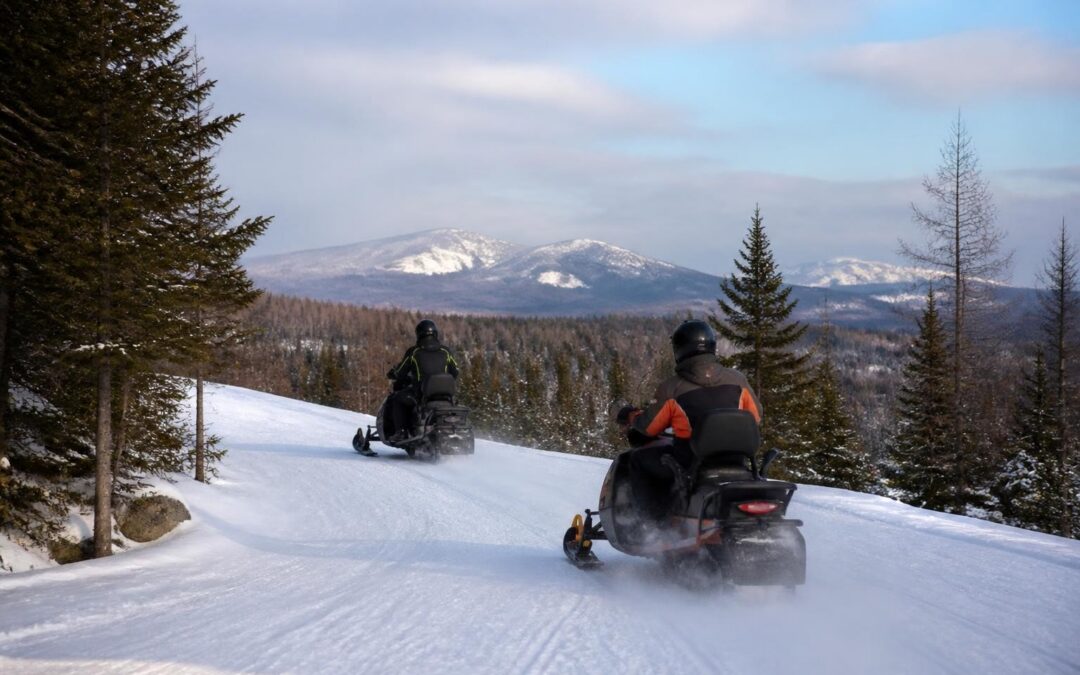
Jackman, Maine stands as one of North America's premier snowmobiling destinations, attracting thousands of winter enthusiasts each season to its pristine wilderness and meticulously maintained trail system. Located in the northern reaches of Somerset County, this small town serves as the gateway to over 1,200 miles of interconnected trails that wind through some of the most spectacular terrain in the Northeast. Whether you're planning your first winter adventure or returning for another season of powder-filled riding, understanding the comprehensive landscape of jackman maine snowmobiling will transform your experience from ordinary to extraordinary.
1. Understanding Jackman's Trail System and Network Connectivity
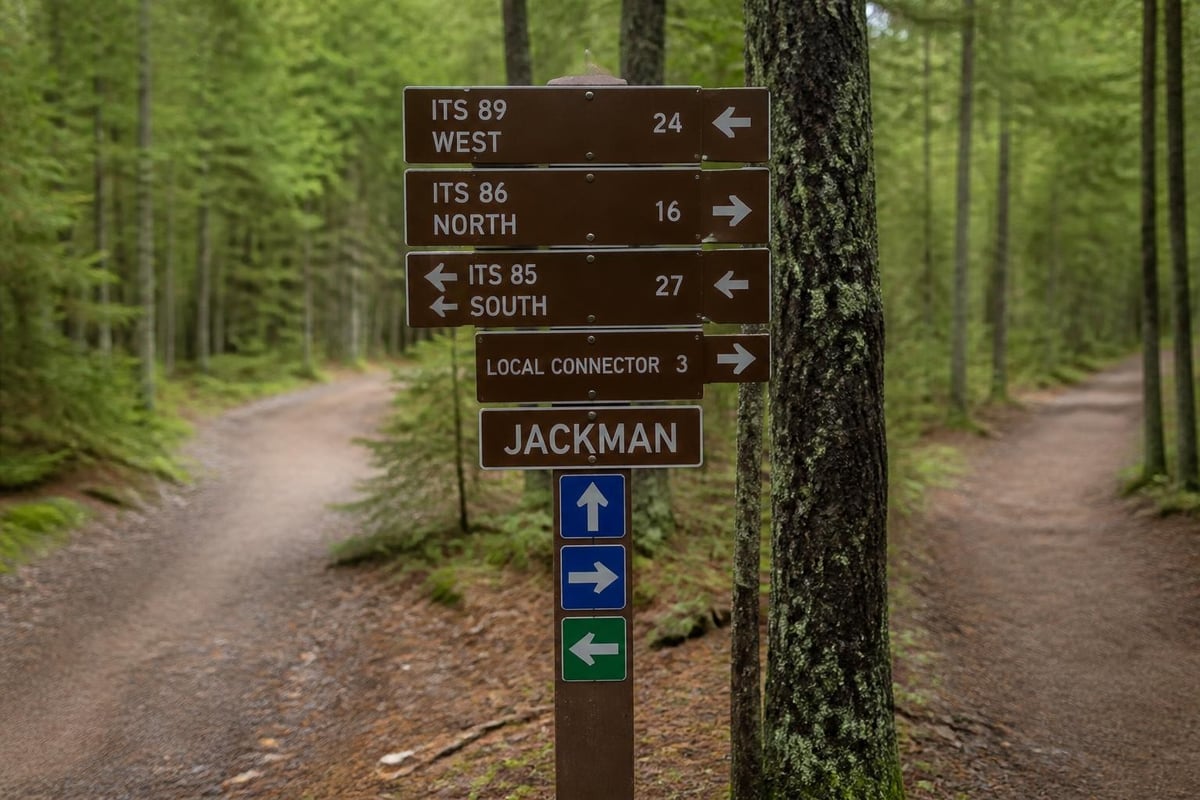
The jackman maine snowmobiling trail system represents decades of volunteer effort and community dedication to winter recreation. This extensive network connects riders to the broader Interconnected Trail System (ITS), providing seamless access to neighboring regions and creating opportunities for multi-day expeditions.
The Interconnected Trail System (ITS)
Jackman serves as a critical junction point in Maine's ITS, with several major corridors converging in the region:
- ITS 89 runs north-south, connecting to Quebec and southern Maine destinations
- ITS 86 provides east-west access toward Moosehead Lake and Greenville
- ITS 85 links riders to Rockwood and the western mountains
- Regional connectors branch off to local points of interest and scenic loops
The trail system receives professional grooming from the Border Riders Sportsman’s Club, whose volunteers maintain hundreds of miles throughout the season. These dedicated club members work tirelessly to ensure consistent surface quality, clear signage, and prompt hazard removal. Trail conditions vary based on weather patterns, usage levels, and recent grooming schedules.
| Trail Type | Difficulty | Average Width | Typical Use |
|---|---|---|---|
| ITS Primary | Intermediate | 8-12 feet | Heavy traffic, touring |
| Regional Connector | Intermediate-Advanced | 6-10 feet | Moderate traffic, exploration |
| Local Loop | Beginner-Intermediate | 6-8 feet | Light traffic, scenic riding |
| Mountain Access | Advanced | 4-8 feet | Technical terrain, experienced riders |
Trail maps are available through multiple sources, including local businesses, the Maine Snowmobile Association, and the Town of Jackman’s official snowmobiling page. Digital mapping applications provide real-time updates, though cellular coverage can be limited in remote sections.
2. Equipment Rentals and What to Expect
Securing reliable equipment stands as a foundational element of successful jackman maine snowmobiling adventures. Several established rental operations serve the region, each offering distinct advantages for different rider profiles and trip durations.
Rental Operations and Fleet Options
Jackman's rental providers maintain modern fleets featuring current-year and recent-model snowmobiles from leading manufacturers. Most operations offer:
Standard Rental Packages Include:
- Full-size touring sleds (600-900cc engines)
- Mid-range performance models for varied terrain
- Two-up machines for couples or families
- Safety equipment and helmets
- Basic orientation and trail recommendations
Rental rates typically range from $175 to $350 per day depending on model selection, season timing, and multi-day discounts. Peak season weekends (January through mid-February) command premium pricing, while midweek and early/late season bookings often provide better value.
Required Documentation:
- Valid driver's license
- Major credit card for deposit
- Proof of snowmobile safety certification (varies by age and state)
- Travel insurance verification (recommended)
Many rental shops provide guided tours for first-time visitors or groups seeking expert navigation through the trail system. These excursions range from half-day scenic loops to multi-day backcountry expeditions with overnight accommodations at remote sporting camps.
Preparation and Gear Recommendations
Beyond the snowmobile itself, proper personal equipment ensures comfort and safety throughout your ride. Layered clothing systems work best in Maine's variable winter conditions, where temperatures can swing 30 degrees during a single day.
- Base layer: Moisture-wicking synthetic or merino wool
- Mid layer: Fleece or synthetic insulation
- Outer layer: Windproof, waterproof snowmobile suit
- Extremities: Insulated gloves, winter boots, neck gaiter, goggles
- Safety items: Trail map, GPS device, first aid kit, emergency whistle
3. Lodging Options for Every Budget and Style
Jackman's accommodations range from basic motels to luxury wilderness resorts, each offering unique advantages for snowmobiling guests. Strategic lodging selection can enhance your overall experience by providing trail access, equipment storage, and community connections. For comprehensive planning resources across the Kennebec Valley region, the Official Visitors Guide provides detailed listings and insider recommendations for winter travelers.
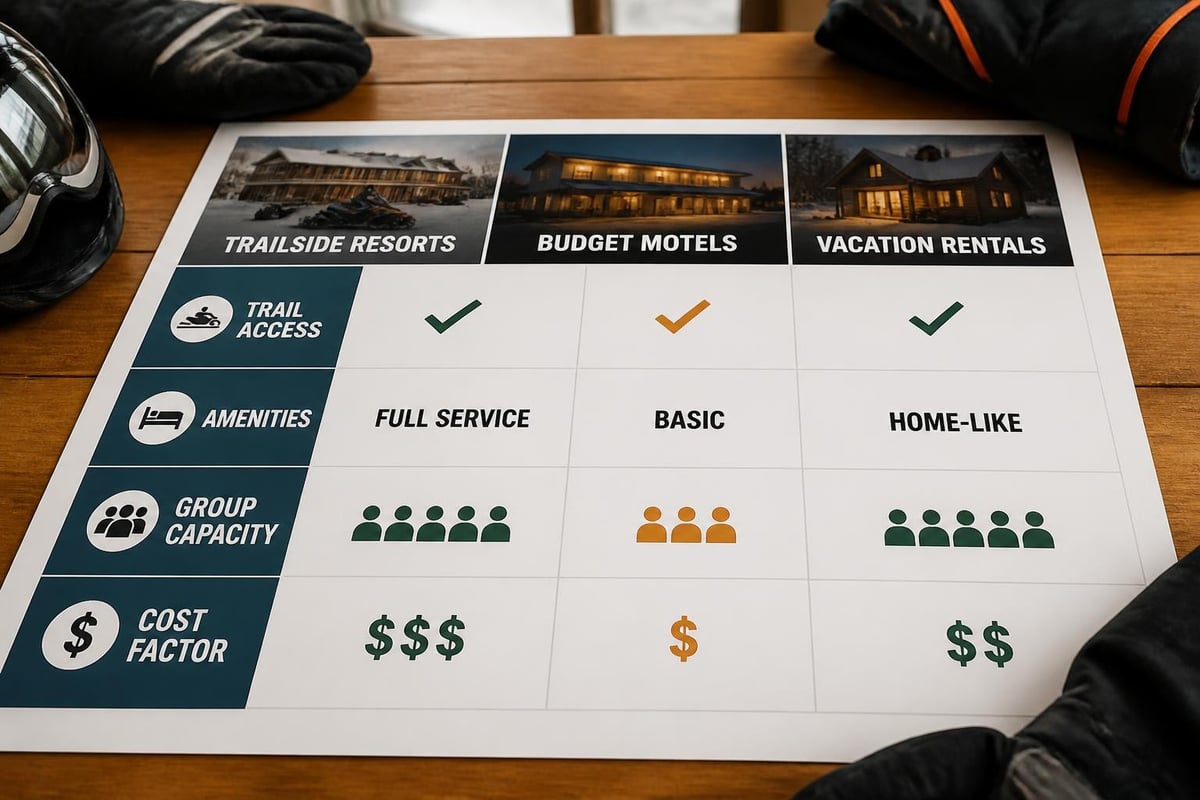
Trailside Lodges and Full-Service Resorts
Premium properties offer direct trail access, allowing riders to depart from their doorstep each morning without trailering. These facilities typically include:
| Amenity | Standard Lodge | Premium Resort |
|---|---|---|
| Trail Access | Adjacent (0.5 mi) | Direct (on-property) |
| Heated Storage | Basic garage | Enclosed, secure facility |
| Equipment Services | Referrals | On-site repair/maintenance |
| Dining | Continental breakfast | Full-service restaurant/bar |
| Additional Features | WiFi, TV | Spa, guided tours, concierge |
Many lodges cater specifically to snowmobiling groups, offering package rates that bundle lodging, meals, and trail passes. These arrangements simplify planning and often provide better overall value than booking components separately.
Budget-Friendly and Alternative Accommodations
Independent motels, bed and breakfasts, and vacation rentals serve riders seeking more economical options or intimate settings. While these properties may not offer direct trail access, most provide equipment storage and local knowledge through their owners and staff.
Considerations for Budget Lodging:
- Distance to nearest trail access point
- Availability of secure, heated storage
- Flexibility for early departures and late returns
- On-site or nearby dining options
- Group capacity and multi-room configurations
Booking well in advance proves essential for peak season travel, particularly during holiday weeks and major events. Many properties accept reservations 12-18 months ahead, and prime weekends often fill by early fall.
4. Legal Requirements and Safety Regulations
Operating a snowmobile in Maine requires understanding and compliance with state regulations, which exist to protect both riders and the natural environment. The Official State of Maine snowmobile resource provides comprehensive information on current laws and registration requirements.
Registration and Documentation
All snowmobiles operated on Maine trails must display valid registration from Maine or a reciprocal state. Out-of-state riders benefit from reciprocal agreements that recognize home-state registration for limited periods.
Registration Requirements:
- Maine residents must register through their town office or online
- Non-residents can obtain 3-day, 10-day, or seasonal registrations
- Registration must be displayed on both sides of the cowling
- Proof of registration must be carried while operating
- Trail access permits may be required for certain private lands
Safety Certification and Age Restrictions
Maine law mandates safety certification for operators in specific age groups. Anyone born on or after January 1, 1985, must complete an approved snowmobile safety course before operating on Maine trails.
Age-Specific Rules:
- Under 10: May operate 70cc or less machines under direct adult supervision
- Ages 10-15: Require safety certification and may not carry passengers
- Ages 16-17: Require safety certification for all operation
- Ages 18+: Born before 1985 exempt from certification requirement
Safety courses cover essential topics including trail etiquette, emergency procedures, environmental stewardship, and mechanical basics. Online and in-person options accommodate various learning preferences and schedules.
5. Seasonal Timing and Weather Considerations
The jackman maine snowmobiling season typically extends from mid-December through late March, though optimal conditions concentrate in January and February when snowpack reaches its deepest and most stable state. Understanding seasonal patterns helps riders select timing that aligns with their priorities.
Peak Season Characteristics (January-February)
These months deliver the most consistent conditions across the trail system:
- Average snowfall totals of 80-100 inches
- Daytime temperatures ranging from 10°F to 25°F
- Reliable grooming schedules on all major corridors
- Maximum trail connectivity with full network access
- Highest lodge occupancy and community atmosphere
Weather forecasting for the region can be monitored through the National Weather Service’s seasonal narrative for northern and eastern Maine, which provides long-range outlooks and historical comparison data. Local conditions can shift rapidly, making flexible itineraries and backup plans valuable assets.
Shoulder Season Opportunities (December, March)
Early and late season riding presents distinct advantages for certain rider profiles:
December Advantages:
- Lower accommodation rates
- Reduced trail traffic
- Opportunity for holiday-themed events
- Fresh powder on newly opened trails
March Advantages:
- Longer daylight hours
- Warmer temperatures (more comfortable for beginners)
- Spring snow conditions with good base depth
- End-of-season specials on rentals and lodging
Trail closures become more common during shoulder seasons due to insufficient snow depth, freeze-thaw cycles, and private land restrictions. Checking current conditions before departure prevents disappointment and wasted travel.
6. Dining and Off-Trail Activities
Jackman maine snowmobiling adventures extend beyond the trails to include regional dining experiences and complementary winter activities that round out a complete vacation. The town's compact layout concentrates most services within easy reach of primary lodging areas.
Local Dining Establishments
After a full day navigating the trail system, riders appreciate hearty meals and warm atmospheres. Jackman's restaurants specialize in traditional New England fare with portions sized for active winter recreation.
- Classic American steakhouses featuring locally sourced beef and wild game
- Family-style Italian restaurants known for pasta dishes and pizza
- Casual pub environments with extensive beer selections and live music
- Breakfast diners offering early opening times and trail lunch preparation
Many establishments welcome snowmobilers arriving directly from trails, providing designated parking areas and gear storage during meals. Reservations prove wise for dinner service during peak season weekends when multiple large groups may be dining simultaneously.
Complementary Winter Recreation
Beyond snowmobiling, Jackman offers diverse cold-weather activities:
Winter Sports Options:
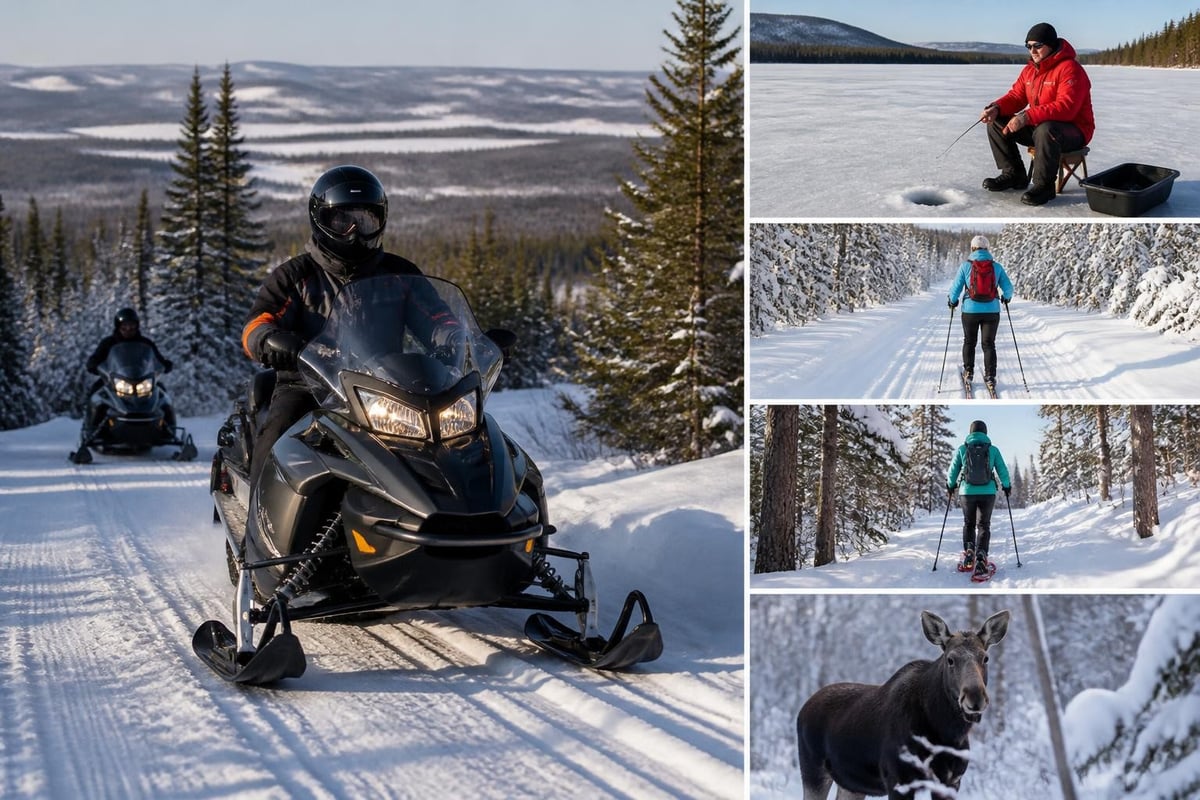
- Ice fishing on numerous area lakes and ponds
- Cross-country skiing through groomed wilderness trails
- Snowshoeing in designated backcountry areas
- Wildlife viewing (moose, deer, winter birds)
- Photography expeditions capturing northern landscapes
These alternative activities provide excellent options for mixed-ability groups or rest days between long rides. Visitors exploring the broader Kennebec Valley region can discover upcoming winter events that showcase local culture and community traditions.
7. Trail Etiquette and Environmental Stewardship
Responsible riding practices sustain the trail system for future generations while maintaining positive relationships between snowmobilers and landowners who generously permit trail access across private property. Understanding and practicing proper etiquette demonstrates respect for the community and environment that makes jackman maine snowmobiling possible.
Fundamental Trail Rules
Right-of-Way Protocols:
- Slower traffic keeps right
- Uphill riders have right-of-way on narrow sections
- Stop completely for oncoming groomers
- Yield to all non-motorized trail users
- Maintain safe following distances (minimum 100 feet)
Speed and Operation Standards:
- Observe posted speed limits (typically 45 mph unless marked otherwise)
- Reduce speed in congested areas, near intersections, and around lodges
- Never operate under the influence of alcohol or drugs
- Avoid riding after dark without proper lighting equipment
- Stay on marked trails at all times
Environmental Responsibility
The pristine wilderness surrounding Jackman requires conscious protection efforts from all visitors:
- Pack out all trash and recyclables
- Respect wildlife habitat and maintain safe distances from animals
- Avoid disturbing frozen water bodies except in designated crossing areas
- Use only designated parking and staging areas
- Minimize noise pollution near residential zones and wildlife areas
- Report trail damage or hazards to local clubs
Local snowmobile clubs, including those listed in the regional club directory, depend on volunteer support for trail maintenance, signage installation, and bridge repairs. Contributing through membership, donations, or volunteer hours helps sustain the infrastructure that makes this recreation possible.
8. Planning Multi-Day Expeditions
Extended trips through the jackman maine snowmobiling region unlock the full potential of the ITS network, allowing riders to explore distant destinations while experiencing the variety of terrain and communities along the route. Proper planning transforms ambitious itineraries into memorable adventures.
Route Planning Fundamentals
Successful multi-day journeys begin with realistic daily mileage targets that account for:
Daily Distance Considerations:
- Average touring speed of 25-35 mph on groomed trails
- Fuel stops every 80-100 miles
- Meal breaks and rest periods
- Time for scenic photography and exploration
- Weather delays or route modifications
| Trip Duration | Target Daily Miles | Total Network Access | Recommended Base Camps |
|---|---|---|---|
| 2-3 Days | 100-150 | Jackman radius | Single lodge |
| 4-5 Days | 150-200 | Regional corridor | 2-3 different lodges |
| 6+ Days | 200-250 | Multi-region | 3-4+ locations |
Lodging reservations should be confirmed before departure, with contact information and directions stored in multiple formats (digital and paper backup). Cell service gaps make printed documentation essential for navigation and emergency communication.
Support Services and Emergency Planning
Remote trail sections require self-sufficiency planning and emergency preparedness:
Essential Emergency Equipment:
- Trail map and GPS device with fresh batteries
- First aid kit with winter-specific supplies
- Emergency shelter (space blanket or bivy)
- Fire-starting materials
- High-calorie emergency food
- Communication device (satellite messenger recommended)
- Basic tool kit and spare parts
Many riders join organized group rides or guided tours for their first multi-day expeditions, benefiting from experienced leadership and built-in support systems. These arrangements typically include sweep riders, mechanical support, and pre-arranged lodging at each destination.
For those exploring connections to other remarkable destinations across Maine's Kennebec Valley, detailed resources are available at Visit Kennebec Valley, which provides comprehensive trip planning tools and regional highlights.
9. Local Community and Volunteer Organizations
The jackman maine snowmobiling experience owes its excellence to dedicated volunteer organizations that maintain trails, advocate for rider interests, and foster community connections among winter recreation enthusiasts. Understanding these groups and their contributions enriches your appreciation for the region.
Snowmobile Club Structure and Roles
Maine's snowmobile infrastructure operates through a unique partnership between state agencies, regional associations, and local clubs. Each level fulfills specific responsibilities:
State Level (Maine Snowmobile Association):
- Advocacy with legislature and regulatory agencies
- Statewide trail mapping and signage standards
- Insurance programs and liability management
- Education and safety certification programs
Regional Level (Somerset County Clubs):
- Corridor planning and interconnection coordination
- Multi-club event organization
- Regional grooming equipment acquisition
- Landowner relationship management
Local Level (Jackman Area Clubs):
- Weekly grooming operations
- Trail clearing and maintenance
- Local signage and hazard marking
- Community event hosting
Supporting these organizations through memberships, trail pass purchases, or direct donations helps fund equipment maintenance, fuel costs, and volunteer appreciation events. Many visitors don't realize that their trail fees directly support the volunteers who wake before dawn to groom trails for optimal riding conditions.
Getting Involved as a Visitor
Even short-term visitors can contribute meaningfully to the snowmobiling community:
- Purchase annual trail passes rather than daily permits when possible
- Patronize local businesses that support trail maintenance
- Volunteer for organized trail work days or community events
- Share positive experiences through social media and reviews
- Report trail issues promptly through proper channels
- Respect posted private property boundaries and closures
The sense of community among snowmobilers represents one of the sport's greatest attractions. Trailside encounters, lodge gatherings, and local events create connections that transform solitary recreation into shared passion.
10. Maximizing Your Investment Through Strategic Planning
Jackman maine snowmobiling represents a significant investment of time and resources, making strategic planning essential for optimizing value and experience quality. Understanding cost structures, timing strategies, and insider knowledge helps riders achieve their goals within budget constraints.
Cost Analysis and Budget Planning
A typical three-day jackman maine snowmobiling trip for two riders involves several expense categories:
Sample Budget Breakdown:
| Expense Category | Conservative | Moderate | Premium |
|---|---|---|---|
| Lodging (3 nights) | $450 | $750 | $1,200 |
| Snowmobile Rentals | $700 | $900 | $1,200 |
| Fuel (sleds + vehicle) | $150 | $200 | $250 |
| Meals & Dining | $300 | $500 | $800 |
| Trail Passes | $100 | $100 | $100 |
| Miscellaneous | $100 | $200 | $300 |
| Total per Couple | $1,800 | $2,650 | $3,850 |
Costs scale with group size, with per-person expenses decreasing for parties of four or more due to shared lodging and transportation. Bringing your own equipment eliminates rental fees but adds trailering logistics and potential maintenance concerns.
Value-Maximizing Strategies
Timing Optimization:
- Book midweek arrivals (Sunday-Thursday) for 20-30% lower rates
- Target early February for optimal snow conditions without holiday premiums
- Consider Sunday-Wednesday trips to avoid weekend crowds
- Watch for last-minute specials during low-snow years
Package Opportunities:
- Lodge/rental bundled packages often beat à la carte pricing
- Multi-night stays frequently include complimentary nights or upgrades
- Group rates (8+ riders) unlock significant per-person savings
- Early booking discounts reward advance planning
For those new to the region or seeking comprehensive planning assistance, resources at Visit Kennebec Valley’s snowmobiling page provide curated recommendations and insider tips for maximizing your winter adventure.
11. Photography and Memory Preservation
The spectacular scenery encountered during jackman maine snowmobiling adventures deserves documentation that captures both the grandeur of landscapes and the intimate moments that define memorable trips. Understanding photography basics for winter conditions helps preserve these experiences.
Camera Equipment and Settings
Winter photography presents unique challenges related to cold temperatures, contrast extremes, and moisture exposure:
Equipment Recommendations:
- Weather-sealed camera body or protective housing
- Extra batteries (cold drains power rapidly)
- UV or polarizing filters to reduce snow glare
- Lens cloth for clearing condensation
- Chest-mounted action camera for riding footage
Technical Settings for Snow:
- Exposure compensation +1 to +2 stops (prevents gray snow)
- Fast shutter speeds (1/500 or faster for action)
- Aperture priority mode for landscape depth
- Continuous autofocus for moving subjects
- Raw format capture for maximum editing flexibility
Composition and Storytelling
Compelling snowmobiling photography balances action shots with environmental context and human elements:
Subject Variety:
- Trail vistas showcasing landscape scale
- Riding action through turns and terrain features
- Sled details highlighting equipment and conditions
- Lodge interiors and dining experiences
- Group portraits and candid moments
- Wildlife encounters and natural details
Planning photography stops into daily itineraries ensures adequate time for composition and lighting optimization. Early morning and late afternoon provide superior light quality compared to harsh midday sun reflecting off snow.
12. Extending Your Stay and Regional Exploration
While Jackman serves as an exceptional snowmobiling destination in its own right, the surrounding Kennebec Valley region offers diverse attractions worth exploring during extended visits. Strategic trip planning can incorporate multiple experiences into a single journey.
Nearby Destinations and Activities
The ITS network connects Jackman to numerous notable destinations within reasonable riding distance:
Within 50 Miles:
- Moosehead Lake region (Greenville) – 60 trail miles southeast
- Quebec border crossings – 15 trail miles north
- Spencer Lake wilderness – 30 trail miles southwest
- Attean Lake and surrounding ponds – 12 trail miles west
Each destination offers distinct character, from Greenville's lakefront dining and shopping to the remote sporting camps of Spencer Lake. Multi-destination trips provide variety while showcasing the breadth of Maine's snowmobiling opportunities.
Summer Return Visits
Many jackman maine snowmobiling enthusiasts discover that the region offers equally compelling warm-weather recreation. Summer activities transform the snow-covered landscape into a different kind of playground:
- Water sports on pristine lakes and rivers
- Hiking through the same forests that host winter trails
- Fishing in world-class smallmouth bass and trout waters
- Wildlife viewing during migration and breeding seasons
- Mountain biking on converted snowmobile trails
Returning during different seasons provides perspective on the landscape's year-round appeal and builds deeper connections with the community. Many lodges operate year-round, offering familiar hospitality regardless of season.
Additional information about warm-weather opportunities throughout the region can be found by exploring resources at Visit Kennebec Valley, where comprehensive seasonal guides help visitors plan return trips that showcase the area's diverse appeal.
Jackman Maine snowmobiling delivers world-class winter recreation through its extensive trail network, welcoming community, and spectacular wilderness setting. Whether you're planning a quick weekend escape or an extended expedition through northern New England's premier riding territory, proper preparation and local knowledge transform good trips into exceptional adventures. The Kennebec Valley Tourism Council stands ready to support your planning with comprehensive guides, insider recommendations, and personalized assistance that ensures your snowmobiling journey exceeds expectations-explore the full range of resources and start planning your winter adventure at Kennebec Valley Tourism Council today.