

Step into the past at fort western augusta, where 18th-century Maine history comes alive in 2026. This guide will walk you through the fort’s remarkable heritage, immersive exhibits, and vibrant special events.
Discover how fort western augusta began as a colonial outpost, explore its must-see features, and get insider tips for an unforgettable visit. Learn about upcoming 2026 events, accessibility details, and the fort’s unique place in Augusta’s culture.
Let this guide inspire your journey and help you plan an enriching adventure at one of Maine’s iconic historic sites.
For our official visitors guidebook click here.
The Historical Significance of Fort Western
Step into the story of fort western augusta, a landmark that has witnessed the unfolding of centuries. Founded in 1754, Fort Western was established as a British colonial outpost along the Kennebec River. Its primary purpose was to serve as a supply depot and defensive stronghold during the French and Indian War. The fort’s strategic position helped protect settlers and maintain British interests in the contested Maine frontier.
As conflicts continued, fort western augusta played a crucial role in colonial military campaigns. Soldiers stationed here provided vital support during the French and Indian War and, later, the American Revolution. The fort’s timber walls and blockhouses stood as a symbol of resilience, offering both refuge and a base for operations.
What sets fort western augusta apart is its distinction as the oldest surviving wooden fort in the United States. Unlike many early American forts that have vanished, Fort Western’s original garrison building remains, offering a rare glimpse into 18th-century military architecture. Over time, the fort transitioned from a military post to a bustling trading hub, supporting commerce and community life in Augusta.
Among the notable figures associated with fort western augusta is Martha Ballard, a renowned midwife and diarist. Her meticulous records provide a window into medical practices, daily routines, and the challenges of frontier life. Ballard’s presence at the fort connects visitors to the human stories that shaped the region’s history.
Preservation and archaeology have played essential roles in maintaining fort western augusta for future generations. Excavations have uncovered artifacts that reveal details about its construction, daily life, and interactions with local Native American communities. Ongoing restoration efforts ensure that the fort’s legacy endures, with reconstructed features like the 1921 blockhouses, 1916 palisade, and 1988 watch boxes faithfully reflecting its original design.
Here is a summary of key milestones in the fort’s history:
|
Year |
Milestone |
|---|---|
|
1754 |
Original construction completed |
|
1916 |
Palisade reconstructed |
|
1921 |
Blockhouses rebuilt |
|
1988 |
Watch boxes added |
|
1973 |
Designated National Historic Landmark |
The recognition of fort western augusta as a National Historic Landmark underscores its importance on a national scale. This designation reflects both its architectural integrity and its pivotal role in the narrative of early American history. According to Fort Western’s Historical Significance, the site preserves not only the physical structure but also the stories and experiences of those who lived and worked there.
Today, fort western augusta stands as a living testament to the region’s colonial past. Visitors can walk the same grounds as soldiers, traders, and families from centuries ago. The fort’s enduring presence in Augusta offers a unique opportunity to connect with Maine’s heritage and explore the foundations of the community.
Whether you are a history enthusiast, educator, or curious traveler, the significance of fort western augusta is both profound and accessible. Its story continues to inspire, inviting all who visit to reflect on the resilience, innovation, and spirit of those who shaped the course of history.
Exploring the Fort: What to See and Do
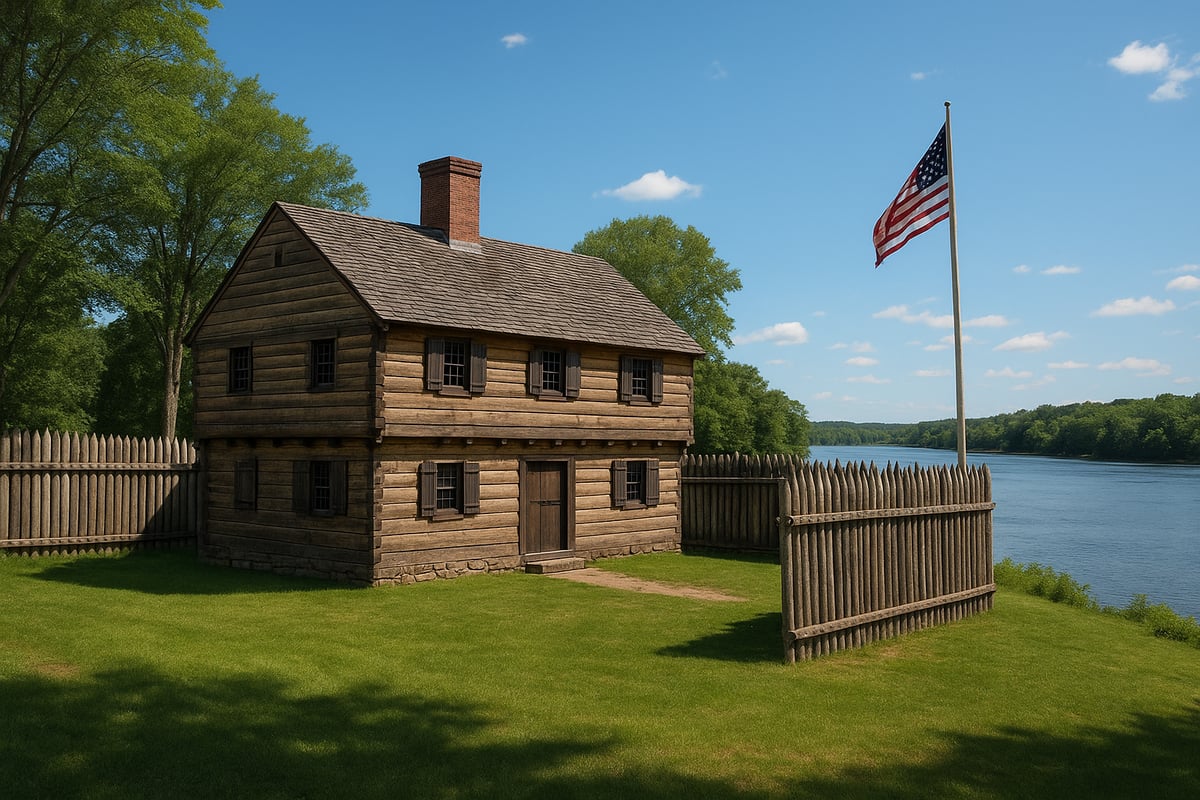
Step inside fort western augusta and immerse yourself in living history. Visitors experience the daily life of colonial settlers, traders, and soldiers through authentic buildings, interactive exhibits, and educational programs. Whether you are a history enthusiast or planning a family adventure, fort western augusta offers engaging activities and memorable sights for all ages.
The Garrison Building and Blockhouses
Begin your tour at the heart of fort western augusta: the original 1754 Garrison building. This remarkable structure demonstrates colonial architecture and stands as the oldest wooden fort in the United States. Step inside to find period furnishings, recreated living quarters, and interpretive displays that transport you to the 18th century.
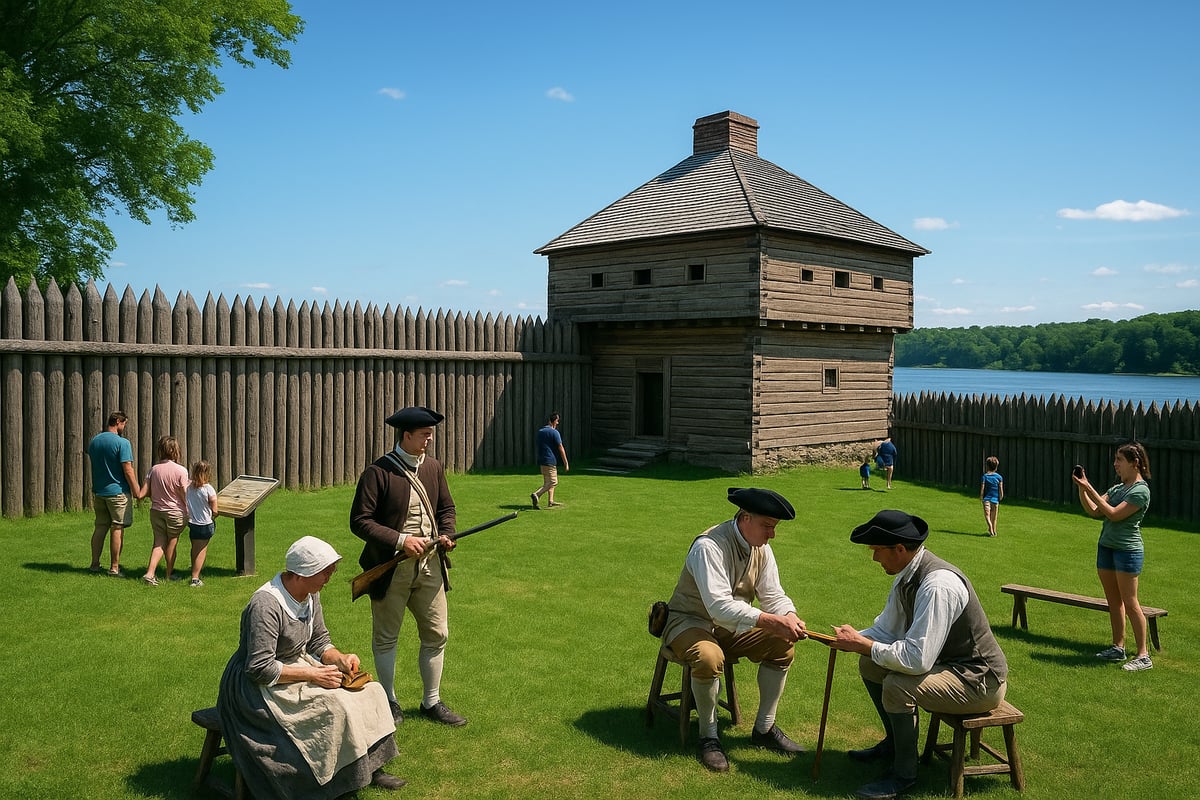
The adjacent blockhouses, reconstructed in 1921, showcase defensive features and the challenges early settlers faced. Guided tours lead you through these spaces, sharing stories of soldiers and daily routines. Living history demonstrations, such as musket drills and candle making, bring the environment to life.
For a deeper look at the fort’s past, the Visit Maine: Fort Western Museum offers additional information on exhibits and educational opportunities. Exploring these buildings is essential for anyone seeking to understand the enduring legacy of fort western augusta.
The Trading Post at Cushnoc Exhibit
The Cushnoc Exhibit at fort western augusta traces the site’s earlier role as a fur trading post from 1628 to 1649. Discover how the Plymouth Colony established Cushnoc as a vital link in the Kennebec Valley trade network. Interactive displays and artifacts reveal the complex relationships between Abenaki people and English traders.
Stories of the Clark and Lake Company, the Cushnoc lease, and the aftermath of King Philip’s War illustrate the shifting fortunes of the region. Visitors learn how the fur trade peaked in 1634 and declined by 1649, shaping the area’s economic and cultural development.
By exploring this exhibit, you gain a richer understanding of fort western augusta’s roots and its impact on Maine’s early history.
Living History Programs and Demonstrations
One of the most popular attractions at fort western augusta is its living history programming. Costumed interpreters recreate colonial life, military drills, and traditional crafts. Visitors can try their hand at candle making, witness blacksmithing, or sample colonial cooking in the fort’s historic kitchen.
Educational programs cater to all ages, with school group tours and family activities designed to engage and inspire. Special events, such as “Martha’s Kitchen” and “Tavern Night,” spotlight the contributions of notable residents like Martha Ballard, a pioneering midwife and healer.
Participating in these hands-on experiences connects you to the vibrant community that once called fort western augusta home.
The Fort’s Grounds and Palisade
Step outside to explore the expansive grounds of fort western augusta. The reconstructed 1916 palisade and 1988 watch boxes offer insight into colonial defensive strategies. Interpretive signage guides visitors along the perimeter, explaining daily routines and the importance of the riverfront location.
Take in scenic views of the Kennebec River, enjoy picnic areas with family-friendly amenities, and capture memorable photos of the historic landscape. The grounds are ideal for wildlife observation and quiet reflection.
A visit to the outdoor spaces at fort western augusta rounds out a day of discovery, providing relaxation and a deeper appreciation for this national treasure.
2026 Special Events and Seasonal Highlights
2026 promises to be a milestone year for fort western augusta, offering a rich schedule of special events and immersive seasonal highlights. Whether you are a returning visitor or planning your first trip, the calendar is packed with experiences that bring colonial history to life for all ages.
Annual and Signature Events
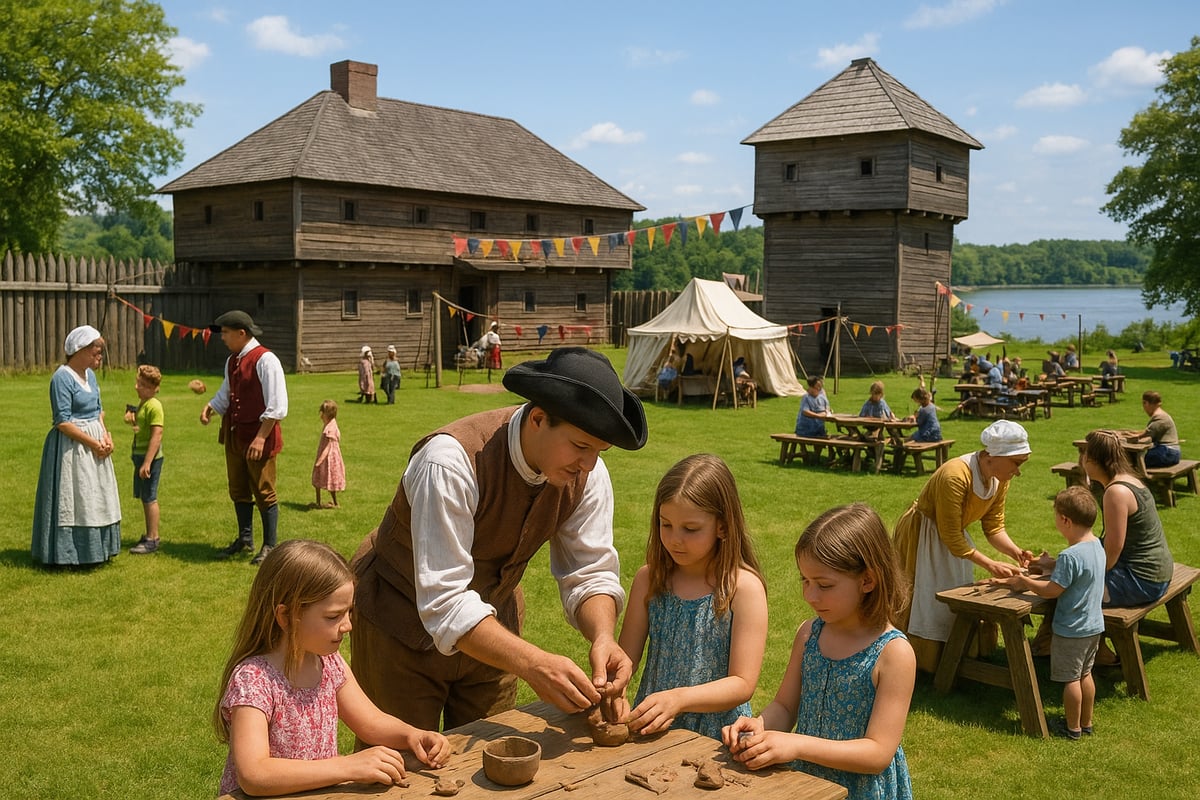
Each year, fort western augusta hosts a series of signature events that celebrate its storied past. The 2026 season opens with festive Memorial Day weekend activities, featuring flag-raising ceremonies and costumed interpreters. Independence Day is a highlight, offering colonial reenactments, traditional music, and a spectacular fireworks display over the Kennebec River.
A major focus in 2026 is the 250th Anniversary of Benedict Arnold’s March to Quebec. Commemorative events include lectures by historians, a dramatic reenactment of the march’s departure, and “The Great Feast,” where visitors can sample colonial recipes. Martha Ballard’s World spotlights the life and contributions of Augusta’s famed midwife, with immersive health and healing demonstrations.
“Murder, Mystery & Mayhem” brings history to life through interactive theater, unraveling true stories from fort western augusta’s past. For dates and the latest details, explore the Old Fort Western Events Schedule, offering a full overview of upcoming programs and celebrations.
Educational Workshops and Tours
Fort western augusta excels as an educational destination, offering a robust lineup of workshops and thematic tours in 2026. Visitors can join “Four Forts of the Kennebec” tours, tracing the region’s military and trading heritage through in-depth storytelling. Workshops on colonial crafts, fur trading, and 18th-century cooking provide hands-on learning for all ages.
School and youth group programs are tailored to curriculum standards, making fort western augusta a favorite field trip site. Local historians and guest speakers frequently partner with the fort to deliver lectures and interactive sessions. In recent years, annual attendance for these educational offerings has grown, reflecting the community’s enthusiasm for living history.
Participants can expect activities such as candle making, blacksmithing, and guided explorations of the garrison and trading post. These experiences ensure that fort western augusta remains a dynamic classroom, welcoming learners of every age.
Seasonal Schedules and Visitor Experiences
The 2026 season at fort western augusta runs from May through October, with daily and weekend operating hours to accommodate visitors. The last tour each day begins at 3:30 PM, allowing ample time to explore the fort’s many features. During summer, the fort is open daily, while fall brings special harvest-themed events and spring features educational days for local schools.
Weather in Augusta can vary, so visitors are encouraged to check forecasts and plan accordingly. Many guests recommend visiting during late spring or early fall, when the grounds are lush and events are in full swing at fort western augusta. Picnic areas and riverfront views add to the experience, and families often share positive feedback about the welcoming atmosphere.
Testimonials from previous years highlight the knowledgeable interpreters and engaging programs. With a full calendar of activities, fort western augusta ensures every visit in 2026 is memorable and enriching.
Planning Your Visit: Practical Information
A trip to fort western augusta offers a unique opportunity to walk through centuries of history. Planning ahead ensures your experience is smooth and memorable. Below, you will find everything you need to know for your 2026 visit, from admission details to helpful family tips.
Admission, Hours, and Accessibility
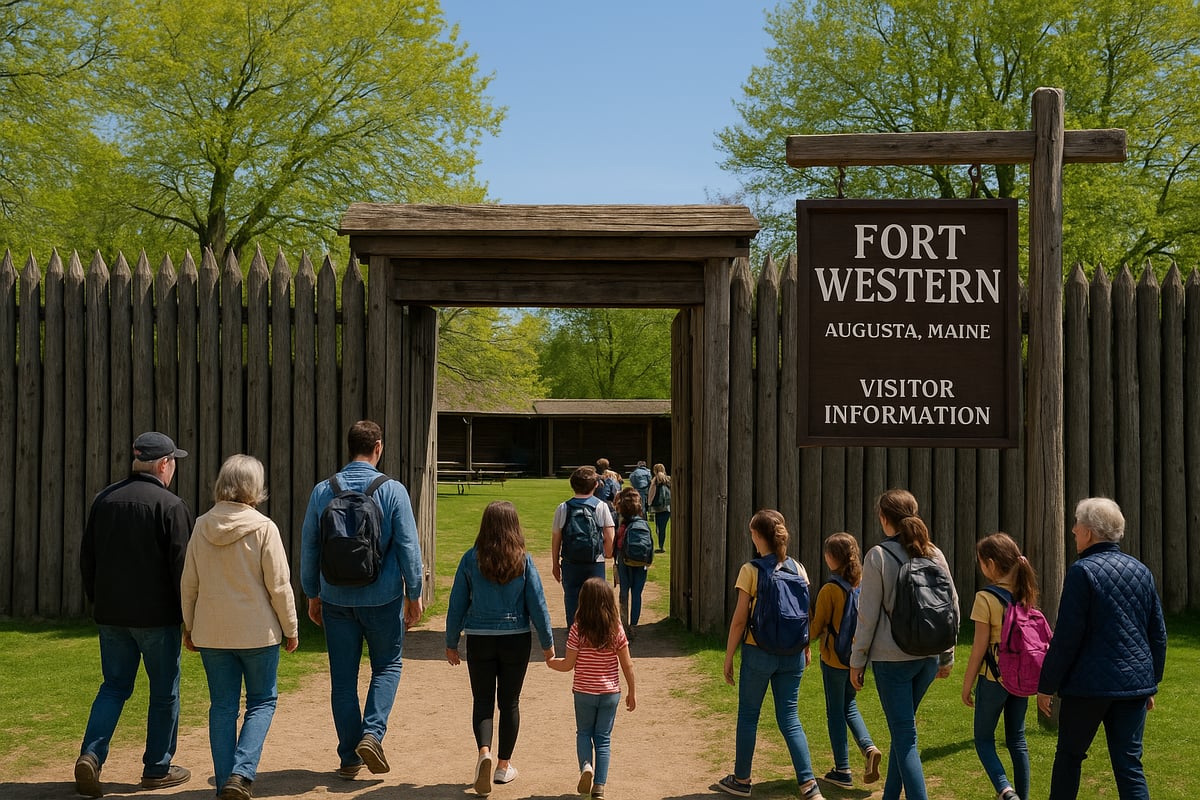
Fort western augusta welcomes visitors from May through October, with daily operating hours typically from 10:00 AM to 4:00 PM. The last guided tour begins at 3:30 PM. Admission rates for 2026 are expected to be $12 for adults, $10 for seniors (62+), $6 for children (6–16), and free for children under 6. Group rates are available for parties of 10 or more, making fort western augusta a popular choice for school trips and family gatherings.
The site is committed to accessibility. The main entrance, restrooms, gift shop, and several exhibit spaces are ADA compliant. Some historic structures have limited access due to their original design, but staff are ready to assist and accommodations can be requested in advance. Service animals are welcome, but pets are not permitted on the grounds. For a detailed overview of accessibility features, you can consult the Accessibility in Kennebec Valley resource.
Recent improvements have expanded accessible pathways and visitor seating, ensuring more guests can fully enjoy fort western augusta’s offerings. Visitor data shows a steady increase in accessible tour bookings each year.
Directions, Parking, and Transportation
Fort western augusta is located at 16 Cony Street, Augusta, Maine (GPS: 44.3138, -69.7686). If you are driving from Portland, take I-295 north to I-95 north, exit at Augusta, and follow signs to downtown. From Bangor, drive south on I-95. Boston visitors should plan for a three-hour drive north via I-95.
On-site parking is free, with additional public lots nearby. The fort is a short walk from downtown Augusta, making it accessible for those arriving by public transportation. Augusta’s city bus service stops within a few blocks, and local bike and pedestrian trails connect directly to the fort. For a visual guide to the area and related attractions, use the Maine sightseeing map to plan your route efficiently.
Visitor Amenities and Gift Shop
During your visit to fort western augusta, you will find restrooms, shaded picnic areas, and benches throughout the grounds. The visitor center provides a comfortable space to rest or seek assistance.
The gift shop is a highlight for many. It features books on local history, reproduction colonial toys, hand-forged crafts, and exclusive souvenirs unique to fort western augusta. Seasonal merchandise, such as holiday ornaments and limited-edition prints, are especially popular. Educational materials for all ages are available, making it easy to extend learning beyond your visit.
Food and drink are not sold on-site, but several local cafes and restaurants are within walking distance. Visitors are welcome to bring their own snacks for picnicking. Photography is encouraged throughout the site, though video recording requires advance permission from staff.
Tips for Families and Group Visits
Fort western augusta is an ideal destination for families, school groups, and tour parties. To arrange a group visit, contact the fort in advance to reserve a guided tour and secure group rates. Family-friendly activities, including scavenger hunts and interactive exhibits, ensure children remain engaged.
Sample itineraries are available for both half-day and full-day visits, making it easy to combine fort western augusta with other local attractions. Consider pairing your trip with a nearby museum or park for a well-rounded Augusta experience. Advance planning helps groups make the most of their time and enjoy a seamless, educational outing.
Fort Western’s Role in Augusta’s Community and Cultural Heritage
Fort Western Augusta stands at the heart of the city’s cultural landscape, serving as a bridge between past and present. Through education, events, and preservation, the fort enriches Augusta’s community spirit and historical identity.
Fort Western Augusta as a Living Classroom
Education is at the core of fort western augusta’s mission. The site partners with local schools, colleges, and universities, transforming the fort into a hands-on learning environment. Students participate in immersive programs, from colonial cooking to archaeological digs.
Teachers often collaborate with the fort’s educators to tailor lessons that fit curriculum standards. These partnerships foster a deeper understanding of Maine’s colonial era, inspiring curiosity and respect for history.
Community Events and Local Engagement
Fort western augusta hosts a variety of community events throughout the year. Local festivals, historical reenactments, and fundraising activities bring residents and visitors together on the fort’s grounds.
Signature events like “Martha’s Kitchen” and interactive storytelling evenings provide opportunities for families to experience history firsthand. These gatherings create strong community bonds and cultivate a sense of pride in Augusta’s shared heritage.
Preservation Efforts and Volunteer Opportunities
Preserving fort western augusta is an ongoing community effort, led by the Board of Trustees and supported by dedicated volunteers. Regular maintenance, restoration projects, and archaeological research ensure the site remains authentic and accessible.
Volunteer opportunities abound, from guiding tours to helping with special events. The fort encourages community members of all ages to get involved, building stewardship for future generations.
-
Lead educational tours
-
Assist with artifact preservation
-
Support event logistics
Economic Impact and City Identity
Fort western augusta contributes significantly to Augusta’s tourism economy. Each year, thousands of visitors attend programs and events, supporting local businesses and restaurants. According to Things to do in Augusta Maine, the fort is a top attraction, drawing both history enthusiasts and families.
The fort’s presence enhances Augusta’s identity, making it a focal point for heritage tourism and cultural pride. Its continued success relies on collaboration between city leaders, tourism boards, and the community.
Integration with Augusta’s Heritage and Resident Stories
The fort is deeply integrated into the city’s broader historical narrative. As part of the Four Forts of the Kennebec program, fort western augusta connects with other local sites to offer a comprehensive view of the region’s past. Many residents share personal stories of school trips, volunteer work, or attending annual events, reflecting the fort’s lasting influence.
For more about Augusta’s rich background and the fort’s origins, explore the Augusta, Maine: Historical Context. Community engagement remains strong, with ongoing programs and initiatives that celebrate Augusta’s legacy and ensure fort western augusta remains a living symbol of the city’s enduring culture.
After exploring Fort Western’s fascinating past, interactive exhibits, and the vibrant events planned for 2026, you’re probably excited to experience Augusta’s living history for yourself. If you’re ready to immerse yourself in Maine’s Kennebec Valley—whether it’s stepping into the fort’s storied garrison, joining a hands-on workshop, or planning a family adventure—having the right information makes all the difference. Let’s make your visit easy and memorable. You can find everything you need to plan your journey, from lodging and dining to local experiences and travel tips, right here:
Plan Your Trip