
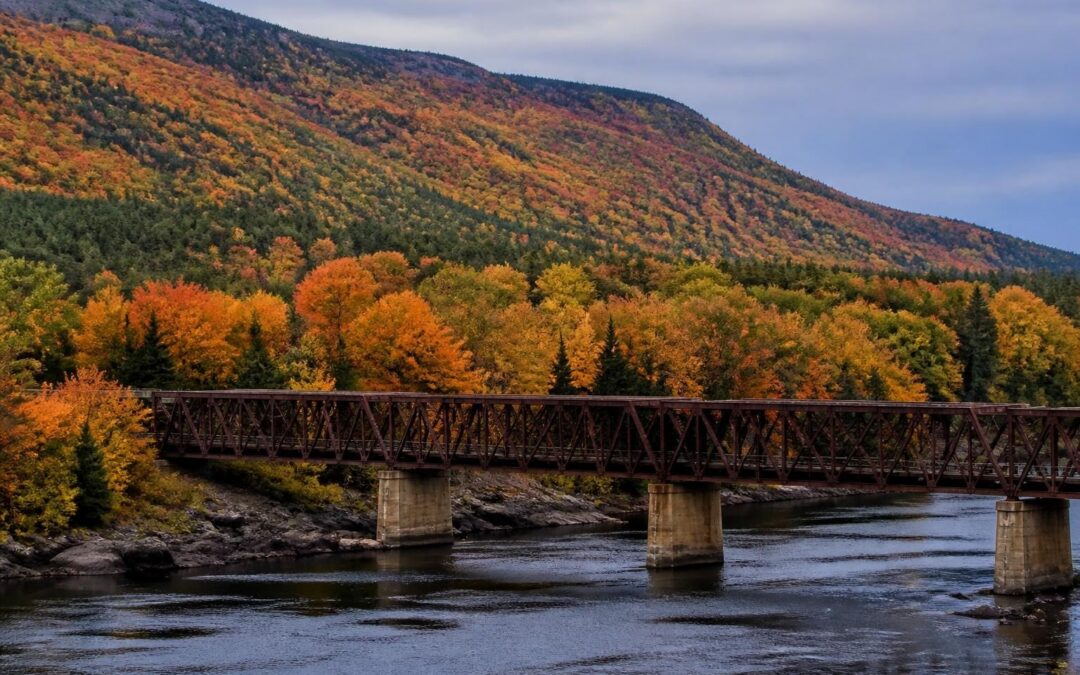
Maine's autumn spectacle draws visitors from around the globe, transforming the state into a kaleidoscope of crimson, gold, and orange. Understanding when and where to witness the foliage peak in Maine requires knowledge of elevation patterns, weather conditions, and regional timing differences that vary by several weeks across the state. The Kennebec Valley region offers exceptional vantage points and diverse terrain that showcase Maine's fall colors at their finest, with rivers, mountains, and historic towns creating perfect backdrops for leaf-peeping adventures. To view our official visitors guide click here.
Understanding Foliage Peak Timing Across Maine
The foliage peak in Maine follows a predictable north-to-south and elevation-driven pattern each autumn. Northern regions and higher elevations typically reach peak color in late September, while southern coastal areas peak in mid-October.
Elevation and Geographic Influences
Maine's varied topography creates distinct foliage zones that peak at different times:
- Northern and mountainous regions: Late September to early October
- Central Maine and Kennebec Valley: Early to mid-October
- Southern coastal regions: Mid to late October
- Sheltered valleys: Often peak 3-5 days later than exposed slopes
Temperature fluctuations and daylight hours trigger the chemical processes that create fall colors. According to University of Maine research on leaf color science, chlorophyll breakdown reveals the yellow and orange pigments already present in leaves, while cool nights and sunny days promote anthocyanin production for red hues.
The National Weather Service provides fall-colors guidance showing how specific weather patterns affect both timing and color intensity. Warm, wet summers followed by cool, dry autumns with sunny days and chilly nights produce the most vibrant displays.
Key Foliage Zones in the Kennebec Valley
The Kennebec Valley encompasses multiple ecosystems that peak at slightly different times, creating an extended viewing window for visitors.
Western Mountains Region
This area typically reaches peak color first, usually during the last week of September through the first week of October. Higher elevations showcase brilliant displays of sugar maples, American beech, and yellow birch.
Best viewing locations include:
- Mountain summits and ridgelines above 2,000 feet
- River valleys with mixed hardwood forests
- Scenic byways winding through mountainous terrain
Central River Valleys
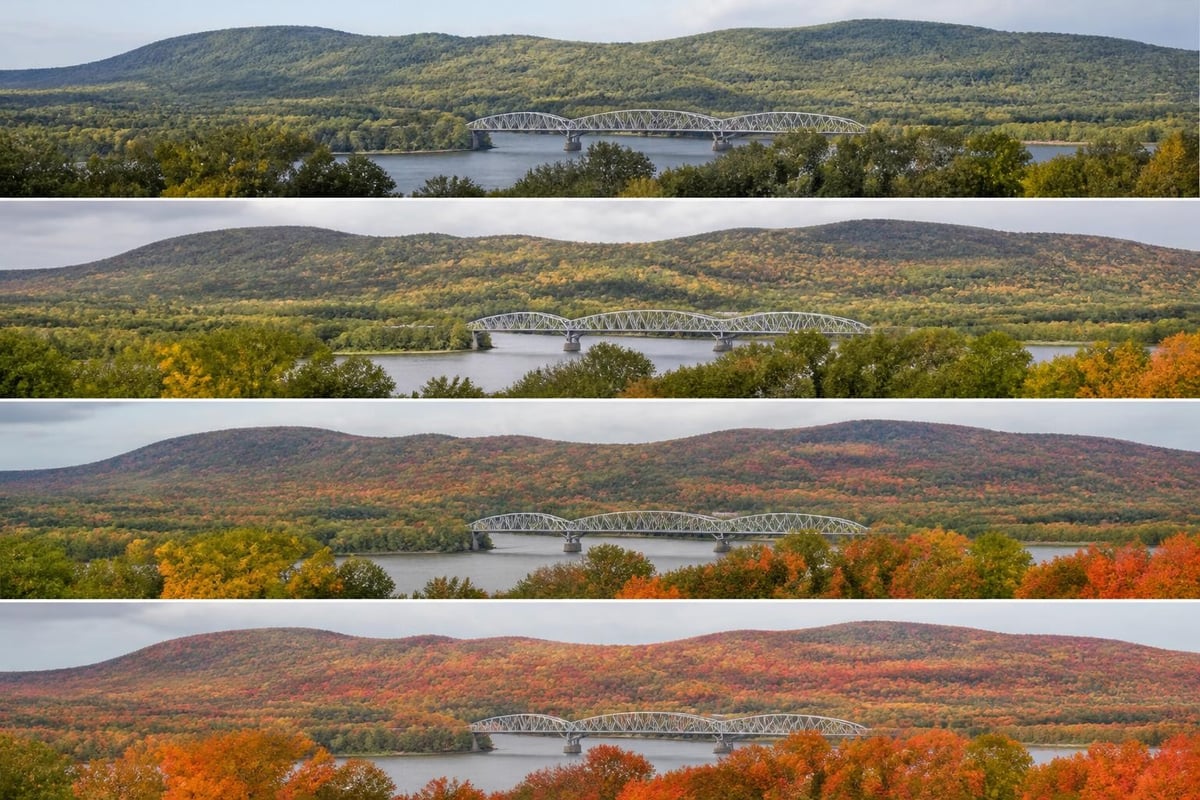
The Kennebec River corridor and surrounding valleys peak approximately one week after the western mountains, typically between October 5-15.
| Location Type | Peak Window | Dominant Species | Color Profile |
|---|---|---|---|
| River corridors | Oct 5-12 | Sugar maple, red maple | Red, orange, yellow |
| Mixed forests | Oct 8-15 | Beech, birch, oak | Gold, russet, yellow |
| Wetland edges | Oct 10-17 | Red maple, ash | Brilliant red, yellow |
Urban and Lowland Areas
Cities and lower-elevation areas in the Kennebec Valley typically reach peak foliage during the second week of October. These locations offer accessible viewing with amenities and cultural attractions.
The combination of street trees, parks, and nearby natural areas creates exceptional opportunities for visitors who want to combine leaf-peeping with dining, shopping, and cultural experiences available throughout the region.
Science Behind the Spectacular Colors
Understanding what creates Maine's stunning autumn display helps visitors appreciate the complexity of this natural phenomenon and plan trips that coincide with optimal conditions.
Physiological Processes in Fall Foliage
Trees prepare for winter by breaking down chlorophyll and withdrawing nutrients from leaves. USDA Forest Service research on sugar maple color development explains how this species, abundant in Maine, produces particularly intense colors through specific biochemical pathways.
The process involves multiple simultaneous changes:
- Chlorophyll degradation reveals yellow carotenoids and orange xanthophylls
- Anthocyanin synthesis creates red and purple pigments in response to cool temperatures
- Abscission layer formation prepares the leaf to separate from the branch
- Sugar concentration in leaves intensifies color production
Research on shifting seasonal timing shows that climate patterns are gradually altering when these processes occur, with peak foliage dates shifting slightly later in recent decades.
Weather Conditions That Enhance Color
Specific weather patterns produce the most memorable foliage seasons:
Ideal conditions include:
- Warm, wet growing season through summer
- Sunny, dry days in September and October
- Cool nights with temperatures between 35-45°F
- Absence of early hard frosts or strong winds
Drought stress can trigger early color change but often results in duller hues and premature leaf drop. Conversely, extended mild weather delays peak but can produce excellent color if temperatures eventually drop appropriately.
Planning Your Foliage Visit to Kennebec Valley
Strategic planning ensures you experience the foliage peak in Maine at its absolute best while avoiding crowds and securing accommodations.
Timing Your Visit
Monitor foliage reports starting in mid-September. Multiple resources provide weekly updates, but local knowledge proves invaluable for pinpointing exact peak timing in specific locations.
Three-week planning window:
- Late September: Target higher elevations and northern sections
- Early October: Focus on mid-elevation mixed forests
- Mid-October: Explore river valleys and urban areas
Book accommodations at least six weeks in advance for early October visits, as this represents the most popular period across central Maine. Many visitors exploring seasonal events and activities find that early October combines peak color with comfortable temperatures and harvest festivals.
Transportation and Route Planning
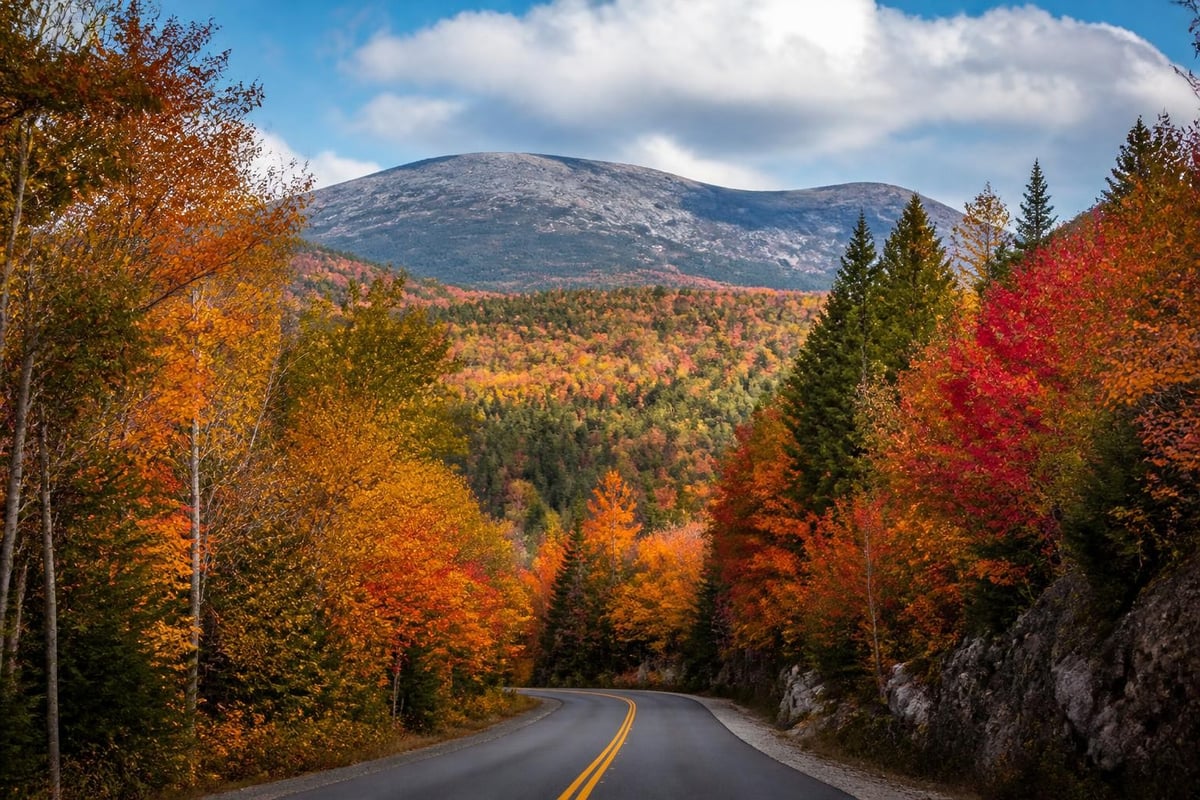
Maine's scenic byways and back roads offer spectacular foliage viewing, but traffic increases significantly during peak weeks. Plan routes that avoid major highways during midday hours and include stops at scenic pullouts and state parks.
Consider these route elements:
- Early morning departures to capture best light and minimal traffic
- Riverside roads that follow water features reflecting autumn colors
- Loop routes that vary elevation and forest types
- Historic town centers for rest stops and local dining
Best Activities During Peak Foliage
Experiencing the foliage peak in Maine extends beyond simply viewing colors from a car window. Active engagement with the landscape creates lasting memories and photo opportunities.
Hiking and Walking Trails
Maine’s state parks offer designated fall foliage hikes that range from easy nature walks to challenging summit climbs. Trail networks in the Kennebec Valley provide options for all fitness levels.
| Trail Difficulty | Recommended Duration | Best Features | Photography Opportunities |
|---|---|---|---|
| Easy (< 2 miles) | 1-2 hours | Lake shores, gentle slopes | Reflections, close-up details |
| Moderate (2-5 miles) | 2-4 hours | Mixed terrain, waterfalls | Wide vistas, forest interiors |
| Challenging (5+ miles) | 4-8 hours | Summit views, ridge walks | Panoramic landscapes, aerial perspective |
Water-Based Foliage Viewing
Rivers and lakes in the Kennebec Valley create mirror-like reflections that double the visual impact of fall colors. Kayaking, canoeing, and scenic boat tours offer unique perspectives unavailable from roadways.
Water routes provide several advantages:
- Cooler temperatures during warm autumn days
- Minimal crowds compared to popular driving routes
- Wildlife viewing opportunities as animals prepare for winter
- Access to remote areas with pristine forest stands
Photography Tips for Peak Color
Optimal photography during the foliage peak in Maine requires attention to light quality, composition, and timing. Early morning and late afternoon provide the best natural lighting conditions.
Essential photography considerations:
- Shoot during "golden hour" for warm, directional light
- Include water features for reflections and depth
- Incorporate foreground elements like stone walls or fences
- Use polarizing filters to reduce glare and enhance color saturation
- Capture both wide landscapes and intimate forest details
Regional Variations and Microclimates
The Kennebec Valley's diverse topography creates numerous microclimates that affect foliage timing and color intensity across relatively short distances.
Valley Floor vs. Hillside Patterns
Cold air drainage creates temperature inversions where valley floors experience earlier frosts than mid-slope locations. This phenomenon can trigger color change several days earlier in low-lying areas, while hillsides retain green foliage longer.
Higher slopes often display the most intense colors due to increased sun exposure and excellent drainage that prevents waterlogging stress. Ridge-top trees face harsher conditions but often produce brilliant displays before lower-elevation counterparts.
Forest Composition Impact
Different tree species peak at different times, creating a progression of colors throughout October:
Early October dominance:
- Sugar maple: Orange to red
- Red maple: Scarlet to crimson
- Birches: Bright yellow
Mid-October dominance:
- Oak species: Russet to burgundy
- Beech: Golden bronze
- Ash: Yellow to purple
Forest Health and Future Foliage Seasons
Current and emerging forest health issues may affect future foliage displays across Maine. Awareness of these challenges helps visitors appreciate the importance of forest conservation.
Beech Leaf Disease Concerns
Recent USDA Forest Service research on beech leaf disease identifies a serious threat to American beech populations. This condition, caused by a foliar nematode, creates dark banding in leaves and can significantly reduce fall color quality in affected stands.
Beech trees comprise significant portions of Kennebec Valley forests, and disease progression could alter the visual character of autumn displays in coming years. Forest managers monitor affected areas and work to understand transmission patterns and potential treatments.
Climate Change Implications
Gradual warming trends affect both the timing and intensity of fall foliage. Warmer autumn temperatures may delay peak color, while changing precipitation patterns influence summer stress levels that affect pigment production.
Despite these challenges, Maine's diverse forests and varied topography provide resilience. Different species and elevation zones ensure spectacular displays will continue, though specific timing and locations may shift gradually over time.
Accommodations and Visitor Services
Kennebec Valley offers diverse lodging options that cater to different preferences and budgets during the foliage season.
Lodging Strategy for Peak Season
Reserve accommodations well in advance for visits during the first two weeks of October. Many properties require minimum stays during peak weekends, and rates increase 25-40% compared to summer prices.
Lodging options include:
- Historic inns in downtown locations
- Lakeside cabins and cottages
- Full-service resorts with activity programs
- Budget-friendly motels along major routes
- Campgrounds for RV and tent camping
Dining and Local Experiences
Fall harvest season brings special menus featuring local ingredients, farm-to-table dining, and seasonal beverages. Many restaurants in the region offer outdoor seating with foliage views through mid-October, weather permitting.
Farmers markets, craft fairs, and harvest festivals coincide with peak foliage weeks, creating opportunities to experience local culture while enjoying the spectacular scenery.
Lesser-Known Viewing Locations
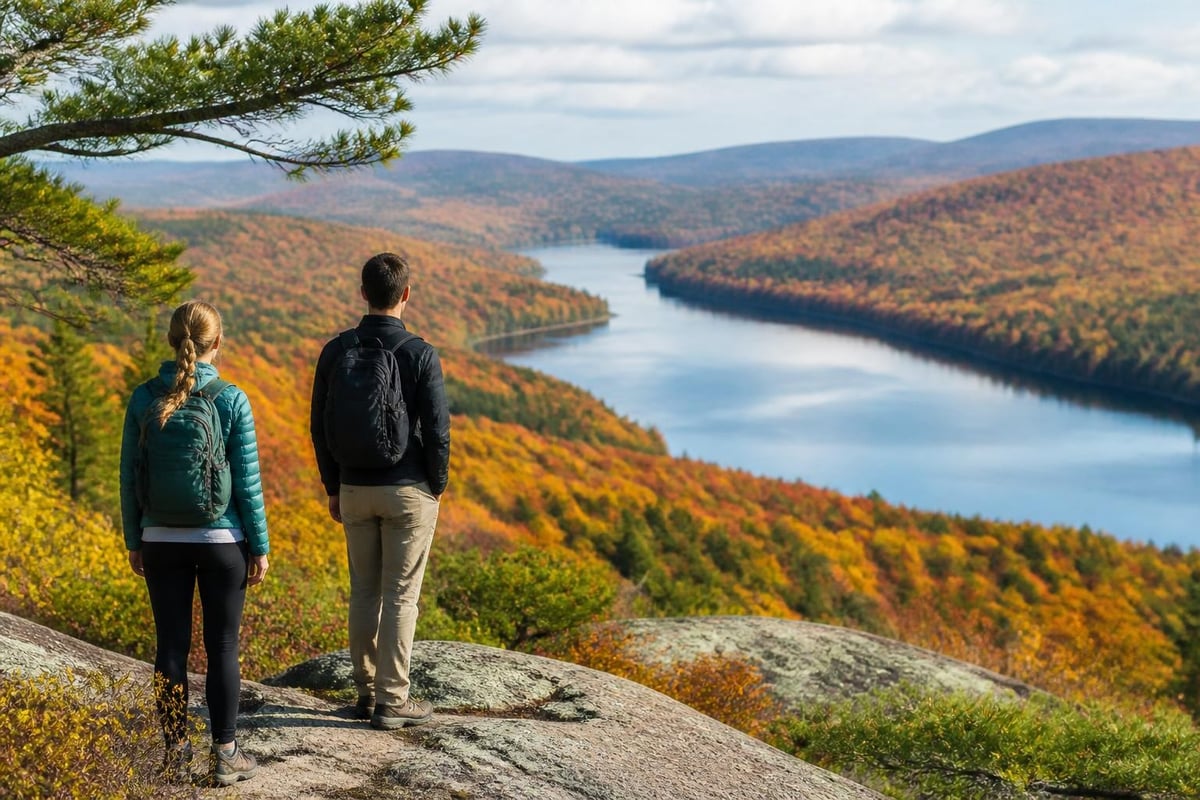
While popular destinations attract significant attention, the Kennebec Valley contains numerous lesser-known locations that offer exceptional foliage viewing without crowds.
Off-the-Beaten-Path Recommendations
Back roads and small communities provide intimate foliage experiences with authentic local character. These areas often peak simultaneously with better-known destinations but receive a fraction of the visitor traffic.
Explore secondary highways and local routes that wind through agricultural areas where farm fields provide foreground interest against forested hillsides. Small village greens surrounded by historic buildings and mature trees create quintessential New England autumn scenes.
State Parks and Conservation Areas
Protected lands throughout the region offer well-maintained trails, interpretive signage, and facilities while preserving natural landscapes. Acadia National Park provides comprehensive fall-colors guidance that demonstrates best practices for visitor experience during peak season.
While Acadia lies outside the Kennebec Valley, similar principles apply to regional parks and natural areas: arrive early, use designated parking, stay on marked trails, and practice Leave No Trace principles to preserve these resources.
Extending Your Foliage Experience
The foliage peak in Maine lasts approximately two weeks in any given location, but strategic travel across elevation zones and latitudes can extend your viewing window significantly.
Multi-Day Itinerary Planning
A well-planned seven to ten-day trip can capture peak color across multiple regions by following the progression from north to south and high to low elevation.
Sample progression:
- Days 1-3: Northern and western mountains
- Days 4-6: Central valleys and mid-elevation forests
- Days 7-9: Southern regions and coastal areas
This approach maximizes opportunities to experience peak conditions while exploring diverse landscapes and communities. Each region offers distinct character, from mountain wilderness to historic river towns.
Combining Foliage with Other Activities
October in Maine offers more than just colorful leaves. Whitewater rafting, brewery tours, antiquing, and cultural events provide variety to a foliage-focused trip.
Many visitors find that combining active outdoor pursuits with relaxation and cultural exploration creates the most satisfying experience. Morning hikes can be followed by afternoon drives, with evenings spent enjoying local cuisine and entertainment.
Real-Time Foliage Resources and Updates
Successful foliage trips depend on current information, as weather variations can shift peak timing by several days compared to average years.
Monitoring Tools and Reports
Multiple sources provide weekly foliage updates throughout September and October:
- State tourism websites with interactive maps
- Local chamber of commerce reports
- Social media posts from regional businesses
- Webcam feeds from ski areas and lodges
- Phone hotlines with recorded updates
Cross-reference multiple sources for the most accurate picture of current conditions. Reports from local businesses and residents often provide more precise information than statewide summaries.
Weather Forecasting for Color Prediction
Extended weather forecasts help predict whether conditions will accelerate or delay foliage progression. Upcoming cold fronts may trigger rapid color change, while warm spells can slow the process.
Pay particular attention to overnight low temperatures, which drive anthocyanin production. A string of nights in the 35-40°F range typically produces the most vibrant reds, especially in sugar maples and red maples that dominate many Kennebec Valley forests.
The foliage peak in Maine represents one of nature's most spectacular seasonal displays, combining scientific processes, geographic diversity, and perfect autumn weather to create unforgettable landscapes. Whether you're planning your first leaf-peeping adventure or returning for another year of brilliant colors, the Kennebec Valley Tourism Council provides comprehensive resources to help you discover the region's finest foliage viewing locations, accommodations, and seasonal activities that make October in Maine truly special.