
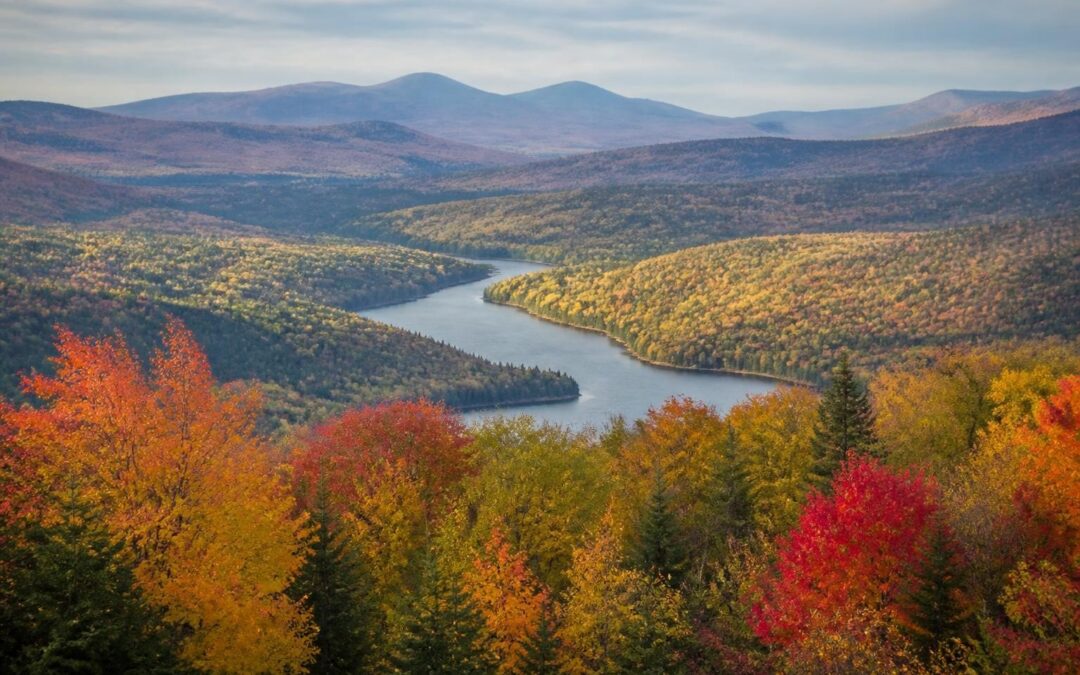
Maine's autumn season ranks among North America's most spectacular natural phenomena, drawing visitors from around the globe to witness the transformation of millions of acres of forest into a brilliant tapestry of crimson, gold, and orange. The combination of diverse tree species, dramatic elevation changes, and crisp New England weather creates an unparalleled display that begins in mid-September and extends through late October. From coastal harbors framed by sugar maples to mountain valleys ablaze with beech and birch, fall in Maine offers an experience that engages all the senses and creates lasting memories for travelers seeking authentic seasonal beauty. To view our official visitors guide click here.
Understanding Maine's Fall Foliage Science
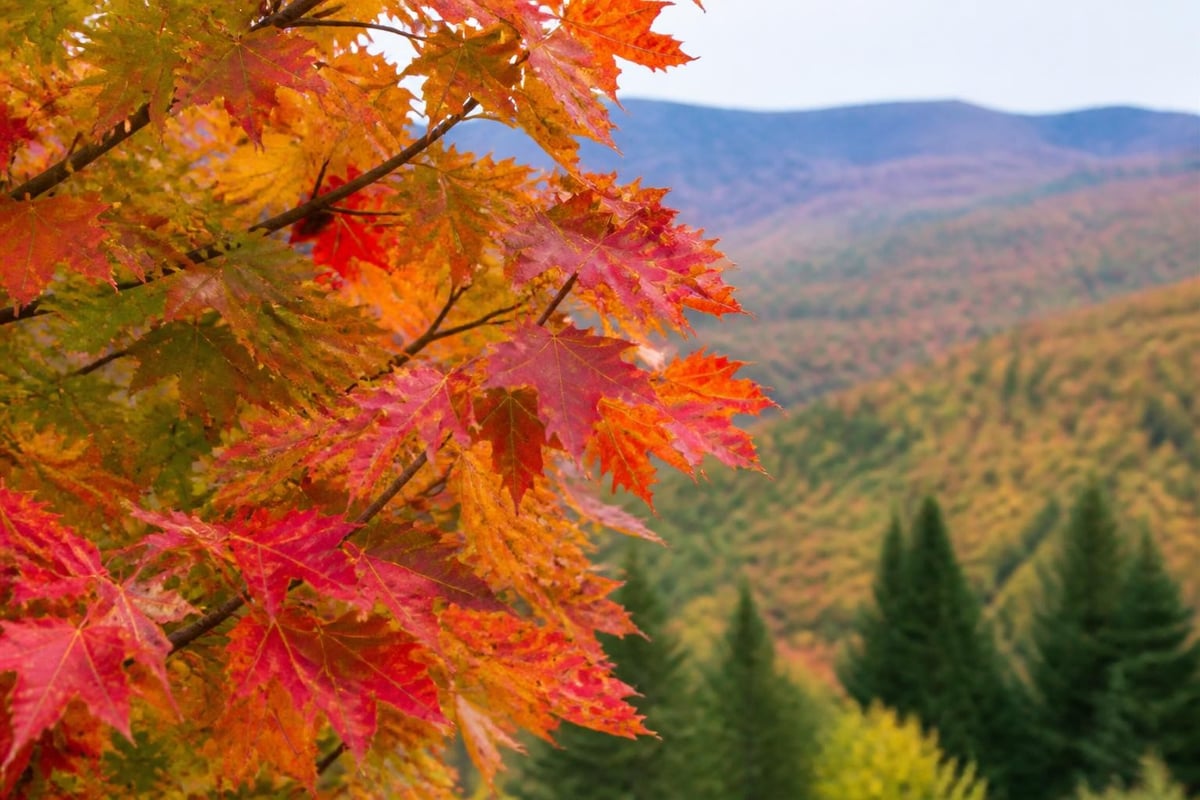
The spectacular colors that define fall in Maine result from complex biochemical processes triggered by decreasing daylight and cooler temperatures. As chlorophyll production slows in deciduous trees, the green pigment breaks down to reveal carotenoids (yellows and oranges) and anthocyanins (reds and purples) that were present all along or newly synthesized in response to environmental cues.
Climate and Timing Factors
Maine's northern latitude and varied topography create distinct foliage zones that progress from north to south and high to low elevations. The University of Maine Cooperative Extension’s phenology program tracks these changes across the state, providing valuable data on how temperature, precipitation, and frost timing influence color development.
Key environmental factors include:
- Nighttime temperatures between 40-45°F that trigger anthocyanin production
- Adequate soil moisture during summer growing season
- Sunny autumn days that enhance color intensity
- Minimal wind and heavy rain that can strip leaves prematurely
Research published through peer-reviewed climate studies indicates that autumn phenology is shifting in response to climate change, with peak colors arriving slightly later in recent decades. This makes consulting current-year foliage reports essential for trip planning.
Peak Foliage Timing Across Maine Regions
Fall in Maine doesn't arrive all at once. The state's 35,000 square miles experience peak colors across a six-week window, allowing strategic travelers to follow the color progression or target specific regions during their optimal display period.
| Region | Peak Color Window | Elevation Range | Dominant Species |
|---|---|---|---|
| Northern Maine | September 20-30 | 1,000-2,500 ft | Sugar maple, birch, aspen |
| Western Mountains | September 25-October 10 | 1,500-4,000 ft | Beech, maple, oak |
| Kennebec Valley | October 1-15 | 100-1,200 ft | Mixed hardwoods, red maple |
| Mid-Coast | October 5-20 | 0-800 ft | Oak, maple, hickory |
| Southern Maine | October 10-25 | 0-500 ft | Swamp maple, ash, elm |
The Maine government’s fall foliage tracker provides weekly updates with county-by-county color percentage reports and predictions. This interactive resource has proven invaluable for visitors planning their fall in Maine adventures, with reporting beginning each year in early September.
Microclimates and Local Variations
Even within regions, elevation differences of just a few hundred feet can shift peak timing by a week or more. Valley floors where cold air settles experience earlier frosts, while south-facing slopes receive more sunlight and may hold color longer. Kennebec Valley's diverse topography creates exceptional opportunities to witness multiple stages of color change during a single visit, from early reds in higher elevations to late-season golds along the riverbanks.
Scenic Drives and Photography Locations
Maine's network of byways and back roads transforms into corridor galleries during autumn, offering countless vantage points for experiencing fall in Maine from behind the wheel or on foot with a camera.
Classic Routes and Hidden Gems
Route 201 North follows the Kennebec River through some of the state's most dramatic foliage landscapes, climbing from Augusta through mixed hardwood forests into the evergreen transition zone. This corridor showcases the full spectrum of Maine's autumn palette within a single day's drive.
The Belgrade Lakes region offers a gentler alternative, where mirrored water surfaces double the visual impact of surrounding hillsides. Early morning visits reward photographers with mist rising from warm water meeting cool air, backlit by crimson maples.
For those seeking comprehensive trip-planning resources, the Kennebec Valley provides exceptional access to diverse fall landscapes without the crowds found in more heavily promoted destinations. Local knowledge reveals unmarked pull-offs and seasonal farm stands that enhance the authentic experience.
Photography timing recommendations:
- Golden hour shooting (first and last hour of daylight) emphasizes warm tones
- Overcast days provide even lighting that saturates colors
- Post-rain conditions intensify leaf pigments and add reflective surfaces
- Backlit scenes create glowing translucent leaf effects
NASA’s Earth Observatory analysis of Maine's fall colors from satellite perspective reveals patterns invisible from ground level, demonstrating how forest composition creates distinct color zones visible from space.
Outdoor Adventures in Autumn
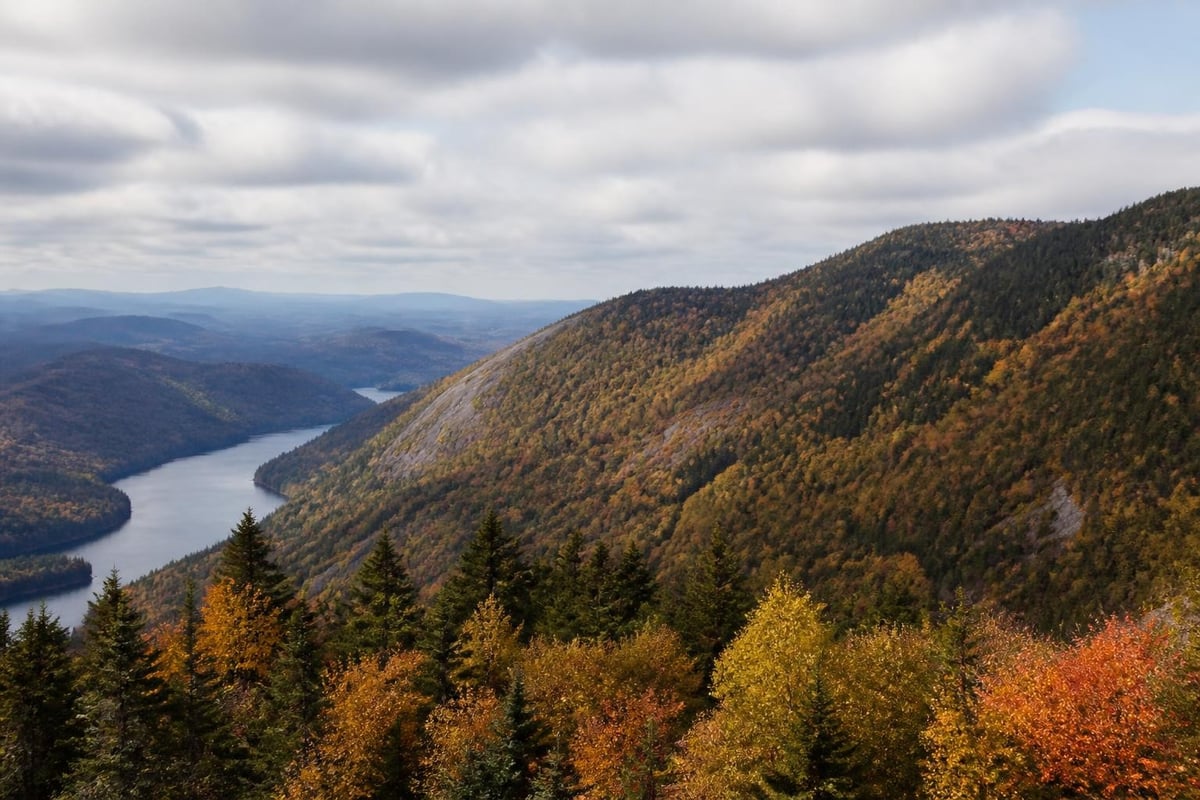
Fall in Maine extends far beyond passive leaf-peeping. The season's comfortable temperatures, reduced insect populations, and spectacular backdrops create ideal conditions for active outdoor pursuits across all skill levels.
Hiking and Trail Experiences
Maine's trail systems take on new character in autumn, with leaf litter creating soft, quiet pathways and reduced canopy cover opening up views unavailable during summer months. Moderate temperatures ranging from the 50s to low 60s provide comfortable hiking conditions without the heat exhaustion risks of summer or the extreme cold challenges of winter.
Popular trail considerations:
- Morning hikes offer crisp air and better wildlife viewing opportunities
- Leaf-covered trails require attention to footing and trail markers
- Reduced daylight hours demand earlier starts for longer routes
- Variable weather necessitates layered clothing systems
Water-Based Activities
The Kennebec River's world-class whitewater rafting continues through fall, with autumn colors framing Class III and IV rapids. Outfitters extend their seasons specifically for the fall foliage runs, combining adrenaline with scenery. Calmer paddling opportunities abound on the region's numerous lakes and gentle river sections, where kayakers and canoeists glide through reflected forests.
Coastal visitors discover that fall in Maine brings exceptional fishing opportunities as species migrate and feed aggressively before winter. The Maine Department of Marine Resources provides current regulations and safety information for saltwater activities during the transition season.
| Activity | Best Timing | Equipment Needs | Skill Level |
|---|---|---|---|
| Whitewater rafting | Late Sept-mid Oct | Provided by outfitters | Beginner-Advanced |
| Lake kayaking | Sept-early Oct | Personal or rental | Beginner-Intermediate |
| Mountain biking | Mid Sept-late Oct | Personal bike, repair kit | Intermediate-Advanced |
| Trail running | Sept-mid Oct | Standard running gear | Intermediate-Advanced |
Cultural Events and Harvest Festivals
Maine communities celebrate the autumn season with festivals, fairs, and cultural events that showcase agricultural heritage, local crafts, and seasonal traditions. These gatherings provide visitors authentic opportunities to connect with local culture while experiencing fall in Maine beyond its natural attractions.
Agricultural Celebrations
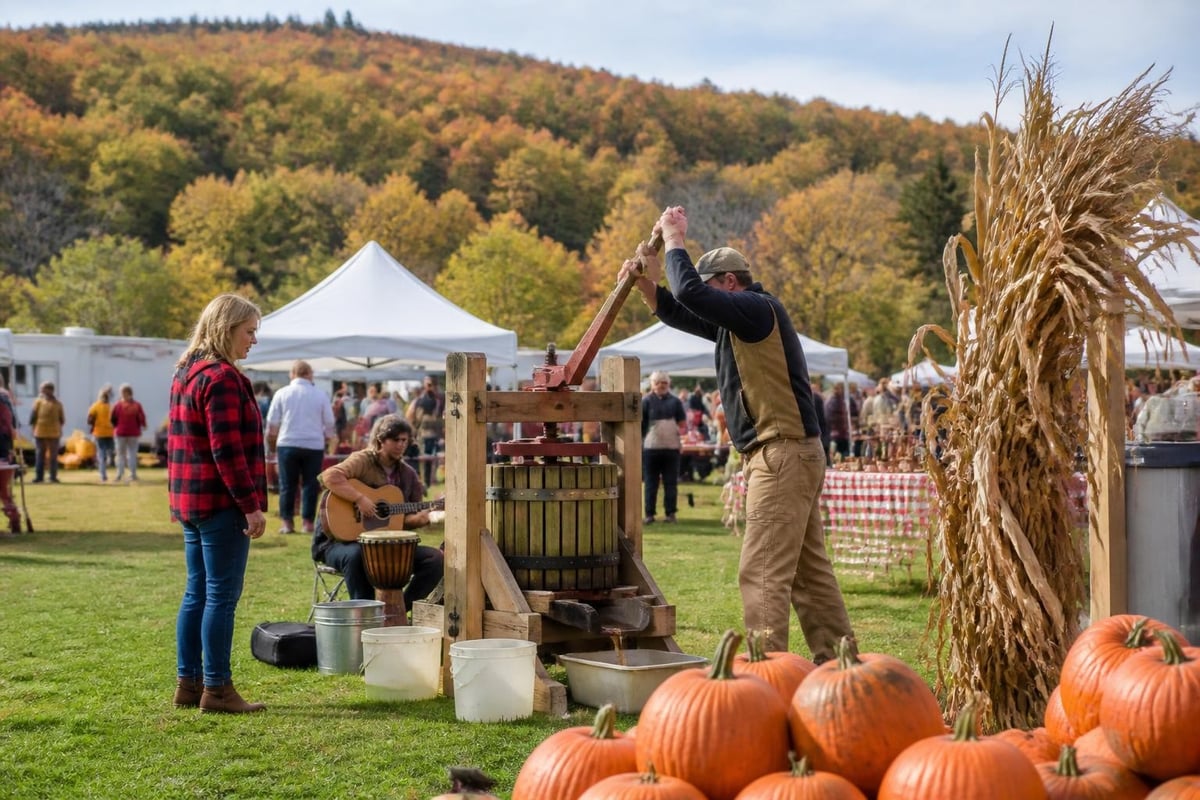
Apple orchards reach peak productivity in September and October, with many offering pick-your-own experiences, fresh cider pressing demonstrations, and farm markets stocked with heirloom varieties. Pumpkin patches transform into family destinations complete with corn mazes, hayrides, and fall decorating supplies.
Common Grounds Country Fair and similar regional events feature:
- Local artisan vendors selling handcrafted goods
- Live music performances ranging from traditional folk to contemporary
- Farm-to-table food vendors highlighting seasonal ingredients
- Educational demonstrations of traditional crafts and skills
The Kennebec Valley events calendar lists dozens of fall gatherings across the region, from intimate community suppers to large-scale festivals drawing thousands. These events often coincide with peak foliage timing, allowing visitors to combine natural and cultural experiences.
Arts and Performance
Fall in Maine brings robust performing arts seasons to venues throughout the state. Theater companies, symphony orchestras, and gallery openings align their schedules with the influx of autumn visitors and the return of seasonal residents.
Culinary Experiences and Local Flavors
Autumn's harvest abundance transforms Maine's culinary scene, with restaurants, breweries, and food producers showcasing seasonal ingredients at their peak. Fall in Maine means wild mushrooms, winter squash, fresh-pressed cider, and the continuation of seafood seasons that define the state's food identity.
Seasonal Ingredients and Dishes
Wild mushrooms including chanterelles, hen-of-the-woods, and porcini emerge after autumn rains, finding their way onto restaurant menus and farmers market tables. Foraging guides lead expeditions for those interested in learning identification and sustainable harvesting practices.
The apple harvest drives cider production, from traditional sweet cider to hard cider variations that have experienced a renaissance across Maine. Exploring the beer trail reveals craft breweries incorporating local ingredients like maple syrup, pumpkin, and wild yeast into autumn seasonal offerings.
Dining Recommendations
- Farm-to-table establishments feature constantly evolving menus based on daily harvest availability
- Seafood restaurants serve late-season lobster, clams, and oysters alongside autumn vegetables
- Brewpubs and taprooms release fall seasonal beers in September and October
- Bakeries specialize in apple pies, pumpkin breads, and other autumn classics
Maine's food culture emphasizes direct connections between producers and consumers, with many restaurants maintaining relationships with specific farms and highlighting those partnerships on menus. This transparency allows diners to trace their meals to specific fields and waters.
Planning Your Fall Maine Visit
Successful fall in Maine trips require advance planning, particularly for accommodation and popular attractions during peak foliage weeks. Strategic timing, flexible itineraries, and local knowledge maximize the experience while minimizing frustration.
Accommodation Strategies
Book early for peak foliage weekends, ideally three to six months in advance for popular destinations. Mid-week visits offer better availability and lower rates while still providing excellent color displays. Alternative lodging areas slightly outside primary tourist zones provide value and authentic local experiences.
Consider these lodging options:
- Historic inns offering charm and regional character
- Waterfront cottages with private lake or river access
- Working farms providing agritourism experiences
- Downtown hotels convenient to dining and cultural venues
Weather and Packing Essentials
Fall in Maine weather varies dramatically, with warm Indian summer days reaching the 70s and cool nights dipping into the 30s. Planning resources from Acadia National Park provide typical temperature ranges and precipitation patterns applicable across much of the state.
Essential packing list:
- Layered clothing including fleece or wool mid-layers
- Waterproof outer shell for rain protection
- Comfortable hiking footwear with good traction
- Sun protection (sun angle is lower but UV exposure remains significant)
- Binoculars for wildlife and distant foliage viewing
- Camera equipment with polarizing filters to reduce glare
Itinerary Flexibility
Build buffer days into your schedule to account for weather variations and spontaneous discoveries. The most memorable fall in Maine experiences often come from unmarked roadside pull-offs, conversations with locals, or last-minute detours to investigate smoke rising from a sugarhouse or music drifting from a community hall.
Wildlife Viewing Opportunities
Autumn brings significant changes to Maine's animal populations as species prepare for winter migration or hibernation. This activity creates exceptional wildlife viewing opportunities for patient observers in the right locations at optimal times.
Migration Patterns
Raptor migrations peak in September, with hawks, eagles, and falcons following coastal ridgelines southward. Established viewing sites attract birders with spotting scopes who share sightings and identification tips. Shorebirds stage along the coast, building fat reserves for transoceanic flights.
Waterfowl begin arriving from northern breeding grounds in October, with ducks, geese, and swans settling into Maine's lakes, rivers, and coastal marshes. Early morning and late afternoon feeding times provide the best viewing windows.
Mammal Activity
White-tailed deer become more visible during fall rut season, with increased daytime movement and reduced wariness. Moose continue their own breeding season through September and early October, though sightings require patience and knowledge of preferred habitats. Black bears actively forage to build fat reserves, making them more visible along forest edges and wetlands.
Safety considerations for wildlife viewing:
- Maintain safe distances (minimum 100 feet from large mammals)
- Never feed wild animals or leave food accessible
- Be especially cautious around animals with offspring
- Make noise while hiking in dense cover to avoid surprising animals
- Secure all food and scented items when camping
National Geographic’s comprehensive Maine guide provides detailed wildlife information including species profiles, behavioral patterns, and ethical viewing guidelines that enhance observation experiences while protecting both animals and visitors.
Sustainable Tourism Practices
Experiencing fall in Maine responsibly ensures the preservation of natural resources and community character that make the season special. Visitor choices regarding transportation, waste, and interaction with natural spaces significantly impact environmental and social sustainability.
Leave No Trace Principles
Autumn's increased visitor numbers multiply the potential for trail erosion, litter accumulation, and ecosystem disturbance. Following established Leave No Trace ethics protects the landscapes everyone comes to enjoy:
- Stay on designated trails to prevent erosion and vegetation damage
- Pack out all trash including organic waste like apple cores
- Respect private property boundaries and posted signage
- Minimize noise pollution in natural areas
- Leave natural objects and cultural artifacts undisturbed
Supporting Local Economies
Directing tourism spending toward locally owned businesses, farms, and attractions keeps economic benefits within communities. Choosing independent restaurants over national chains, shopping at farmers markets, and hiring local guides creates meaningful economic impact while often delivering more authentic experiences.
Sustainable choices include:
- Purchasing directly from producers at farm stands and markets
- Staying in locally owned lodging rather than national chains
- Hiring Maine-based guides for outdoor activities
- Attending community events and cultural programs
- Respecting seasonal closures and capacity limits
The Maine Sea Grant program provides research-based information on coastal ecosystem health and how visitor behavior affects marine environments, relevant for those combining fall foliage trips with coastal exploration.
Photography and Social Media Tips
Capturing fall in Maine through photography creates lasting memories and shares the experience with others. Understanding technical considerations specific to autumn light and color improves results whether using professional cameras or smartphones.
Technical Considerations
Exposure challenges arise from high-contrast scenes where bright skies compete with shaded forest floors. Using graduated neutral density filters or shooting multiple exposures for later blending solves these issues. Polarizing filters reduce glare from water and wet leaves while intensifying color saturation.
White balance settings affect how cameras interpret autumn colors. Auto white balance often produces acceptable results, but experimenting with cloudy or shade presets can warm tones for more dramatic effects. Shooting in RAW format preserves maximum editing flexibility.
Composition Strategies
Strong autumn photographs move beyond generic "trees with colored leaves" to tell visual stories with clear subjects and supporting elements:
- Include foreground interest like rocks, water, or fallen leaves to create depth
- Frame scenes using tree trunks or branches to direct viewer attention
- Seek contrast between evergreen and deciduous species or sunlit and shaded areas
- Capture reflections in still water for symmetrical compositions
- Show scale by including people, buildings, or known objects
Social media sharing extends the reach of fall in Maine experiences, potentially inspiring others to visit. Geotagging helps viewers locate featured spots while respectful captioning encourages sustainable practices. Consider the impact of promoting fragile or limited-capacity locations to your audience.
Extended Season Activities
Fall in Maine extends beyond peak foliage into late October and November, when different attractions and activities take center stage. This shoulder season offers unique experiences without peak-period crowds.
Late Autumn Attractions
As leaves drop, forest structure becomes visible and distant views open up. This clarity benefits landscape photography and allows hikers to see terrain features obscured during summer's full canopy. Bird diversity actually increases in some areas as northern species push southward and overwintering populations arrive.
Hunting seasons for various game species bring different visitor demographics to Maine's forests. Non-hunters should wear blaze orange when hiking during these periods and remain aware of season dates and areas with active hunting.
Holiday Preparations
Many Maine communities begin holiday preparations in November, with craft fairs, small business shopping events, and early decorating creating festive atmospheres. These activities appeal to visitors seeking less nature-focused experiences or those extending fall in Maine trips into the pre-winter period.
| Late Fall Activity | Optimal Timing | Special Considerations |
|---|---|---|
| Structural forest photography | Late Oct-mid Nov | Bare branches, clear sightlines |
| Late-season hiking | Through November | Shorter days, variable weather |
| Holiday craft fairs | Nov-early Dec | Indoor venues, seasonal shopping |
| Northern lights viewing | Oct-Nov | Dark skies, solar activity |
| Cross-country skiing (early) | Late Nov-Dec | Elevation-dependent snow |
Fall in Maine delivers an unforgettable combination of natural beauty, cultural richness, and outdoor adventure that appeals to diverse interests and activity levels. From the science behind leaf color changes to the practical details of planning a successful autumn visit, the season offers depth and variety that rewards both first-time visitors and those who return year after year. The Kennebec Valley Tourism Council provides comprehensive resources, insider knowledge, and trip-planning assistance to help you experience the region's spectacular autumn season, connecting you with local experts, up-to-date foliage reports, and curated itineraries that showcase the best of Maine's fall offerings.