
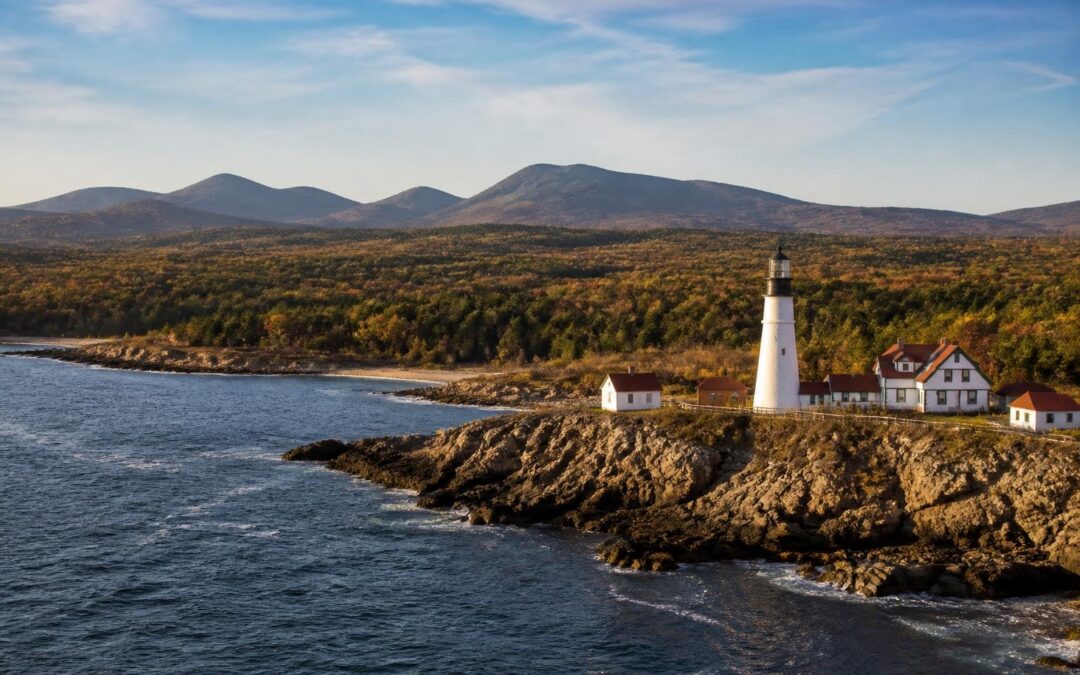
When you explore Maine, you encounter a state that defies simple categorization. From rugged coastlines stretching over 3,000 miles to dense wilderness areas and charming small towns, Maine offers travelers an authentic New England experience unlike any other destination. The state's appeal transcends seasonal boundaries, inviting visitors to discover hidden gems throughout the year. Whether you're drawn to outdoor adventures, cultural enrichment, or culinary exploration, Maine's diverse regions provide endless opportunities to create lasting memories while experiencing genuine hospitality.
Understanding Maine's Regional Diversity
Maine's geography creates distinct regional identities that shape how visitors explore the state. The coastal region attracts millions with its iconic lighthouses, seafood traditions, and maritime heritage. Meanwhile, the interior regions showcase mountain ranges, pristine lakes, and vast forests that constitute over 90% of the state's land area.
The Kennebec Valley represents one of Maine's most captivating inland destinations. This central corridor combines natural beauty with accessible outdoor recreation and vibrant cultural scenes. The Kennebec River serves as the region's backbone, offering everything from peaceful fishing spots to thrilling whitewater rapids.
Geographic Highlights Worth Visiting
When planning your journey, consider these distinct geographic features:
- Coastal Zone: Rocky shores, sandy beaches, and historic harbors
- Mountain Regions: Monadnock peaks, ski resorts, and hiking trails
- River Valleys: Whitewater rafting, scenic byways, and agricultural landscapes
- Forestlands: Backcountry camping, wildlife viewing, and fall foliage tours
- Lake Country: Boating, fishing, and waterfront recreation
Each region maintains its unique character while contributing to Maine's overall appeal as a premier travel destination.
Seasonal Considerations for Your Maine Adventure
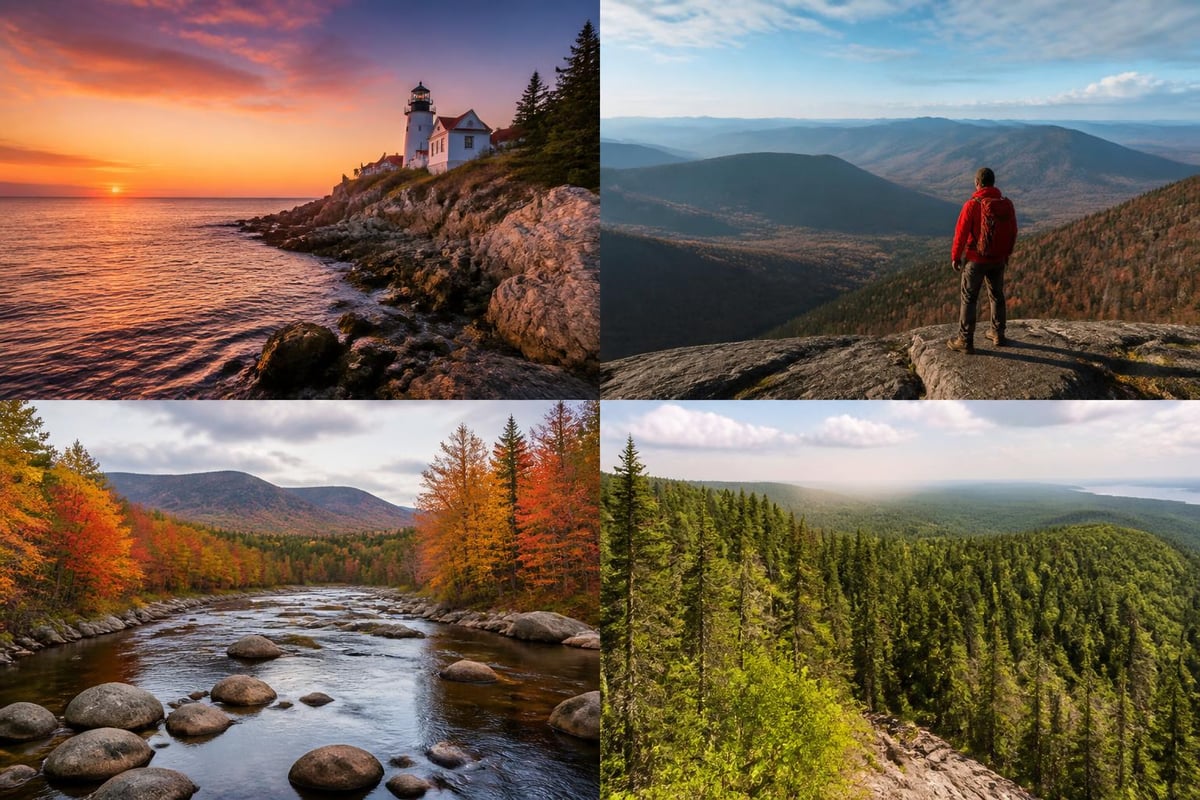
Maine's four distinct seasons dramatically transform the landscape and available activities. Understanding seasonal variations helps visitors maximize their experience when they explore Maine throughout the calendar year.
Spring Awakening (March-May)
Spring brings dramatic changes as winter recedes. Rivers swell with snowmelt, creating ideal conditions for whitewater rafting enthusiasts. The season marks the beginning of fishing season, with anglers targeting brook trout and landlocked salmon. Temperatures range from 40-65°F, requiring layered clothing for unpredictable weather patterns.
Garden enthusiasts discover spectacular displays at venues like the Coastal Maine Botanical Gardens, where spring blooms transform the landscape into a horticultural showcase.
Summer Peak (June-August)
Summer represents Maine's busiest tourism season. Coastal temperatures hover between 70-80°F, while inland areas can reach the mid-80s. This season offers optimal conditions for nearly every outdoor activity. Beaches fill with swimmers, hiking trails become accessible, and cultural events proliferate across the state.
| Summer Activity | Best Location | Difficulty Level |
|---|---|---|
| Ocean Swimming | Southern Coast | Easy |
| Mountain Hiking | Western Mountains | Moderate-Difficult |
| Lake Kayaking | Central Lakes | Easy-Moderate |
| Whitewater Rafting | Kennebec Valley | Moderate-Difficult |
| Coastal Cruises | Mid-Coast Region | Easy |
Fall Splendor (September-November)
Autumn transforms Maine into a photographer's paradise. Peak foliage typically occurs between late September and mid-October, varying by elevation and latitude. The combination of crisp air, brilliant colors, and smaller crowds makes fall an ideal time to explore Maine's scenic byways and hiking trails.
Winter Wonderland (December-February)
Winter activities range from downhill skiing to snowshoeing. Ice fishing becomes popular on frozen lakes, while snowmobiling attracts enthusiasts to hundreds of miles of maintained trails. Coastal regions experience milder temperatures than inland areas, creating diverse winter experiences within the state.
Outdoor Recreation Opportunities
Maine's natural environment supports an extraordinary range of outdoor activities. The state's commitment to conservation has preserved vast tracts of wilderness while developing infrastructure that makes nature accessible to visitors of all skill levels.
Water-Based Adventures
Rivers, lakes, and ocean waters provide unlimited recreational possibilities. The whitewater rafting experiences available on the Kennebec River rank among the best in the eastern United States. These guided trips accommodate both beginners and experienced rafters, offering varying difficulty levels on different river sections.
Sea kayaking along the coast reveals hidden coves and wildlife viewing opportunities. Paddlers frequently encounter seals, seabirds, and occasionally porpoises. Guided tours provide equipment and expertise for those new to coastal kayaking.
Land-Based Activities
Hiking trails crisscross the state, from casual nature walks to challenging mountain ascents. The Appalachian Trail's northern terminus resides atop Mount Katahdin, drawing through-hikers and day-trippers alike. Trail systems accommodate every fitness level and time commitment.
Mountain biking has grown substantially, with purpose-built trail networks appearing throughout the state. These facilities range from gentle touring paths to technical single-track designed for experienced riders.
Cultural Attractions and Heritage Sites
Beyond natural attractions, Maine offers rich cultural experiences that connect visitors to the state's history and artistic traditions. Museums, galleries, and historic sites provide context for understanding Maine's development and contemporary identity.
Historic Landmarks
Maine's history spans from Indigenous settlements through colonial development, maritime commerce, and industrial evolution. Historic sites preserve this narrative through restored buildings, interpretive programs, and artifact collections. Many communities maintain downtown historic districts where 19th-century architecture remains intact.
Fort Halifax in Winslow stands as North America's oldest blockhouse, offering insights into colonial-era defense strategies. The Old Canada Road Scenic Byway traces a historic route that connected Quebec to Maine's interior settlements, providing both historical context and scenic beauty as you explore Maine’s heritage corridors.
Arts and Entertainment
Maine's vibrant arts scene reflects both traditional crafts and contemporary creativity. Galleries showcase everything from maritime paintings to modern installations. Performing arts venues host theater productions, concerts, and dance performances throughout the year.
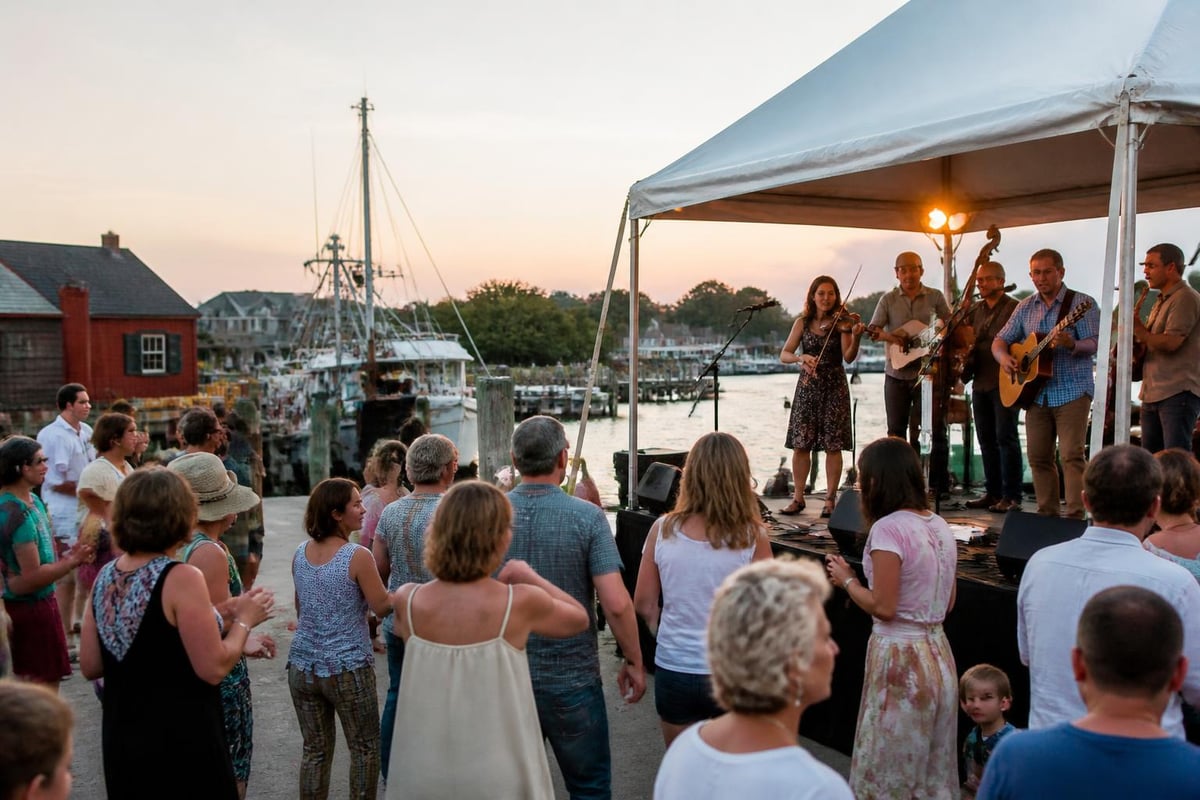
Local festivals celebrate specific cultural elements, from blueberry harvests to wooden boat traditions. These events provide authentic glimpses into community life while offering entertainment for visitors.
Culinary Exploration Across Maine
Maine's food culture extends far beyond lobster, though the crustacean remains iconic. The state's culinary landscape reflects agricultural traditions, fishing heritage, and contemporary innovation.
Seafood Traditions
Lobster appears in countless preparations, from classic steamed dinners to lobster rolls served in butter or mayo variations. Clam shacks dot the coastline, offering fried whole-belly clams, clam strips, and seafood baskets. Oyster farms have proliferated, producing distinctive varieties that reflect specific growing locations.
Local fish markets sell fresh catches daily, allowing visitors to prepare their own seafood feasts. Many offer steaming services, cooking purchased seafood for immediate enjoyment.
Farm-to-Table Movement
Maine's agricultural sector has embraced sustainable practices and direct marketing. Farmers' markets operate throughout warmer months, selling produce, meats, dairy products, and prepared foods. Restaurants increasingly source ingredients locally, creating menus that reflect seasonal availability.
Craft Beverages
Maine's craft brewing industry has achieved national recognition. Breweries range from small-batch operations to larger production facilities, many offering tasting rooms and tours. Distilleries produce spirits using local ingredients, while meaderies and cideries round out the beverage landscape.
Planning Your Maine Itinerary
Successful Maine trips require thoughtful planning that balances ambitions with realistic timeframes. The state's size and geographic diversity make comprehensive exploration impossible in a single visit, encouraging focused itineraries that allow deeper regional engagement.
Duration Recommendations
- Weekend Getaway (2-3 days): Focus on a single region, exploring primary attractions and one or two activities
- Week-Long Visit (5-7 days): Combine two adjacent regions, allowing time for multiple activities and spontaneous discoveries
- Extended Stay (10+ days): Experience multiple regions, engage in diverse activities, and explore at a relaxed pace
Sample Itinerary Framework
A well-balanced week might include these elements:
- Days 1-2: Coastal exploration with seafood dining and maritime attractions
- Days 3-4: Mountain region hiking, scenic drives, and small-town discovery
- Days 5-6: River valley adventures including whitewater rafting and cultural sites
- Day 7: Flexible day for returning to favorite spots or discovering new locations
Accommodation Options Throughout the State
Maine offers diverse lodging options matching every budget and preference. Understanding accommodation types helps visitors select options that enhance their overall experience.
| Accommodation Type | Price Range | Best For | Typical Amenities |
|---|---|---|---|
| Luxury Resorts | $$$$ | Special occasions, full-service experience | Spa, dining, activities |
| Historic Inns | $$-$$$ | Romantic getaways, cultural immersion | Breakfast, unique character |
| Vacation Rentals | $$-$$$ | Families, extended stays | Kitchen, privacy, space |
| Campgrounds | $-$$ | Outdoor enthusiasts, budget travelers | Nature access, basic facilities |
| Chain Hotels | $$-$$$ | Business travel, reliability | Standard amenities, consistency |
Seasonal pricing varies significantly, with summer commanding premium rates in coastal areas. Booking well in advance becomes essential for peak season visits, while shoulder seasons offer better availability and value.
Navigating Transportation Logistics
Getting around Maine requires planning, as public transportation remains limited outside Portland. Most visitors rely on personal vehicles to explore Maine's diverse attractions effectively.
Driving Considerations
Maine's road network includes interstate highways, scenic byways, and rural roads. Distances between destinations often exceed initial expectations, particularly when exploring coastal routes that follow intricate shorelines. Recent data shows that despite fewer visitors in 2025, spending increased, suggesting travelers are taking more time to explore thoroughly.
Winter driving demands special attention. Snow tires or all-wheel drive become necessary for comfortable winter exploration. Many rural roads receive lower priority for plowing, making seasonal route planning important.
Alternative Transportation
Bicycle touring has gained popularity on designated bike routes and less-traveled roads. Several companies offer supported bicycle tours that handle logistics while riders enjoy the scenery. E-bike rentals have expanded access for those wanting pedal assistance.

Wildlife Viewing and Natural History
Maine's ecosystems support diverse wildlife populations that fascinate nature enthusiasts. Responsible wildlife viewing enhances conservation while providing memorable experiences.
Marine Life Encounters
Whale watching excursions depart from several coastal ports, targeting feeding grounds where humpback, finback, and minke whales congregate. These trips typically last 3-4 hours, with naturalists providing educational commentary. Puffin viewing tours visit offshore islands where these distinctive seabirds nest during summer months.
Tidal pools along rocky coastlines create miniature ecosystems accessible at low tide. Careful observation reveals crabs, sea stars, anemones, and various mollusks adapted to intertidal zones.
Terrestrial Wildlife
Moose populations thrive in Maine's northern forests. Early morning and evening hours offer the best viewing opportunities, particularly near wetlands and along forest roads. Guided moose safaris increase sighting probabilities while providing ecological education.
Birdwatchers document hundreds of species annually, from common backyard birds to rare migrants. Coastal areas attract shorebirds and seabirds, while forests host woodpeckers, thrushes, and warblers. The Atlantic flyway makes Maine a premier destination during migration periods.
Understanding Maine's Economic Landscape
Tourism represents a crucial component of Maine's economy, supporting communities throughout the state. Visitor spending directly impacts local businesses, from restaurants and hotels to outdoor outfitters and retailers.
Analysis from the Portland Press Herald indicates that visitor demographics and spending patterns continue evolving. Understanding these trends helps businesses adapt their offerings while travelers gain insights into how their visits support local communities.
The state's tourism industry employs thousands of residents, with seasonal fluctuations creating both opportunities and challenges. Many businesses operate intensively during peak months while maintaining reduced operations or closing entirely during winter.
Resources for Trip Planning
Comprehensive trip planning enhances your ability to explore Maine efficiently while discovering unexpected treasures. Multiple resources provide information, though quality and currency vary.
The Official Visitors Guide offers detailed information about the Kennebec Valley region, including lodging options, dining establishments, and activity providers. This resource helps visitors understand what makes central Maine distinctive while providing practical planning information.
Online resources complement printed materials. Video guides, such as this comprehensive overview of Maine attractions, provide visual previews that help visitors identify activities matching their interests.
Sustainable Tourism Practices
Responsible travel preserves Maine's natural and cultural resources for future generations. Simple practices minimize environmental impact while supporting local economies.
Leave No Trace Principles
- Plan ahead and prepare adequately for outdoor activities
- Travel and camp on durable surfaces to prevent erosion
- Dispose of waste properly, packing out everything you bring
- Leave natural and cultural features undisturbed
- Minimize campfire impacts through proper techniques
- Respect wildlife by observing from appropriate distances
- Be considerate of other visitors and local residents
Supporting Local Economies
Directing spending toward locally owned businesses maximizes economic benefits for communities. Shopping at farmers' markets, eating at independent restaurants, and booking tours with local outfitters keeps money circulating within Maine's economy.
Hidden Gems Beyond Tourist Hotspots
While popular destinations deserve their recognition, Maine harbors countless lesser-known treasures. These locations offer authentic experiences without overwhelming crowds.
Small towns throughout the state maintain distinctive characters shaped by local history and geography. Exploring these communities reveals architecture, local traditions, and friendly residents who appreciate visitors taking time to discover their hometowns. When you plan your trip to Maine, building in time for spontaneous discoveries often yields the most memorable experiences.
Scenic byways provide alternatives to interstate travel. These designated routes prioritize beauty over speed, winding through landscapes that showcase Maine's diversity. Pullouts and overlooks invite travelers to pause and appreciate views that change with seasons and lighting.
Practical Considerations for Visitors
Successful Maine exploration requires attention to practical details that prevent problems and enhance comfort.
Weather Preparedness
Maine weather changes rapidly, particularly in mountainous areas and along the coast. Layered clothing systems allow adjustment as conditions shift. Rain gear proves essential regardless of forecast, as precipitation can appear unexpectedly.
Cell Service Limitations
Rural areas often lack cellular coverage. Downloading offline maps and carrying physical backups prevents navigation challenges. Informing others of your itinerary becomes especially important when traveling to remote locations.
Seasonal Service Variations
Many businesses operate seasonally, with some closing entirely from November through April. Confirming operating hours and availability before visiting prevents disappointment. Restaurants in smaller towns may maintain limited hours or close specific weekdays, even during summer.
Exploring Maine reveals a destination that rewards curiosity, planning, and openness to diverse experiences across coastal, mountain, and valley regions. The state's combination of natural beauty, outdoor recreation, cultural attractions, and culinary traditions creates opportunities for memorable adventures regardless of season or interests. The Kennebec Valley Tourism Council provides comprehensive resources to help you discover central Maine's distinctive attractions, from thrilling whitewater adventures to scenic byways and vibrant communities that showcase authentic New England hospitality.