
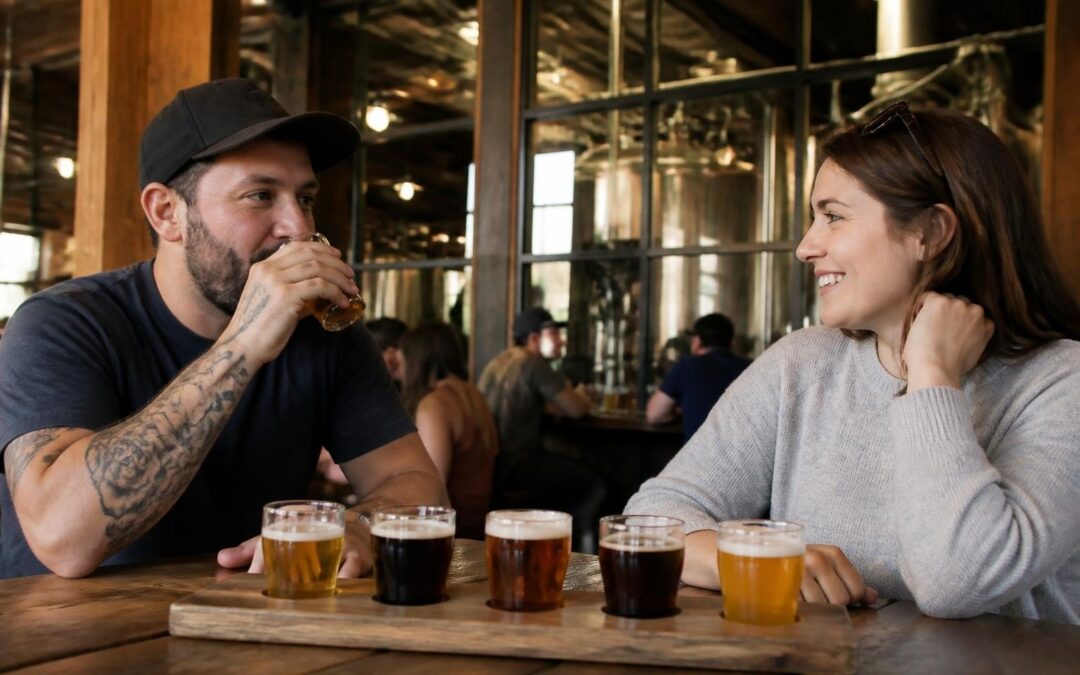
Maine has emerged as one of the nation's premier craft beer destinations, with a thriving brewery scene that draws visitors from across the country. The Pine Tree State's commitment to quality ingredients, innovative brewing techniques, and community-focused taproom experiences has positioned it as a must-visit location for beer enthusiasts. From Portland's bustling brewery district to hidden gems throughout the Kennebec Valley region, Maine offers an authentic craft beer experience that reflects the state's independent spirit and agricultural heritage. To view our official visitors guide click here.
The Rise of Breweries in Maine
The craft beer revolution transformed Maine's beverage landscape over the past two decades, establishing the state as a leader in per-capita brewery production. Maine now ranks among the top states nationally for breweries per resident, a testament to both consumer demand and entrepreneurial innovation. This growth reflects broader national trends documented by the Brewers Association’s national statistics, yet Maine's trajectory remains distinctly regional in character.
Economic and Cultural Impact
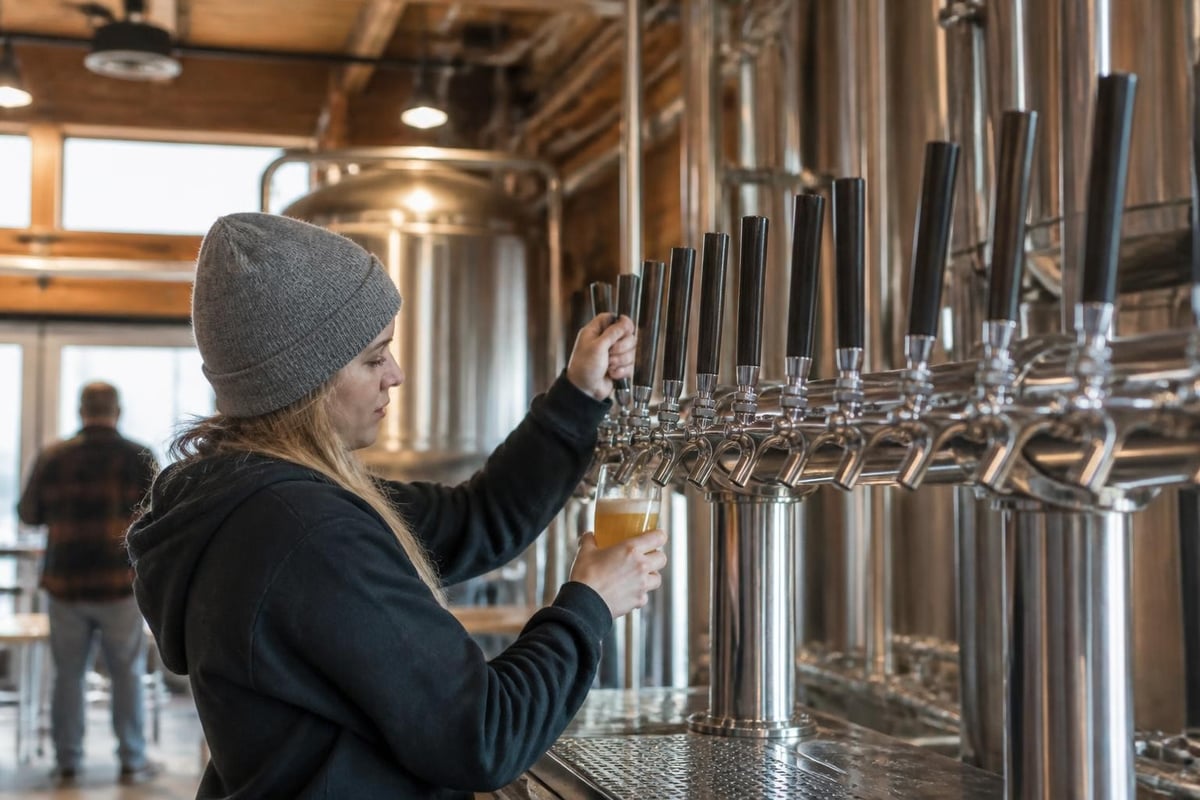
Breweries in Maine function as economic anchors and community gathering spaces. They create jobs, support local agriculture through ingredient sourcing, and attract tourism revenue that extends throughout hospitality sectors. Many breweries partner directly with Maine farmers for barley, hops, and specialty ingredients, creating a farm-to-pint supply chain that strengthens rural economies.
The cultural significance extends beyond commerce. Taprooms serve as venues for live music, art exhibitions, and community fundraisers. They've become integral to downtown revitalization efforts in cities like Augusta, Waterville, and Gardiner, where breweries anchor mixed-use developments and attract foot traffic to surrounding businesses.
Key contributions include:
- Employment opportunities across brewing, hospitality, and distribution
- Agricultural partnerships supporting hop farms and grain producers
- Tourism draw for weekend getaways and brewery trail experiences
- Community space activation in urban and rural settings
Regional Brewery Concentration and Diversity
The Maine Brewers’ Guild directory showcases the remarkable concentration of breweries across the state, with distinct regional characteristics. Greater Portland remains the epicenter, hosting nationally recognized names alongside innovative newcomers. The Kennebec Valley region presents a compelling alternative, offering brewery experiences woven into broader outdoor recreation and cultural tourism.
| Region | Brewery Characteristics | Visitor Experience |
|---|---|---|
| Greater Portland | High density, diverse styles, urban taprooms | Walkable brewery districts, food truck partnerships |
| Kennebec Valley | Mid-size operations, scenic settings, community focus | Combined brewery-outdoor activity itineraries |
| Midcoast | Maritime influence, coastal tourism integration | Brewery stops within broader coastal tours |
| Downeast & Acadia | Seasonal operations, tourist-oriented hours | Peak summer visitation, limited winter access |
Central Maine's Brewing Landscape
The Kennebec Valley's breweries in Maine offer distinctive advantages for visitors seeking authentic experiences beyond the state's most traveled corridors. These operations often feature expanded outdoor seating with river or mountain views, flexible hours accommodating outdoor enthusiasts, and menus highlighting local ingredients. The region's breweries benefit from lower overhead costs than coastal counterparts, often translating to competitive pricing and experimental small-batch offerings.
Visitors exploring Kennebec Valley attractions discover that brewery stops complement whitewater rafting adventures, hiking excursions, and cultural site visits. This integration creates multi-dimensional itineraries where craft beer appreciation enhances rather than dominates the travel experience.
Signature Styles and Innovation
Maine's brewing identity centers on balanced, food-friendly ales that showcase malt character and nuanced hop profiles. While IPAs remain popular, breweries in Maine have cultivated reputations for exceptional farmhouse ales, mixed-culture fermentations, and lager programs that challenge assumptions about New England brewing.
Notable Brewing Approaches
Traditional New England styles:
- Hoppy pale ales with restrained bitterness
- Belgian-inspired farmhouse ales using local grains
- Barrel-aged strong ales with extended maturation
- Session-strength beers emphasizing drinkability
Emerging trends:
- Pastry stouts and adjunct-heavy dessert beers
- Fruit-forward sour ales using Maine berries
- European lager techniques applied to local ingredients
- Low-alcohol "table beer" revivals
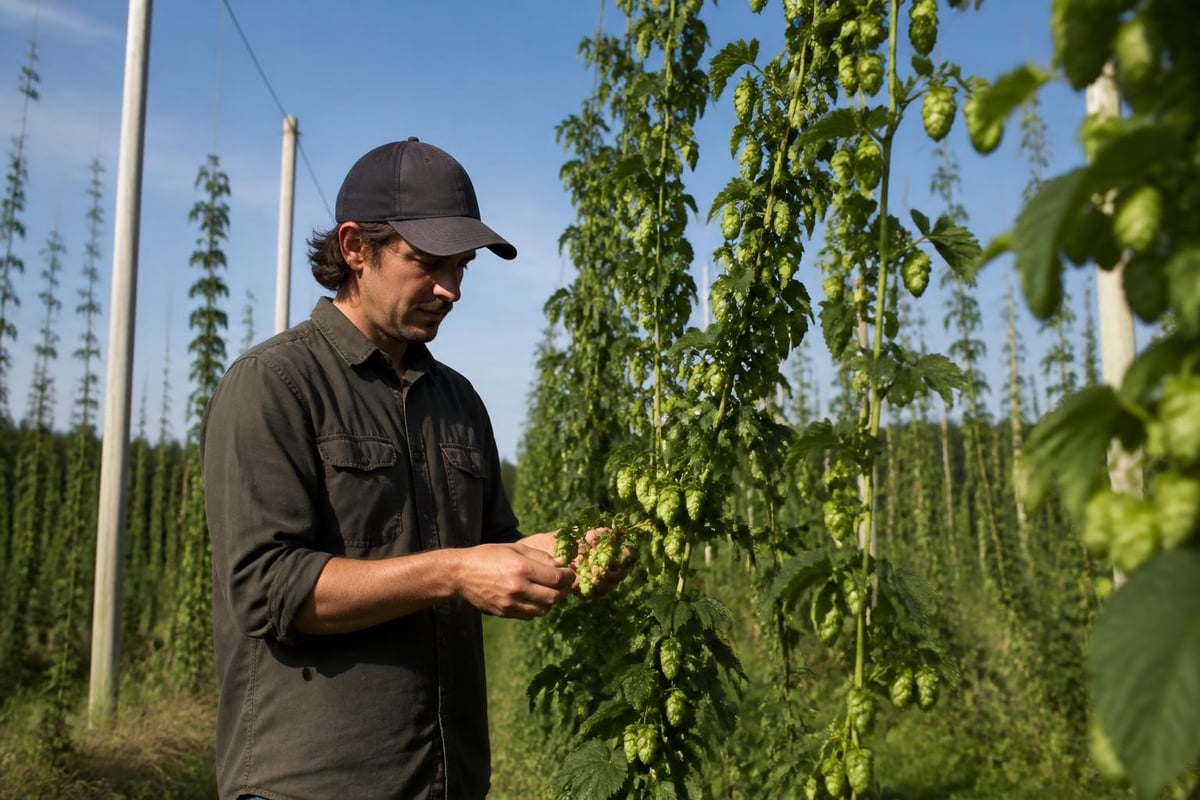
Innovation extends to sustainability practices. Many breweries in Maine implement comprehensive recycling programs, donate spent grain to livestock operations, and invest in energy-efficient brewing systems. The University of Maine’s sustainable hop production research supports brewers pursuing locally sourced ingredients, reducing transportation impacts while creating distinctive flavor profiles tied to Maine's soil and climate.
Planning Your Brewery Tour
Strategic planning maximizes brewery visits whether you're scheduling a dedicated beer weekend or incorporating taproom stops into broader travel. The Maine Brewers’ Guild route planner provides interactive mapping tools that help visitors construct logical itineraries based on geography, brewery size, and available amenities.
Practical Touring Considerations
Timing and seasons matter significantly. Summer brings peak hours and full menus but also crowds and limited parking. Fall shoulder season offers comfortable weather, harvest-themed releases, and more relaxed taproom atmospheres. Winter visits require flexibility as some breweries reduce hours, though you'll find locals-only vibes and special cold-weather releases.
Transportation planning is non-negotiable. Designated drivers, rideshare services, or organized brewery tour companies ensure safe travel between locations. Many Kennebec Valley lodging properties cater specifically to brewery tourists, offering shuttle services or partnership discounts.
- Research operating hours and reservation policies – Call ahead for groups larger than six
- Consider food availability – Some taprooms lack kitchens but welcome outside food
- Pace your visits – Three to four breweries per day allows meaningful experiences
- Build in non-brewery activities – Balance tastings with meals, outdoor time, and rest
- Purchase responsibly – Buy packaged beer to bring home, but know state limits
Family-Friendly Brewery Experiences
Not all brewery visits require adults-only itineraries. Many breweries in Maine cultivate family-friendly environments with outdoor games, non-alcoholic options, and welcoming attitudes toward well-supervised children. Taprooms with expansive lawns, food service, and afternoon hours work well for families combining brewery stops with picnics or park visits.
The Business Landscape and Challenges
Behind the romantic craft brewery image lies a demanding business reality. Recent industry reporting highlights the challenges facing breweries in Maine, from market saturation to rising production costs. The number of operating breweries has stabilized after years of explosive growth, with some consolidation as smaller operations close or merge.
Cost pressures affect sustainability. Aluminum can prices fluctuate with global commodity markets and trade policies, as documented in analyses of tariff impacts. Ingredient costs, labor expenses, and regulatory compliance create tight margins even for well-established operations.
| Challenge Category | Impact on Breweries | Visitor Implications |
|---|---|---|
| Market saturation | Increased competition for tap handles and shelf space | More brewery choices but shorter operating lifespans |
| Production costs | Price increases, reduced experimentation budgets | Higher per-glass prices, fewer limited releases |
| Distribution complexity | Three-tier system inefficiencies | Better selection at brewery source than retail |
| Licensing requirements | State regulatory compliance costs | Longer wait times for new brewery openings |
Adaptation and Evolution
Successful breweries in Maine adapt through diversification. Many expand into hard seltzer, ready-to-drink cocktails, or non-alcoholic beverages. Others develop robust merchandise programs, event hosting services, or contract brewing arrangements. The 2024 industry analysis demonstrates how packaging flexibility and direct-to-consumer sales help breweries maintain revenue despite challenging wholesale markets.
Kennebec Valley Brewery Destinations
The Kennebec Valley region offers compelling brewery experiences often overlooked by visitors focused solely on coastal destinations. These breweries integrate seamlessly with the area's outdoor recreation emphasis, historic downtown districts, and cultural attractions.
Augusta's downtown brewery scene benefits from the city's role as state capital, drawing both residents and visitors. Waterville's brewery corridor complements the city's arts renaissance and college town energy. Smaller communities throughout the valley host breweries that serve as social hubs, often occupying renovated mill buildings or historic downtown storefronts.
Regional advantages include:
- Less crowded taprooms with more brewer interaction
- Competitive pricing compared to Portland-area counterparts
- Integration with outdoor activities like rafting and hiking
- Authentic local atmosphere without tourist-focused marketing
- Ample parking and accessible locations
Visitors planning Kennebec Valley brewery tours benefit from the region's compact geography and variety of lodging options. You can base yourself centrally and explore multiple breweries while also enjoying whitewater rafting on the Kennebec River, hiking trails in the Belgrade Lakes region, or cultural experiences in historic downtowns.
Beyond the Taproom Experience
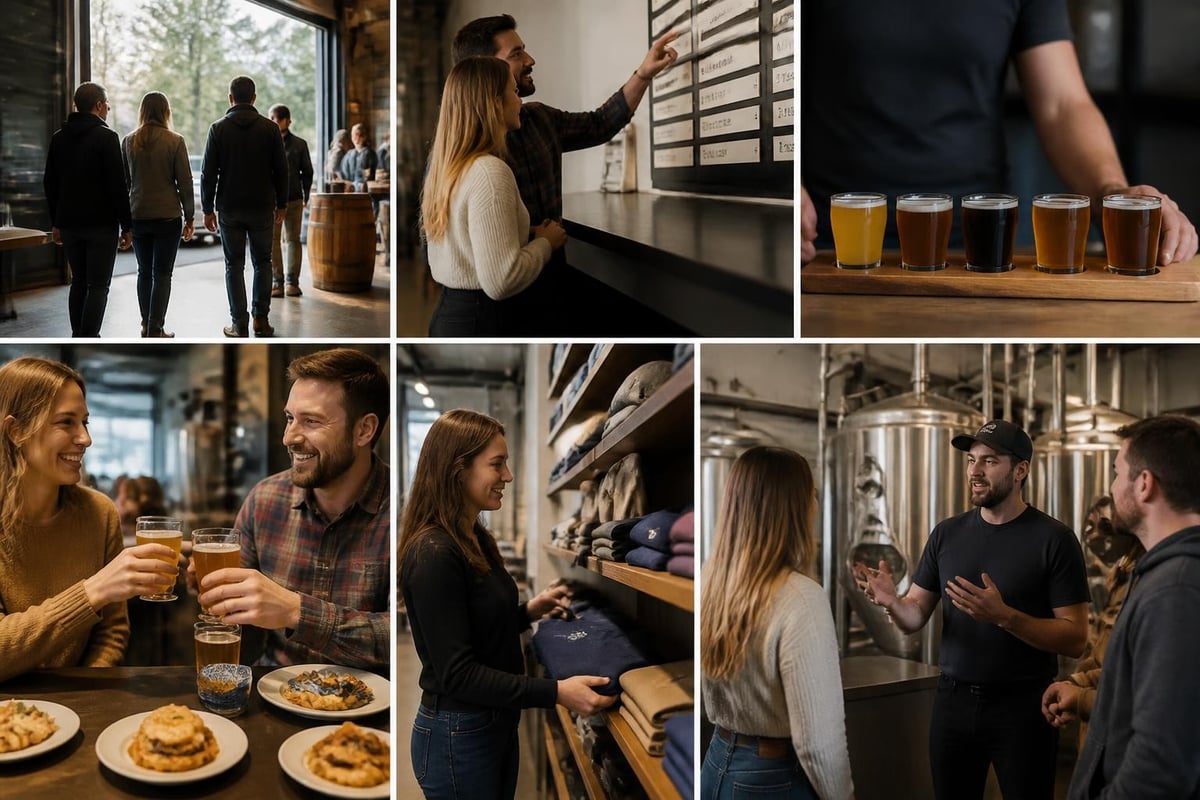
Breweries in Maine increasingly offer experiences beyond standard pint service. Brewery tours provide behind-the-scenes looks at production processes, from grain handling through packaging. While some larger operations charge modest fees for comprehensive tours, many smaller breweries offer informal walkthroughs when production schedules permit.
Special Events and Programming
Seasonal beer releases generate dedicated followings. Anniversary celebrations, barrel-aged beer releases, and collaboration brew days create calendar-worthy events that attract regional visitors. Some breweries host regular programming like trivia nights, live music series, or yoga-and-beer sessions that blend wellness trends with craft beer culture.
Educational opportunities appeal to serious beer enthusiasts. Homebrewing clubs meet at taprooms, professional brewers conduct ingredient tastings, and beer-and-food pairing dinners showcase culinary applications. These programs deepen appreciation while creating community connections.
Popular brewery event types:
- Can release parties for limited-production beers
- Food truck partnerships and pop-up dining
- Charity fundraisers supporting local nonprofits
- Outdoor concert series during summer months
- Holiday markets featuring local artisans
The Future of Maine's Brewery Scene
The maturation of Maine's craft beer industry brings both stability and uncertainty. Market consolidation likely continues as weaker operations close and successful breweries expand capacity. Regional differentiation becomes increasingly important as breweries develop distinctive identities beyond simply producing quality beer.
Sustainability initiatives will separate industry leaders from followers. Breweries implementing comprehensive environmental programs, supporting local agriculture, and reducing waste appeal to values-driven consumers willing to support businesses aligned with their principles. Maine's strong environmental ethos positions breweries in Maine favorably for this trend.
Tourism integration offers growth opportunities particularly for breweries outside Portland's saturated market. Operations that position themselves as destination stops within broader travel itineraries-rather than standalone attractions-capture visitors seeking authentic regional experiences. The Kennebec Valley's combination of outdoor recreation, cultural heritage, and craft beverage offerings exemplifies this integrated approach.
Technology and Direct Sales
Digital engagement transforms how breweries connect with customers. Online ordering systems, beer club subscriptions, and social media marketing enable smaller operations to compete effectively despite limited distribution. Direct-to-consumer sales capture margin that wholesale channels consume, though regulatory frameworks continue evolving.
Responsible Tourism and Community Impact
Visiting breweries in Maine carries responsibility beyond simply arranging safe transportation. Supporting local businesses extends to patronizing the restaurants, lodging properties, and retail shops that create comprehensive tourism ecosystems. Dollar spent at a brewery circulates through the regional economy when that brewery sources locally and employs area residents.
Respect for community standards matters, particularly in smaller towns where breweries operate alongside residential neighborhoods. Noise awareness, parking consideration, and adherence to taproom policies preserve positive relationships between breweries and their communities. These businesses exist at community consent, making visitor behavior important for long-term operational success.
Seasonal visitation patterns create challenges for year-round brewery operations. Visitors who explore Maine beyond peak summer months support employment stability and business sustainability. Spring and fall brewery visits encounter less competition for seating, better brewer availability for conversation, and often access to experimental beers not released during high-volume summer periods.
Maine's brewery landscape offers experiences ranging from urban taproom hopping to scenic countryside discovery, all unified by commitment to quality and community. The Kennebec Valley region provides particularly compelling opportunities for travelers seeking authentic craft beer experiences integrated with outdoor adventure and cultural exploration. Whether you're planning a dedicated brewery tour or incorporating taproom stops into broader Maine travels, Kennebec Valley Tourism Council provides the resources and local insights to craft memorable itineraries that showcase the best of central Maine's brewing culture and natural beauty.