
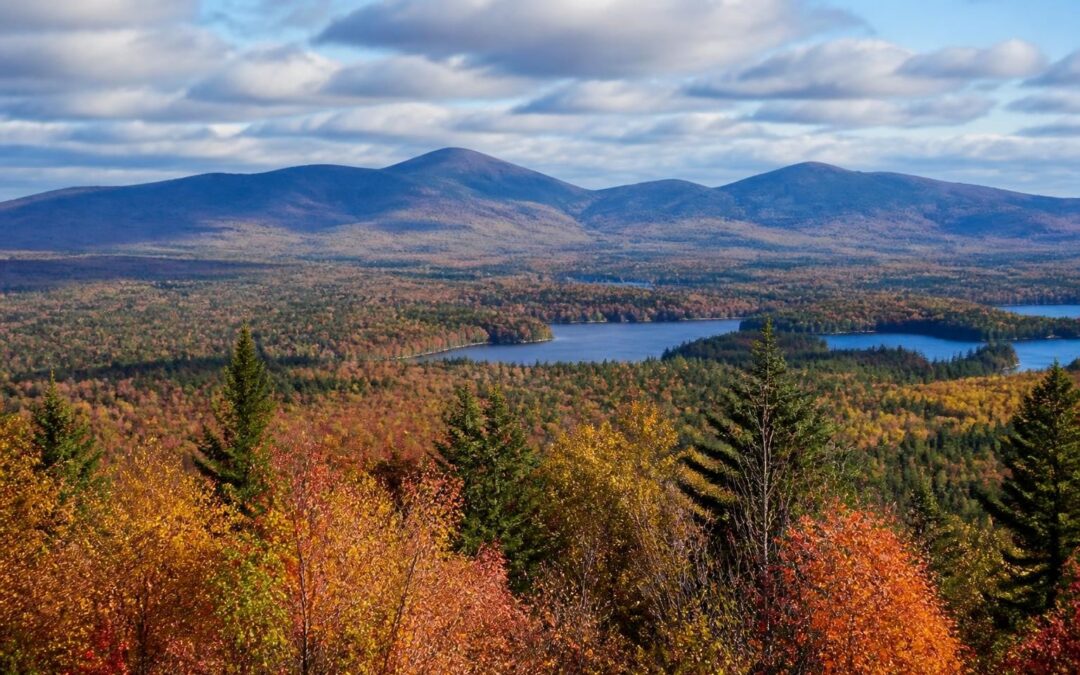
Maine's autumn transformation ranks among nature's most spectacular shows, drawing visitors from around the world to witness vibrant reds, oranges, and golds blanketing the landscape. The Pine Tree State offers diverse terrain, from rugged coastal cliffs to mountain peaks and river valleys, each providing unique perspectives on fall's brilliant display. Whether you're planning your first leaf-peeping adventure or returning to discover new vistas, understanding where and when to experience peak colors will maximize your autumn journey through Maine's best places to see fall foliage. To view our official visitors guide click here.
Understanding Maine's Fall Foliage Timeline
The progression of autumn colors across Maine follows a predictable northern-to-southern pattern, with peak timing varying by several weeks depending on elevation and latitude. Northern Maine typically reaches peak color in late September, while coastal and southern regions peak in mid-October.
Temperature fluctuations, rainfall patterns, and daylight hours all influence the intensity and timing of fall colors. The official statewide fall foliage reports provide weekly updates during the season, helping travelers plan their visits around peak conditions in specific regions.
Regional Timing Breakdown
| Region | Peak Color Period | Dominant Species |
|---|---|---|
| Northern Maine | September 20 – October 5 | Sugar maple, birch, aspen |
| Western Mountains | September 25 – October 10 | Red maple, beech, oak |
| Kennebec Valley | October 1 – October 15 | Mixed hardwoods |
| Midcoast | October 5 – October 20 | Oak, maple, ash |
| Southern Maine | October 10 – October 25 | Swamp maple, oak |
Climate factors in 2026 will continue to shift traditional patterns slightly. Warm September temperatures may delay peak colors by several days, while early frosts can accelerate the transformation in mountainous areas.
Acadia National Park and Mount Desert Island
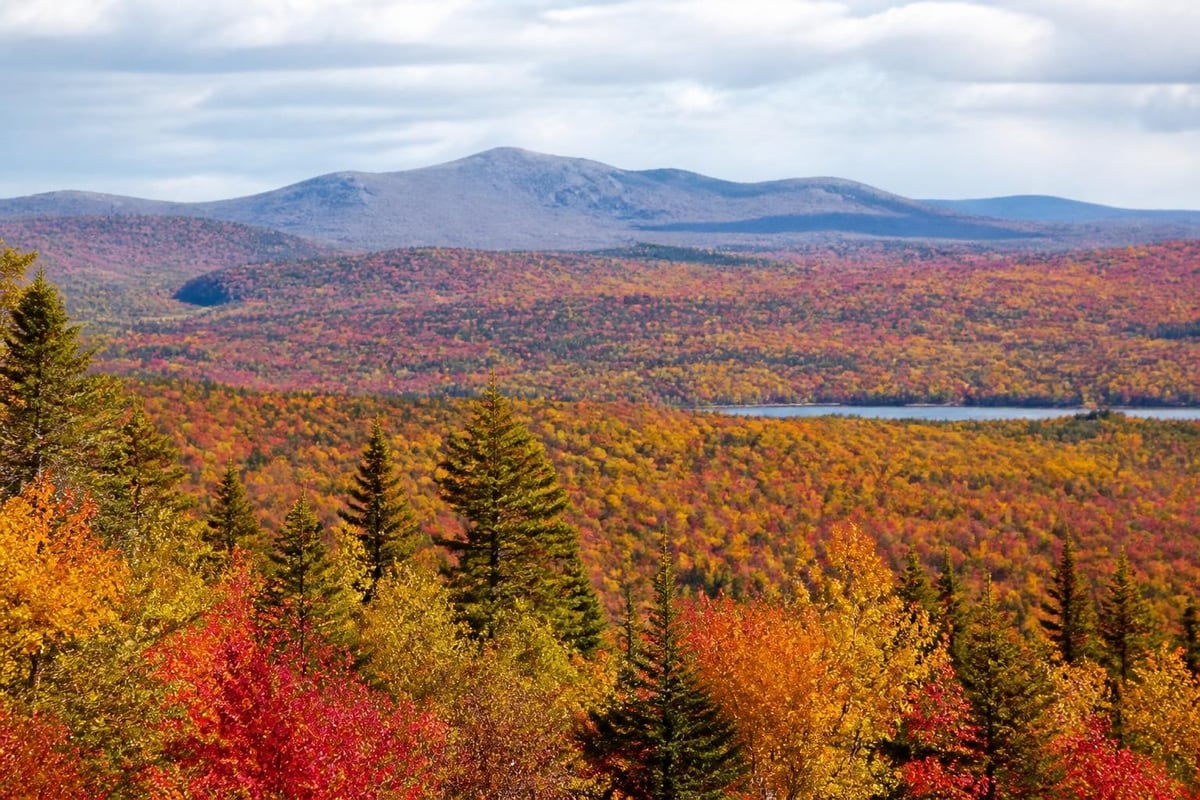
Acadia National Park stands as one of the best places in Maine to see fall foliage, combining dramatic coastal scenery with mountain vistas. The park's 49,000 acres showcase diverse ecosystems where hardwood forests meet rocky shorelines.
Park Loop Road offers 27 miles of continuous autumn scenery, with numerous pullouts for photography and exploration. The route circles Mount Desert Island's eastern section, providing access to iconic viewpoints like Thunder Hole and Otter Cliff against a backdrop of colorful hillsides.
Top Acadia Viewing Spots
- Cadillac Mountain Summit: Eastern seaboard's highest point offers 360-degree views across Frenchman Bay and inland forests
- Jordan Pond Path: Easy 3.3-mile loop trail surrounded by maple and birch groves reflecting in clear water
- Beech Mountain: Less-crowded western summit with panoramic island views
- Eagle Lake: Carriage road circuit showcasing waterside foliage
According to Acadia National Park’s planning resources, mid-October typically delivers peak color, though visitors should monitor current conditions. The park experiences heavy visitation during fall weekends, making weekday trips or early-morning arrivals strategic choices.
Bar Harbor serves as the primary gateway community, offering lodging, dining, and visitor services. The town itself features tree-lined streets and waterfront parks that complement park exploration.
Kennebec Valley's Hidden Foliage Treasures
The Kennebec River corridor presents some of the best places in Maine to see fall foliage without the crowds found at more famous destinations. This central Maine region combines working landscapes with wild spaces, creating varied autumn scenery.
Belgrade Lakes region offers interconnected waterways surrounded by mixed forests. The seven lakes reflect brilliant colors during calm autumn mornings, with Route 27 north from Belgrade providing excellent roadside viewing and lake access points.
Kennebec Valley Highlights
The area around Waterville and Augusta provides urban foliage viewing with easy access to amenities. Riverside parks along the Kennebec showcase mature trees, while nearby rural roads lead into vibrant countryside.
Mount Pisgah Conservation Area in Winthrop features hiking trails through hardwood forests with summit views across the surrounding valleys. The moderate 1.5-mile climb rewards visitors with vistas stretching toward the White Mountains on clear days.
For comprehensive planning resources covering the entire region, visitors can explore trip ideas that showcase seasonal activities beyond foliage viewing. The valley's agricultural heritage adds another dimension, with farm stands, orchards, and rural landscapes complementing natural color displays.
China Lake offers quieter shoreline drives and public boat launches for water-based foliage viewing. The less-developed eastern shore provides particularly scenic vistas during October's peak period.
Western Mountains and Rangeley Lakes
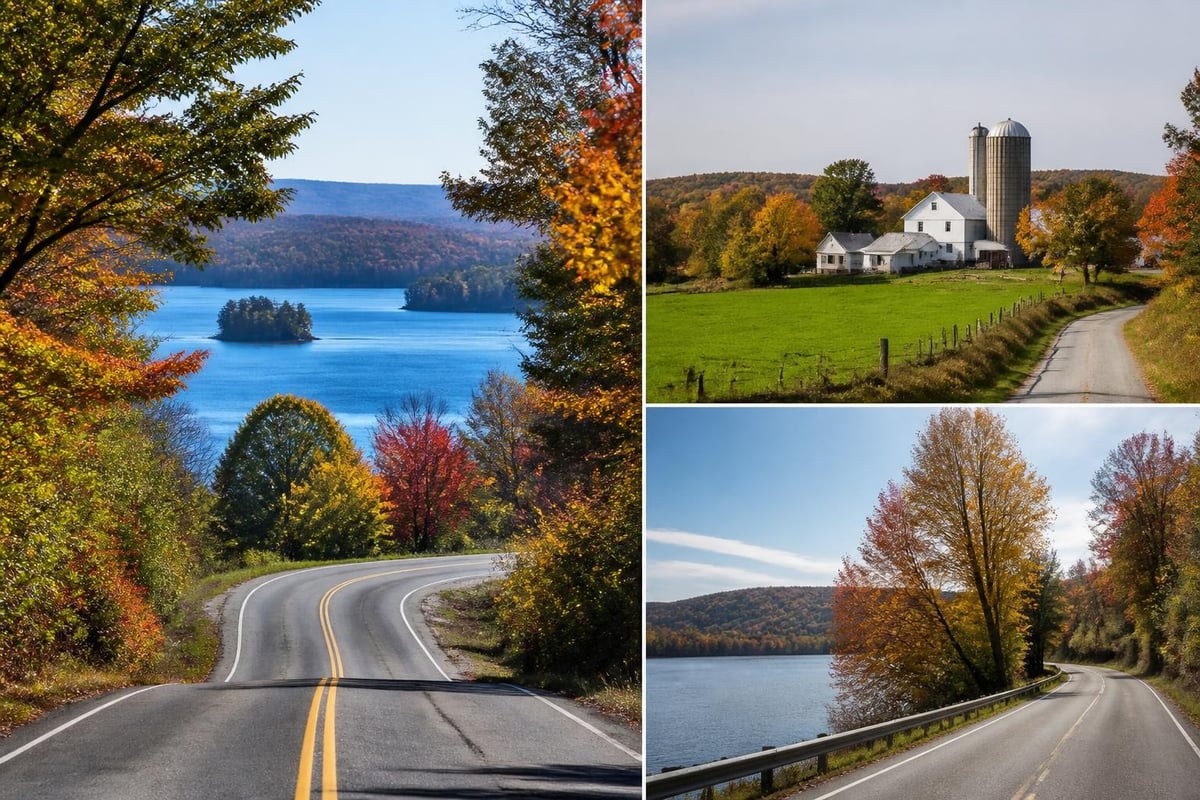
Maine's western mountains region ranks among the best places in Maine to see fall foliage for those seeking dramatic elevation changes and alpine scenery. This area peaks earlier than coastal regions, typically reaching maximum color between September 25 and October 10.
Rangeley Lakes Scenic Byway (Route 17) climbs through hardwood forests to Height of Land overlook, where multiple lakes spread below against mountain backdrops. This 35-mile stretch between Byron and Oquossic delivers continuous autumn views.
| Destination | Elevation | Key Features | Difficulty |
|---|---|---|---|
| Tumbledown Mountain | 3,068 ft | Alpine lake, scrambles | Strenuous |
| Bald Mountain (Oquossic) | 2,443 ft | 360° views, quick ascent | Moderate |
| Piazza Rock | 2,850 ft | Appalachian Trail, overhangs | Moderate |
| Rangeley Lake State Park | 1,546 ft | Lakeside trails, beaches | Easy |
Sugarloaf Mountain area provides another western foliage hub. While known for winter skiing, autumn transforms the mountain into a tapestry of color. The access road to the resort base climbs through extensive hardwood stands, with Carrabassett Valley offering additional exploration routes.
State Park Foliage Opportunities
Maine’s state parks throughout the western region provide developed access to prime viewing areas. Mount Blue State Park near Weld features both lakeside and mountain terrain, with the summit trail offering views across western Maine's lakes and mountains.
Grafton Notch State Park on Route 26 showcases waterfalls amid autumn color. Screw Auger Falls and Mother Walker Falls both feature short walks to impressive cascades framed by colorful trees, while longer trails access mountain viewpoints.
Northern Maine's Remote Foliage Experience
For adventurous travelers seeking the best places in Maine to see fall foliage away from crowds, northern Maine delivers unmatched remoteness and early color. This region transforms first, with peak colors arriving in late September.
Baxter State Park surrounds Mount Katahdin with nearly 210,000 acres of wilderness. The park strictly limits daily visitors, requiring advance planning but guaranteeing authentic wilderness foliage viewing. More than forty mountain peaks create varied viewing elevations and perspectives.
The park's perimeter roads provide vehicle-accessible viewing, while trail options range from easy nature walks to strenuous mountain climbs. Chimney Pond Trail leads to a glacial cirque surrounded by Katahdin's peaks, with the 3.3-mile approach passing through diverse forest zones showing different color timing.
Katahdin Region Access
- Katahdin Loop Road: Circles the mountain's eastern side with multiple trailheads
- Togue Pond Gate: Southern entry point with immediate lake and mountain views
- Roaring Brook Campground: Trail hub accessing multiple peaks and ponds
- Nesowadnehunk Valley: Remote western access with dramatic views
Katahdin Woods and Waters National Monument east of Baxter expands foliage viewing opportunities across working forest lands recently protected. The monument's loop road system provides vehicle touring through varied terrain, with less restrictive access than Baxter while maintaining wilderness character.
Moosehead Lake, Maine's largest water body, creates its own foliage microclimate. The 74,000-acre lake moderates temperatures along its shores, often extending peak color duration. Route 15 along the lake's eastern shore and the Rockwood area on the western shore both offer extensive viewing opportunities.
Midcoast Maine's Foliage and Ocean Combination
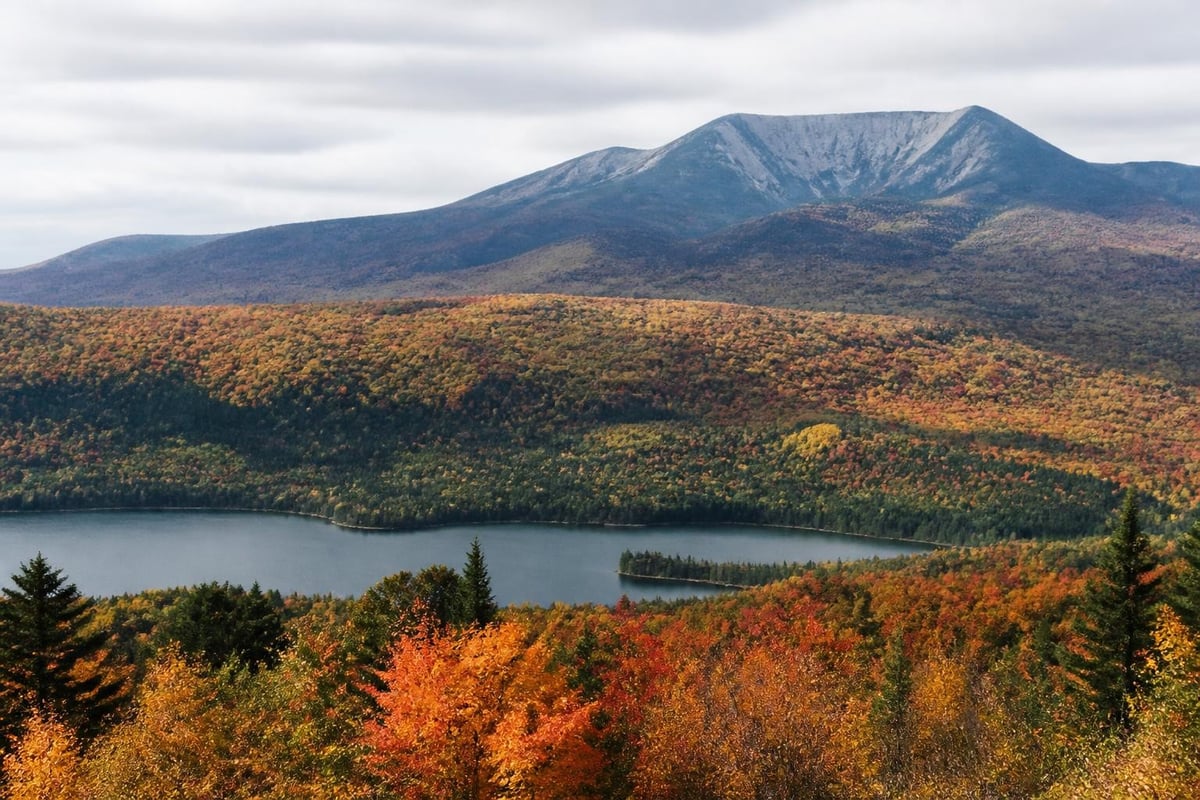
The midcoast region provides unique opportunities to combine ocean scenery with autumn color, creating distinctively Maine combinations of rocky shores and brilliant foliage. This area represents some of the best places in Maine to see fall foliage for those wanting coastal character.
Camden Hills State Park towers above Penobscot Bay, with Mount Battie's auto road providing easy summit access. The 800-foot elevation delivers views across Camden Harbor, the bay's islands, and inland mountains during mid-October peak.
Coastal Foliage Drives
Route 1 through the midcoast passes through numerous historic towns where mature street trees create colorful canopies. Belfast to Rockland offers particularly scenic stretches, with side trips to peninsulas adding coastal perspective.
Pemaquid Peninsula combines lighthouse photography with backroad foliage touring. Colonial Pemaquid State Historic Site and Pemaquid Point Lighthouse both feature grounds planted with hardwoods that frame coastal views during autumn.
The scenic drives across Maine highlight multiple midcoast routes that balance ocean and forest scenery. Route 131 to Port Clyde and Route 32 through Bristol both traverse working landscapes with water views and wooded sections.
Damariscotta Lake and surrounding smaller water bodies create inland midcoast foliage opportunities. The less-touristy areas around Nobleboro and Jefferson provide country roads through farming valleys with pond views.
The Mahoosuc Range and Western Border
Along Maine's western border with New Hampshire, the Mahoosuc Range creates some of the best places in Maine to see fall foliage for serious hikers. This rugged mountain chain offers wilderness character and challenging terrain.
Grafton Loop Trail forms a 38-mile backpacking circuit through prime hardwood forests, though day hikers can access sections for shorter autumn outings. Baldpate Mountain provides a popular day hike with above-treeline views across the western mountains.
The Evans Notch area straddling the Maine-New Hampshire border combines accessible viewing with backcountry options. Route 113 through the notch passes numerous trailheads and pullouts, while WMNF campgrounds provide base camp opportunities for extended exploration.
Border Region Features
Sunday River area near Newry offers both the ski resort's autumn operations and surrounding Mahoosuc access. The resort's lift-assisted foliage viewing typically operates weekends during peak color, combining easy summit access with hiking options.
Umbagog Lake on the northern border provides remote water-based foliage viewing. The lake's undeveloped shoreline and surrounding forests create authentic wilderness settings, with boat access revealing hidden coves and tributary streams.
According to recent forest research, Maine's tree species composition influences both color intensity and climate resilience. The state's mix of sugar maple, red maple, birch, and beech creates reliable autumn displays while maintaining ecosystem diversity.
Planning Your Maine Foliage Adventure
Successful foliage viewing requires matching your schedule to regional peak timing and preparing for variable autumn weather. Maine's fall season brings both spectacular sunny days and cool, rainy periods.
Accommodation planning becomes critical during peak season, particularly in popular areas like Bar Harbor, Camden, and Rangeley. Booking three to six months ahead ensures availability and better rates. Weekday visits often provide easier lodging access and less-crowded trails.
Essential Preparation Steps
- Monitor foliage reports starting in early September
- Book lodging in your target region by early summer
- Plan backup locations for weather flexibility
- Reserve park permits where required (Baxter, Acadia)
- Prepare layered clothing for temperature swings
The Visit Maine foliage guide offers region-specific recommendations and current condition updates. Cross-referencing multiple sources helps identify emerging hotspots and accurate peak timing.
Photography considerations favor early morning and late afternoon light during autumn. Overcast days often enhance color saturation while reducing harsh shadows. Polarizing filters help manage reflections when shooting near water.
Transportation planning should account for narrow rural roads, limited parking at popular trailheads, and small-town traffic during peak weekends. Starting hikes early or choosing less-famous destinations reduces congestion issues.
Weather preparedness matters increasingly as elevation rises. Mountain summits may experience near-freezing temperatures while valleys remain mild. Layered clothing, rain protection, and emergency supplies belong in every foliage hiking pack.
Combining Foliage with Maine's Cultural Experiences
Beyond natural scenery, autumn in Maine brings harvest festivals, agricultural events, and cultural celebrations that complement foliage viewing. These activities add depth to leaf-peeping trips while supporting local communities.
Common Ground Country Fair in Unity (late September) showcases organic farming, traditional crafts, and sustainable living during early foliage season. The three-day event attracts visitors statewide while offering countryside autumn scenery.
The region's small-town charm becomes especially apparent during fall, when local communities host festivals, farmers markets, and harvest celebrations. These gatherings provide authentic cultural experiences alongside natural beauty.
Seasonal Activities to Pair with Foliage
- Apple picking at heritage orchards throughout central and southern Maine
- Craft brewery tours featuring seasonal releases and outdoor seating
- Historical sites with autumn programming and scenic grounds
- Artisan studios along rural routes, many with fall open houses
Farm-to-table dining reaches its peak during harvest season, with restaurants featuring local ingredients and seasonal menus. Many establishments offer outdoor seating that takes advantage of autumn weather and scenery.
Antiquing along Route 1 and exploring maritime museums in coastal towns combine indoor activities with scenic drives. These pursuits provide weather alternatives while maintaining connection to Maine's character and landscape.
Maine's autumn transformation offers remarkable diversity, from rugged northern wilderness to refined coastal villages, each region presenting its own interpretation of fall's brilliant display. The best places in Maine to see fall foliage span the entire state, ensuring memorable experiences whether you seek adventure, tranquility, or cultural enrichment. Kennebec Valley Tourism Council provides comprehensive resources to help plan your perfect autumn journey, with detailed guides covering accommodations, activities, and seasonal events throughout central Maine's most scenic foliage regions.