
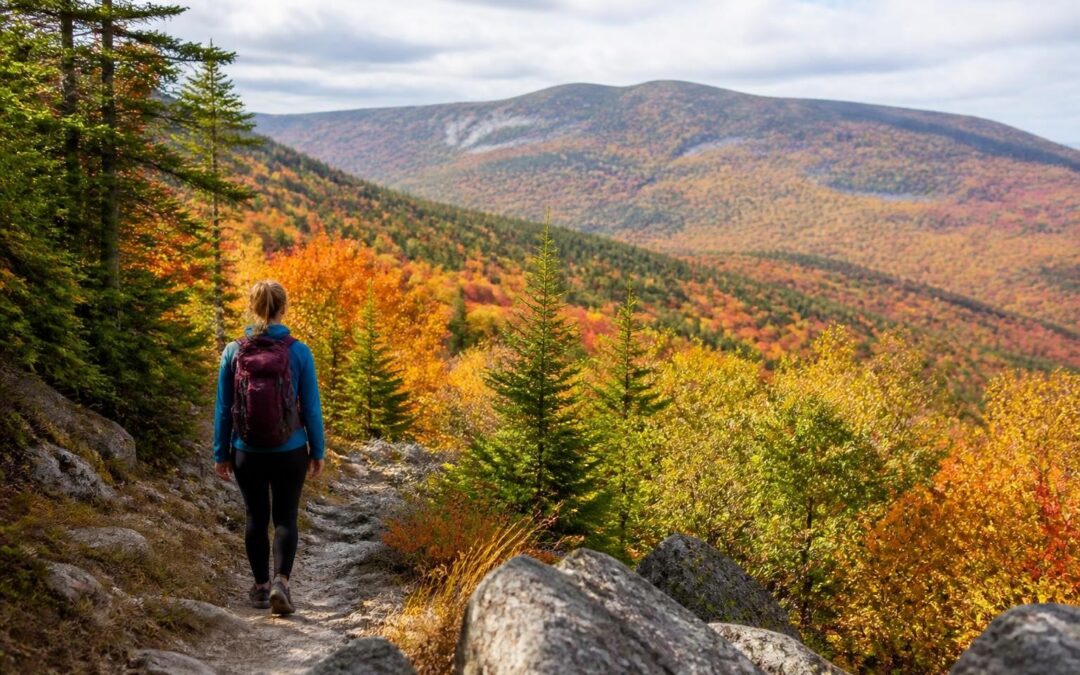
Maine's autumn landscape transforms into a kaleidoscope of crimson, gold, and amber, creating the perfect backdrop for some of the nation's most spectacular hiking experiences. From coastal paths adorned with changing maples to alpine summits offering panoramic views of endless forest canopies, the state's diverse terrain provides countless opportunities for fall adventurers. Whether you're seeking a challenging mountain ascent or a leisurely woodland stroll, understanding which trails offer the best experience during this fleeting season will ensure your autumn outdoor adventures exceed expectations. To view our official visitors guide click here.
Peak Foliage Timing and Trail Selection
Planning your hiking adventure around Maine's peak foliage season requires understanding the state's varied microclimates and elevation zones. The Maine Forest Service provides detailed guidance on when and where to visit for optimal color viewing throughout the season.
Northern Maine typically peaks first, usually between late September and early October, while southern coastal regions follow approximately two weeks later. Mid-October often represents the sweet spot for central Maine trails, though weather patterns can shift these windows by several days.
Elevation Considerations
Trail elevation significantly impacts both foliage timing and hiking difficulty:
- Summit hikes (above 3,000 feet): Colors peak earliest, often mid-to-late September
- Mid-elevation trails (1,000-3,000 feet): Peak typically occurs late September through mid-October
- Valley and coastal paths (below 1,000 feet): Best colors usually arrive mid-to-late October
Understanding these patterns helps hikers select trails that align with their schedule while maximizing color exposure.
Mountain Summit Experiences
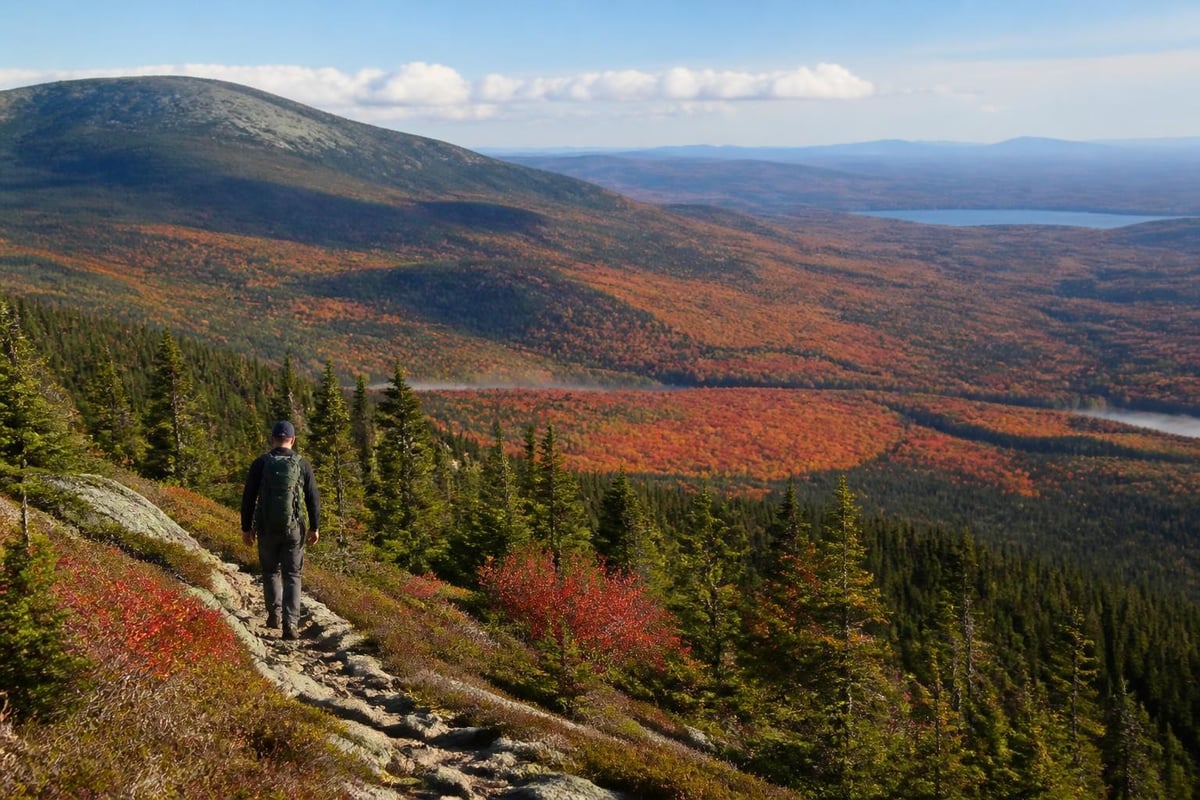
The best fall hikes in Maine often lead to breathtaking summit views where the full majesty of autumn's palette unfolds in every direction. These challenging ascents reward hikers with unparalleled perspectives of the seasonal transformation.
Mount Katahdin via Knife Edge
Baxter State Park's crown jewel offers Maine's most dramatic fall hiking experience. The 5.2-mile route to Baxter Peak via Knife Edge presents technical challenges that demand respect, particularly as autumn weather introduces unpredictable conditions. Check Baxter State Park’s reservation system well in advance, as parking permits fill quickly during peak season.
| Trail Feature | Details |
|---|---|
| Distance | 10.4 miles round trip |
| Elevation Gain | 4,178 feet |
| Difficulty | Strenuous, technical sections |
| Best Timing | Late September |
The exposed Knife Edge traverse requires confident scrambling skills and dry conditions. Early October typically brings the first significant weather systems, making late September the ideal window for this bucket-list hike.
Tumbledown Mountain Loop
Located near Weld, this 5.6-mile loop combines moderate climbing with stunning alpine pond scenery. The trail ascends through brilliant hardwood forests before breaking above treeline to reveal sweeping views across western Maine's lake country.
Three routes to the summit offer variety: the Brook Trail provides the gentlest grade, while the Parker Ridge Trail delivers more direct climbing through increasingly dramatic terrain.
Coastal and Moderate Trails
Not every memorable fall hike requires grueling ascents. Maine's coastal mountains and rolling interior hills provide equally stunning autumn experiences with more accessible terrain.
Acadia National Park: Precipice and Beehive
While Acadia National Park features dozens of excellent trails, the Precipice and Beehive trails offer unique iron-rung climbing experiences combined with spectacular coastal foliage views. Note: Precipice typically closes until mid-August for peregrine falcon nesting, making it perfectly timed for fall exploration.
- Beehive Trail: 1.4 miles with 488 feet of elevation gain
- Precipice Trail: 1.6 miles with 1,000 feet of elevation gain
- Ocean Drive Carriage Roads: Gentle alternatives with brilliant foliage framing ocean vistas
The park's carriage roads provide excellent options for families or those seeking easier terrain while still experiencing world-class autumn scenery.
Camden Hills State Park: Mount Battie
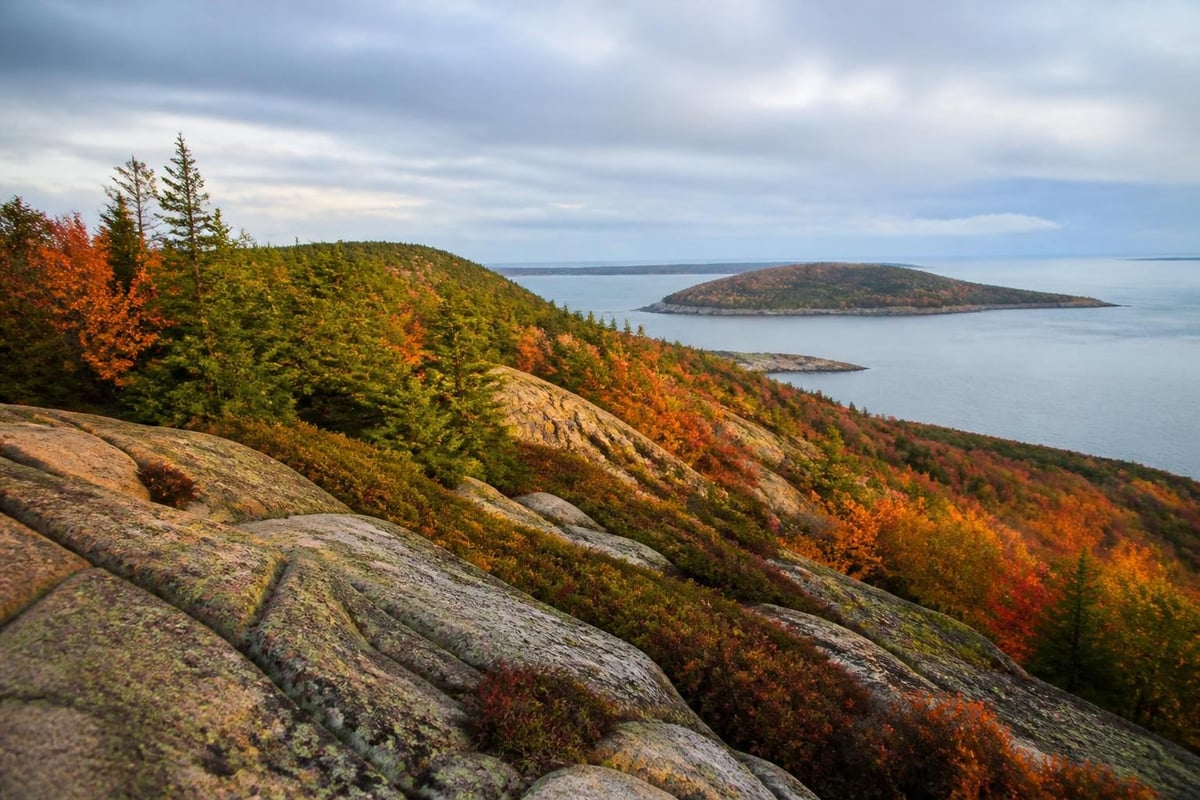
This coastal gem delivers maximum reward for moderate effort. The 1.8-mile round trip to Mount Battie's summit offers panoramic views of Penobscot Bay dotted with islands, all framed by brilliantly colored hardwoods.
Multiple access points allow hikers to customize their experience, from the straightforward Nature Trail to the more challenging Tablelands Trail loop. The auto road to the summit provides accessibility for those unable to hike while still offering incredible fall vistas.
Kennebec Valley Hidden Gems
The Kennebec Valley region offers exceptional fall hiking opportunities often overlooked by visitors focused on more famous destinations. These trails provide solitude, spectacular color, and authentic Maine wilderness experiences.
Pleasant Pond Mountain
This 4.4-mile out-and-back trail near Caratunk presents one of the Kennebec Valley's finest fall hikes. The moderate 1,300-foot climb culminates at a fire tower offering 360-degree views of the region's extensive forests ablaze with autumn color.
The trail intersects with the Appalachian Trail, and hikers often encounter through-hikers completing their southbound journeys during fall's prime weeks. The Appalachian Trail Conservancy provides detailed Maine resources for those interested in exploring longer sections.
Moxie Falls Trail
While technically a waterfall hike rather than a summit trek, this 1.8-mile round trip showcases the Kennebec Valley's natural beauty perfectly. Moxie Falls plunges 90 feet, creating Maine's highest waterfall by volume, framed magnificently by autumn foliage in early October.
The relatively flat, family-friendly trail makes this an excellent choice for introducing children to fall hiking or for a quick afternoon adventure. For comprehensive planning resources across the region, visit Kennebec Valley Tourism Council for detailed guides covering lodging, dining, and outdoor activities.
Wilderness and Backcountry Options
Experienced hikers seeking solitude and extended wilderness immersion will find the best fall hikes in Maine include multi-day opportunities through vast forested landscapes.
The 100-Mile Wilderness
This legendary Appalachian Trail section between Monson and Baxter State Park represents one of the East's most remote hiking experiences. Fall presents ideal conditions: fewer insects, cooler temperatures, and spectacular color displays throughout the journey.
| Section | Distance | Highlights |
|---|---|---|
| Monson to Wilson Valley | 23 miles | Gulf Hagas, waterfalls |
| Wilson Valley to Jo-Mary Road | 28 miles | Mountain ponds, solitude |
| Jo-Mary Road to Abol Bridge | 49 miles | Remote lakes, wildlife |
Preparation is critical. Fall weather grows increasingly unpredictable, and resupply options don't exist within this stretch. Most hikers complete the section in 7-10 days, though faster hikers can finish in 5-6.
Bigelow Range
The Bigelow Range northwest of Flagstaff Lake delivers one of Maine's premier ridge walks. The 11-mile traverse across multiple peaks provides continuous above-treeline travel through alpine terrain painted with late-September color.
Avery Peak (4,088 feet) and West Peak (4,145 feet) anchor the range, offering commanding views of Flagstaff Lake's sprawling waters surrounded by endless forest. Multiple access points allow hikers to tackle the range as a traverse, out-and-back, or loop configuration.
Trail Safety and Preparation
Fall hiking in Maine demands specific preparations beyond typical summer considerations. Understanding and planning for seasonal challenges ensures safe, enjoyable experiences on even the best fall hikes in Maine.
Weather Considerations
October mountain summits can experience conditions ranging from warm sunshine to snow squalls within hours. The National Park Service provides essential hiking safety guidance applicable to Maine's backcountry, including wildlife awareness and emergency preparedness.
Essential fall hiking gear includes:
- Layered clothing system: Base layer, insulation, waterproof shell
- Extra warm layers: Temperatures drop rapidly as daylight fades
- Headlamp: Shorter days mean earlier sunsets
- Navigation tools: Leaves obscure trail markers; GPS devices or apps help tremendously
- Emergency shelter: Even on day hikes, conditions can deteriorate quickly
Wildlife Awareness
Fall represents active feeding periods for bears preparing for hibernation. Black bears frequent berry patches and beech groves along many trails. Hikers should make noise on blind corners, secure all food properly, and understand appropriate response protocols for encounters.
Moose also behave more aggressively during autumn rut season. Give these massive animals wide berth, particularly bulls displaying aggressive posturing.
Lesser-Known Trail Networks
Beyond Maine's famous peaks, numerous regional trail systems offer outstanding fall hiking experiences without the crowds found at more celebrated destinations.
Camden Snow Bowl Trails
This network near Camden provides multiple loop options through varied terrain. The 7-mile Ragged Mountain Trail system winds through hardwood forests offering brilliant mid-October color displays with relatively gentle elevation changes.
Winter sports infrastructure (chairlifts, lodges) remains closed during fall, ensuring peaceful hiking experiences. The Maine Trail Finder database offers detailed information on dozens of similar regional networks throughout the state.
Vaughan Woods and Little River trails
While primarily known as a spring wildflower destination, these southern Maine trails near Hallowell transform into autumn showcases. Gentle riverside paths wind through mature forest displaying spectacular color reflection in calm water surfaces.
The 3-mile trail network suits all fitness levels and provides excellent opportunities for photography, birding, and peaceful woodland wandering during peak foliage weeks.
Photography and Leaf-Peeping Strategies
Capturing Maine's fall splendor requires understanding both photographic techniques and natural timing. The best fall hikes in Maine offer countless opportunities for stunning imagery when approached strategically.
Optimal Lighting Conditions
Golden hour illumination (first and last hour of sunlight) transforms good foliage into extraordinary displays. Morning light often provides crisper conditions with less atmospheric haze, while evening sun delivers warmer tones.
Overcast days shouldn't discourage hikers. Cloud cover eliminates harsh shadows and provides even lighting that saturates colors beautifully. Immediately following rain, when leaves glisten with moisture, produces particularly vibrant results.
Composition Techniques
Consider these approaches for compelling fall hiking photographs:
- Foreground interest: Include colorful leaves, stones, or trail markers
- Leading lines: Use trails, streams, or ridge lines to draw viewers into the scene
- Scale reference: Include hikers or landmarks to convey landscape magnitude
- Water reflections: Ponds and lakes double color impact through mirror surfaces
Modern trip planning tools like Atlo help hikers organize itineraries, track conditions, and compile photography notes across multiple trail visits, ensuring they return to favorite locations during optimal conditions.
Regional Foliage Variations
Maine's diverse ecosystems produce distinctly different autumn color palettes depending on forest composition and local conditions. Understanding these variations helps hikers select trails matching their aesthetic preferences.
Coastal Forests
Maritime influences moderate temperature swings, extending the foliage window but sometimes muting color intensity. Coastal trails feature:
- Red maple and sumac providing brilliant reds
- White birch contributing golden yellows
- Salt-tolerant species showing earlier color changes
Northern Hardwood Forests
Interior and mountain regions showcase classic New England fall color through extensive sugar maple, beech, and birch stands. These forests produce the most dramatic displays, with entire mountainsides transitioning simultaneously.
Mixed Conifer-Hardwood Transition
Central Maine forests blend evergreens with deciduous species, creating striking contrasts. Dark green spruce and fir backdrop the brilliant yellows, oranges, and reds of mixed hardwoods.
| Region | Dominant Colors | Peak Timing | Signature Species |
|---|---|---|---|
| Coastal | Yellow, orange | Mid-October | Red maple, birch |
| Mountain | Red, orange | Late September | Sugar maple, beech |
| Central | Mixed contrast | Early October | Mixed hardwoods |
| Northern | Yellow, red | Mid-September | Aspen, maple |
Family-Friendly Fall Hikes
Not every autumn adventure requires technical skills or extreme endurance. Maine offers numerous accessible trails perfect for introducing children and less-experienced hikers to fall's outdoor magic.
Step Falls Preserve
This Newry gem features a 1-mile loop alongside cascading waterfalls framed by autumn foliage. Minimal elevation gain and well-maintained trails make this accessible for young children while still providing genuine wilderness beauty.
The preserve includes multiple falls connected by easy trails, allowing families to explore at their own pace without committing to long distances.
Sabattus Mountain
Near Lovell, this 2-mile round trip delivers summit views without extreme difficulty. 600 feet of elevation gain spread across a well-graded trail provides achievable challenge for families while rewarding them with spectacular views across western Maine's lakes region.
The summit's open ledges offer safe spaces for picnicking while children explore (under supervision) and adults enjoy panoramic autumn vistas.
Advanced Planning Resources
Successfully experiencing the best fall hikes in Maine requires advance preparation, particularly during peak weekends when popular trailheads fill rapidly. VisitMaine’s comprehensive fall guide provides statewide planning resources covering lodging, dining, and seasonal events complementing hiking adventures.
Reservation systems at Baxter State Park and Acadia National Park often require booking weeks or months ahead for autumn weekends. Alternative trails offering similar experiences without reservation requirements provide excellent backup options.
Trail Condition Updates
Fall weather accelerates trail deterioration. Recent storms may create blowdowns, washouts, or muddy conditions not reflected in standard trail descriptions. Local hiking groups and recent trip reports provide current condition intelligence unavailable through official sources.
The Appalachian Mountain Club’s fall foliage resources include practical advice for gear selection, safety protocols, and trip planning specific to autumn hiking across New England, with many recommendations directly applicable to Maine trails.
Lodging and Base Camp Strategies
Strategic lodging selection maximizes hiking time while minimizing driving between trailheads and accommodations. The Kennebec Valley region provides central access to numerous premier fall hiking destinations while offering authentic Maine hospitality and dining experiences.
Consider multi-night stays in single locations, using each day to explore different trails radiating from your base. This approach reduces packing and unpacking while allowing deeper exploration of regional trail networks.
Leave No Trace Principles
Maine's wilderness beauty persists only through conscientious stewardship. Fall hiking presents specific considerations for minimizing environmental impact.
Peak foliage weekends concentrate unprecedented numbers of visitors on popular trails. Overcrowding damages vegetation, creates erosion, and diminishes wilderness experiences. Consider weekday visits or lesser-known alternatives to reduce pressure on fragile trail corridors.
Practical Conservation Steps
- Stay on established trails: Shortcutting switchbacks accelerates erosion
- Pack out all waste: Including organic items like apple cores
- Respect wildlife: Maintain distance; never feed wild animals
- Leave natural objects: Resist collecting colorful leaves, rocks, or other items
- Minimize campfire impacts: Use established fire rings; consider stove-only camping
These simple practices ensure future generations can enjoy the same spectacular fall hiking experiences currently available throughout Maine's diverse trail networks.
Maine's autumn trails offer unmatched opportunities to experience nature's most spectacular seasonal transformation, from coastal paths overlooking island-dotted bays to alpine summits surveying endless forested horizons. Whether you're planning a challenging multi-day wilderness trek or a gentle afternoon stroll through brilliant hardwoods, proper preparation ensures safe, memorable adventures during this fleeting season. The Kennebec Valley Tourism Council provides comprehensive resources to help you plan your perfect Maine fall hiking adventure, including detailed guides to regional trails, lodging options, and seasonal events that complement your outdoor experiences.