
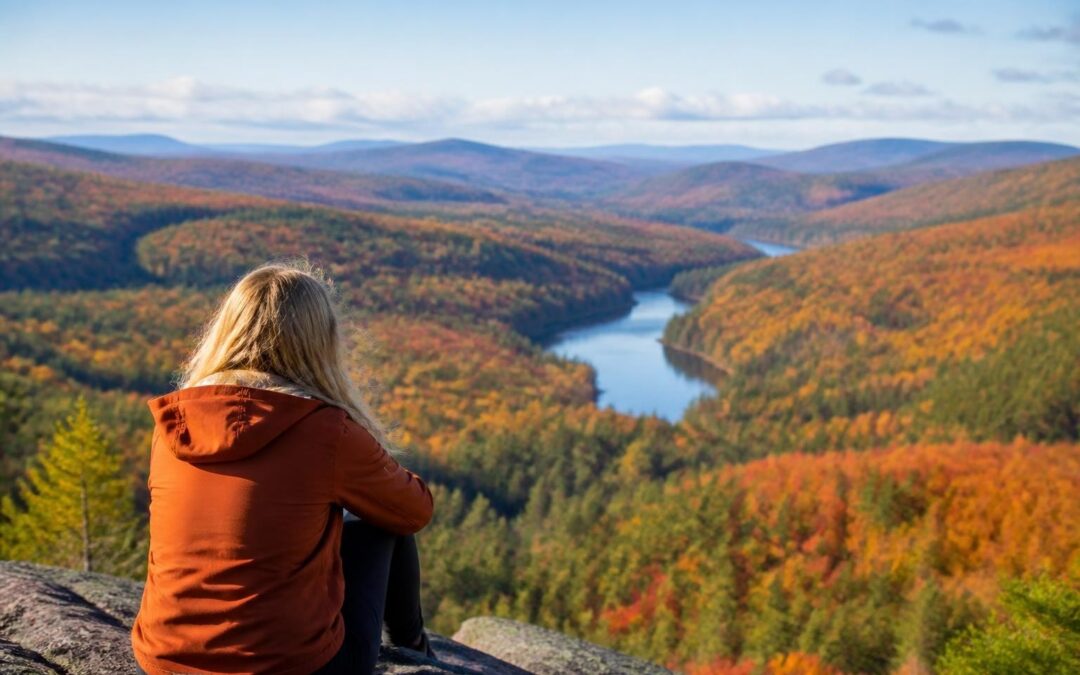
Maine's spectacular autumn transformation draws visitors from around the world, offering some of the most breathtaking fall colors in North America. The state's diverse geography, from coastal regions to mountainous terrain, creates a mosaic of crimson maples, golden birches, and amber oaks that paint the landscape in unforgettable hues. Understanding when and where to witness the best fall foliage in Maine ensures you experience this natural phenomenon at its peak brilliance. To view our official visitors guide click here.
Understanding Maine's Fall Foliage Timeline
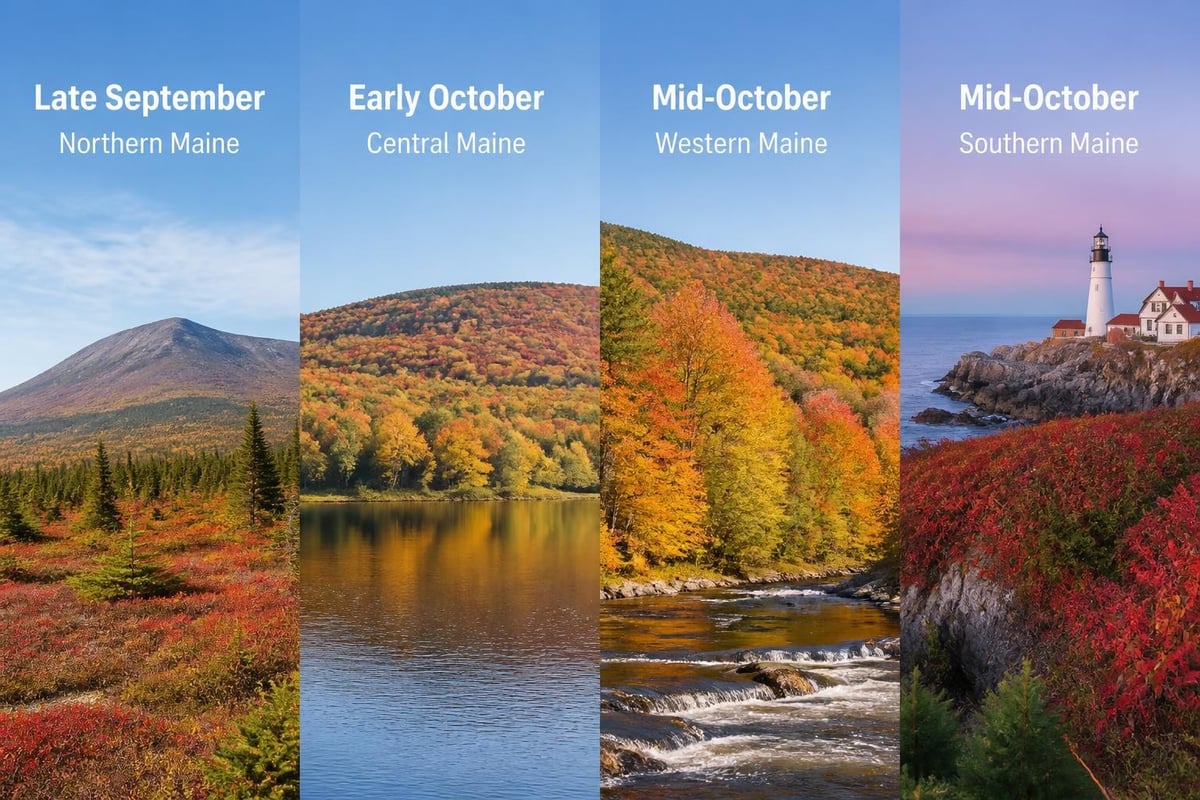
Fall color progression in Maine follows a predictable pattern driven by latitude, elevation, and microclimates. The transformation typically begins in northern and mountainous regions during mid-September, gradually sweeping southward through mid-October.
Geographic Zones and Peak Timing
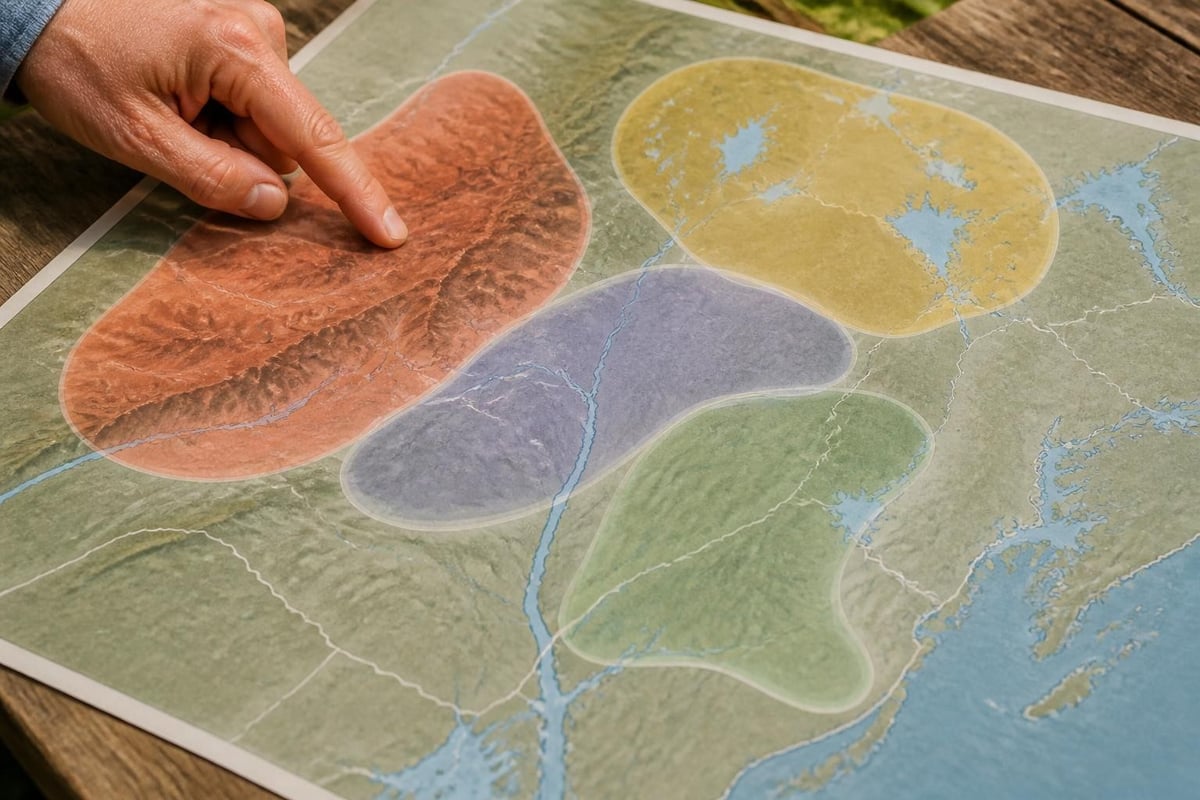
Maine's foliage season unfolds across distinct geographic zones, each reaching peak color at different times. The northernmost regions near the Canadian border often see peak color in the final week of September, while coastal and southern areas generally peak between October 5 and October 15.
Peak Timing by Region:
- Northern Maine: September 20-30
- Western Mountains: September 25-October 5
- Kennebec Valley: October 1-12
- Mid-Coast: October 5-15
- Southern Maine: October 10-20
The Maine Department of Agriculture, Conservation & Forestry provides weekly foliage reports throughout the season, offering field-based observations that help visitors time their trips with precision. These reports represent decades of monitoring and remain the most reliable source for current conditions.
Environmental Factors Affecting Color Intensity
Several environmental variables determine both the timing and vibrancy of autumn foliage. Temperature fluctuations, moisture levels, and sunlight exposure all play critical roles in leaf color development.
According to University of Maine research on leaf color science, warm sunny days followed by cool nights (above 45°F) produce the most brilliant reds in sugar maples. Adequate summer rainfall ensures healthy trees with vibrant pigments, while drought stress can lead to premature browning and leaf drop.
| Environmental Factor | Impact on Fall Color |
|---|---|
| Sunny autumn days | Enhances red and purple pigments |
| Cool nights (45-50°F) | Triggers chlorophyll breakdown |
| Summer drought | Reduces vibrancy, early drop |
| Heavy frost | Damages leaves, dulls color |
| Wind and rain | Shortens peak window |
Top Destinations for Best Fall Foliage in Maine
The Kennebec Valley region offers exceptional vantage points for leaf-peepers, combining accessible terrain with dense hardwood forests that deliver spectacular color displays.
Kennebec River Corridor
The Kennebec River valley creates a natural corridor of vibrant autumn color stretching from Madison through Belgrade Lakes to Augusta. This waterway provides stunning reflections of surrounding hillsides ablaze with color.
Prime viewing locations include:
- Belgrade Lakes chain for water-reflected color
- Waterville riverfront for urban-meets-nature vistas
- Augusta's Capitol Complex grounds
- Hallowell's historic downtown riverside walk
The mixing of river-cooled air with upland forests creates extended color periods here, often lasting 10-14 days at peak intensity. Paddlers find this region especially rewarding, as canoeing or kayaking offers unique perspectives on the overhead canopy.
Western Mountains and Rangeley Region
Maine's western mountains deliver arguably the most dramatic fall foliage displays in the state. Higher elevations trigger earlier color change, and the concentration of sugar maples produces brilliant crimson hillsides.
The western Maine foliage zone guidance identifies this region as consistently peaking between September 25 and October 5. Elevation changes of several thousand feet within short distances create layered color effects, with higher slopes turning while valleys remain green.
Moosehead Lake and North Woods
Maine's largest lake provides a stunning foreground for the surrounding wilderness's autumn transformation. The north woods region contains extensive stands of mixed hardwoods interspersed with evergreens, creating dramatic color contrasts.
This remote area experiences some of Maine's earliest color, often reaching 75 percent peak by September 25. The combination of pristine wilderness, minimal development, and diverse forest composition makes this destination ideal for photographers seeking unspoiled autumn landscapes.
Scenic Drives for Optimal Foliage Viewing
Maine's network of scenic byways and back roads provides access to the best fall foliage in Maine while offering comfortable, leisurely viewing from your vehicle.
Route 201: Old Canada Road National Scenic Byway
This historic corridor runs north from Solon through The Forks to the Canadian border, traversing some of Maine's most spectacular foliage country. The Old Canada Road Scenic Byway follows the Kennebec River through varied terrain, offering continuous color displays.
Route highlights:
- Wyman Lake overlooks with mountain backdrops
- The Forks area where the Kennebec and Dead Rivers meet
- Moxie Falls side trip (New England's highest waterfall)
- Attean Pond overlook near Jackman
- Boundary Mountains wilderness views
The 78-mile journey takes approximately two hours without stops, but allow four to five hours for photography, short hikes, and dining. Many visitors exploring regional events and activities incorporate this drive into their itinerary.
Belgrade Lakes Loop
This gentle 40-mile circuit encompasses seven pristine lakes surrounded by hardwood forests, providing quintessential Maine autumn scenery. The loop combines Routes 27, 8, and 11, creating a perfect half-day excursion.
Water reflections double the visual impact here, particularly during calm morning hours. The route passes through charming villages, offers numerous lakeside picnic areas, and provides easy access to hiking trails for those wanting closer forest encounters.
| Drive | Distance | Duration | Best Features |
|---|---|---|---|
| Route 201 North | 78 miles | 4-5 hours | River gorges, mountain views |
| Belgrade Lakes Loop | 40 miles | 3-4 hours | Lake reflections, villages |
| Route 16 North | 65 miles | 3-4 hours | Remote forests, wildlife |
| Coastal Route 1 | Varies | All day | Ocean-forest contrast |
Mountain Access Roads
Several maintained roads climb into Maine's western mountains, offering elevation-driven color diversity. Height of Land on Route 17 provides sweeping Rangeley Lakes views framed by turning mountainsides. The road to Sugarloaf Mountain Resort (even when closed to vehicles) offers hiking access to alpine-transition zone colors.
Enhanced Foliage Experiences Beyond Driving
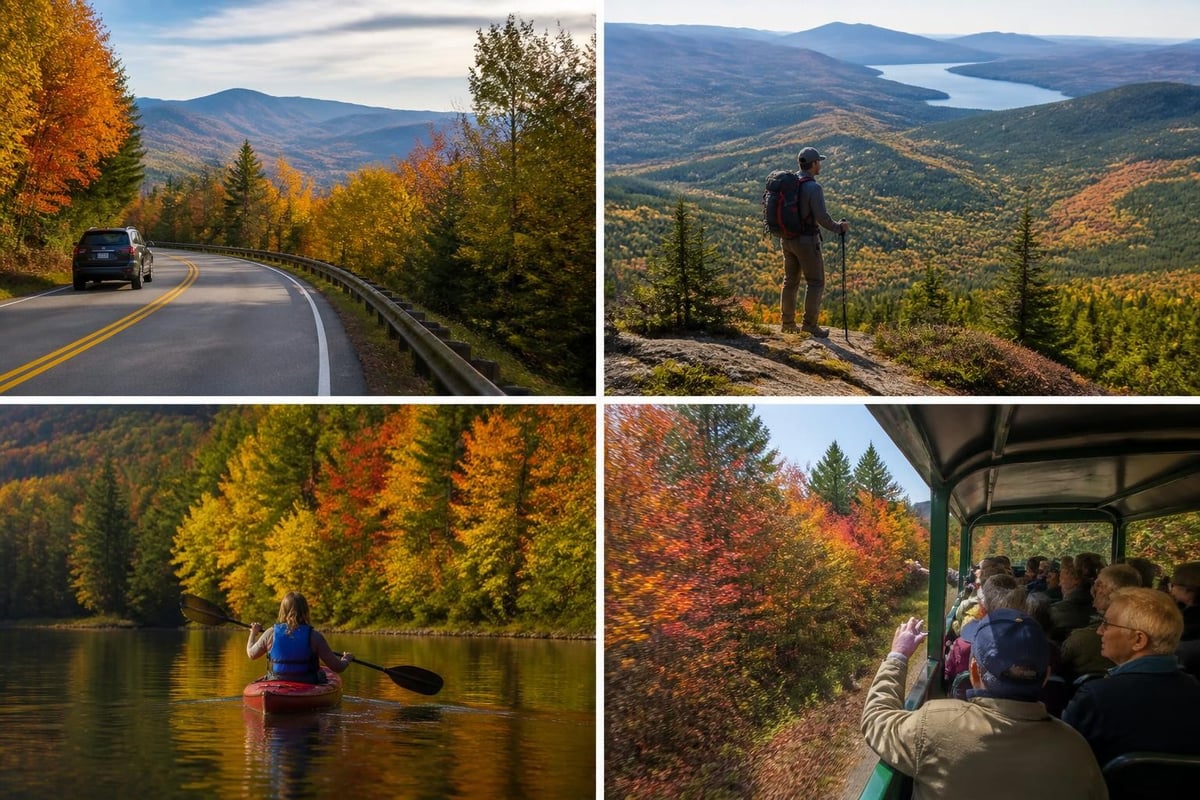
While scenic drives showcase broad landscapes, alternative activities provide immersive experiences within the autumn forest itself.
Hiking Trails With Foliage Rewards
Maine's trail network offers routes for every ability level, each providing intimate encounters with fall color. Short nature walks allow casual visitors to experience forest transformation up close, while challenging summit hikes reward effort with panoramic color vistas.
Recommended trails for foliage viewing:
- Maiden Cliff (Camden): Moderate 2.2-mile climb to lake overlook
- Mount Pisgah (Winthrop): Easy 1.6 miles with 360-degree summit views
- Tumbledown Mountain (Weld): Challenging 5.6 miles with alpine pond
- Pleasant Pond Mountain (Caratunk): Moderate 4.8 miles through hardwood forest
Each trail traverses different forest compositions, creating distinct color palettes. Audubon research on native trees explains how sugar maples produce reds, birches contribute golds, and oaks add russets and browns to the autumn spectrum.
Water-Based Foliage Adventures
Paddling during peak foliage combines the tranquility of quiet water with surrounding forest color. The Kennebec River offers stretches suitable for recreational paddlers, while numerous lakes provide sheltered conditions ideal for beginners.
Whitewater rafting on the Kennebec or Dead Rivers adds adrenaline to autumn beauty. The combination of exciting rapids, dramatic river gorges, and surrounding hillside color creates unforgettable experiences. Outfitters operate through mid-October, timing trips to coincide with peak foliage.
Photography Opportunities
Capturing the best fall foliage in Maine requires understanding light, composition, and timing. Early morning and late afternoon provide warm, angled light that enhances color saturation. Overcast days eliminate harsh shadows and can intensify perceived color through even lighting.
Successful compositions often include foreground elements (rocks, streams, fences) to anchor expansive color displays. Water reflections create natural symmetry, while incorporating evergreens provides color contrast that makes deciduous foliage appear more vibrant.
Planning Your Fall Foliage Visit
Strategic planning maximizes your chances of witnessing peak color while avoiding crowds and sold-out accommodations.
Timing Your Trip
Booking flexibility significantly improves foliage-viewing success. The two-week window around projected peak dates offers the best probability of excellent color. Monitoring weekly reports starting in early September allows you to identify emerging peak conditions.
Planning timeline:
- August: Reserve accommodations with flexible cancellation
- Early September: Monitor first northern Maine reports
- Mid-September: Confirm reservations or adjust dates
- Trip week: Check current conditions and plan daily routes
Weather patterns occasionally shift peak timing by several days. The Boston Globe’s regional foliage coverage provides updated predictions that supplement state reports.
Accommodation Considerations
Popular foliage regions experience high demand during peak weeks. Lodging in smaller communities often provides better availability and value compared to major tourist centers. The Kennebec Valley offers diverse options from lakeside cabins to historic inns in walkable downtowns.
Midweek visits (Tuesday through Thursday) encounter lighter traffic and better lodging availability than weekends. Many properties require minimum stays during peak foliage periods, typically two or three nights.
Understanding Forest Health Impacts
Current forest conditions affect both color quality and timing. The U.S. Forest Service’s Maine forest health reports document issues like beech leaf disease and invasive pests that can impact foliage displays in specific areas.
Healthy forests produce the most vibrant, long-lasting color. Areas experiencing stress from drought, disease, or insect damage may show premature browning or reduced color intensity. Understanding these patterns helps set realistic expectations and guides destination selection.
Coastal Versus Inland Foliage
Maine's varied geography creates distinctly different foliage experiences between coastal and inland regions.
Interior Forest Displays
Inland Maine contains extensive hardwood forests dominated by maples, birches, and oaks that produce classic New England autumn color. These forests achieve deep, saturated hues and typically maintain peak color for 7-10 days under favorable conditions.
The Kennebec Valley's interior position combines these dense hardwood stands with river corridors and lakes, creating diverse viewing opportunities within compact areas. Elevation variations add dimension to color displays as hillsides turn at slightly different rates than valleys.
Coastal Color Characteristics
Maine's coast features different tree species composition, with more oaks and scattered hardwoods rather than continuous maple forests. Coastal foliage tends toward golds, russets, and browns rather than brilliant reds.
The Acadia National Park guidance notes that coastal areas typically peak 5-7 days later than nearby inland locations. Ocean influence moderates temperature swings, slowing color development but sometimes extending the viewing window.
| Location Type | Dominant Colors | Peak Timing | Duration |
|---|---|---|---|
| Interior hardwood forest | Reds, oranges | Late Sept – Early Oct | 7-10 days |
| Mixed elevation terrain | Layered palette | Progressive through zones | 14-21 days |
| Coastal areas | Golds, russets | Mid-October | 10-14 days |
| Mountain summits | Early reds, alpine shrubs | Mid-late September | 5-7 days |
Making the Most of Your Foliage Adventure
Successful fall foliage trips combine natural beauty with cultural experiences and practical considerations.
Combining Activities
The best visits layer multiple activities throughout each day. Begin with sunrise photography at a lake or river, spend midday hiking to a summit overlook, dedicate afternoon hours to scenic driving, and conclude with evening exploration of a historic downtown.
This rhythm provides varied perspectives on autumn landscapes while building in rest periods and meal breaks. Many communities host fall festivals and harvest celebrations during foliage season, adding cultural enrichment to natural beauty.
Local Dining and Community Connections
Small-town restaurants and farm stands offer authentic Maine experiences alongside your foliage viewing. Seasonal menus feature apple cider, pumpkin dishes, and harvest vegetables that complement the autumn theme. These establishments often provide insider knowledge about less-crowded viewing locations and current color conditions.
Weather Preparedness
October weather in Maine varies dramatically. Daytime temperatures range from the 40s to the 60s, with nighttime lows often near freezing. Layered clothing allows comfort through changing conditions, and waterproof outer layers protect against frequent autumn showers.
Vehicle preparation matters for remote area exploration. Ensure your car has adequate fuel before entering regions with sparse services, particularly along Route 201 north of The Forks. Cell coverage becomes spotty in wilderness areas, making paper maps or downloaded directions valuable backups.
Photography and Documentation Tips
Capturing compelling foliage images requires technical knowledge and creative vision working together.
Technical Settings for Fall Color
Vibrant foliage benefits from slight underexposure (1/3 to 2/3 stop) to maintain color saturation. Polarizing filters reduce glare from leaves and intensify blue skies, creating stronger color contrast. Shooting in RAW format preserves maximum color information for post-processing flexibility.
Camera settings for foliage:
- ISO 100-400 for maximum quality
- Aperture f/8-f/11 for landscape depth
- Evaluative metering with exposure compensation
- Polarizing filter to enhance saturation
- Tripod for low-light conditions
Composition Strategies
Strong foliage photographs tell stories beyond simply showing colorful trees. Including human elements (hiking trails, country roads, historic buildings) provides scale and context. Leading lines draw viewers into the scene, while the rule of thirds creates balanced, visually appealing compositions.
Experimenting with different focal lengths reveals varied perspectives. Wide-angle lenses capture expansive color displays, while telephoto compression emphasizes distant hillsides and compresses layers of color into dense patterns.
Local Expertise and Resources
Tapping into local knowledge enhances any foliage adventure through insider perspectives and real-time updates.
Visitor Centers and Information
Regional tourism offices provide current conditions, detailed maps, and personalized recommendations based on your interests and abilities. Staff members often share recent firsthand observations about specific locations and can suggest alternatives when popular sites become crowded.
Guided Tours and Expertise
Professional guides offer specialized knowledge about ecology, history, and optimal viewing locations. Guided foliage tours remove navigation concerns while providing educational context about the forests you're experiencing. These services particularly benefit first-time visitors unfamiliar with Maine's geography.
Digital Resources
Real-time social media updates from local businesses, tourism organizations, and fellow visitors provide current ground-truth about color conditions. Following regional hashtags reveals emerging hotspots and crowd levels at popular destinations.
Sustainable Foliage Tourism
Responsible visiting ensures Maine's forests remain healthy and accessible for future generations.
Trail Etiquette and Conservation
Staying on marked trails prevents erosion and protects fragile ecosystems. Carrying out all trash maintains pristine conditions, while respecting quiet hours preserves the peaceful experience others seek. Photography should never damage vegetation or disturb wildlife.
Supporting Local Communities
Directing tourism spending to locally-owned businesses strengthens the communities that steward these landscapes. Choosing regional accommodations, dining at independent restaurants, and purchasing from local artisans all contribute to sustainable tourism economies.
Peak foliage season provides critical revenue for many small Maine businesses, helping them survive quieter winter months. Your visit makes a measurable difference when you consciously support local enterprises.
Future Forest Health
Climate patterns continue shifting Maine's foliage timing and quality. Earlier spring warmups and warmer falls may eventually compress the foliage season or shift peak dates. Invasive pests and diseases pose ongoing threats to specific tree species that contribute signature colors.
Supporting conservation organizations and forest management programs helps protect the ecosystems that create these spectacular displays. Understanding and advocating for forest health ensures the best fall foliage in Maine remains accessible for decades to come.
Maine's autumn transformation creates one of nature's most spectacular seasonal displays, with the Kennebec Valley offering exceptional access to vibrant hardwood forests, scenic waterways, and diverse terrain. Whether you explore by car, foot, or paddle, strategic timing and local knowledge maximize your foliage experience. The Kennebec Valley Tourism Council provides comprehensive resources, current conditions, and insider recommendations to help you plan an unforgettable autumn adventure in Maine's most beautiful season.