
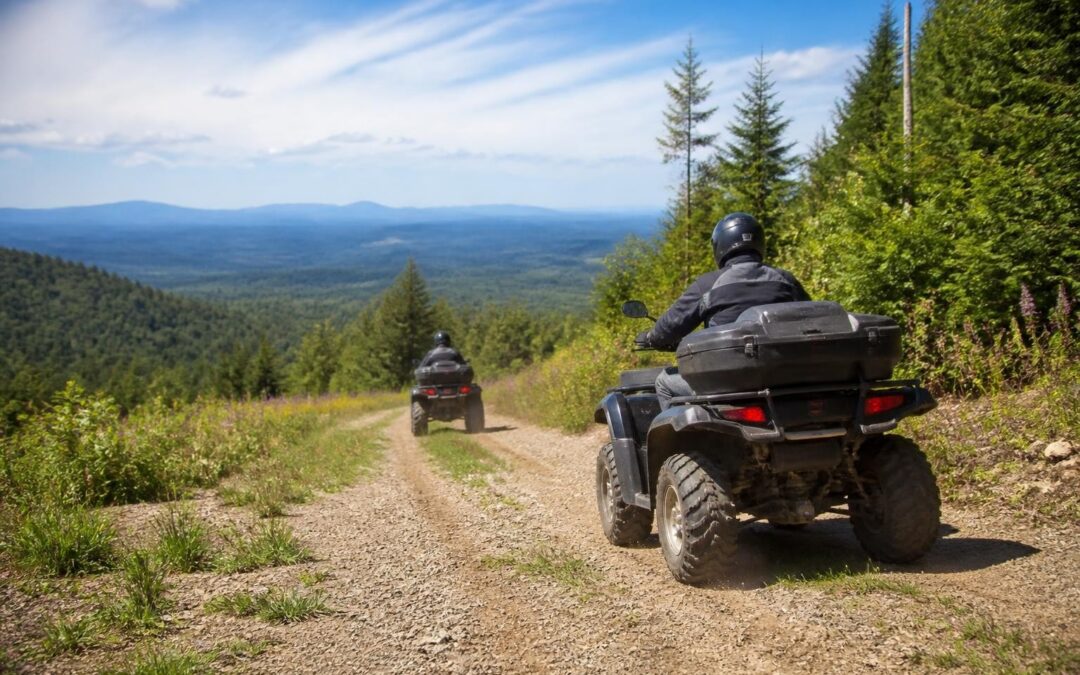
Maine's expansive wilderness offers some of the most exceptional ATV riding opportunities in the Northeast, with thousands of miles of maintained trails weaving through forests, mountains, and rural communities. The Kennebec Valley region stands out as a particularly rewarding destination for ATV enthusiasts, combining well-maintained trail systems with stunning natural scenery and welcoming trail towns. Whether you're planning a weekend getaway or an extended backcountry expedition, understanding the trail networks, regulations, and seasonal conditions will help you make the most of your Maine ATV adventure. To view our official visitors guide click here.
Understanding Maine's ATV Trail System
Maine's ATV infrastructure represents decades of volunteer work, land partnerships, and strategic planning. The state maintains over 3,500 miles of designated trails, managed primarily through a network of local clubs working under the Maine ATV Coalition framework.
These trails cross both private and public lands, made possible through landowner agreements and club stewardship programs. The Maine ATV Coalition coordinates these efforts statewide, ensuring trails remain accessible while protecting the environment and respecting property owners.
Trail Classifications and What They Mean
Maine categorizes ATV trails into several types based on difficulty and terrain:
- Class I Trails: Wide, well-maintained corridors suitable for all skill levels, often following old logging roads
- Class II Trails: Moderate terrain with some obstacles, requiring basic ATV handling skills
- Class III Trails: Technical routes with steep grades, rocks, water crossings, and tight turns
- Connector Trails: Links between major trail systems or to services in trail towns
Most atv trails maine riders encounter will be Class I or II, offering enjoyable riding without excessive technical challenges. These trails typically feature regular maintenance, clear signage, and periodic rest areas.
The ITS Numbering System
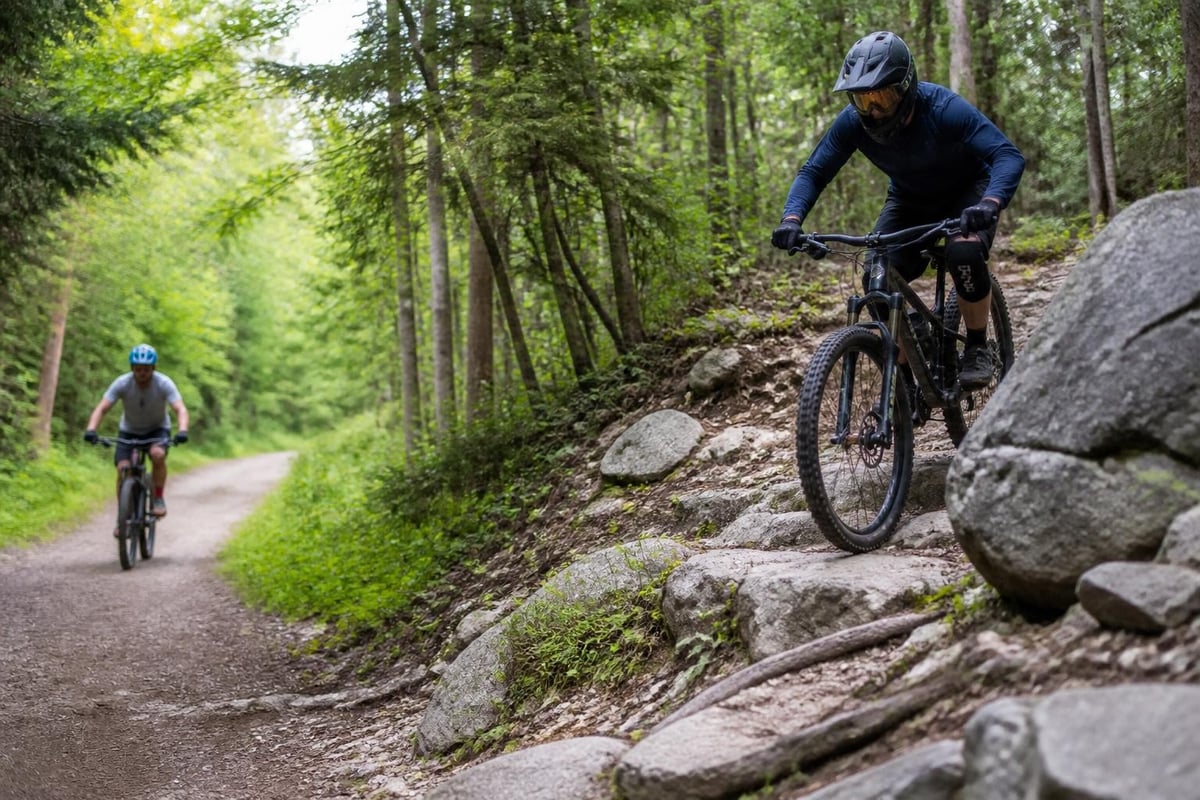
Maine uses the Interconnected Trail System (ITS) numbering convention to help riders navigate. Major routes carry numbers like ITS 87 or ITS 89, functioning similarly to highway numbers. These designated routes connect regions and provide reliable navigation reference points.
| ITS Route | Region Coverage | Key Features |
|---|---|---|
| ITS 87 | Central Maine | Links Jackman to Greenville with mountain views |
| ITS 89 | Kennebec Valley | Connects trail towns through mixed forest terrain |
| ITS 84 | Northern Maine | Remote wilderness experience with limited services |
Understanding this system helps riders plan multi-day trips and estimate travel times between destinations. The ATV Maine interactive maps provide current trail status and GPS coordinates for all numbered routes.
Kennebec Valley ATV Trail Highlights
The Kennebec Valley offers diverse riding experiences, from gentle riverside trails to challenging mountain terrain. This region serves as a central hub connecting northern and southern Maine trail networks.
The valley's geography creates unique riding opportunities. River corridors provide scenic, relatively flat trails perfect for families and beginners. Meanwhile, the surrounding mountains offer technical challenges and spectacular viewpoints for experienced riders.
Popular Trail Networks in the Region
Several club-maintained systems stand out for their quality and accessibility:
Bingham Area Trails feature over 150 miles of interconnected routes, with excellent access to local restaurants and lodging. These trails emphasize family-friendly riding with numerous scenic overlooks of the Kennebec River.
Jackman Region Corridors provide gateway access to the North Maine Woods. Riders here experience true wilderness, with opportunities to spot moose, deer, and other wildlife. The trails connect to Canadian routes for cross-border adventures.
Belgrade Lakes Network combines water and forest scenery, with trails circling multiple lakes and connecting to the larger statewide system. Summer riding here offers refreshing water crossings and shaded forest canopy.
Seasonal Riding Conditions
Maine permits ATV riding year-round, but conditions vary dramatically by season:
Spring (April-May): Trails may be muddy as frost leaves the ground. Many clubs restrict access during "mud season" to prevent damage.
Summer (June-September): Peak riding season with dry, firm trail surfaces. Dust can be an issue during dry spells, but overall conditions are excellent.
Fall (October-November): Spectacular foliage riding, though wet leaves can create slippery conditions. Hunting season requires wearing blaze orange.
Winter (December-March): Some trails remain open where snow depth permits. Many riders switch to snowmobiles during heavy snow periods.
The Forks Area Chamber provides detailed seasonal updates for trails in the upper Kennebec Valley, helping riders plan around conditions.
Legal Requirements and Trail Etiquette
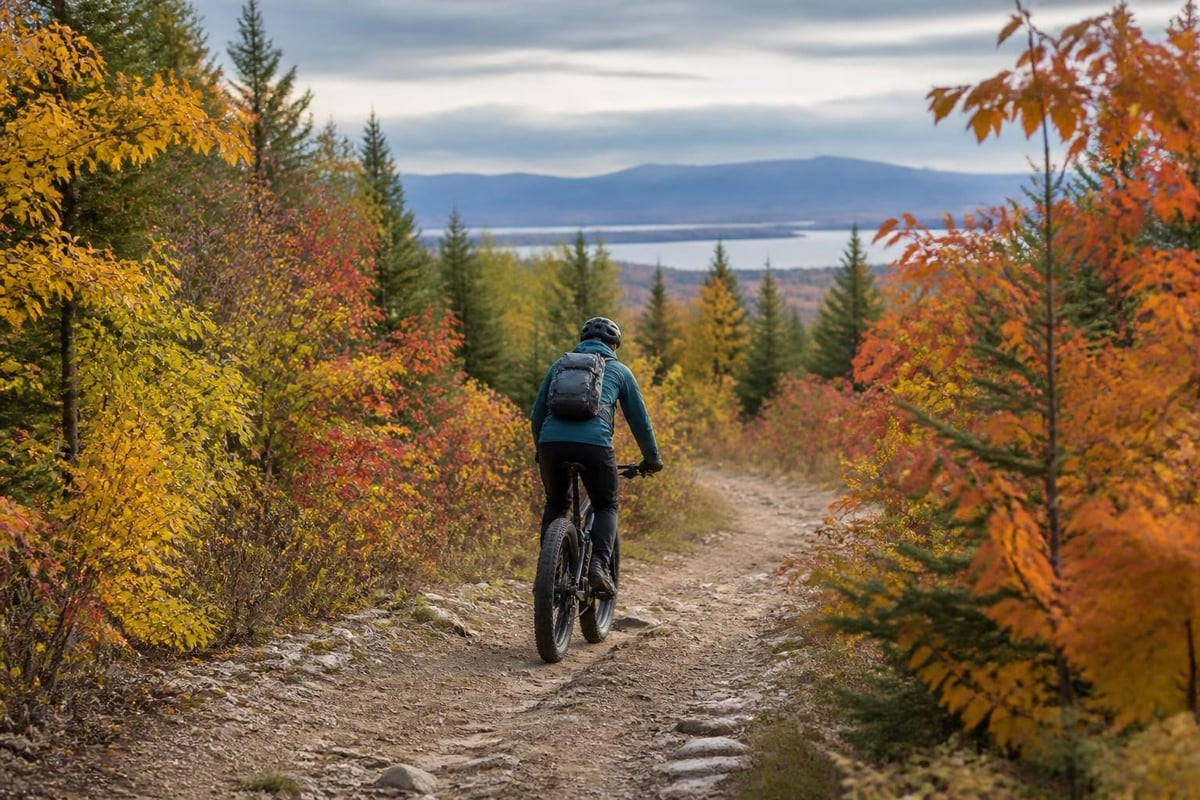
Responsible riding ensures continued trail access and positive relationships with landowners and communities. Maine enforces specific regulations that every ATV operator must follow.
Registration and Permits
All ATVs operated in Maine require registration, whether you're a resident or visitor. Out-of-state riders need a non-resident registration, available for various time periods:
- 3-day registration: Quick weekend trips
- 7-day registration: Extended week-long adventures
- Seasonal registration: Multiple trips throughout the year
Registrations can be purchased online or at many sporting goods stores and ATV dealerships throughout the state. Always carry your registration and proof of liability insurance.
Age and Safety Requirements
Maine law establishes clear age-related rules:
- Riders under 10 cannot operate ATVs on public trails
- Ages 10-15 must complete an ATV safety course and ride supervised
- All riders under 18 must wear helmets
- Night riding requires headlights and taillights
Safety courses are available through the Maine Department of Inland Fisheries and Wildlife. Completion certificates remain valid for life and are recognized across multiple states.
Trail Etiquette Best Practices
Maintaining positive relationships with landowners and other trail users requires following established etiquette:
- Stay on marked trails: Never create new routes or shortcuts, which cause erosion and may trespass on private property
- Respect posted speeds: Most club trails have 35 mph speed limits, with lower limits near populated areas
- Yield appropriately: Uphill riders have right-of-way; slower traffic should pull aside to let faster riders pass safely
- Pack out all trash: Leave no trace principles apply; carry garbage bags and use designated disposal sites
- Control noise: Many areas have sound restrictions; ensure your ATV has proper mufflers
The ATV Maine organization provides comprehensive rider education resources and updates on evolving regulations.
Planning Your ATV Adventure
Successful trips require preparation beyond just loading your ATV. Understanding trail networks, available services, and emergency protocols ensures safe, enjoyable experiences.
Choosing Your Base of Operations
Several Kennebec Valley communities serve as excellent ATV hubs:
Jackman: Northern gateway with direct trail access from many lodging properties. Full-service shops, restaurants, and fuel available.
The Forks: Adventure sports capital with whitewater rafting, ATV trails, and wilderness access. Limited services but incredible scenery.
Bingham: Central location with easy access to multiple trail networks. Small-town hospitality with essential services.
| Town | Trail Miles Nearby | Services | Best For |
|---|---|---|---|
| Jackman | 200+ | Full | Extended trips, wilderness access |
| The Forks | 150+ | Limited | Adventure combinations, scenery |
| Bingham | 175+ | Moderate | Family trips, central location |
Planning resources are available through Kennebec Valley Tourism Council, which maintains current information on ATV-friendly accommodations and services.
Essential Gear and Preparation
Beyond basic riding equipment, bring items specific to backcountry ATV travel:
Safety Equipment:
- First aid kit with wilderness-specific supplies
- GPS device or smartphone with downloaded offline maps
- Emergency communication device (satellite messenger for remote areas)
- Tool kit with basic ATV repair items
- Spare fuel in approved containers
Comfort Items:
- Weather-appropriate clothing in layers
- Rain gear (Maine weather changes quickly)
- Hydration system or water bottles
- High-energy snacks
- Sun protection and insect repellent
The Appalachian Mountain Club’s Maine outdoor activity guide offers additional wilderness preparation advice applicable to ATV adventures.
Multi-Day Trip Planning
Extended atv trails maine expeditions require additional logistics:
Route Planning: Chain together ITS routes and club trails to create loops or point-to-point adventures. Calculate realistic daily mileage based on terrain difficulty and your skill level. Most riders cover 60-100 miles daily on moderate terrain.
Accommodation Strategy: Book ATV-friendly lodging in advance, especially during peak summer weekends. Many properties offer secure parking, wash areas, and direct trail access. Some riders prefer primitive camping along designated trails, which requires self-sufficiency and Leave No Trace practices.
Fuel Management: Plan fuel stops carefully. Wilderness sections may have 50+ miles between services. Carrying reserve fuel extends your range and provides safety margin.

Trail Maintenance and Stewardship
The quality of atv trails maine depends entirely on volunteer efforts and responsible land stewardship. Understanding how trails are maintained helps riders appreciate the work involved and encourages participation.
The Club System
Local ATV clubs handle trail maintenance, landowner relations, and infrastructure development. These volunteer organizations clear brush, repair erosion damage, install signage, and build bridges. Club memberships directly fund these activities.
Many clubs welcome visiting riders on work parties, offering opportunities to give back while meeting local enthusiasts. Spring and fall are typical maintenance seasons, focusing on winter damage repair and pre-season preparation.
Land Access Partnerships
Over 80% of Maine's ATV trails cross private land, made available through landowner goodwill. Poor rider behavior jeopardizes these relationships and can result in trail closures.
The Maine Trails Coalition works to strengthen these partnerships through liability protection programs, landowner recognition events, and damage mitigation strategies. Their coalition-building efforts ensure long-term trail sustainability.
Environmental Considerations
Responsible riding minimizes environmental impact:
- Wetland Protection: Stay on hardened crossings; avoid creating new mud holes
- Stream Crossings: Use designated fords; never enter spawning areas during fish migration
- Wildlife Awareness: Reduce speed in areas with known wildlife activity; never chase or harass animals
- Invasive Species Prevention: Clean your ATV between regions to prevent spreading invasive plants
Modern trail design incorporates environmental best practices, routing trails to avoid sensitive areas while providing engaging riding experiences.
Resources for Visiting Riders
First-time visitors to Maine's trail system benefit from utilizing established resources and connecting with the ATV community.
Information Sources
Before your trip, consult these authoritative sources:
Trail Conditions: Check club websites and social media for real-time updates. Spring conditions especially vary week-to-week as trails dry out.
Maps and Navigation: Download the official ATV Maine maps showing current trail status. Paper maps remain valuable as backup navigation tools.
Weather Planning: Maine's weather can be unpredictable. Mountain areas may experience significantly different conditions than valleys. Monitor forecasts and have flexible itineraries.
Connecting with the Community
Maine's ATV community welcomes visitors and offers valuable local knowledge:
- Join social media groups focused on Maine ATV riding
- Stop at local clubs to introduce yourself and ask about current conditions
- Participate in organized rides or rallies to meet other enthusiasts
- Support trail towns by purchasing fuel, food, and supplies locally
These connections enhance your experience and often lead to discovering hidden gems not widely publicized.
Making the Most of Your Kennebec Valley Visit
While ATV riding may be your primary focus, the Kennebec Valley offers numerous complementary activities that enrich your trip.
Combining Activities
Many visitors combine ATV adventures with other outdoor pursuits:
Whitewater Rafting: The Kennebec and Dead Rivers offer world-class rafting. Morning rafting trips pair well with afternoon trail riding.
Fishing: Numerous streams and ponds along trails provide excellent fishing opportunities. Check regulations and obtain appropriate licenses.
Hiking: When you need a break from riding, area hiking trails offer different perspectives on the landscape.
Cultural Experiences: Small towns feature local history museums, artisan shops, and community events throughout the summer.
This diversity makes the Kennebec Valley ideal for groups with varied interests or extended stays where you want activity variety.
Trail Town Hospitality
Communities along atv trails maine have adapted to welcome riders with specialized services:
- Restaurants with ample parking for trailers
- Lodging properties offering equipment storage and wash facilities
- Repair shops with extended hours during peak season
- Convenience stores stocking riding essentials
Supporting these businesses strengthens local economies and encourages continued investment in trail infrastructure and rider amenities.
Safety and Emergency Preparedness
Even well-planned trips can encounter unexpected challenges. Proper preparation and knowledge of emergency protocols are essential.
Common Trail Hazards
Be aware of potential dangers:
Wildlife Encounters: Moose are particularly dangerous when surprised on trails. Reduce speed in known moose habitat, especially dawn and dusk. If you encounter a moose, stop and give it space to move off the trail.
Weather Changes: Afternoon thunderstorms develop quickly in summer. Lightning poses serious risks on exposed ridges. Seek lower elevation and dense forest if storms approach.
Mechanical Failures: Breakdowns happen. Carry tools and basic parts. Know your ATV's common failure points and how to address them.
Getting Lost: Even with GPS, trail junctions can be confusing. Stop and reassess rather than guessing. Most trails have periodic mileage markers helping pinpoint your location.
Emergency Response
In case of injury or serious mechanical failure:
- Assess the situation: Determine if immediate medical attention is needed
- Call for help: Cell service exists in many areas. Emergency services can coordinate rescue
- Stay with your ATV: It's easier to locate than a person walking out
- Use emergency markers: Note GPS coordinates or trail markers to communicate your location
- Signal for help: Use whistles, mirrors, or bright clothing to attract attention
Many remote areas have volunteer search and rescue teams familiar with trail systems who can respond quickly once alerted.
Riding with Groups
Group riding enhances safety but requires coordination:
- Establish meeting points if separated
- Ride at the pace of the slowest member
- Use buddy system; never leave anyone riding alone
- Carry basic first aid supplies distributed across multiple riders
- Designate a sweep rider to ensure no one falls behind unnoticed
Pre-trip briefings help ensure everyone understands the plan, expected challenges, and emergency protocols.
The Future of ATV Trails in Maine
Maine's ATV trail system continues evolving through infrastructure improvements, expanded access, and enhanced sustainability practices.
Trail Development Projects
Several initiatives are expanding and improving trail networks:
Connectivity Projects: New trail segments link previously isolated systems, enabling longer loop trips without retracing routes.
Surface Improvements: Strategic hardening of wet sections and installation of proper drainage extends riding seasons and reduces maintenance requirements.
Facility Upgrades: Trail towns are adding parking areas, restrooms, and information kiosks specifically for ATV users.
Sustainability Initiatives
Long-term trail viability depends on sustainable practices:
- User Fees: Registration revenues fund maintenance and landowner compensation programs
- Volunteer Recognition: Clubs are developing programs to attract and retain volunteers as older members retire
- Technology Integration: GPS tracking and mobile apps help monitor trail usage patterns and identify maintenance needs
- Youth Programs: Introducing younger riders to responsible trail use ensures future stewardship
These efforts position Maine's trail system for continued growth while protecting the environmental and community values that make riding here special.
Exploring ATV trails in Maine's Kennebec Valley offers unforgettable adventures through some of New England's most stunning wilderness. Whether you're seeking technical challenges, family-friendly rides, or multi-day backcountry expeditions, the region's diverse trail networks and welcoming communities deliver exceptional experiences. The Kennebec Valley Tourism Council provides comprehensive planning resources to help you discover the perfect trails, find ATV-friendly accommodations, and make the most of your visit to this remarkable destination.