

Maine's Kennebec Valley region offers some of the most diverse and well-maintained off-road riding opportunities in New England, attracting ATV enthusiasts from across the country. Stretching through the heart of central Maine, this area combines scenic woodland trails, historic rail corridors, and community-supported riding networks that showcase the natural beauty of the Pine Tree State. Whether you're a first-time rider or an experienced trail veteran, the Kennebec Valley presents terrain suitable for every skill level, with convenient access to lodging, dining, and support services. To view our official visitors guide click here.
Understanding the Kennebec Valley Trail System
The Kennebec Valley region encompasses several counties in central Maine, including Kennebec, Somerset, and parts of Franklin County. This geographic diversity creates a riding experience unlike any other in the state.
Primary Trail Networks
The trail infrastructure within the Kennebec Valley benefits from decades of partnership between local ATV clubs, landowners, and state agencies. Multiple trail systems interconnect throughout the region, allowing riders to access hundreds of miles without trailering between locations.
Key features of Kennebec Valley trails include:
- Multi-use corridor systems that accommodate ATVs, UTVs, and side-by-sides
- Well-marked routes with clear signage and trail numbers
- Seasonal access periods that protect environmental resources
- Regular maintenance performed by dedicated volunteer clubs
- Diverse terrain ranging from flat rail beds to challenging hill climbs
The Maine Bureau of Parks and Lands provides comprehensive information on ATV trails across the state, including specific guidelines for responsible riding throughout the Kennebec Valley.
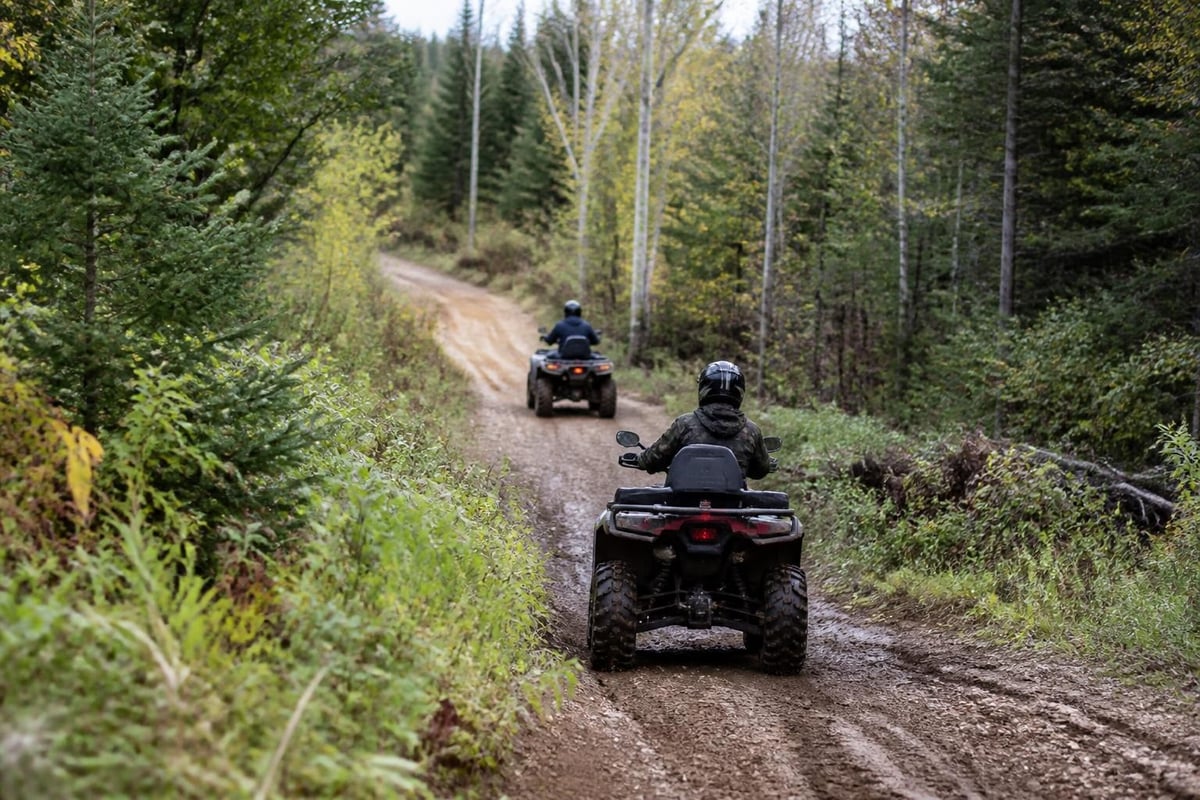
Trail Classifications and Difficulty Levels
Understanding trail ratings helps riders select appropriate routes based on their experience and equipment capabilities. The Kennebec Valley features trails across all difficulty categories.
| Trail Type | Terrain Characteristics | Best For | Typical Width |
|---|---|---|---|
| Class I (Easy) | Level rail corridors, minimal obstacles | Beginners, families, larger UTVs | 10-12 feet |
| Class II (Moderate) | Rolling hills, some rocks, stream crossings | Intermediate riders, sport ATVs | 6-8 feet |
| Class III (Difficult) | Steep grades, tight turns, technical sections | Advanced riders, experienced operators | 4-6 feet |
| Class IV (Expert) | Extreme terrain, significant obstacles | Expert-level skills required | Variable |
First-time visitors should consider starting with the easier rail trail sections before progressing to more challenging woodland routes. Local riding clubs often organize group rides that provide excellent orientation opportunities.
Top ATV Riding Destinations in Kennebec Valley
Several communities within the Kennebec Valley have developed into premier ATV destinations with superior trail access and rider amenities.
Augusta and Surrounding Areas
The state capital region serves as an excellent base for ATV adventures. Riders can access multiple trail systems within minutes of downtown Augusta, with convenient lodging and dining options available.
The area offers direct connections to both northern and southern trail networks, making it a strategic staging location for multi-day trips. Several local businesses cater specifically to ATV riders, offering everything from fuel to parts and repairs.
Belgrade Lakes Region
This scenic area combines water views with excellent trail riding. The Belgrade Lakes trail system winds through forests and along lakeshores, offering riders spectacular scenery alongside challenging terrain.
Belgrade Lakes highlights:
- Over 50 miles of maintained trails
- Multiple lake access points for scenic breaks
- Connections to statewide trail networks
- Family-friendly riding areas
- Seasonal events and organized rides
Waterville to Skowhegan Corridor
This north-south corridor represents one of the most popular ATV routes in central Maine. Following historic rail beds and connecting woodland trails, riders can traverse nearly 40 miles of continuous trail.
The corridor passes through several small towns offering fuel, food, and supplies. Trail conditions vary from easy rail bed sections to more technical woodland passages, providing variety for riders of different skill levels.
Essential Planning and Preparation
Successful ATV adventures in Maine require proper planning and adherence to state regulations. The Maine Department of Inland Fisheries and Wildlife details ATV and snowmobile trails, emphasizing the importance of trail markers and maintaining positive landowner relations.
Registration and Legal Requirements
All ATVs operated on Maine trails must display valid registration. Non-residents can obtain temporary registrations, while Maine residents need annual registration through the state.
Legal requirements include:
- Valid ATV registration displayed on vehicle
- Operator safety certification for riders born after 1982
- Helmet requirements for riders under 18
- Adherence to speed limits and trail restrictions
- Liability insurance recommended but not required
The state takes trail compliance seriously, with regular patrols ensuring rider safety and environmental protection. Understanding these requirements prevents legal issues and supports the continuation of trail access.
Seasonal Considerations and Trail Conditions
Maine's four distinct seasons dramatically affect trail riding conditions. Most atv trails in maine open for the season after mud season ends, typically in late May or early June.
Summer riding (June through August) offers the most consistent conditions, with dry trails and minimal obstacles. However, afternoon thunderstorms can create temporary wet conditions.
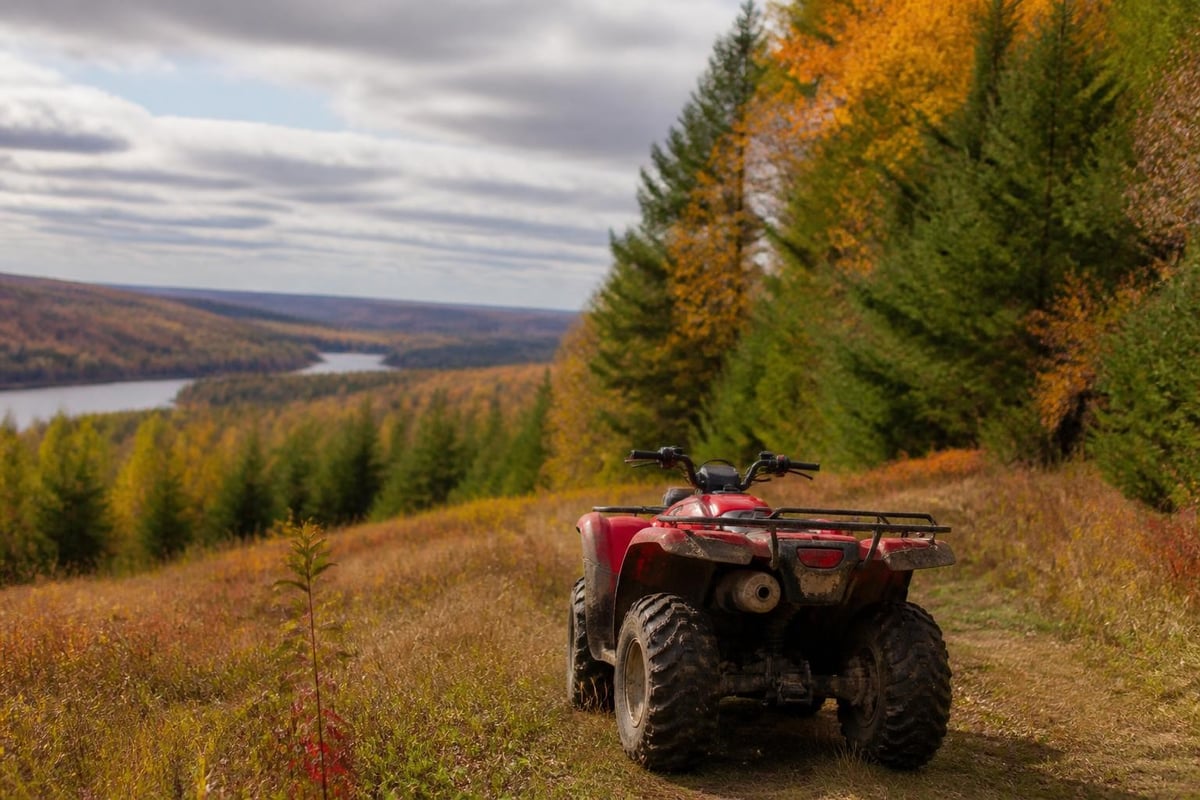
Fall riding (September through October) provides spectacular foliage displays alongside excellent trail conditions. This represents peak season for many Kennebec Valley riders.
Safety Equipment and Vehicle Preparation
Proper equipment protects both riders and the natural environment. Before hitting the trails, ensure your ATV is trail-ready and you carry essential safety gear.
| Equipment Category | Essential Items | Optional But Recommended |
|---|---|---|
| Personal Protection | DOT helmet, eye protection, gloves | Chest protector, knee guards, boots |
| Navigation | Trail map, GPS device, phone | Compass, backup battery pack |
| Emergency Supplies | First aid kit, water, snacks | Emergency blanket, whistle, mirror |
| Vehicle Equipment | Spare belt, tools, tire repair | Winch, tow strap, extra fuel |
Many experienced riders also carry communication devices, as cell service can be spotty in remote trail sections. Riding with a partner or group adds an additional safety layer.
Supporting Local Trail Systems
The extensive network of atv trails in maine exists because of partnerships between state agencies, private landowners, and volunteer organizations. Understanding and supporting this system ensures trail sustainability.
The Role of ATV Clubs
Local ATV clubs perform the majority of trail maintenance, marking, and improvement work throughout the Kennebec Valley. These volunteer organizations dedicate thousands of hours annually to keeping trails safe and accessible.
Membership in local clubs provides several benefits beyond supporting trail maintenance. Members receive trail maps, access to club events, and networking opportunities with experienced riders who know the region intimately.
The Maine ATV Program establishes trail systems and supports local ATV clubs through grants and resources, creating a sustainable framework for trail development and maintenance.
Landowner Relations and Trail Etiquette
Approximately 80 percent of ATV trails in Maine cross private property. Maintaining positive relationships with these generous landowners is critical for continued trail access.
Essential trail etiquette includes:
- Staying on marked trails at all times
- Respecting posted speed limits
- Avoiding excessive noise near residences
- Carrying out all trash and debris
- Closing gates after passing through
- Reporting trail damage or hazards to local clubs
When landowners close trails due to rider behavior, entire communities lose access to recreational opportunities. Every rider shares responsibility for protecting these privileges.
Kennebec Valley Riding Amenities
The region has developed comprehensive support infrastructure for ATV riders, distinguishing it from more remote riding areas.
Lodging Options for Riders
Several accommodations throughout the Kennebec Valley cater specifically to ATV enthusiasts, offering trailside access, secure parking, and washing facilities.
Options range from rustic cabins with direct trail access to full-service hotels in larger communities. Many properties allow riders to access trails directly from their parking areas, eliminating the need for trailering.
When planning your visit, Kennebec Valley Tourism Council provides comprehensive information about local lodging options, dining establishments, and additional activities for non-riding companions.
Dining and Services
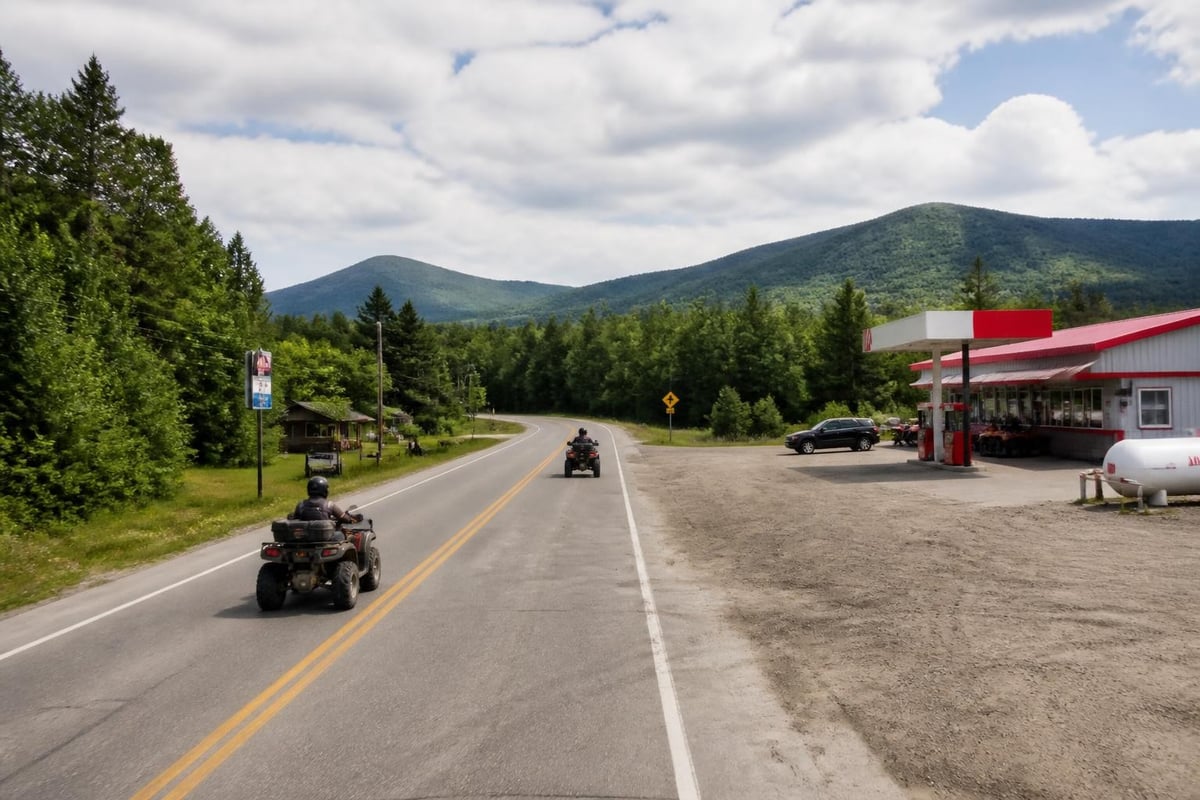
Trail-accessible restaurants and convenience stores serve riders throughout the Kennebec Valley. Many establishments welcome ATV riders, offering parking areas and quick service.
Several communities have developed "ATV-friendly" designations, encouraging businesses to accommodate riders with parking, fuel, and services. These communities recognize the economic impact of ATV tourism and actively support rider needs.
Trail Maintenance and Sustainability
Modern trail management in the Kennebec Valley emphasizes environmental protection alongside recreational access. Understanding these practices helps riders appreciate the work behind trail systems.
Best Management Practices
The Maine ATV Trail Inspections Program ensures trails meet environmental and safety standards. Inspections focus on erosion control, water crossing design, and habitat protection.
Trail designers now incorporate numerous features that minimize environmental impact while maintaining riding quality. Water bars divert runoff, elevated crossings protect wetlands, and seasonal closures allow sensitive areas to recover.
Volunteer Opportunities
Riders can directly support the trails they enjoy through volunteer work days organized by local clubs. These events tackle everything from brush clearing to bridge construction.
Participation provides an insider's perspective on trail management while building connections with the local riding community. Many clubs schedule work days on weekends, making them accessible for out-of-state visitors planning extended trips.
Expanding Your Kennebec Valley Experience
While ATV riding serves as the primary attraction, the Kennebec Valley offers numerous complementary activities that enhance your visit.
Multi-Season Recreation
Many ATV trails in maine transform into snowmobile trails during winter months, allowing year-round recreation. The same trail infrastructure supports different activities across seasons.
Summer visitors can combine trail riding with fishing, kayaking, or hiking. The region's lakes and rivers provide excellent freshwater fishing opportunities, while numerous hiking trails offer different perspectives on the same landscapes.
Cultural and Historical Attractions
The Kennebec Valley played a significant role in Maine's industrial and cultural development. Between trail rides, visitors can explore historic mills, museums, and cultural centers that tell the region's story.
Several communities host annual events celebrating their heritage, often coinciding with peak riding season. These festivals add cultural dimension to riding-focused trips.
Planning Your First Kennebec Valley Trip
First-time visitors benefit from strategic planning that maximizes trail access while minimizing logistical challenges.
Suggested Itineraries
Weekend Warrior (2-3 days):
- Day One: Arrive and explore Belgrade Lakes trail system (30-40 miles)
- Day Two: Ride Waterville to Skowhegan corridor (full day, 80+ miles possible)
- Day Three: Local trail exploration and travel home
Extended Adventure (4-5 days):
- Base in central location like Augusta
- Explore different trail systems each day
- Include rest day for equipment maintenance and local sightseeing
- Mix challenging and easy trails based on weather and rider energy
Connecting with Local Resources
The ATV Maine organization provides trail information, including current maps, park and ride locations, and updates on trail conditions. Checking these resources before departure prevents surprises and helps optimize routing.
Local clubs maintain social media presence and often post real-time trail condition updates. Following these channels provides insider knowledge that GPS systems cannot offer.
Environmental Stewardship
Responsible riding preserves trail access for future generations while protecting Maine's natural heritage.
Leave No Trace Principles
Adapting Leave No Trace principles to ATV riding ensures minimal environmental impact:
- Plan routes using designated trails only
- Stay on durable surfaces and avoid widening trails
- Dispose of waste properly at designated facilities
- Leave natural and cultural features undisturbed
- Minimize campfire impacts at designated sites only
- Respect wildlife by maintaining distance
- Be considerate of other trail users
These principles apply particularly to the Kennebec Valley, where trails pass through ecologically sensitive areas and working forests.
Wildlife Awareness
The region supports diverse wildlife populations, including moose, deer, black bears, and numerous bird species. Riders should remain alert for animals on trails, particularly during dawn and dusk hours.
Slowing down in areas with limited visibility protects both riders and wildlife. Collisions with large animals can cause serious injury and damage equipment, making cautious riding essential for safety.
Trail Resources and Information
Staying informed about trail conditions, closures, and opportunities enhances every riding experience in the Kennebec Valley.
Digital Resources
Multiple online platforms provide current information about atv trails in maine. State agencies, local clubs, and tourism organizations maintain updated resources accessible from smartphones and computers.
GPS applications designed specifically for off-road navigation help riders track routes, mark waypoints, and share locations with riding partners. Many apps include offline map functionality, essential for areas with limited cell coverage.
Paper Maps and Physical Resources
Despite digital advances, traditional paper maps remain valuable tools. They don't require batteries, work everywhere, and provide overview perspectives that small screens cannot match.
Local ATV clubs distribute maps showing their maintained trails, including difficulty ratings, points of interest, and service locations. Collecting these maps creates a comprehensive resource for planning rides throughout the region.
Weather and Condition Monitoring
Maine weather can change rapidly, particularly in spring and fall. Monitoring forecasts and adjusting plans accordingly ensures safer, more enjoyable riding.
Trail condition reports posted by clubs and other riders provide ground-level intelligence about specific route conditions. Recent rain, wind events, or maintenance work can dramatically affect trail quality.
The Kennebec Valley stands out as one of Maine's premier ATV destinations, offering diverse terrain, comprehensive trail networks, and welcoming communities that understand and support rider needs. From scenic rail corridors perfect for families to challenging woodland trails that test experienced riders, this region delivers memorable off-road experiences across all skill levels. Whether you're planning your first Maine ATV adventure or returning for another season of exploration, the Kennebec Valley Tourism Council provides the resources, maps, and local insights necessary to make your trip exceptional.