
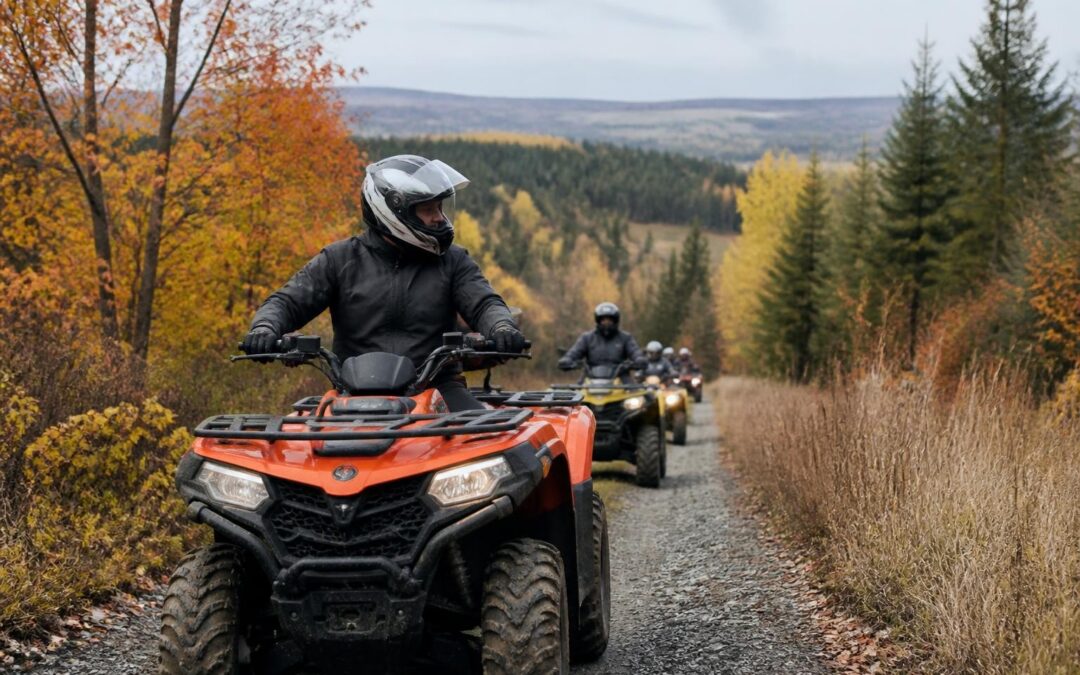
Maine's Kennebec Valley represents one of the most rewarding destinations for ATV enthusiasts seeking diverse terrain, well-maintained trails, and a welcoming community of riders. The region's ATV clubs serve as the backbone of this outdoor recreation network, maintaining hundreds of miles of trails while fostering responsible riding practices and sustainable access to Maine's backcountry. Whether you're a seasoned rider or new to the sport, understanding the role and benefits of ATV clubs in Maine will enhance your experience and help you make the most of your adventure in this scenic region. To view our official visitors guide click here.
The Role of ATV Clubs in Maine's Recreation Landscape
ATV clubs throughout Maine function as volunteer-driven organizations that bridge the gap between riders, landowners, and state agencies. These groups dedicate countless hours to trail development, maintenance, and advocacy work that ensures continued access to public and private lands.
The Maine ATV Program partners with local clubs to establish comprehensive trail systems across the state. In the Kennebec Valley, this collaboration has resulted in an interconnected network that allows riders to explore diverse landscapes, from forested hillsides to riverside paths.
Key responsibilities of ATV clubs include:
- Trail marking and signage installation
- Regular maintenance and brush clearing
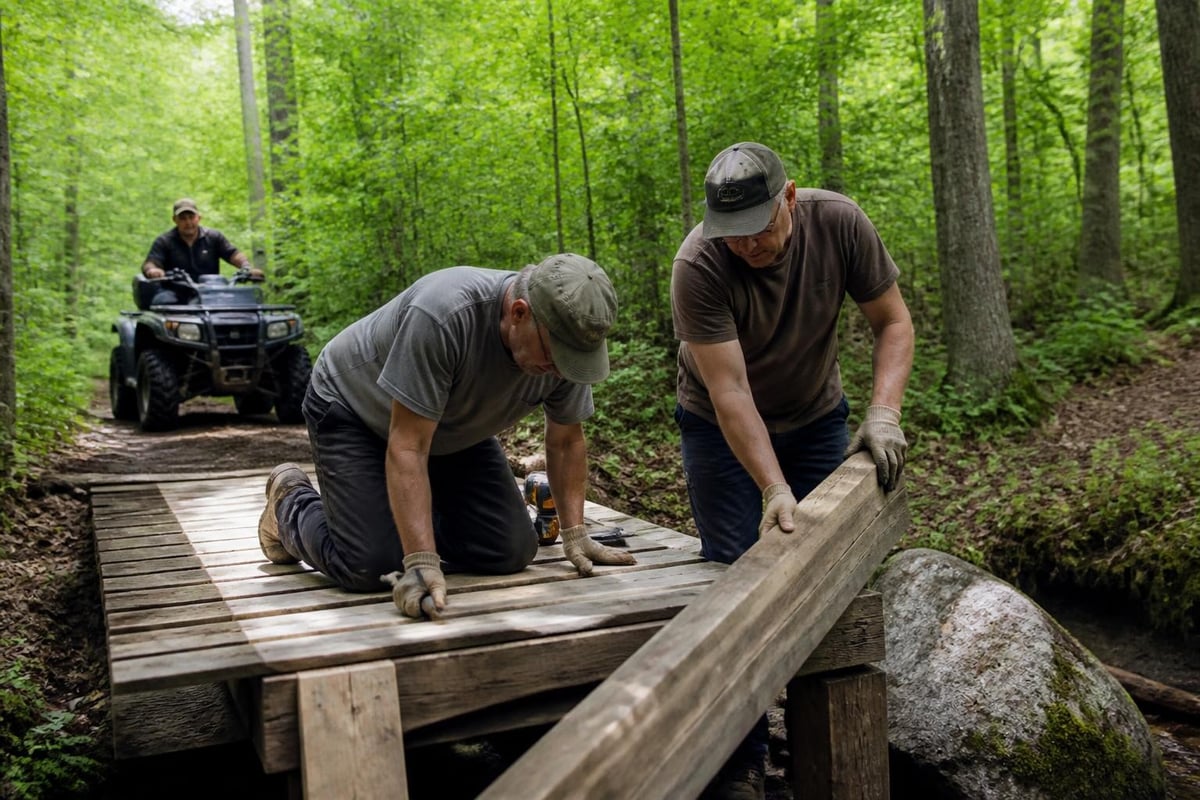
- Bridge construction and repair
- Communication with landowners
- Safety education for members
- Coordination with state agencies
Clubs also serve as community hubs where riders share local knowledge, organize group rides, and promote ethical riding practices. This social aspect creates lasting connections among outdoor enthusiasts while strengthening the overall ATV community.
Membership Benefits and Expectations
Joining an ATV club provides tangible benefits beyond trail access. Members gain insider knowledge about trail conditions, seasonal closures, and the best routes for different skill levels. Many clubs offer discounted rates on gear, organized events, and exclusive access to certain trail sections.
| Membership Benefit | Description | Typical Value |
|---|---|---|
| Trail Access | Priority access to club-maintained trails | Unlimited seasonal use |
| Community Events | Group rides, safety courses, social gatherings | 6-12 events annually |
| Trail Maps | Detailed route information and GPS coordinates | Digital and printed formats |
| Advocacy Support | Representation in land use discussions | Ongoing protection of riding areas |
| Safety Resources | Training materials and equipment discounts | 10-20% off retail prices |
Most clubs request volunteer hours from members to support maintenance efforts. This expectation ensures trails remain in excellent condition while fostering a sense of ownership and stewardship among riders.
Kennebec Valley ATV Clubs and Trail Systems
The Kennebec Valley region hosts several active ATV clubs that maintain some of Maine's most scenic trail networks. These organizations work collaboratively to create seamless riding experiences across multiple municipalities.
Central Maine ATV Club, established in 1984, holds the distinction of being the state's oldest ATV club. This organization has been instrumental in developing the Kennebec Valley Trail system, which provides access to hundreds of miles of diverse terrain suitable for riders of all experience levels.
The club's dedication to maintaining trail quality and promoting responsible riding has set standards adopted by newer organizations throughout the region. Their long-standing relationships with local landowners ensure continued access to private property, a critical component of Maine's extensive trail network.
Trail System Highlights in the Kennebec Valley
Riders in the Kennebec Valley enjoy access to varied terrain that showcases the region's natural beauty. The trail system connects small towns, passes through working forests, and offers stunning views of rivers and mountain ranges.
Popular trail features include:
- Riverside Routes – Scenic paths following the Kennebec River with water access points
- Forest Corridors – Canopied trails through mixed hardwood and softwood stands
- Mountain Viewpoints – Elevated sections offering panoramic vistas
- Historic Sites – Trails connecting to old logging roads and cultural landmarks
- Technical Sections – Challenging terrain for experienced riders seeking adventure
The interconnected nature of these trails allows for day trips or extended adventures. Many riders combine ATV excursions with camping, fishing, or exploring the vibrant communities throughout Kennebec Valley.
Trail conditions vary by season, with late spring through fall offering optimal riding experiences. Clubs maintain detailed condition reports and communicate trail status through websites, social media, and local networks.
Registration, Safety, and Legal Requirements
Operating an ATV in Maine requires understanding state regulations and safety protocols. The Maine Department of Inland Fisheries and Wildlife oversees registration requirements and establishes guidelines that protect both riders and the environment.
Registration Process and Requirements
All ATVs operated in Maine must be registered with the state, regardless of whether they're used on public or private land. The registration process supports trail maintenance funding and helps track vehicle ownership for safety purposes.
| Registration Type | Age Requirement | Duration | Fee Range |
|---|---|---|---|
| Resident Annual | 10+ with supervision | 1 year | $45-$55 |
| Non-Resident Seasonal | 10+ with supervision | 7 days | $75-$95 |
| Resident Lifetime | Any age | Permanent | $300-$350 |
Registration fees contribute directly to the Maine ATV Program, which distributes grants to clubs for trail development and maintenance projects. This funding mechanism ensures that rider contributions directly benefit the trails they enjoy.
Safety Education and Best Practices
ATV clubs in Maine emphasize safety education as a core component of responsible riding. Many organizations offer training courses that cover equipment operation, trail etiquette, and emergency preparedness.
Essential safety practices include:
- Wearing approved helmets and protective gear
- Maintaining safe speeds appropriate for terrain and conditions
- Staying on designated trails to protect vegetation and wildlife
- Carrying communication devices for emergencies
- Riding with partners or groups when possible
- Respecting private property boundaries and landowner requests
Clubs often partner with law enforcement and state agencies to provide comprehensive safety workshops. These educational opportunities help reduce accidents and ensure that riding privileges remain intact through demonstrated responsibility.
Finding and Joining the Right Club
Selecting an ATV club depends on several factors, including geographic location, riding preferences, and community atmosphere. Maine hosts over 80 ATV clubs, each with unique characteristics and trail access.
The Maine Bureau of Parks and Lands directory provides comprehensive contact information for clubs across the state. This resource allows prospective members to research organizations in their preferred riding areas.
Evaluating Club Options
Before committing to membership, riders should consider what each club offers and how well it aligns with their interests and availability.
Key evaluation criteria:
- Trail Access – Review the mileage and variety of trails maintained by the club
- Geographic Location – Consider proximity to your home or preferred riding areas
- Member Services – Assess available resources, events, and support systems
- Volunteer Requirements – Understand expected time commitments for trail work
- Community Culture – Attend meetings or events to gauge organizational atmosphere
- Dues Structure – Compare membership costs and included benefits
Many clubs welcome prospective members to attend meetings or participate in group rides before joining. This trial period helps ensure a good fit between rider expectations and club offerings.
Regional Club Examples Beyond Kennebec Valley
While Kennebec Valley offers excellent riding opportunities, Maine's extensive club network extends throughout the state. Northern clubs like the Madawaska Valley ATVenture Club maintain scenic routes through Aroostook County, while western organizations such as the Roxbury ATV Riders provide family-oriented communities with diverse trail access.
Southern Maine riders benefit from organizations like Ossipee Mountain ATVers, which serves off-road enthusiasts in that region. These clubs demonstrate the statewide commitment to maintaining quality trail systems and fostering responsible riding communities.
Trail Planning and Navigation Resources
Successful ATV adventures require proper planning and reliable navigation tools. Maine's clubs and state agencies provide numerous resources to help riders prepare for their excursions.
Interactive mapping platforms have revolutionized trip planning for ATV enthusiasts. The ATV Maine map system displays club locations, trail statuses, and route information across the state, enabling riders to design custom adventures based on current conditions.
Digital and Printed Map Resources
Modern riders benefit from both traditional paper maps and GPS-enabled digital tools. Each format offers distinct advantages depending on riding conditions and personal preferences.
Traditional paper maps provide:
- No battery requirements
- Overview perspective of trail networks
- Backup navigation during technology failures
- Annotations for personal route planning
Digital mapping tools offer:
- Real-time location tracking
- Current trail condition updates
- Offline download capabilities
- Integration with ride-sharing apps
Resources like Untamed Mainer’s trail map collection compile information from various regions, helping riders access comprehensive route data. These compilations save time and ensure accurate planning for multi-day adventures.
Seasonal Considerations and Trail Conditions
Trail accessibility in Maine varies significantly by season. Spring mud season typically restricts riding to protect trail integrity, while summer and fall offer optimal conditions. Winter transforms many ATV routes into snowmobile trails, showcasing the multi-use nature of Maine's recreation infrastructure.
Clubs communicate seasonal openings, closures, and condition updates through multiple channels. Checking these reports before riding prevents wasted trips and demonstrates respect for trail maintenance efforts.
Economic Impact and Community Benefits
ATV clubs generate substantial economic activity throughout Maine's rural communities. Riders purchase fuel, meals, lodging, and supplies, supporting local businesses and creating jobs in regions with limited economic diversification.
The Kennebec Valley particularly benefits from ATV tourism, as riders often extend their visits to explore the area's other attractions. This cross-promotional effect strengthens the entire tourism sector while introducing visitors to the region's cultural and natural assets.
Supporting Local Economies Through Responsible Recreation
When ATV enthusiasts choose Maine for their riding adventures, they contribute to a sustainable tourism model that values environmental stewardship alongside economic development.
Economic contributions include:
- Lodging expenditures at hotels, campgrounds, and vacation rentals
- Dining at local restaurants and cafes
- Equipment purchases and repairs at regional dealers
- Fuel and convenience store purchases
- Guide services and organized tour participation
These spending patterns demonstrate how recreational activities translate into tangible community benefits. ATV clubs facilitate this economic activity while ensuring that growth occurs sustainably and respects local character.
Building Relationships with Landowners
Access to private land represents a critical component of Maine's ATV trail system. Approximately 95% of Maine is privately owned, making positive landowner relationships essential for continued trail access.
ATV clubs invest significant effort in maintaining these partnerships. Regular communication, respect for property boundaries, and rapid response to concerns help preserve goodwill and ensure long-term access.
Landowner Considerations and Club Responsibilities
Property owners who allow trail access assume certain risks and deserve respect and consideration from riders and clubs alike. Understanding their perspective helps build stronger, more sustainable relationships.
| Landowner Concern | Club Response | Rider Responsibility |
|---|---|---|
| Property damage | Insurance coverage and repair commitments | Stay on marked trails only |
| Liability issues | Coordination with state protection programs | Follow all posted rules |
| Privacy intrusion | Route planning away from homes and buildings | Minimize noise near residences |
| Environmental impact | Sustainable trail design and maintenance | Practice Leave No Trace principles |
Organizations like the Caribou Viking Riders exemplify best practices in landowner relations, demonstrating how proactive communication and community involvement strengthen access agreements. Their model shows that successful clubs prioritize stewardship alongside recreation.
Year-Round Recreation and Multi-Season Opportunities
While ATV riding peaks during summer and fall, the Kennebec Valley offers year-round outdoor recreation opportunities. Many trail systems transition between activities, supporting snowmobiling in winter and hiking during restricted seasons.
This multi-use approach maximizes infrastructure investments while creating diverse revenue streams for clubs. Annual membership models often include access to winter trails, extending value beyond the traditional ATV season.
Connecting ATV Experiences with Other Regional Activities
Visitors planning ATV adventures in the Kennebec Valley can enhance their trips by exploring complementary activities. The region's rivers offer world-class whitewater rafting, while extensive hiking trails provide alternative ways to experience the landscape.
This diversity allows families and groups with varying interests to enjoy satisfying vacations together. One member might spend mornings riding trails while others explore cultural attractions, reconvening for shared meals and evening activities.
Club Governance and Organizational Structure
Effective ATV clubs operate with clear governance structures that distribute responsibilities and ensure accountability. Most organizations function as nonprofit entities with elected boards and defined officer roles.
Typical organizational positions include:
- President: Overall leadership and external representation
- Vice President: Support for president and project coordination
- Treasurer: Financial management and grant administration
- Secretary: Record keeping and communications
- Trail Master: Maintenance coordination and volunteer scheduling
- Safety Officer: Education program development and incident response
This structure allows clubs to accomplish substantial work through volunteer efforts while maintaining professional standards and legal compliance.
Volunteer Opportunities and Engagement
New members often wonder how to contribute beyond paying dues. Clubs offer diverse volunteer opportunities that accommodate various skills, schedules, and physical abilities.
Trail maintenance days provide hands-on experience with chainsaw operation, bridge building, and signage installation. Those preferring administrative work can assist with membership management, grant writing, or social media coordination.
Seasonal variation in volunteer needs means members can participate when schedules allow. Spring preparation, summer events, and fall closing activities create multiple engagement points throughout the year.
Future of ATV Recreation in Maine
The ATV community in Maine faces both opportunities and challenges as the sport continues evolving. Increasing participation brings economic benefits but also raises concerns about trail capacity and environmental impact.
Progressive clubs address these challenges through sustainable practices, improved education, and strategic planning. Investments in trail infrastructure, adoption of low-impact riding techniques, and strengthened landowner relationships position the activity for long-term success.
Technology Integration and Modern Trail Management
Digital tools are transforming how clubs manage trails and communicate with members. Real-time condition reporting, GPS tracking for maintenance needs, and online volunteer coordination streamline operations while improving service delivery.
These innovations help clubs accomplish more with limited resources while providing members with enhanced experiences. As technology adoption increases, the gap between rural recreation and urban conveniences continues narrowing.
ATV clubs in Maine provide essential infrastructure, community, and stewardship that make the Kennebec Valley region an exceptional destination for off-road enthusiasts. By joining these organizations, riders gain access to well-maintained trails while contributing to sustainable recreation that benefits local communities and preserves natural landscapes. Whether you're planning your first visit or returning for another adventure, Kennebec Valley Tourism Council offers comprehensive resources to help you discover everything this remarkable region has to offer, from premier ATV trails to diverse outdoor activities and cultural experiences that create unforgettable memories.