
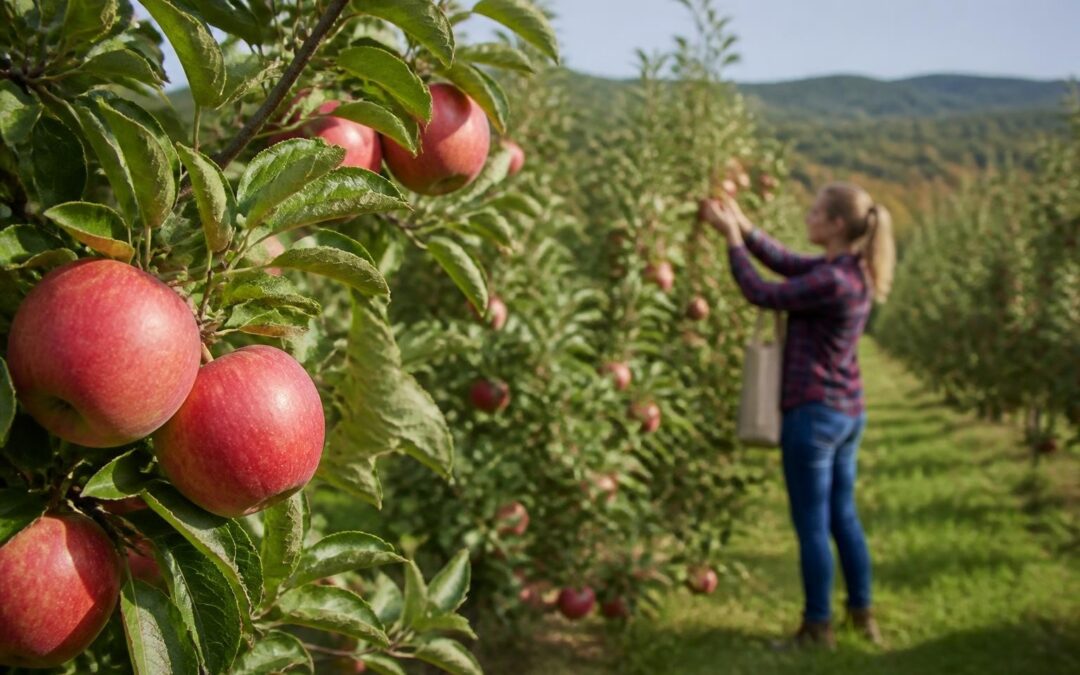
Maine's autumn landscape transforms into a tapestry of brilliant colors each fall, and nowhere is this seasonal shift more delicious than in the state's abundant apple orchards. Apple picking in Maine has become a cherished tradition for families, tourists, and food enthusiasts who seek the perfect combination of outdoor recreation, agricultural heritage, and fresh, crisp fruit straight from the tree. From late August through October, orchards across the state welcome visitors to experience this quintessentially New England activity, offering dozens of apple varieties that thrive in Maine's unique climate and soil conditions. To view our official visitors guide click here.
Understanding Maine's Apple Heritage
Maine's apple-growing tradition stretches back centuries, with the state's cool climate and well-drained soils creating ideal conditions for producing exceptional fruit. The industry has evolved significantly, with modern orchards balancing heritage varieties alongside newer cultivars developed specifically for northern climates.
The state's apple economy contributes substantially to Maine's agricultural sector, with commercial orchards spanning thousands of acres across multiple counties. According to USDA regional fruit statistics, New England apple production remains robust despite climate challenges, with Maine orchards adapting to changing weather patterns through improved variety selection and management practices.
Key factors that make Maine apples exceptional:
- Cool nighttime temperatures during ripening enhance color and sugar development
- Lower pest pressure compared to warmer regions reduces chemical inputs
- Extended growing season allows for complex flavor development
- Rich glacial soils provide excellent drainage and mineral content
- Heritage varieties preserved through generations of careful cultivation
Prime Apple Picking Season in Maine
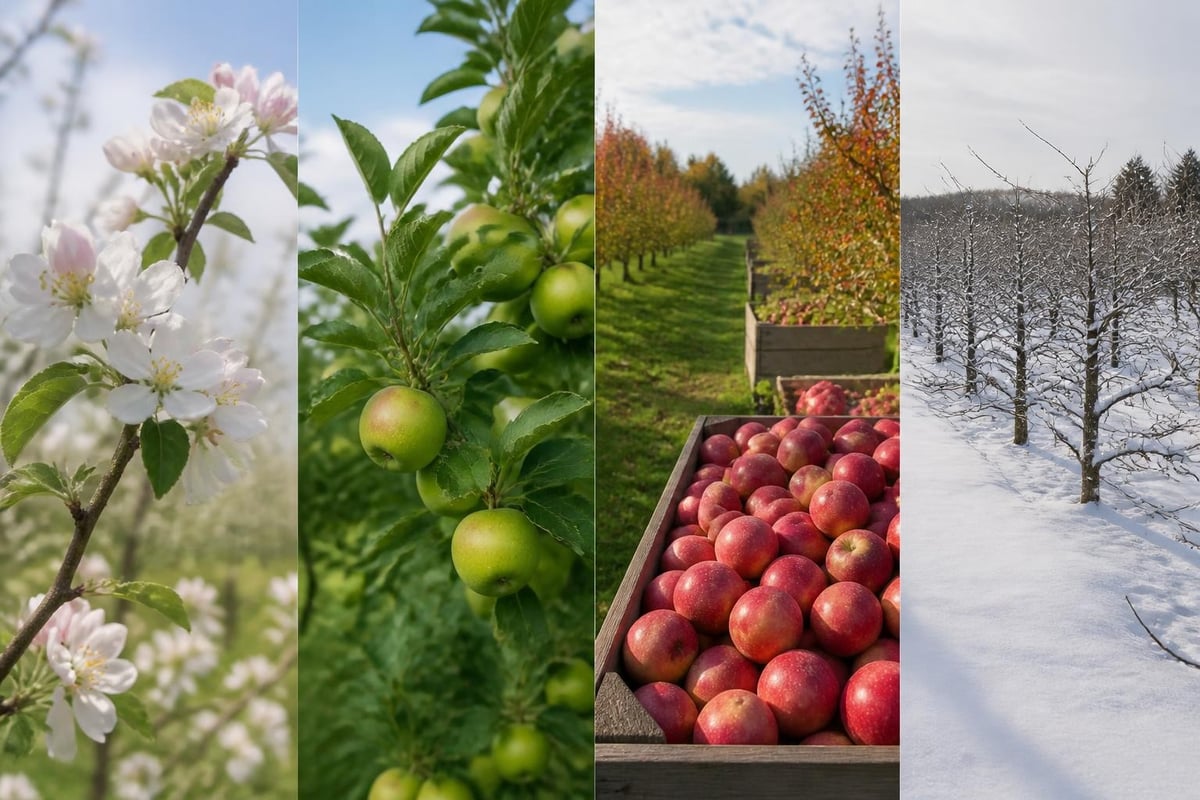
The apple picking season in Maine typically begins in late August and extends through October, with different varieties ripening at staggered intervals. This extended harvest window allows visitors multiple opportunities to experience orchard visits throughout the autumn months.
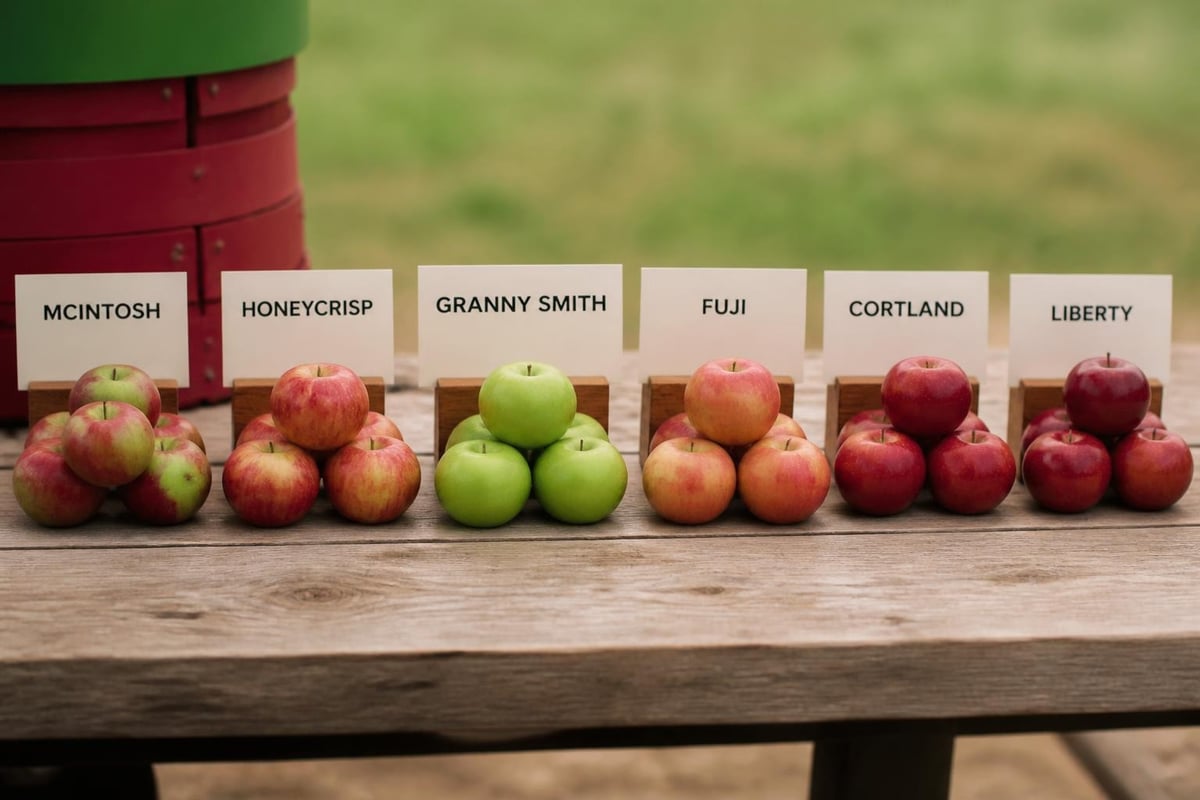
Early-season varieties like Paula Red and Zestar! begin ripening in late August, offering the first taste of fresh Maine apples. September brings the peak season, with popular varieties including Honeycrisp, Gala, and McIntosh reaching perfect ripeness. Late-season apples such as Fuji, Granny Smith, and Northern Spy extend picking opportunities well into October.
Planning Your Visit Timing
Weather patterns significantly influence harvest schedules each year. The 2024 scientific assessment from the Maine Climate Council highlights how spring freeze events and shifting precipitation patterns impact apple bud development and harvest timing, making it essential to confirm picking availability before visiting.
| Month | Early Season | Mid Season | Late Season |
|---|---|---|---|
| August | Paula Red, Zestar! | – | – |
| September | Gala, Honeycrisp | McIntosh, Cortland | – |
| October | – | Empire, Jonagold | Fuji, Granny Smith |
Most orchards post weekly updates on their ripening schedules, and calling ahead ensures you'll find your preferred varieties ready for picking. The Maine Office of Tourism provides seasonal timing information and orchard directories to help plan your agricultural tourism adventures.
Apple Varieties You'll Discover
Maine orchards cultivate an impressive diversity of apple varieties, ranging from classic heritage types to modern hybrids developed for superior flavor and storage qualities. Understanding these varieties enhances your picking experience and helps you select apples perfectly suited to your intended use.
The Maine Apples organization documents the state's most popular cultivars, offering detailed descriptions of flavor profiles, textures, and recommended uses. Many orchards grow 15-25 different varieties, allowing visitors to taste-test and discover new favorites beyond grocery store standards.
Heritage and Heirloom Varieties
Maine's orcharding heritage includes numerous heirloom varieties that predate modern commercial production. These apples often display complex flavors and unique characteristics that reflect centuries of regional adaptation.
- Wolf River: Massive fruit ideal for baking, originating from Wisconsin but thriving in Maine
- Black Oxford: Deep purple skin with cream-colored flesh, excellent keeper
- Wealthy: Early September ripening, excellent for sauce and fresh eating
- Blue Pearmain: Distinctive blue-tinged skin, aromatic and slightly spicy
- Roxbury Russet: America's oldest named apple variety, superior for cider
Modern Commercial Varieties
Contemporary apple breeding programs have produced varieties combining disease resistance, storage longevity, and exceptional eating quality. Research at UMaine’s Highmoor Farm evaluates new cultivars under Maine conditions, helping orchards select varieties that perform reliably in the state's challenging climate.
Top picks for fresh eating:
- Honeycrisp: Explosively crisp texture with balanced sweet-tart flavor
- SweeTango: Early-season with intense sweetness and crunch
- SnapDragon: New York-developed variety gaining popularity in Maine
- Evercrisp: Exceptional storage quality maintaining crispness for months
What to Expect During Your Orchard Visit
Apple picking in Maine offers much more than simply harvesting fruit. Modern orchards have evolved into full-fledged agritourism destinations, providing diverse activities and amenities that create memorable family experiences.
Most pick-your-own operations provide bags or bushels at the entrance, charging by weight or container size. Orchard staff typically offer brief orientations explaining which sections contain ripe fruit, proper picking techniques, and any areas reserved for commercial harvest.
Proper Picking Techniques
Learning correct apple harvesting methods protects the trees and ensures fruit quality. Gentle handling prevents bruising that accelerates spoilage and maintains the orchard's productivity for future seasons.
- Grasp the apple firmly and rotate upward with a slight twist
- Avoid pulling straight down, which can damage fruiting spurs
- Use both hands for large fruit to prevent dropping and bruising
- Place apples gently into containers rather than dropping them
- Pick only what you'll use to minimize food waste
Beyond the Orchard
Many Maine orchards have expanded their offerings to include farm stores, bakeries, cider mills, and educational activities. These amenities transform a simple picking trip into a full day of autumn entertainment.
Farm stores typically stock apple cider, fresh-baked pies, donuts, caramel apples, and other seasonal treats. Some orchards operate working cider presses where visitors can watch fresh apples transformed into sweet cider, with resources from Cornell’s fruit and cider programs helping producers maintain quality and safety standards.
Common orchard amenities include:
- Hayrides through scenic orchard rows
- Corn mazes and pumpkin patches
- Petting zoos with farm animals
- Picnic areas with mountain or valley views
- Educational displays about apple cultivation and history
Maximizing Your Apple Harvest
Successful apple picking involves more than selecting the ripest fruit. Strategic planning ensures you return home with high-quality apples suited to your culinary intentions and storage capabilities.
Consider your planned uses before filling containers. Tart varieties like Granny Smith excel in pies and baking applications where their acidity balances added sugar. Sweeter apples like Gala and Honeycrisp shine for fresh eating and snacking. Varieties with firm flesh such as Cortland resist browning, making them ideal for salads and fruit platters.
Storage and Preservation Guidelines
Proper storage dramatically extends apple freshness, allowing you to enjoy your harvest for weeks or months after picking. Different varieties possess varying storage characteristics, with some lasting only days at room temperature while others keep for six months under ideal conditions.
| Storage Method | Duration | Best Varieties | Key Requirements |
|---|---|---|---|
| Refrigerator | 1-2 months | Most varieties | 32-40°F, high humidity |
| Root cellar | 3-6 months | Northern Spy, Fuji | 30-40°F, 85-95% humidity |
| Freezing | 8-12 months | All varieties | Sliced, treated with lemon juice |
| Dehydrating | 6-12 months | Cortland, Gala | Fully dried, airtight storage |
Inspect stored apples regularly and remove any showing signs of decay, as the old saying "one bad apple spoils the barrel" reflects genuine science-rotting apples release ethylene gas that accelerates ripening in nearby fruit.
Kennebec Valley Apple Picking Opportunities
The Kennebec Valley region offers exceptional apple picking experiences within Maine's broader orchard landscape. The valley's microclimates, fertile river bottomlands, and varied elevations create diverse growing conditions that support numerous apple varieties.
Local orchards in the Kennebec Valley area combine traditional agricultural practices with modern agritourism amenities, welcoming visitors to experience working farms firsthand. Many operations have been family-owned for generations, maintaining heritage varieties alongside contemporary cultivars.
When planning your apple picking adventure in the region, exploring comprehensive resources helps identify orchards matching your preferences for variety selection, amenities, and accessibility. The Digital Guidebook provides detailed information about seasonal agricultural activities and helps travelers discover the valley's diverse farm experiences.
Supporting Local Agriculture
Choosing to pick apples at local orchards directly supports Maine's agricultural economy and preserves working farmland against development pressures. Direct-to-consumer sales through pick-your-own operations provide crucial income for family farms, helping maintain the rural character and scenic landscapes that define Maine's identity.
Beyond economic benefits, visiting working orchards educates consumers about food production realities, seasonal rhythms, and the skill required to cultivate quality fruit. These connections between producers and consumers strengthen community bonds and foster appreciation for agricultural labor.

Essential Tips for a Successful Visit
Preparation enhances your apple picking experience, ensuring comfort, efficiency, and maximum enjoyment. Simple advance planning prevents common frustrations and helps you make the most of your orchard visit.
Dress appropriately for outdoor farm conditions:
- Wear closed-toe shoes with good traction for uneven terrain
- Layer clothing for changing temperatures throughout the day
- Apply sunscreen and insect repellent before arriving
- Bring hats or caps for sun protection during extended picking
- Pack hand wipes or sanitizer for cleaning before tasting
Most orchards operate on a cash-preferred basis, though many now accept credit cards. Calling ahead confirms payment methods, current picking conditions, and whether reservations are required for busy weekends.
Making the Most of Your Harvest
Fresh-picked apples offer incredible culinary versatility beyond simple fresh eating. Planning recipes before your visit helps determine quantities and variety selection for optimal results.
Popular uses for fresh-picked apples:
- Classic apple pie with lattice or crumb topping
- Homemade applesauce seasoned with cinnamon and nutmeg
- Apple butter slow-cooked with spices
- Fresh cider pressed from mixed varieties
- Dehydrated apple chips for healthy snacking
- Apple crisp combining multiple tart varieties
- Savory applications in pork dishes and salads
Many orchards provide recipe cards or suggestions for their specific varieties, helping match apples to appropriate preparations. Mixing varieties often produces more complex flavors in baked goods and sauces than using single cultivars.
Health and Safety Considerations
Apple picking remains a generally safe activity, but awareness of potential hazards ensures everyone enjoys a positive experience. Orchards implement various safety measures, and visitors should follow posted guidelines and staff instructions.
Ladder use presents the primary injury risk in pick-your-own orchards. Many operations now limit ladder availability or provide orchard staff to pick high fruit upon request. If ladders are available, ensure stable placement on level ground and never overreach from your position.
Food Safety and Washing
While the appeal of biting into a just-picked apple is irresistible, proper washing removes field dust, natural coatings, and potential contaminants. All apples should be thoroughly washed before consumption, regardless of organic or conventional growing methods.
Regulatory oversight through Maine Department of Agriculture rules ensures orchards maintain appropriate food safety standards for direct sales operations, but individual consumers bear responsibility for proper handling after purchase.
Complementary Kennebec Valley Activities
Integrating apple picking into a broader Kennebec Valley itinerary creates a rich, multi-dimensional travel experience. The region offers diverse attractions that pair naturally with autumn orchard visits, from outdoor recreation to cultural experiences.
The Kennebec Valley's scenic beauty peaks during fall foliage season, coinciding perfectly with apple harvest. Combining orchard visits with hiking, scenic drives, or river activities maximizes your time in this picturesque region. Planning resources available through Kennebec Valley Tourism Council help coordinate multiple activities into cohesive itineraries.
Seasonal Event Coordination
Many orchards host special events throughout picking season, including harvest festivals, cider pressing demonstrations, and educational programs. Coordinating your visit with these events adds educational value and entertainment beyond simple fruit picking.
Fall festivals often feature live music, craft vendors, food trucks, and children's activities, transforming orchard visits into community celebrations. Checking event calendars before planning your trip helps identify unique opportunities that align with your travel dates.
Economic and Environmental Impact
Understanding the broader significance of apple picking in Maine provides context for this beloved activity. Supporting local orchards through agritourism visits contributes to environmental conservation, economic sustainability, and cultural preservation.
Pick-your-own operations generate essential income that helps family farms remain viable against economic pressures favoring consolidation and development. These working landscapes provide critical ecosystem services including pollinator habitat, water filtration, and carbon sequestration beyond their food production value.
Purchasing locally grown apples reduces transportation-related carbon emissions compared to fruit shipped from distant growing regions. The environmental footprint of apples picked and consumed within Maine remains substantially lower than commercially distributed alternatives, particularly for organic operations minimizing synthetic inputs.
Preserving Agricultural Heritage
Maine's orchard landscape represents living agricultural history, with some operations maintaining trees planted over a century ago. These heritage orchards preserve genetic diversity and cultivation knowledge that might otherwise disappear as agriculture industrializes.
Visitor support through pick-your-own revenue helps ensure the next generation sees value in continuing family farming traditions. Each bushel picked represents not just fruit purchased, but an investment in maintaining Maine's agricultural character and rural communities.
Finding Current Information
Apple picking conditions change weekly as varieties ripen and weather influences harvest progression. Accessing current information ensures you arrive when your preferred apples are at peak readiness and orchards are open for picking.
The Press Herald’s seasonal apple guide provides updated listings and reporting on orchard conditions throughout Maine, offering valuable statewide perspective on harvest progression and notable picking destinations.
Social media has become an essential tool for orchard communication, with most operations posting daily or weekly updates about ripening varieties, picking availability, and special events. Following your intended destinations on Facebook or Instagram provides real-time information more current than website updates.
Information sources to check before visiting:
- Individual orchard websites and social media accounts
- Local agricultural extension offices
- Regional tourism organizations
- Farm organization listings and directories
- Weather forecasts for picking day conditions
Calling orchards directly remains the most reliable method for confirming current conditions, available varieties, and any special requirements like reservations or group size limitations. Staff can provide personalized recommendations based on your specific interests and intended uses.
Extending the Apple Experience
The pleasure of apple picking in Maine need not end when you leave the orchard. Numerous activities and traditions extend the apple harvest experience throughout autumn and beyond, creating lasting memories and seasonal rituals.
Preserving apples through canning, freezing, or drying allows you to enjoy your harvest for months after picking season concludes. Home cider making has gained popularity, with simple presses and mills available for enthusiasts wanting to create custom blends from multiple varieties.
Educational opportunities abound for those interested in deepening their pomological knowledge. Many orchards offer workshops on topics including pruning, grafting, variety selection, and home orchard establishment. These programs transform casual visitors into informed enthusiasts who might eventually plant their own apple trees.
Apple picking in Maine offers a perfect blend of outdoor recreation, agricultural education, and seasonal celebration that captures autumn's essence. The Kennebec Valley's diverse orchards, stunning landscapes, and complementary attractions create ideal conditions for memorable family experiences and agricultural tourism. Whether you're seeking heritage varieties, modern cultivars, or simply a beautiful autumn day outdoors, the region delivers exceptional opportunities to connect with Maine's farming heritage. Discover everything the Kennebec Valley has to offer and plan your perfect seasonal getaway with resources and guidance from Kennebec Valley Tourism Council.