

Maine offers travelers an extraordinary blend of coastal beauty, mountain wilderness, and vibrant cultural experiences that few destinations can match. Whether you're seeking adrenaline-pumping outdoor adventures, peaceful scenic drives, or authentic New England charm, the Pine Tree State delivers year-round opportunities for exploration and discovery. From the rugged Atlantic coastline to the pristine forests of the interior, activities to do in Maine span every season and interest level, making it an ideal destination for families, couples, and solo adventurers alike. To view our official visitors guide click here.
Coastal Adventures and Maritime Experiences
Maine's 3,500 miles of coastline create endless possibilities for water-based activities and seaside exploration. The state's maritime heritage remains alive through authentic fishing villages, historic lighthouses, and working harbors that welcome visitors year-round.
Lighthouse Tours and Coastal Walks
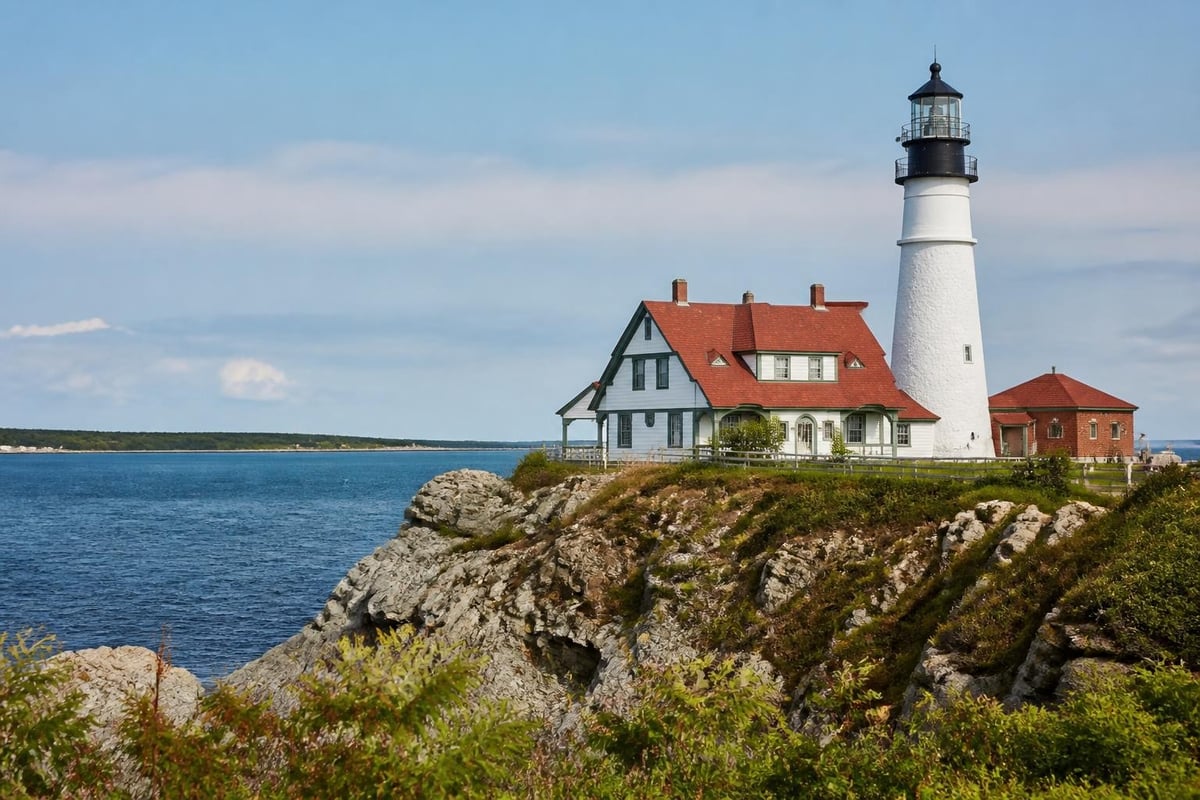
Lighthouse enthusiasts will find over 65 beacons dotting Maine's rocky shores, each with its own story and architectural character. The iconic Portland Head Light, commissioned by George Washington in 1791, stands as one of the most photographed landmarks in New England. Visitors can explore the surrounding Fort Williams Park, which offers walking trails, picnic areas, and stunning ocean vistas.
Beyond the well-known sites, Maine’s lighthouse trail includes hidden gems like Pemaquid Point Light, where dramatic rock formations create perfect photography opportunities. The attached Fishermen's Museum provides insights into maritime history and the lives of lighthouse keepers.
Kayaking and Water Sports
Sea kayaking ranks among the most popular activities to do in Maine for those seeking intimate encounters with coastal ecosystems. Guided tours through protected bays and harbors allow paddlers to observe seals, seabirds, and occasionally porpoises in their natural habitats.
- Casco Bay offers sheltered waters perfect for beginners
- Acadia National Park provides challenging routes along granite cliffs
- Kennebec River features whitewater rafting for adrenaline seekers
- Moosehead Lake delivers pristine flatwater paddling experiences
The Kennebec River corridor particularly stands out for world-class whitewater rafting, with releases from Harris Station Dam creating Class III to Class V rapids during peak season. Multiple outfitters operate along the river, offering full-day and half-day trips suitable for various skill levels.
Mountain Recreation and Wilderness Exploration
Maine's interior regions showcase a different character, with vast forests, mountain ranges, and thousands of lakes creating paradise for outdoor enthusiasts. These areas provide solitude and natural beauty that contrast sharply with the bustling coastal towns.
Hiking and Trail Systems
The state maintains over 1,400 miles of marked hiking trails, ranging from easy nature walks to challenging mountain ascents. Acadia National Park’s trail network includes unique iron-rung pathways that climb vertical cliff faces, offering unparalleled ocean views as rewards for the effort.
| Trail Difficulty | Best Locations | Season | Typical Duration |
|---|---|---|---|
| Easy | Carriage Roads, Nature Centers | April-November | 1-2 hours |
| Moderate | Tumbledown Mountain, Pleasant Mountain | May-October | 3-4 hours |
| Difficult | Mount Katahdin, Bigelow Range | June-September | 6-8 hours |
| Expert | Knife Edge, Mahoosuc Notch | July-August | 8-12 hours |
Mount Katahdin, Maine's highest peak at 5,267 feet, serves as the northern terminus of the Appalachian Trail. The challenging ascent via the Knife Edge route tests even experienced hikers with exposed scrambling across a narrow ridge with thousand-foot drops on both sides.
For those exploring winter trails, Maine transforms into a snow-covered wonderland offering cross-country skiing, snowshoeing, and winter hiking opportunities. The state's Nordic ski centers maintain hundreds of miles of groomed trails through peaceful forest settings.
Wildlife Viewing and Nature Photography
Activities to do in Maine extend beyond physical recreation to include exceptional wildlife observation opportunities. The state's diverse habitats support moose, black bears, bald eagles, and over 330 bird species, making it a premier destination for nature photographers and wildlife enthusiasts.
Moose safaris operate throughout the northern regions, with early morning and dusk hours providing the highest success rates for sightings. The Moosehead Lake region particularly excels for moose viewing, where these massive animals frequently feed in roadside ponds and marshes.
Birdwatchers flock to Maine during migration seasons, when coastal mudflats and inland wetlands host thousands of shorebirds and waterfowl. The Maine Coastal Islands National Wildlife Refuge protects crucial nesting sites for Atlantic puffins, Arctic terns, and other seabirds, with boat tours offering seasonal viewing opportunities.
Cultural Attractions and Heritage Sites
Maine's cultural landscape reflects its rich history as a maritime power, industrial center, and artistic community. Museums, galleries, and historic sites throughout the state provide context for understanding New England's development and contemporary culture.
Museums and Historical Landmarks
The Maine State Museum in Augusta presents comprehensive exhibits covering 12,000 years of human history in the region, from Native American settlements through industrial development. Interactive displays engage visitors with topics ranging from natural history to manufacturing heritage.
- Portland Museum of Art houses significant American and European collections
- Owls Head Transportation Museum showcases vintage aircraft and automobiles
- Maine Maritime Museum explores shipbuilding traditions
- Sabbathday Lake Shaker Village preserves active religious community
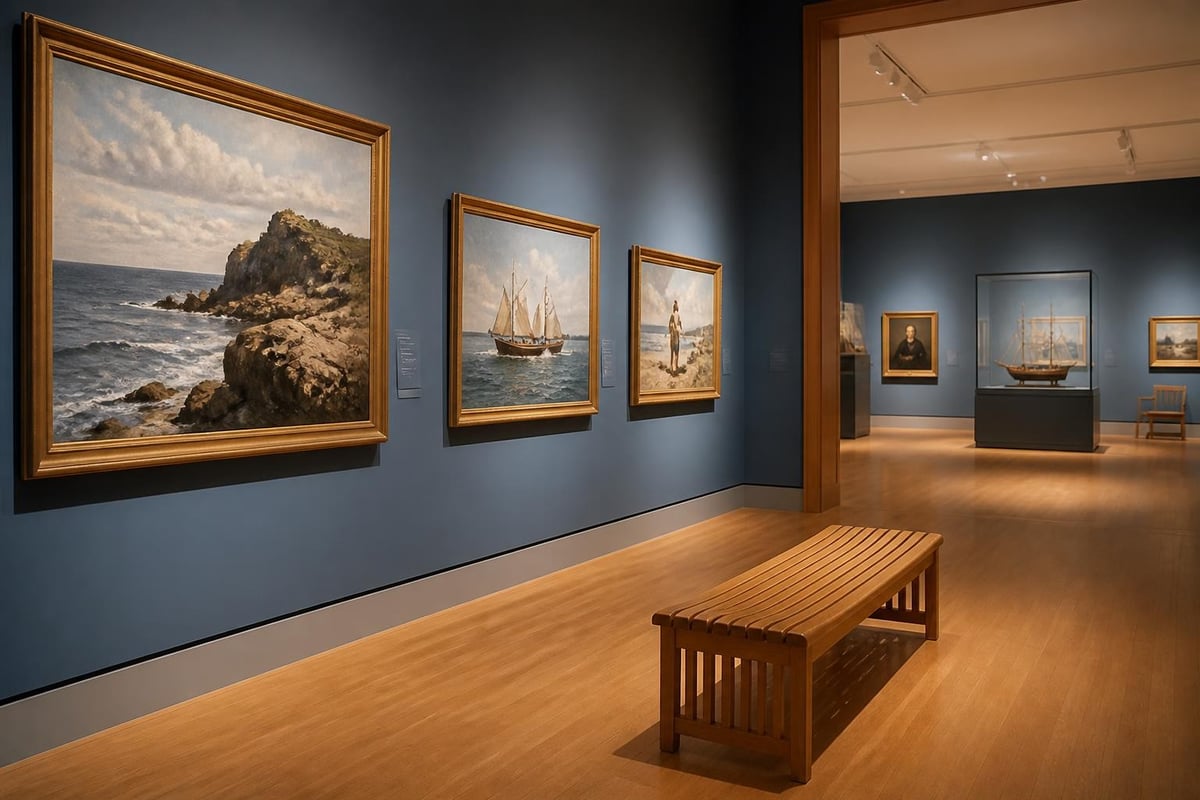
Historic house museums scattered across the state offer glimpses into different eras of Maine life. The Victoria Mansion in Portland exemplifies Italian Villa-style architecture with intact original interiors from the 1860s, while the Wadsworth-Longfellow House tells the story of Maine's most famous poet.
Arts and Crafts Communities
Maine has cultivated a thriving arts scene that draws creative professionals from around the world. The state's natural beauty inspires painters, sculptors, craftspeople, and performing artists who contribute to a vibrant cultural ecosystem.
Rockland's Farnsworth Art Museum celebrates American art with particular emphasis on Maine connections, including works by Andrew Wyeth, Louise Nevelson, and other artists who found inspiration in the state's landscapes. The museum's Wyeth Center occupies a renovated church building dedicated entirely to three generations of this artistic family.
Gallery districts in Portland, Rockland, and Bar Harbor feature contemporary works alongside traditional crafts. Pottery studios, woodworking shops, and textile artists welcome visitors to observe creative processes and purchase unique handmade items that reflect Maine's artistic heritage.
Seasonal Activities and Special Events
The changing seasons dramatically transform the available activities to do in Maine, with each period offering distinct experiences and attractions. Understanding seasonal variations helps travelers plan visits that align with their interests and preferred activities.
Summer Recreation and Festivals
Summer represents peak season for most Maine tourism, when warm weather enables the full range of outdoor activities. Beach towns come alive with visitors seeking sun, surf, and seafood, while inland regions offer relief from coastal crowds.
Summer festivals celebrate everything from lobsters to blueberries, with communities hosting weekly farmers markets, concerts, and cultural events. The Maine Lobster Festival in Rockland attracts thousands of visitors for five days of seafood, entertainment, and carnival attractions each August.
Water temperatures reach their peak in late July and August, making swimming, surfing, and paddleboarding most comfortable during these months. However, even summer water temperatures rarely exceed 65 degrees Fahrenheit, so wetsuits remain popular among serious water sports enthusiasts.
Fall Foliage and Harvest Celebrations
Maine's autumn foliage rivals any destination in North America, with hardwood forests transforming into brilliant displays of red, orange, and gold. Peak foliage typically occurs from late September through mid-October, varying by elevation and latitude.
Scenic drives through western Maine's mountains offer spectacular viewing opportunities, with routes like Route 17 through Coos Canyon providing continuous visual drama. Planning resources at Visit Kennebec Valley help travelers time their visits to coincide with peak color conditions.
| Activity Type | Peak Season | Notable Locations | Planning Tips |
|---|---|---|---|
| Foliage Viewing | Sept 25-Oct 15 | Route 17, Grafton Notch | Weekdays less crowded |
| Apple Picking | Sept 1-Oct 31 | Orchards statewide | Call ahead for availability |
| Harvest Festivals | September-October | Farm communities | Reserve lodging early |
| Photography | Early October | Mountain regions | Dawn light optimal |
Farm stands and agricultural operations welcome visitors during harvest season, offering pick-your-own opportunities for apples, pumpkins, and other seasonal produce. These authentic experiences connect travelers with Maine's agricultural traditions and provide fresh, local ingredients for meals.
Winter Sports and Cold-Weather Adventures
Winter activities transform Maine into a snowy playground for skiers, snowboarders, and winter sports enthusiasts. The state operates 18 alpine ski areas, ranging from family-friendly community hills to challenging mountain resorts with extensive terrain.
Sunday River and Sugarloaf rank as Maine's premier destination ski resorts, offering hundreds of acres of skiable terrain, modern lift systems, and extensive snowmaking capabilities. These resorts typically operate from mid-November through April, with February and March providing the most reliable snow conditions.
Ice fishing gains popularity as lakes freeze solid, with anglers setting up heated shelters and spending entire days pursuing salmon, trout, and other cold-water species. Moosehead Lake, Sebago Lake, and numerous smaller waters produce excellent winter fishing, though participants must understand ice safety protocols and obtain proper licenses.
Urban Experiences and City Attractions
Maine's cities combine historic architecture with contemporary culture, creating urban environments that maintain small-town friendliness while offering sophisticated dining, shopping, and entertainment options. These population centers serve as excellent base camps for exploring surrounding regions.
Portland's Thriving Food Scene
Portland has emerged as one of America's most celebrated food destinations, with more restaurants per capita than any other U.S. city. The culinary scene emphasizes local ingredients, creative preparations, and diverse international influences that reflect Maine's heritage and contemporary culture.
The Old Port district concentrates dozens of restaurants, bars, and cafes within walking distance along cobblestone streets and waterfront wharves. James Beard Award winners and nominees operate multiple establishments here, serving everything from classic Maine lobster rolls to innovative fusion cuisine.
Brewery tours represent another popular urban activity, with Portland supporting over 20 craft breweries within city limits. These operations range from tiny nanobreweries to regional production facilities, most offering tasting rooms and tours that showcase Maine's thriving craft beverage industry.

Augusta and the Kennebec Valley
The state capital region offers activities to do in Maine that blend governmental history with outdoor recreation and small-town charm. The Maine State House, completed in 1832, welcomes visitors for free guided tours that explore the building's architecture and the state's political history.
The Kennebec River corridor through Augusta and surrounding communities provides excellent opportunities for kayaking, fishing, and riverside walking trails. Exploring unique experiences in this region reveals hidden gems often overlooked by visitors focused exclusively on coastal destinations.
Old Fort Western, a 1754 wooden fort on the Kennebec River, stands as the oldest surviving wooden fort in North America. Living history demonstrations during summer months transport visitors to colonial times, with costumed interpreters demonstrating 18th-century crafts and military drills.
Culinary Tourism and Local Food Traditions
Maine's food culture extends far beyond the ubiquitous lobster, though seafood certainly plays a starring role in the state's culinary identity. Local ingredients, traditional preparations, and innovative chefs combine to create memorable dining experiences throughout the region.
Farm-to-Table Dining Experiences
The farm-to-table movement finds natural expression in Maine, where short growing seasons and passionate farmers produce exceptional quality ingredients. Restaurants throughout the state build menus around seasonal availability, often sourcing produce, meat, and dairy from farms within 50 miles of their kitchens.
Farmers markets operate in virtually every Maine community during growing season, offering visitors direct access to artisan cheeses, organic vegetables, grass-fed meats, and specialty products. These markets double as social gatherings where locals and visitors mingle while shopping for dinner ingredients.
Several farms welcome visitors for tours, tastings, and educational programs that illuminate agricultural practices and challenges. Dairy farms, maple syrup producers, and vegetable growers offer varying levels of visitor access, from simple farm stands to elaborate agritourism operations with restaurants and overnight accommodations.
Seafood Traditions and Lobster Culture
No discussion of activities to do in Maine would be complete without addressing the state's seafood heritage. Lobster shacks line the coast, serving the freshest possible crustaceans in casual settings where paper plates and picnic tables are the norm.
Lobster boat tours combine sightseeing with education, as working fishermen explain trap construction, harvesting techniques, and sustainable management practices while checking their gear. Participants often handle live lobsters and learn to distinguish legal-sized keepers from undersized juveniles that must be returned to the ocean.
Clam digging remains legal on many Maine beaches for visitors who obtain recreational licenses. Low tides expose mudflats where soft-shell clams burrow beneath the surface, waiting to be harvested with specialized rakes and buckets. Several communities offer clamming workshops that teach proper techniques and identification skills.
Family-Friendly Activities and Educational Opportunities
Maine welcomes families with children of all ages, offering activities that combine entertainment with learning. The state's natural environment provides an outdoor classroom where young people can develop appreciation for ecology, history, and physical activity.
Amusement Parks and Recreation Centers
Funtown Splashtown USA in Saco operates Maine's largest amusement park, featuring roller coasters, water slides, and family rides spread across 100 acres. The facility opens weekends in May before transitioning to daily operations during summer vacation months.
Coastal Kayaking's paddling programs offer family-friendly tours through protected waters, where even young children can safely experience Maine's marine environments. Experienced guides adjust routes and pacing to accommodate various skill levels, ensuring everyone enjoys the adventure.
Indoor attractions provide rainy-day alternatives and educational enrichment. The Maine Discovery Museum in Bangor offers three floors of interactive exhibits designed for children, covering topics from music to nature to human anatomy through hands-on learning stations.
Educational Programs and Nature Centers
Nature centers throughout Maine operate programs that introduce visitors to regional ecology and wildlife. The resources available help families identify educational opportunities that align with their travel routes and interests.
- Maine Wildlife Park rehabilitates injured animals while educating visitors
- Wells Reserve offers guided walks through diverse coastal habitats
- Mount Desert Oceanarium explores marine biology and lobstering history
- L.C. Bates Museum presents natural history collections in historic setting
Junior Ranger programs at Acadia National Park engage children with activity booklets that encourage exploration and learning throughout their visits. Completing program requirements earns participants official badges and certificates, creating lasting memories of their Maine adventures.
Planning Your Maine Adventure
Successful trips require advance planning that considers seasonal variations, regional differences, and personal interests. Maine's geography spans 35,000 square miles, making it impossible to experience everything in a single visit.
Transportation and Accessibility
Portland International Jetport serves as the primary air gateway, with direct flights from major East Coast and Midwest cities. Rental cars become essential for most visitors, as public transportation remains limited outside Portland's metro area.
Scenic drives connect major destinations, with detailed driving routes helping travelers maximize their time while enjoying Maine's beautiful landscapes. Route 1 follows the coast for over 300 miles, passing through dozens of charming towns and offering constant ocean views.
Summer traffic along coastal routes can test patience, particularly on weekends and during August. Planning travel for early mornings or considering alternate routes through interior regions helps avoid the worst congestion.
Accommodation Options and Booking Strategies
Maine offers diverse lodging options ranging from rustic camping to luxury resorts, with choices reflecting every budget and preference level. Coastal towns command premium rates during summer, while inland regions and shoulder seasons provide better values.
| Lodging Type | Price Range | Best For | Booking Timeline |
|---|---|---|---|
| Campgrounds | $25-60/night | Outdoor enthusiasts | 2-3 months ahead |
| Motels | $80-150/night | Budget travelers | 1-2 months ahead |
| Inns/B&Bs | $150-300/night | Romantic getaways | 2-4 months ahead |
| Resort Hotels | $200-500/night | Full-service stays | 3-6 months ahead |
Peak season reservations should be made as early as possible, particularly for popular coastal destinations and weekends during foliage season. Many properties enforce minimum stay requirements during high-demand periods, typically requiring two or three-night commitments.
Maine's incredible diversity of experiences ensures that every visitor discovers activities perfectly matched to their interests and abilities. Whether you're drawn to coastal adventures, mountain wilderness, cultural attractions, or culinary experiences, the Pine Tree State delivers authentic New England charm alongside world-class recreational opportunities. The Kennebec Valley Tourism Council provides expert guidance and comprehensive resources to help you plan an unforgettable Maine adventure that showcases the region's vibrant cities, scenic landscapes, and unique seasonal events.