

Maine offers travelers an unmatched combination of rugged coastal beauty, pristine wilderness, and authentic New England charm. Whether you’re drawn to lighthouse-dotted shores, dense forests, or vibrant cultural scenes, the Pine Tree State delivers experiences that linger long after your return home. When you plan a trip to Maine, you’re investing in memories that span from sunrise ocean views to evenings filled with fresh lobster and local craft beverages. The key to maximizing your Maine adventure lies in thoughtful preparation that accounts for seasonal variations, regional diversity, and the wealth of activities available across this remarkable state. To view our official visitors guide click here.
Understanding Maine’s Distinct Regions
Maine spans over 35,000 square miles, making regional knowledge essential when you plan a trip to Maine. The state divides naturally into several distinct areas, each offering unique characteristics and attractions.
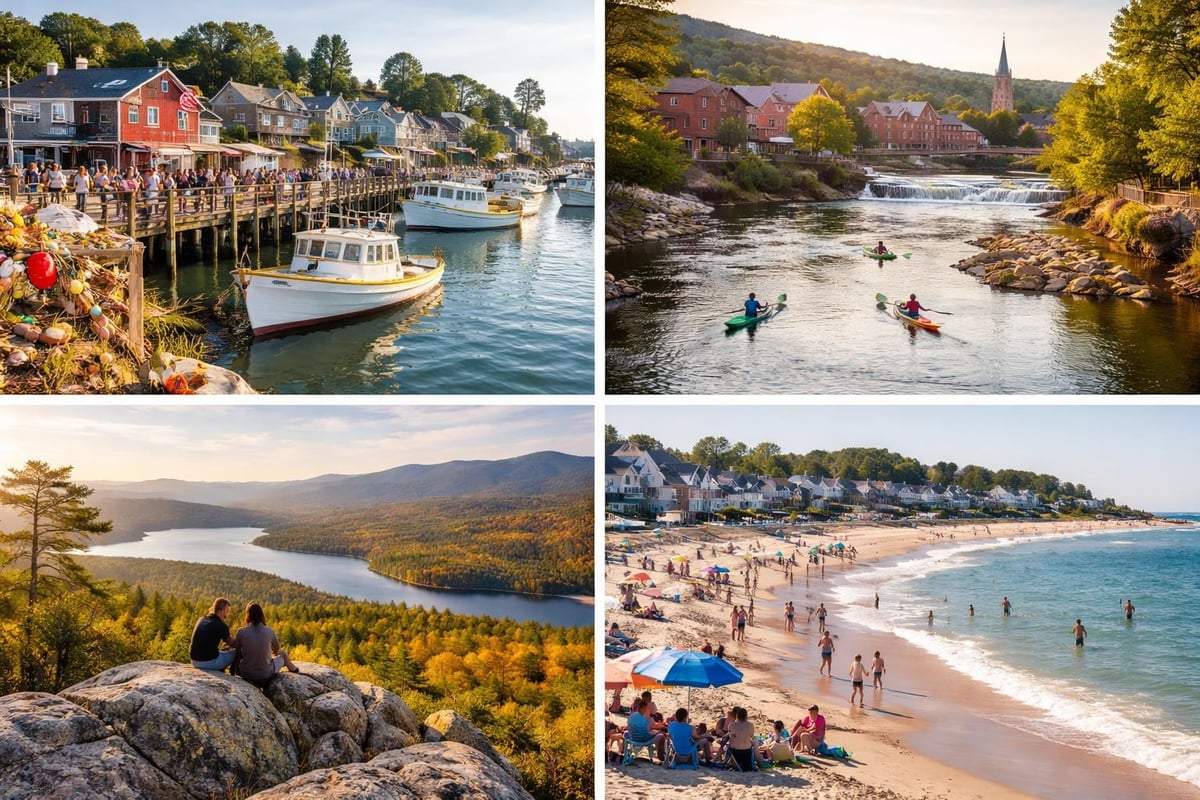
The Midcoast region captivates visitors with its rocky shoreline, working harbors, and maritime heritage. Towns like Bath, home to the Maine Maritime Museum, showcase centuries of shipbuilding tradition. Meanwhile, the Kennebec Valley presents a different face of Maine entirely.
The Kennebec Valley Advantage
Central Maine’s Kennebec Valley combines natural beauty with accessibility. This region stretches along the Kennebec River, offering whitewater rafting, hiking trails, and charming communities that reflect authentic Maine culture. When you explore the Kennebec Valley’s cities, you discover Augusta’s historic capitol district and Waterville’s thriving arts scene.
The valley’s rivers and lakes provide year-round recreation, while its small towns maintain the character that makes Maine special. Unlike coastal tourist hubs, this region offers genuine local interactions and competitive pricing on lodging and dining.
Selecting Your Optimal Travel Season
Timing significantly impacts your Maine experience. Each season transforms the landscape and determines which activities become available.
Spring (April-May) brings awakening nature and fewer crowds. Rivers run high from snowmelt, creating prime conditions for whitewater rafting. Temperatures range from 45°F to 65°F, requiring layered clothing. Black fly season peaks in late May, so pack insect repellent.
Summer (June-August) represents peak season when temperatures reach 70°F to 80°F. Coastal towns bustle with activity, and all attractions operate at full capacity. Book accommodations months in advance, especially for July and August weekends. The Maine Tourism Association provides a free travel planner that helps coordinate summer visits.
Fall (September-October) showcases spectacular foliage as maple, birch, and oak trees transform into brilliant reds, oranges, and yellows. The Kennebec Valley’s fall foliage typically peaks in early October. Temperatures cool to 50°F to 65°F, creating comfortable hiking conditions with dramatically reduced crowds.
Winter (November-March) appeals to snow sports enthusiasts and those seeking solitude. Skiing, snowmobiling, and ice fishing dominate winter activities. Many coastal attractions close seasonally, but inland regions remain vibrant.
|
Season |
Temperature Range |
Crowd Level |
Best Activities |
Booking Timeline |
|---|---|---|---|---|
|
Spring |
45°F – 65°F |
Low |
Rafting, Wildlife |
1-2 months ahead |
|
Summer |
70°F – 80°F |
High |
Beaches, Festivals |
3-4 months ahead |
|
Fall |
50°F – 65°F |
Moderate |
Foliage, Hiking |
2-3 months ahead |
|
Winter |
20°F – 35°F |
Low |
Skiing, Snowmobiling |
1 month ahead |
Crafting Your Maine Itinerary
Successful trip planning balances ambition with realism. Maine’s geographic spread means driving times add up quickly.
Duration Considerations
A three-day weekend allows exploration of one region, perhaps the Kennebec Valley with its concentrated attractions. Five to seven days enables visiting two regions, combining coastal experiences with inland adventures. Ten days or more permits comprehensive exploration, including remote areas like Moosehead Lake or Gulf Hagas, known as the “Grand Canyon of Maine.”
When you plan a trip to Maine for the first time, resist the urge to cover excessive ground. Portland to Bar Harbor requires nearly three hours of driving. Add the Kennebec Valley, western mountains, and Downeast Maine, and you’ll spend more time in your vehicle than experiencing destinations.
Building Your Daily Schedule
Structure each day around one primary activity or destination, then add flexibility for spontaneous discoveries. Morning hours suit outdoor activities when temperatures remain comfortable and lighting favors photography. Afternoon visits to museums, galleries, or towns work well, especially during summer heat. Evenings provide opportunities for dining experiences and cultural events.
The official Maine government planning resources offer detailed maps showing driving distances between major attractions, helping you gauge realistic daily movement.
Outdoor Adventure Planning
Maine’s natural landscape supports countless outdoor pursuits. When you plan a trip to Maine centered on outdoor activities, matching your skill level with appropriate challenges ensures safety and enjoyment.
Water-Based Activities
The Kennebec River delivers some of New England’s most exciting whitewater rafting. Spring runoff creates Class IV and V rapids, while summer flows moderate to Class III, suitable for families. Multiple professional outfitters provide guided trips, equipment, and transportation.
Kayaking opportunities range from protected lake paddles to ambitious coastal expeditions along the Maine Island Trail, a 375-mile water trail connecting over 200 islands. Sea kayaking requires proper skills and safety equipment, making guided tours advisable for beginners.

Fishing enthusiasts find abundant opportunities in both freshwater and saltwater environments. Brook trout, landlocked salmon, and bass populate inland waters, while striped bass and bluefish patrol the coast. Verify that you have the proper licenses before casting a line.
Trail Experiences
Maine maintains thousands of miles of hiking trails across difficulty levels:
-
Easy trails like nature center walks and waterfront paths suit families with young children
-
Moderate hikes including forest loops and small mountain ascents challenge without overwhelming
-
Difficult trails such as sections of the Appalachian Trail or Katahdin approaches demand fitness and experience
Spring hiking requires waterproof boots due to muddy conditions. Summer brings biting insects, making long sleeves and insect repellent essential despite warm temperatures. Fall offers peak conditions with comfortable temperatures and stunning scenery.
Cultural and Historical Exploration
Beyond natural attractions, Maine offers rich cultural experiences. Museums, galleries, historic sites, and festivals provide windows into the state’s heritage and contemporary creativity.
Maritime Heritage
Maine’s identity connects inextricably to the sea. Shipbuilding, fishing, and coastal trade shaped communities for generations. The Maine Maritime Museum preserves this legacy through exhibits, historic vessels, and waterfront displays.
Lighthouse tours dot the coast, each structure telling stories of maritime navigation and coastal life. Some lighthouses permit interior visits, while others require photography from adjacent grounds.
Arts and Crafts Scene
Maine attracts artists drawn to its light, landscapes, and lifestyle. Galleries showcase everything from traditional maritime paintings to contemporary installations. Summer art festivals, including craft shows and studio tours, allow direct interaction with creators.
The Kennebec Valley hosts events like Maine Quilts 2026, celebrating regional artisanship and creative traditions. These gatherings provide authentic cultural immersion beyond typical tourist experiences.
Local Festivals and Events
Community festivals celebrate Maine’s agricultural heritage, ethnic diversity, and seasonal transitions. Lobster festivals, agricultural fairs, music festivals, and holiday celebrations occur throughout the year. Check Visit Maine’s trip ideas for current event calendars when finalizing your travel dates.
Practical Travel Logistics
Successful Maine trips require attention to transportation, accommodations, and dining reservations.
Transportation Options
Most visitors arrive by car, either driving their own vehicle or renting at Portland International Jetport. Driving provides maximum flexibility for exploring dispersed attractions and rural areas. Highway conditions remain excellent, though winter travel demands experience with snow driving.
Bus service connects major towns, while regional airports serve travelers heading to remote destinations. Visit Maine’s planning resources detail transportation options including ferry schedules for island access.
Accommodation Strategies
Maine offers diverse lodging from luxury resorts to rustic campgrounds:
-
Hotels and motels cluster near cities and major attractions, providing reliable amenities
-
Bed and breakfasts offer personalized service and local insights in residential settings
-
Vacation rentals suit families or groups seeking space and kitchen facilities
-
Campgrounds range from primitive sites to RV parks with full hookups
Book summer accommodations by April for best selection and rates. Fall foliage season requires similar advance planning, while spring and winter offer more spontaneity.
|
Lodging Type |
Price Range |
Best For |
Booking Window |
|---|---|---|---|
|
Luxury Resorts |
$300-$600/night |
Couples, Special Occasions |
4-6 months |
|
Mid-Range Hotels |
$120-$250/night |
Families, Business |
2-3 months |
|
B&Bs |
$100-$200/night |
Couples, Cultural Experience |
2-3 months |
|
Vacation Rentals |
$150-$400/night |
Groups, Extended Stays |
3-4 months |
|
Campgrounds |
$25-$75/night |
Outdoor Enthusiasts |
1-2 months |
Dining Reservations
Popular restaurants fill quickly during peak season. Coastal seafood restaurants, farm-to-table establishments, and brewpubs attract crowds. Make reservations for any restaurant mentioned in travel guides or ranked highly on review platforms. The Kennebec Valley offers excellent dining with less competition for tables compared to coastal hotspots.
Health and Safety Considerations
When you plan a trip to Maine, addressing health and safety enhances your experience and prevents problems.
Outdoor Safety Protocols
Maine’s wilderness demands respect. Weather changes rapidly, especially in mountains and along the coast. Carry layers regardless of forecast, pack extra food and water on hikes, and inform someone of your itinerary when heading into backcountry.
Wildlife encounters, though rare, require awareness. Black bears inhabit forested areas. Moose crossings create serious driving hazards, particularly at dawn and dusk. The Maine CDC offers tips for staying safe while traveling, including seasonal health precautions.
Tick Prevention
Deer ticks carrying Lyme disease populate Maine’s forests and grasslands. Preventive measures include:
-
Wearing long pants and sleeves when hiking
-
Applying EPA-approved insect repellent
-
Walking center trail to avoid brush contact
-
Conducting thorough tick checks after outdoor activities
-
Showering within two hours of coming indoors
Water Safety
Ocean swimming requires understanding of tides, currents, and water temperature. Even summer ocean temperatures rarely exceed 65°F, causing hypothermia risk during extended exposure. Freshwater lakes warm considerably but still demand swimming skills and supervision of children.
Budget Planning and Cost Management
Maine accommodates various budget levels through strategic planning.
Cost Categories
Transportation costs depend on distance traveled and vehicle efficiency. Accommodations represent the largest expense, varying dramatically by season and location. Dining ranges from inexpensive lobster rolls at roadside stands to upscale restaurant experiences exceeding $100 per person.
Activities span free options like hiking and beach visits to paid experiences including guided tours, museum admissions, and adventure sports. Average daily costs per person range from $100 for budget travelers staying in campgrounds and cooking meals to $400+ for luxury accommodations and fine dining.
Money-Saving Strategies
-
Visit during shoulder seasons when lodging rates drop 30-50%
-
Book accommodations with kitchen facilities to reduce dining costs
-
Explore public reserved lands offering free recreation
-
Purchase combination passes for multiple attractions
-
Shop at farmers markets and local grocers rather than tourist-oriented stores
Packing Essentials for Maine Travel
Appropriate gear ensures comfort across Maine’s variable conditions. When you plan a trip to Maine, your packing list should reflect seasonal requirements and planned activities.
Clothing basics include layers for temperature variation, waterproof outer shell, comfortable walking shoes, and sun protection. Even summer evenings cool significantly, especially near water.
Outdoor equipment varies by activities but commonly includes:
-
Daypack for carrying water, snacks, and extra layers
-
Reusable water bottles
-
Sunscreen and insect repellent
-
Basic first aid supplies
-
Headlamp or flashlight
-
Camera and extra batteries
Special considerations include binoculars for wildlife viewing, fishing gear if pursuing that activity, and beach accessories for coastal visits.
Maximizing Your Maine Experience
Small details elevate good trips into exceptional experiences.
Local Interaction
Maine natives offer genuine friendliness, particularly outside tourist corridors. Strike up conversations with shopkeepers, restaurant staff, and locals at community events. Their recommendations often reveal hidden gems absent from guidebooks.
Flexibility and Spontaneity
While planning provides structure, allow room for unexpected discoveries. That unmarked dirt road might lead to a stunning viewpoint. The hand-painted sign advertising fresh produce could introduce you to incredible strawberries. Balance itinerary adherence with openness to serendipity.
Photography Opportunities
Maine’s visual splendor deserves documentation. Golden hour lighting transforms coastal scenes and mountain vistas. Fog creates atmospheric conditions along the shore. Autumn foliage photographs best under slightly overcast skies that prevent harsh shadows.
Sustainable Travel Practices
Support local businesses, respect trail etiquette, and practice Leave No Trace principles. Maine’s beauty persists through collective stewardship. Carry out all trash, stay on designated trails, and choose tour operators demonstrating environmental responsibility.
Regional Food Experiences
Maine’s culinary scene extends far beyond lobster. When you plan a trip to Maine, building meals around local ingredients and regional specialties creates memorable experiences.
Seafood Traditions
Lobster preparation varies from simple steamed presentations to elaborate dishes incorporating cream, butter, and herbs. Lobster rolls divide into two camps: Maine-style with mayonnaise or Connecticut-style with butter. Clam chowder, fried clams, mussels, and scallops showcase additional coastal bounty.
Farm-to-Table Movement
Maine’s agricultural renaissance brings exceptional produce, artisanal cheeses, and craft beverages to restaurant tables. Farmers markets operate throughout summer, offering direct access to growers. The state’s dairy farms produce award-winning cheeses, while orchards yield apples, blueberries, and other fruits.
Craft Beverage Scene
Maine’s craft brewery density rivals any state nationally. Breweries range from tiny operations producing barrel-aged sours to regional producers distributing throughout New England. Distilleries craft vodka, gin, and whiskey from local ingredients. Meaderies and cideries complete the beverage landscape.
Creating Your Maine Trip Timeline
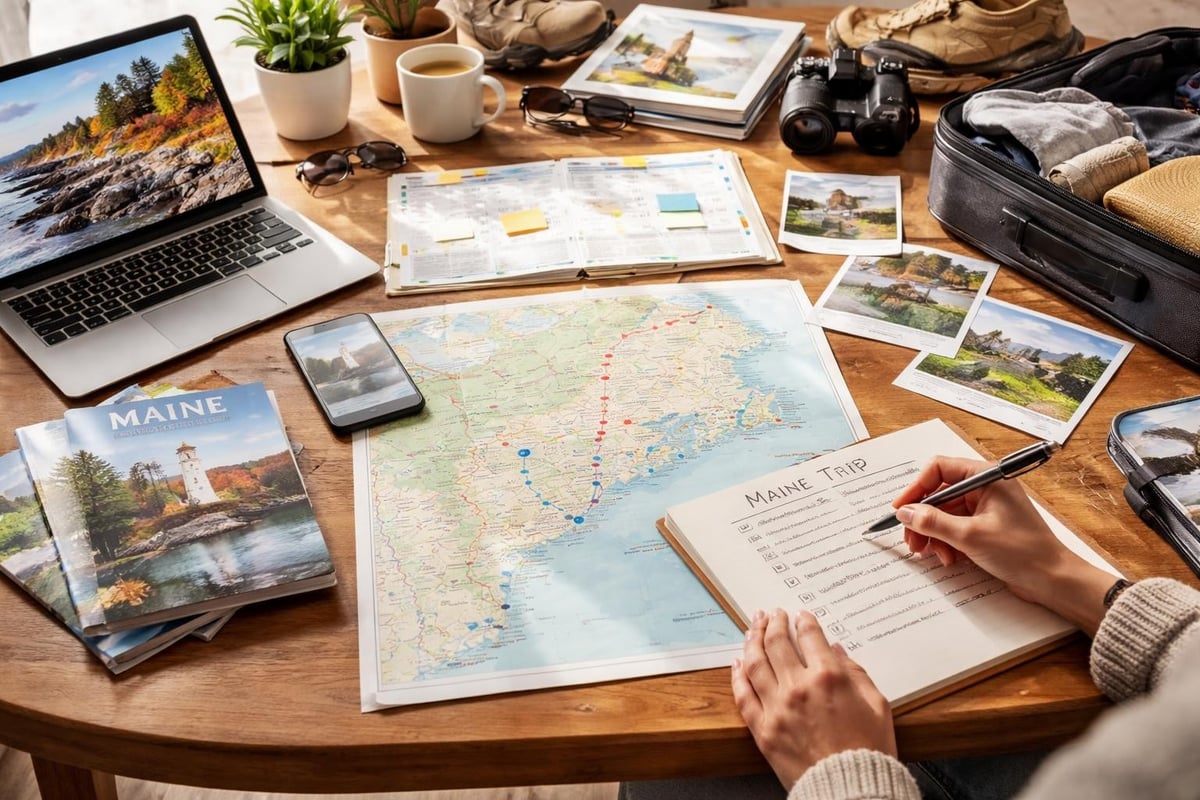
Converting ideas into actionable plans requires systematic approach. Start planning six months before travel for summer trips, three months for shoulder seasons.
Six months out: Research regions, determine travel dates, book flights if flying, reserve accommodations for peak season travel.
Three months out: Create detailed itinerary, make activity reservations requiring advance booking, secure rental car if needed, research restaurants.
One month out: Confirm all reservations, check weather forecasts to refine packing, download offline maps, review National Geographic’s Maine recommendations for final inspiration.
One week out: Final packing, vehicle maintenance if driving, loading travel apps and confirmations on phone, reviewing emergency contacts.
The comprehensive resources available through organizations focused on regional tourism streamline this process considerably, providing centralized information that would otherwise require extensive individual research.
Planning a Maine adventure requires balancing numerous elements, from seasonal timing to activity selection, but the rewards justify the effort. The state’s diverse regions each offer distinct experiences, with the Kennebec Valley providing particularly compelling combinations of outdoor recreation, cultural attractions, and authentic local character. The Kennebec Valley Tourism Council stands ready to support your planning with detailed guides, event calendars, and insider knowledge that transforms good trips into unforgettable journeys through one of America’s most captivating destinations.