
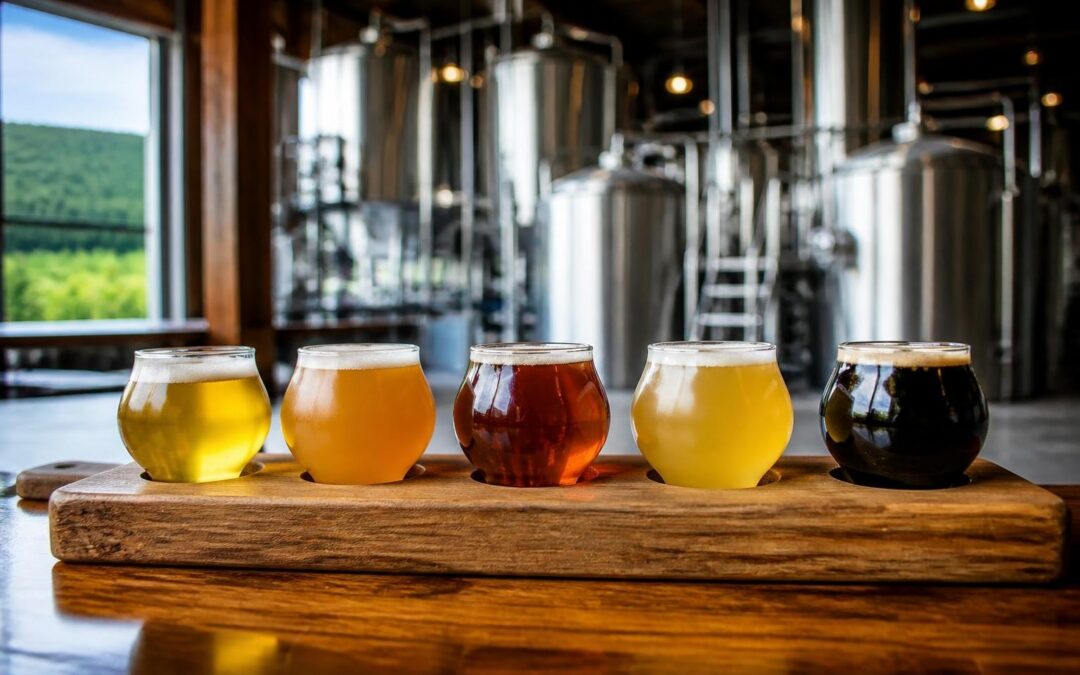
Maine has earned its reputation as one of the nation's premier craft beer destinations, with a brewing culture that combines traditional techniques, innovative experimentation, and an unwavering commitment to quality. The state's brewery scene reflects its character: independent, creative, and deeply connected to local agriculture and community. From Portland's urban taprooms to rural farmhouse breweries tucked among rolling hills, maine beer breweries represent far more than places to enjoy a pint-they're gathering spaces, economic drivers, and showcases for regional ingredients and craftsmanship. Whether you're a dedicated beer enthusiast or simply curious about Maine's brewing renaissance, the Kennebec Valley and surrounding regions offer exceptional opportunities to explore this thriving industry. To view our official visitors guide click here.
The Rise of Maine's Craft Brewing Industry
Maine's craft brewing industry has experienced remarkable growth over the past two decades, transforming from a handful of pioneering breweries into a robust network of more than 150 licensed brewing operations. This expansion reflects both changing consumer preferences and the state's unique advantages as a brewing location.
The economic impact extends well beyond beer sales. According to research from the University of Maine’s analysis of the craft beer industry, breweries contribute significantly to employment, tourism revenue, and agricultural markets throughout the state. These businesses create direct jobs in production, distribution, and hospitality while supporting suppliers, farmers, and service providers.
What Sets Maine Beer Breweries Apart
Several factors distinguish Maine's brewing scene from other craft beer regions:
- Agricultural connections: Many breweries source ingredients from Maine farms, including barley, hops, honey, and fruits
- Water quality: The state's pristine water sources provide an ideal foundation for brewing
- Innovation culture: Brewers frequently experiment with unique styles, ingredients, and techniques
- Community focus: Most maine beer breweries maintain strong ties to their local communities through events, collaborations, and civic engagement
- Tourism integration: Breweries have become destination attractions, complementing Maine's outdoor recreation and culinary offerings
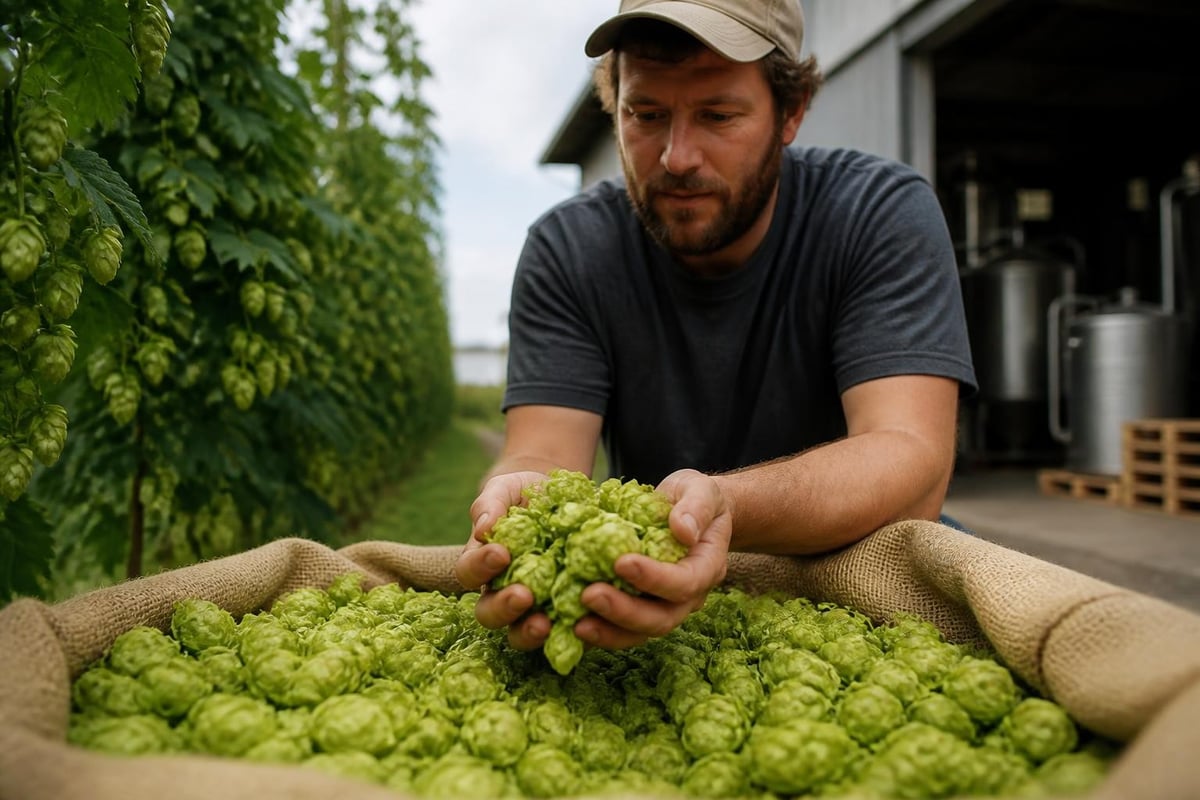
The collaborative spirit among Maine brewers stands out as particularly noteworthy. Rather than viewing each other as competitors, many brewery owners share knowledge, resources, and even ingredients. This cooperation strengthens the entire industry and elevates Maine's reputation as a craft beer destination.
Regional Brewery Concentrations and Trails
Maine beer breweries cluster in distinct regions, each offering unique characteristics and experiences. Understanding these geographic concentrations helps visitors plan efficient brewery tours while experiencing the diverse landscapes and communities across the state.
Southern Maine and Portland Area
The Greater Portland region contains the highest concentration of breweries in Maine, with dozens of operations ranging from production-focused facilities to intimate neighborhood taprooms. This urban brewing center attracts both local residents and tourists, creating a vibrant beer culture with frequent releases, collaboration projects, and special events.
Portland's walkable downtown allows visitors to experience multiple breweries within a compact area, while suburban and coastal communities host additional options. The density of breweries in this region reflects both population size and the area's role as Maine's economic and cultural hub.
Central Maine and Kennebec Valley
The Kennebec Valley region offers a more dispersed but equally rewarding brewery landscape. Augusta and surrounding communities provide access to several notable brewing operations, often in settings that showcase Maine's natural beauty and small-town character.
These central Maine breweries frequently emphasize local ingredients and community connections. Visitors exploring this region can combine brewery visits with outdoor activities, historical sites, and cultural experiences throughout Augusta and beyond.
Midcoast and Down East
The Midcoast region-stretching from Brunswick through the Penobscot Bay area-features breweries in historic coastal towns, each with distinct character and specialties. Down East Maine, while more sparsely populated, hosts several breweries that draw visitors seeking authentic, off-the-beaten-path experiences.
Planning Your Brewery Route
The Maine Brewers’ Guild provides interactive planning tools that help visitors map efficient routes between breweries across different regions. These resources prove invaluable for designing multi-day brewery tours or identifying options near your primary destinations.
| Region | Brewery Density | Typical Experience | Best For |
|---|---|---|---|
| Greater Portland | Very High | Urban taprooms, frequent releases | Weekend brewery tours, walkable visits |
| Kennebec Valley | Moderate | Community-focused, scenic settings | Combining beer with outdoor activities |
| Midcoast | Moderate | Historic towns, coastal atmosphere | Coastal road trips, summer tourism |
| Down East | Lower | Rural character, destination breweries | Adventurous travelers, authenticity seekers |
Award-Winning Maine Breweries and Notable Beers
Maine beer breweries have earned national and international recognition for quality and innovation. Several operations have received medals at major competitions, including the Great American Beer Festival, World Beer Cup, and regional contests.
The Great American Beer Festival consistently recognizes Maine breweries across multiple style categories, validating the technical skill and creativity present throughout the state's brewing community. These accolades raise Maine's profile among beer enthusiasts nationwide and drive tourism interest.
Signature Styles and Innovations
While maine beer breweries produce excellent examples of traditional styles-German lagers, English ales, Belgian-inspired beers-the state has become particularly known for specific innovations:
- Northeast-style IPAs: Hazy, juicy, and aromatic IPAs have become synonymous with New England brewing, with Maine brewers among the style's pioneers
- Farmhouse and wild ales: Several breweries specialize in complex, fermentation-focused beers using wild yeasts and bacteria
- Barrel-aged programs: Bourbon barrels, wine casks, and other vessels age stouts, barleywines, and sour beers to remarkable complexity
- Ingredient-driven seasonals: Brewers incorporate Maine blueberries, maple syrup, spruce tips, and other local ingredients into creative seasonal offerings
- Low-ABV session beers: Recognizing diverse consumer preferences, many breweries excel at flavorful beers under 5% alcohol
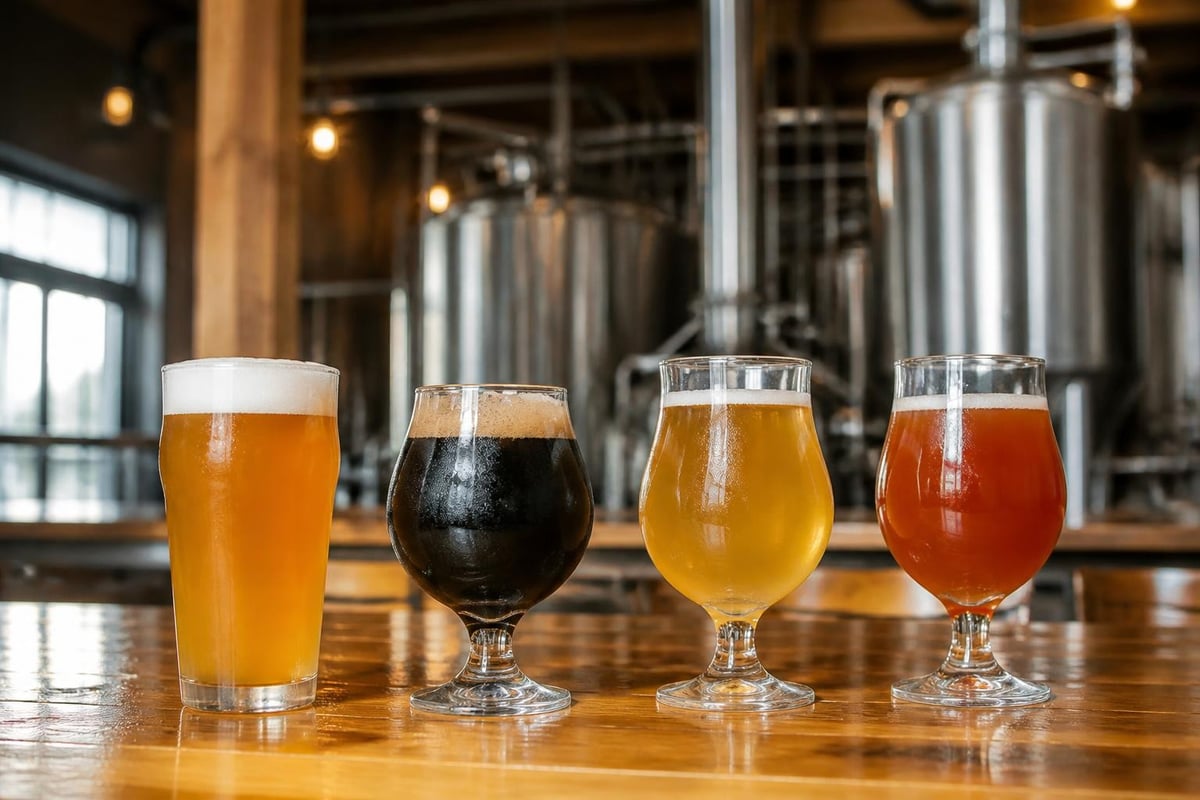
The Brewery Experience: Taprooms and Tours
Visiting maine beer breweries offers experiences far beyond simply purchasing beer. Modern taprooms have evolved into sophisticated hospitality venues that reflect each brewery's personality and values.
What to Expect at Maine Taprooms
Most brewery taprooms provide:
- Fresh beer selections: Access to core brands, seasonals, and taproom-exclusive releases not available elsewhere
- Tasting flights: Sample multiple beers in smaller portions to explore range and find favorites
- Food options: Many breweries offer full menus, food trucks, or allow outside food
- Retail areas: Purchase packaged beer, branded merchandise, and sometimes local products
- Events and entertainment: Live music, trivia nights, outdoor activities, and special release parties
The atmosphere varies significantly between breweries. Some emphasize family-friendly environments with outdoor spaces and games, while others cater to serious beer enthusiasts with extensive bottle libraries and educational programming.
Brewery Tours and Education
While not all maine beer breweries offer formal tours, many provide opportunities to learn about the brewing process, ingredients, and facility operations. Tours typically cover:
- Raw materials and ingredient sourcing, including information about Maine hop production and local agriculture
- The brewing process from mashing through fermentation and packaging
- Quality control and testing procedures
- Sustainability initiatives and waste management
- The brewery's history, philosophy, and future plans
Educational experiences help visitors appreciate the skill, science, and artistry involved in craft brewing while building connections between producers and consumers.
Regulatory Environment and Industry Support
Maine's craft brewing industry operates within a regulatory framework designed to balance public safety, fair competition, and business growth. The Maine Bureau of Alcoholic Beverages and Lottery Operations oversees licensing and compliance for breweries throughout the state.
Licensing and Legal Requirements
Maine offers several license types for brewing operations, each with specific privileges and restrictions. The primary categories include:
Manufacturing licenses permit beer production and limited on-premises sales. Maine statute establishes the legal framework for these operations, including production limits, distribution rights, and retail privileges.
Brewpub licenses allow businesses to operate both brewing facilities and restaurants or bars, creating integrated dining and drinking experiences.
Recent legislative changes have expanded self-distribution rights, modified tasting room regulations, and adjusted production thresholds, generally supporting industry growth while maintaining regulatory oversight.
Industry Organizations and Resources
The Maine Brewers' Guild serves as the primary trade association representing the state's brewing industry. The organization provides:
- Advocacy on legislative and regulatory issues affecting breweries
- Marketing and promotional support through events and campaigns
- A comprehensive directory of member breweries accessible to consumers
- Networking and knowledge-sharing opportunities for brewery owners and staff
- Quality assurance programs and technical resources
This collective representation strengthens the industry's voice in policy discussions and enhances Maine's reputation as a craft beer destination.
Economic Impact and Tourism Integration
Maine beer breweries function as significant economic engines, particularly in communities where traditional industries have declined. The brewing sector creates diverse employment opportunities, attracts visitors who spend money throughout local economies, and stimulates related businesses.
Employment and Career Opportunities
The craft brewing industry employs Mainers in various roles:
- Brewers and cellar workers handling production operations
- Taproom staff providing hospitality services
- Sales representatives managing distribution and accounts
- Marketing and social media professionals building brand awareness
- Administrative personnel handling business operations
- Maintenance and facilities staff maintaining equipment and buildings
These positions span skill levels from entry-level hospitality to specialized technical roles, providing career pathways for workers with different educational backgrounds and experience.
Tourism Synergies
Brewery visits complement Maine's established tourism attractions. Visitors interested in craft beer often combine brewery tours with:
- Outdoor recreation including hiking, kayaking, and skiing
- Culinary experiences at restaurants emphasizing local ingredients
- Cultural attractions including museums, galleries, and historic sites
- Seasonal events and festivals
- Coastal exploration and maritime activities
| Visitor Activity | Brewery Connection | Regional Example |
|---|---|---|
| Whitewater rafting | Post-adventure brewery visit | Kennebec Valley rafting and Augusta-area breweries |
| Coastal touring | Harbor-town taprooms | Midcoast brewery trail |
| Fall foliage | Scenic brewery drives | Rural western Maine breweries |
| Winter sports | Après-ski brewery culture | Sunday River area operations |
This integration makes maine beer breweries valuable partners in destination marketing efforts. Tourism organizations increasingly highlight brewery trails and craft beer experiences when promoting regional attractions.

Challenges Facing Maine's Brewing Industry
Despite success and growth, maine beer breweries confront significant challenges that will shape the industry's future. Understanding these issues provides context for the business environment and potential changes ahead.
Market Saturation and Competition
With more than 150 breweries operating in a state of 1.4 million residents, market saturation concerns have emerged. Recent reporting highlights how Maine breweries navigate challenging conditions including intense competition for shelf space, consumer attention, and tourism visits.
The proliferation of breweries means each operation must differentiate itself through quality, innovation, experience, or specialization. Smaller breweries particularly struggle to achieve visibility and sustainable sales volumes.
Distribution and Three-Tier System
Maine's three-tier alcohol distribution system-separating manufacturers, distributors, and retailers-creates complexities for breweries seeking market access. While self-distribution rights help smaller operations, reaching consumers across the state and in other markets often requires distributor relationships.
Finding quality distributors, maintaining product freshness, and ensuring proper representation pose ongoing challenges. Some breweries focus primarily on taproom sales to maintain control and margins, while others pursue aggressive distribution strategies.
Ingredient Costs and Supply Chain
Brewing requires consistent access to quality ingredients, particularly malt and hops. While Maine produces some ingredients locally, most breweries depend on national and international supply chains vulnerable to disruptions, price fluctuations, and quality variations.
The craft brewing boom nationwide has increased demand for premium ingredients, driving up costs and sometimes limiting availability. Breweries must balance ingredient expenses with pricing strategies that remain competitive yet sustainable.
Labor and Workforce Development
Finding qualified, reliable employees challenges many maine beer breweries. The work demands physical stamina, technical knowledge, customer service skills, and often irregular hours. Competitive labor markets and seasonal tourism patterns complicate staffing.
Some breweries have responded by investing in training programs, improving compensation and benefits, and creating positive workplace cultures that reduce turnover and build institutional knowledge.
Innovative Trends and Future Directions
Maine's brewing industry continues evolving, with several trends shaping current operations and future development. Public radio coverage of innovative approaches provides insight into how breweries adapt and experiment.
Low-Alcohol and Non-Alcoholic Options
Consumer interest in moderation and wellness has driven development of flavorful low-alcohol and non-alcoholic beers. Maine breweries increasingly offer these options, applying craft brewing techniques to create satisfying alternatives to traditional full-strength beers.
This trend expands potential customer bases and allows breweries to serve diverse preferences and occasions, from daytime events to designated drivers.
Sustainability Initiatives
Environmental consciousness influences brewery operations across multiple dimensions:
- Energy efficiency through heat recovery, solar installations, and equipment upgrades
- Water conservation via process optimization and treatment systems
- Waste reduction including spent grain programs, composting, and packaging choices
- Local sourcing to minimize transportation impacts and support regional agriculture
- Habitat protection and environmental advocacy
These initiatives often reduce operational costs while aligning with consumer values and community expectations.
Specialty and Limited Releases
Many maine beer breweries have embraced a release-driven model, creating special beers in limited quantities that generate excitement and drive taproom traffic. This approach rewards loyal customers, encourages repeat visits, and allows creative experimentation without committing to large production runs.
The strategy requires sophisticated marketing, strong community engagement, and consistent quality to maintain enthusiasm without exhausting consumer interest or budget.
Direct-to-Consumer Sales
E-commerce capabilities expanded significantly during recent years, with many breweries developing online ordering, shipping programs (where legal), and curbside pickup systems. These direct sales channels reduce dependence on distribution, improve margins, and strengthen customer relationships.
Regulatory limitations on interstate shipping and local delivery continue to constrain options, but within permitted boundaries, direct sales provide valuable revenue streams and data on consumer preferences.
Planning Your Maine Brewery Visit
Maximizing your maine beer breweries experience requires some advance planning, particularly if you're visiting from out of state or touring multiple regions during your trip.
Best Times to Visit
Maine's brewery scene offers year-round appeal, but timing affects your experience:
Summer (June-August): Peak tourism season brings crowds, expanded hours, outdoor seating, and special events. Expect busy taprooms, especially on weekends, but enjoy the best weather and longest days.
Fall (September-October): Ideal conditions with comfortable temperatures, fall foliage, harvest-themed beers, and manageable crowds. Many breweries release seasonal offerings featuring local ingredients.
Winter (November-March): Quieter taprooms, robust dark beers, and cozy atmospheres. Some rural breweries reduce hours, but urban operations maintain full schedules. Winter sports enthusiasts combine skiing with brewery visits.
Spring (April-May): Mud season brings fewer tourists, but warming weather and spring releases create appealing conditions. Brewery patios reopen, and maple-infused beers showcase seasonal ingredients.
Transportation and Safety Considerations
Responsible brewery touring requires planning for safe transportation:
- Designate a driver within your group who abstains from alcohol
- Utilize ride-sharing services available in urban and suburban areas
- Book guided brewery tour services that provide transportation
- Consider overnight accommodations near brewery concentrations
- Pace yourself with water, food, and breaks between tastings
Many breweries offer non-alcoholic beverages, low-ABV options, and takeaway packages for later enjoyment, allowing everyone to participate safely.
Resources for Trip Planning
Several resources help identify breweries, plan routes, and maximize your visit. The Kennebec Valley Tourism Council provides comprehensive information on attractions, accommodations, and dining options to complement brewery visits in the central Maine region.
National and state-level resources provide comparative data. The Brewers Association tracks state-by-state production statistics that contextualize Maine's position within the national craft beer landscape.
Supporting Local: The Importance of Brewery Patronage
Choosing to visit and purchase from maine beer breweries delivers benefits beyond personal enjoyment. Your patronage supports local economies, sustains employment, encourages agricultural development, and preserves the independent character that distinguishes Maine's brewing scene.
Small, independent breweries face constant pressure from consolidation, market saturation, and economic headwinds. Consumer support-particularly direct purchases at taprooms-provides the revenue and encouragement these businesses need to continue operations and innovation.
Beyond the Pint: Community Impact
Breweries function as community gathering spaces, event venues, and civic participants. Many host fundraisers, sponsor local organizations, collaborate with nonprofits, and provide meeting spaces for community groups.
This social infrastructure strengthens communities, particularly in areas with limited third spaces for informal gathering and connection. The community role often matters as much as the economic contribution.
Maine beer breweries represent a dynamic industry that combines craftsmanship, innovation, and community engagement, offering visitors exceptional experiences across diverse regions and settings. Whether you're exploring urban taprooms in Portland or discovering hidden gems in the Kennebec Valley, the state's brewing culture rewards curiosity and appreciation for quality. The Kennebec Valley Tourism Council provides comprehensive resources to help you plan brewery visits alongside outdoor adventures, cultural attractions, and culinary experiences throughout this beautiful region.