
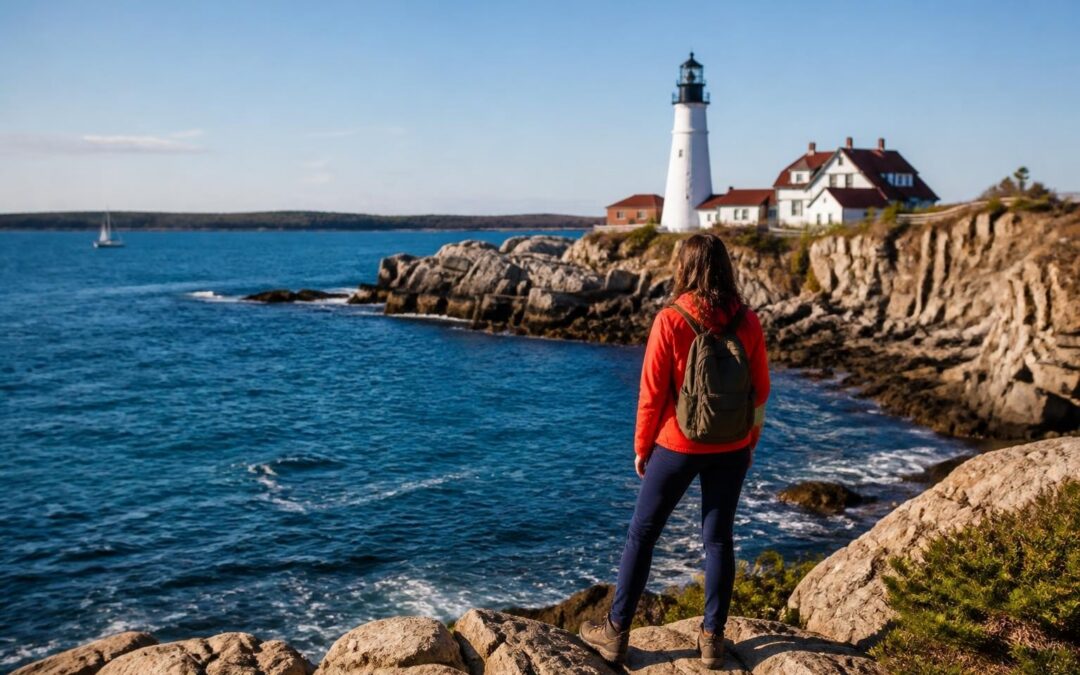
Maine tourism continues to evolve as one of New England's most dynamic travel sectors, attracting millions of visitors annually to experience the state's rugged coastline, pristine wilderness, and authentic cultural heritage. From the rocky shores of Acadia National Park to the vibrant cities and charming small towns that dot the landscape, Maine offers an unparalleled combination of natural beauty and genuine hospitality. Whether you're seeking outdoor adventure, culinary exploration, or cultural immersion, understanding the landscape of maine tourism helps you make the most of your visit to this remarkable destination. To view our official visitors guide click here.
Understanding Maine's Tourism Landscape
The maine tourism industry has demonstrated remarkable resilience and growth, with visitor spending reaching record levels even as overall visitation patterns shift. According to recent reporting from Maine Public, travelers are increasingly seeking quality experiences over quantity, investing more deeply in their Maine adventures. This trend reflects a broader evolution in how people approach travel to the state.
Seasonal Visitor Patterns
Maine welcomes visitors year-round, though each season brings distinct opportunities and considerations:
- Summer (June-August): Peak season with warm weather, festivals, and coastal activities
- Fall (September-November): Foliage season attracts leaf-peepers and harvest enthusiasts
- Winter (December-March): Skiing, snowmobiling, and winter sports dominate
- Spring (April-May): Mud season transitions to wildflower blooms and fishing opener
Understanding these patterns helps travelers choose the right timing for their interests. Summer months see the highest concentration of visitors, particularly along the coast, while inland regions like the Kennebec Valley offer more accessibility and value during shoulder seasons.
The Maine Office of Outdoor Recreation provides valuable insights into how outdoor activities drive visitation throughout the year, supporting both the economy and community development across diverse regions.
Coastal Experiences and Maritime Heritage
Maine's 3,500 miles of coastline serve as the foundation for much of the state's tourism appeal. The dramatic meeting of land and sea creates endless opportunities for exploration, from sandy beaches to rocky promontories where waves crash against ancient granite.
Acadia National Park
As Maine's crown jewel, Acadia National Park draws visitors from around the world. The National Park Service reports consistent visitation numbers, with the park serving as a gateway to understanding Maine's coastal ecosystem. Cadillac Mountain offers the first sunrise in the United States for much of the year, while the park's carriage roads provide accessible exploration for all fitness levels.
Key Acadia Activities:
- Hiking the Precipice Trail (advanced)
- Biking the carriage roads (all levels)
- Exploring Thunder Hole at high tide
- Visiting Jordan Pond House for popovers
- Watching sunrise from Cadillac Mountain
Lobster and Maritime Culture
No discussion of maine tourism is complete without acknowledging the lobster industry's cultural and economic significance. NOAA Fisheries’ American lobster data demonstrates the Gulf of Maine's importance to both commercial fishing and tourism. Lobster pounds, working harbors, and seafood shacks provide authentic encounters with this maritime tradition.
| Experience Type | Best Locations | Season | Typical Cost |
|---|---|---|---|
| Lobster Pound Dining | Midcoast, Downeast | May-October | $25-45 |
| Harbor Tours | Portland, Bar Harbor | June-September | $30-60 |
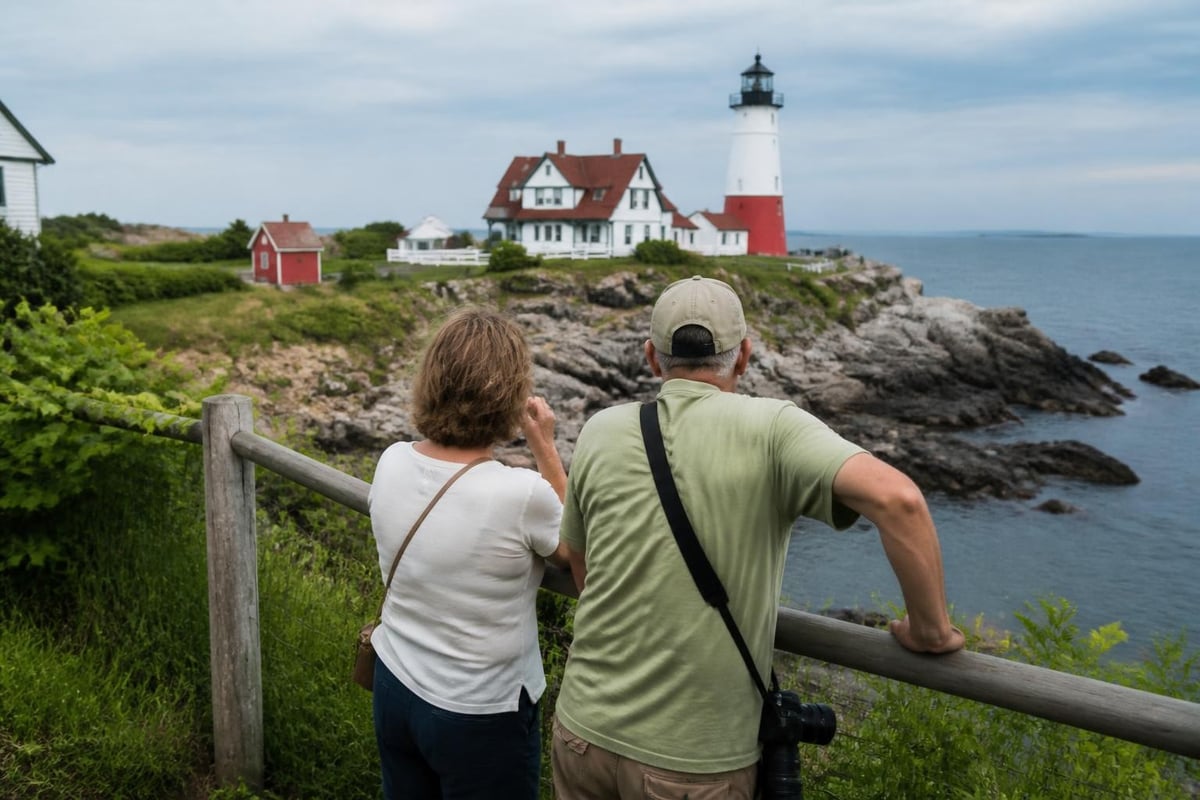
| Lighthouse Visits | Southern Coast | Year-round | Free-$15 |
| Boat Building Museums | Bath, Rockland | Year-round | $10-20 |
Inland Adventures and Natural Wonders
While coastal maine tourism dominates popular perception, the state's interior offers equally compelling experiences. The Kennebec Valley exemplifies this inland appeal, combining outdoor recreation with cultural attractions and authentic communities.
Whitewater Rafting and River Sports
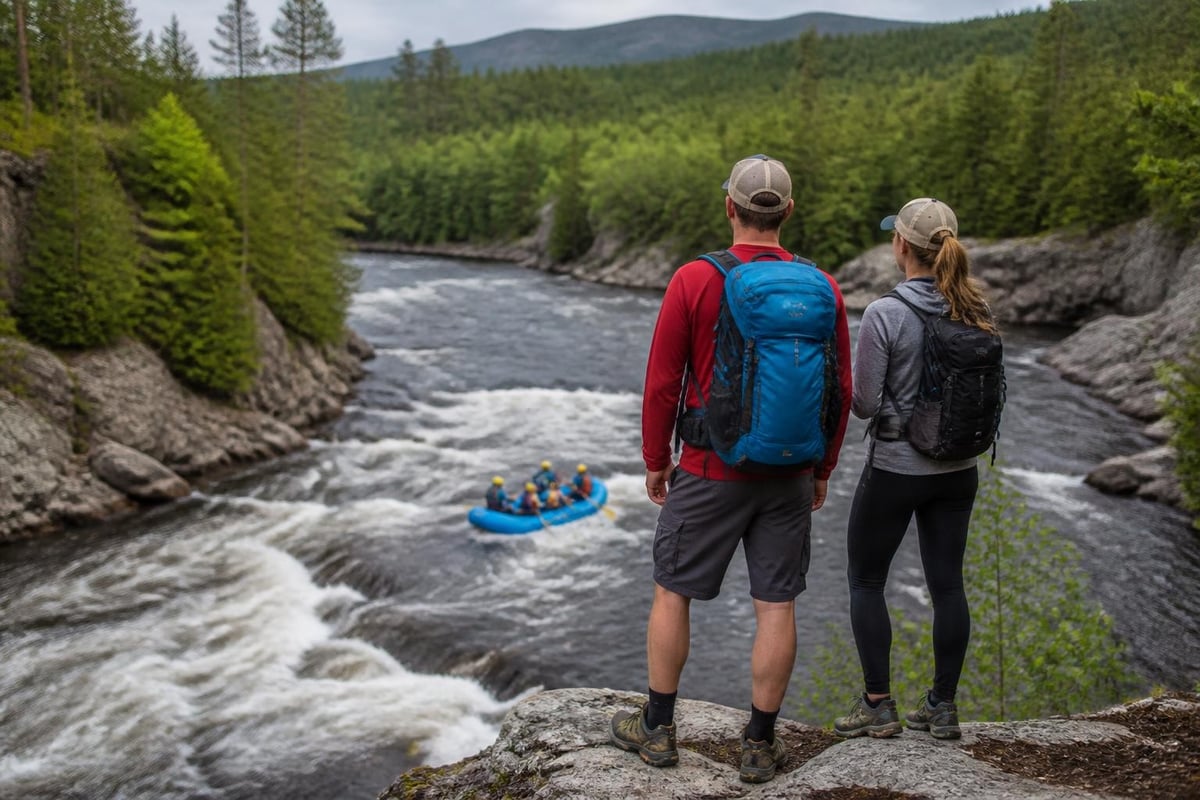
The Kennebec and Dead Rivers provide world-class whitewater rafting experiences. Spring runoff creates Class IV and V rapids that challenge experienced rafters, while summer flows offer family-friendly Class II and III options. Beyond rafting, these waterways support kayaking, fishing, and riverside camping.
Planning River Adventures:
- Book rafting trips in advance during peak season (June-July)
- Consider water release schedules for optimal conditions
- Combine river trips with nearby hiking or mountain biking
- Check NOAA tide and current forecasts for coastal river conditions
Hiking and Mountain Recreation
Maine's interior mountains may lack the elevation of western ranges, but they compensate with accessibility and natural beauty. The Appalachian Trail terminates at Mount Katahdin, offering everything from day hikes to through-hiking experiences.
Popular hiking destinations include:
- Bigelow Range for multi-day backpacking
- Pleasant Mountain for family-friendly summits
- Gulf Hagas for waterfall photography
- Tumbledown Mountain for alpine lake swimming
Cultural Attractions and Urban Centers
Maine tourism extends beyond natural attractions to encompass vibrant cultural scenes in cities and towns across the state. These urban centers provide essential services, dining, shopping, and entertainment that complement outdoor adventures.
Portland's Culinary Scene
Portland has emerged as a nationally recognized food destination, with more restaurants per capita than San Francisco. The Old Port district concentrates dining, breweries, and distilleries within walkable blocks. Farmers markets, food tours, and cooking classes offer immersive culinary experiences.
Augusta and Central Maine Culture
As the state capital, Augusta anchors the Kennebec Valley with government buildings, museums, and cultural institutions. The Maine State Museum provides comprehensive natural and cultural history, while the State House offers architectural tours. Beyond Augusta, communities like Waterville and Gardiner contribute distinct character through historic districts, performing arts venues, and local festivals.
Travelers looking to explore the region's upcoming events can find year-round programming that showcases local talent and traditions.
Art Galleries and Creative Communities
Maine's light and landscape have attracted artists for generations. Contemporary gallery scenes thrive in Portland, Rockland, and Belfast, while artist studios dot rural areas. The Farnsworth Art Museum in Rockland houses significant American art collections, and the Bowdoin College Museum of Art offers free admission to world-class holdings.
Wildlife Viewing and Natural Areas
Beyond traditional parks and trails, maine tourism increasingly emphasizes wildlife observation and ecological education. The state's diverse habitats support everything from moose and black bears to Atlantic puffins and bald eagles.
The U.S. Fish & Wildlife Service’s Maine Coastal Islands National Wildlife Refuge Complex provides protected habitat and visitor opportunities to observe seabirds, seals, and other marine life. These refuges demonstrate conservation's role in supporting both wildlife populations and tourism experiences.
Moose Watching
Northern and western Maine offer exceptional moose viewing, particularly during early morning and evening hours in spring and summer. The Moosehead Lake region lives up to its name, while route corridors through the North Woods provide roadside sightings.
Top Moose Viewing Areas:
- Moosehead Lake region
- Baxter State Park periphery
- Rangeley Lakes area
- Route 201 north of The Forks
- Golden Road in the North Woods
Planning Your Maine Visit
Successful maine tourism experiences require thoughtful planning that considers timing, regional selection, and activity prioritization. The state's size and diversity mean no single trip can encompass everything Maine offers.
Regional Focus Strategies
| Region | Best For | Peak Season | Crowds |
|---|---|---|---|
| Southern Coast | Beaches, shopping | July-August | High |
| Midcoast | Lobster, sailing | June-September | Moderate-High |
| Downeast | Acadia, remote coast | June-October | Moderate |
| Kennebec Valley | Rafting, culture | May-September | Low-Moderate |
| Western Mountains | Hiking, skiing | Summer/Winter | Low-Moderate |
| North Woods | Wilderness, moose | June-September | Low |
Rather than attempting to cover the entire state, consider focusing on one or two regions for deeper exploration. This approach reduces driving time and allows for spontaneous discoveries and slower-paced experiences.
Accommodation Strategies
Maine offers accommodations ranging from luxury resorts to rustic campsites. Coastal properties command premium prices during summer months, while inland options provide better value. Advance booking is essential for peak season travel, particularly for waterfront locations and popular state parks.
Consider these accommodation types:
- Historic Inns: Personalized service and character in downtowns
- Coastal Resorts: Full-service amenities with ocean access
- Lakeside Cabins: Privacy and nature immersion
- State Park Camping: Affordable access to prime locations
- Vacation Rentals: Space and kitchens for families
The Official Visitors Guide provides detailed lodging information for the Kennebec Valley region, helping travelers match accommodations to their preferences and budgets.
Sustainable Tourism Practices
As maine tourism grows, sustainability becomes increasingly important for preserving the qualities that attract visitors. Travelers can contribute to responsible tourism through conscious choices and behaviors.
Leave No Trace Principles
Maine's outdoor spaces require careful stewardship:
- Pack out all trash and leftover food
- Stay on designated trails to prevent erosion
- Respect wildlife by observing from distance
- Use established campsites when backcountry camping
- Follow water source protection guidelines
Supporting Local Communities
Tourism dollars support Maine communities most effectively when spent with local businesses. Choosing locally-owned restaurants, shops, and tour operators keeps economic benefits within communities while providing authentic experiences.
The Maine Tourism Association works with businesses statewide to promote sustainable practices and workforce development, ensuring maine tourism benefits both visitors and residents.
Dining and Culinary Tourism
Maine's food scene extends far beyond lobster, encompassing farm-to-table restaurants, craft beverages, and agricultural tourism. The state's commitment to local sourcing and traditional preparation methods creates distinctive dining experiences.
Seafood Beyond Lobster
While lobster dominates menus and marketing, Maine's waters yield diverse seafood:
- Oysters: Cold-water varieties with distinct flavor profiles
- Clams: Steamers, fried clams, and clam chowder preparations
- Scallops: Sweet sea scallops harvested sustainably
- Crab: Both Jonah and rock crab varieties
- Haddock: Traditional fish fry and chowder staple
Farm Stands and Agricultural Tourism
Summer and fall bring abundant farm stands selling produce, baked goods, and value-added products. Many farms welcome visitors for pick-your-own experiences, farm dinners, and educational tours. The Maine Cheese Trail and Maine Beer Trail provide structured approaches to exploring agricultural products.
Craft Beverage Scene
Maine's craft beverage industry has expanded dramatically, with breweries, distilleries, cideries, and meaderies operating statewide. Portland concentrates the highest density, but excellent producers operate in smaller communities. Tasting rooms often feature local art, live music, and food trucks, creating social gathering spaces.
Historical Sites and Heritage Tourism
Maine's 400-year European settlement history, plus millennia of Native American presence, creates rich heritage tourism opportunities. Historical sites range from colonial-era forts to industrial-age mill complexes.
Colonial and Maritime History
Fort Knox State Historic Site in Prospect overlooks the Penobscot River, while Fort William Henry in Pemaquid Beach protects the colonial frontier. Maritime museums in Bath, Searsport, and Rockland preserve shipbuilding traditions and coastal commerce stories.
Industrial Heritage
Central Maine's mill towns reflect the textile and paper industries that shaped the region. Historic districts in cities like Lewiston, Waterville, and Augusta showcase mill architecture repurposed for modern uses. The Maine State Museum in Augusta provides context for understanding this industrial transformation.
Year-Round Event Calendar
Maine tourism benefits from diverse events that extend visitation beyond summer months. Festivals, competitions, and celebrations occur throughout the year, providing reasons to visit during shoulder seasons.
Notable Annual Events:
- Maine Lobster Festival (Rockland, August)
- Common Ground Country Fair (Unity, September)
- Sugarloaf Reggae Festival (Carrabassett Valley, April)
- Kenduskeag Stream Canoe Race (Bangor, April)
- Yarmouth Clam Festival (Yarmouth, July)
Regional events calendars help travelers align visits with specific interests. The Visit Kennebec Valley events page lists celebrations and activities throughout central Maine.
Transportation and Access
Navigating Maine requires understanding transportation options and regional distances. The state's rural character means limited public transportation outside the Portland area, making personal vehicles the primary travel mode for most visitors.
Getting to Maine
Portland International Jetport serves as the primary air gateway, with Bangor International Airport providing northern access. Boston's Logan Airport offers more flight options, located two hours south of Portland. Amtrak's Downeaster provides rail service from Boston to Brunswick, with bus connections extending to Rockland.
Getting Around Maine
Rental cars provide maximum flexibility for exploring diverse regions. Highway systems connect major destinations, though rural routes may follow winding, two-lane roads. Allow extra travel time for scenic routes and unexpected discoveries.
Driving Considerations:
- Fill fuel tanks before entering remote areas
- Download offline maps for areas with limited cell service
- Watch for wildlife, especially dawn and dusk
- Winter driving requires experience with snow and ice
- Coastal routes take longer than inland highways
Budget Planning for Maine Visits
Understanding maine tourism costs helps travelers plan realistic budgets. Expenses vary significantly based on season, region, and travel style, but general parameters guide planning.
Daily Budget Estimates
| Budget Level | Accommodation | Meals | Activities | Total/Day |
|---|---|---|---|---|
| Budget | $60-100 | $30-50 | $20-40 | $110-190 |
| Moderate | $120-200 | $60-90 | $50-80 | $230-370 |
| Upscale | $250-400+ | $100-150 | $100-200 | $450-750+ |
These estimates assume two people sharing costs. Solo travelers face higher per-person accommodation costs, while groups can share rental houses and meal preparation for savings.
Money-Saving Strategies
Smart travelers maximize value without sacrificing experience quality:
- Visit during shoulder seasons (May-June, September-October)
- Book accommodations inland rather than directly on coast
- Prepare some meals using local ingredients from farmers markets
- Prioritize free activities like hiking, beach access, and town exploration
- Look for combination passes at attractions and state parks
Analysis from the Portland Press Herald reveals that visitors increasingly prioritize experiences over bargain-hunting, seeking value through quality rather than just low prices.
Family-Friendly Maine Tourism
Maine excels as a family destination, offering multi-generational appeal through diverse activities and safe, welcoming communities. Planning family trips requires balancing different age groups' interests and physical capabilities.
Kid-Friendly Attractions
Children find endless engagement in Maine's hands-on museums, animal encounters, and outdoor adventures:
- Maine Wildlife Park (Gray) – native animals in natural settings
- Children's Museum & Theatre of Maine (Portland) – interactive exhibits
- Desert of Maine (Freeport) – unique geological phenomenon
- Coastal Maine Botanical Gardens (Boothbay) – fairy houses and nature trails
- York's Wild Kingdom (York Beach) – zoo and amusement park combination
Educational Opportunities
Maine tourism naturally incorporates learning through tide pool exploration, lighthouse visits, and historical sites. Many families treat Maine trips as extended educational experiences, connecting children with ecology, history, and cultural traditions outside classroom settings.
Maine tourism offers extraordinary diversity, from coastal villages and mountain wilderness to vibrant cities and agricultural landscapes, creating memorable experiences for every traveler. Whether you're planning your first visit or returning to explore new regions, the right resources make all the difference in crafting your ideal Maine adventure. Kennebec Valley Tourism Council provides comprehensive guides and expert insights to help you discover central Maine's whitewater rivers, historic communities, and authentic experiences that showcase this remarkable region at its finest.