
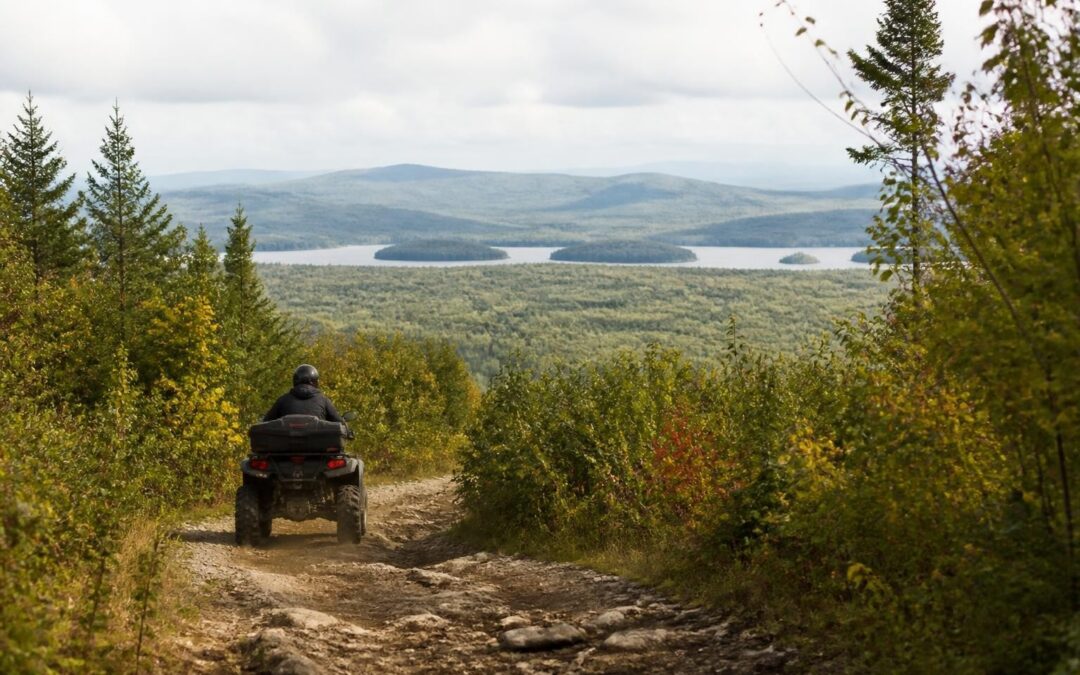
Maine's Kennebec Valley stands as one of the state's most diverse and rewarding regions for all-terrain vehicle enthusiasts. With hundreds of miles of well-maintained trails winding through dense forests, crossing scenic rivers, and connecting vibrant communities, the area offers both seasoned riders and newcomers an authentic backcountry experience. The valley's unique combination of challenging terrain, natural beauty, and welcoming trail systems makes it an exceptional destination for anyone seeking adventure on four wheels. To view our official visitors guide click here.
Understanding the Kennebec Valley Trail System
The Kennebec Valley region encompasses a network of interconnected ATV trails that span multiple counties and link numerous small towns. This extensive system provides riders with access to some of central Maine's most pristine wilderness areas while maintaining connections to essential services and amenities.
Trail Network Overview
The valley's trail infrastructure consists of several distinct systems managed by local clubs and coordinated through state programs. Riders can access hundreds of miles of dedicated ATV paths that range from beginner-friendly routes to technical challenges requiring advanced skills.
Primary trail features include:
- Multi-use corridors shared with hikers and mountain bikers
- Dedicated ATV-only sections through forested terrain
- River crossings and wetland bridges
- Connector trails linking towns and services
- Seasonal routes with varying difficulty levels
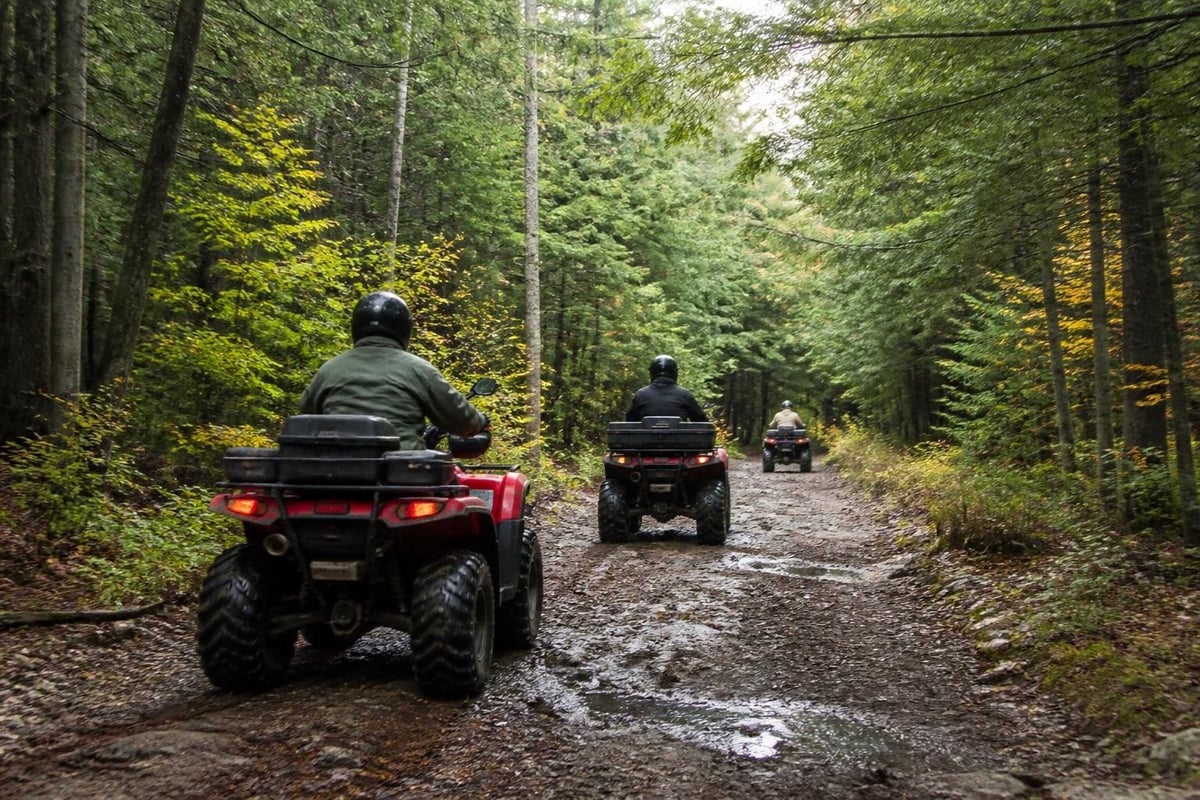
Local clubs maintain these trails through volunteer efforts and state grant funding. The Maine ATV Program works closely with regional organizations to ensure sustainable trail development and responsible land use practices.
Legal Requirements and Registration
Before embarking on any ATV riding Maine adventure, understanding state regulations ensures both legal compliance and community goodwill. Maine enforces specific rules designed to protect natural resources, preserve trail quality, and maintain positive relationships with landowners.
Registration and Licensing
All ATVs operated on Maine trails must carry current registration. The state offers both resident and non-resident registration options, with fees supporting trail maintenance and development programs.
| Registration Type | Annual Fee | Validity Period |
|---|---|---|
| Resident | $45 | One year |
| Non-Resident | $89 | One year |
| Youth (10-15) | $10 | Until 16th birthday |
Operators born after 1982 must complete an approved safety course before riding independently. Maine’s ATV safety education program provides comprehensive training covering vehicle operation, trail etiquette, and emergency procedures.
Size and Equipment Regulations
Maine maintains strict guidelines regarding vehicle dimensions to protect trail infrastructure. The state's oversized ATV regulations limit most trails to machines under 65 inches wide, though some designated routes accommodate larger vehicles.
Required equipment includes:
- Functioning headlights and taillights
- Adequate muffler system
- Spark arrestor for fire prevention
- Registration display
- Reflective material visible from 500 feet
Understanding these laws and rules prevents citations and ensures trail access remains available for future seasons.
Premier Riding Destinations in Kennebec Valley
The region surrounding the Kennebec River corridor offers diverse terrain suitable for various skill levels and riding preferences. Each area provides unique characteristics that showcase different aspects of central Maine's natural landscape.
Waterville and Belgrade Lakes Region
North of Augusta, the Belgrade Lakes area connects to extensive trail systems reaching into Somerset County. These routes wind through mixed hardwood forests and skirt pristine lakes, offering spectacular water views and abundant wildlife viewing opportunities.
The terrain here varies from flat, easy-going paths perfect for beginners to steep, technical sections that challenge experienced riders. Multiple access points provide convenient entry to the trail network, with several located near lodging and dining establishments.
Lower Kennebec Valley Trails
The southern portion of the valley features trails that connect Augusta, Gardiner, and surrounding communities. This network emphasizes scenic riding through rolling terrain with frequent river access points and historic sites.
Riders exploring this area can combine outdoor adventure with cultural experiences. The region's vibrant downtown areas, including those hosting events like Gardiner’s ArtWalk, offer excellent post-ride dining and entertainment options.
Winslow and China Trail Systems
East of the main river corridor, these trail networks provide access to more remote wilderness areas. The terrain becomes increasingly rugged, with elevation changes that reward riders with panoramic valley views.
Notable features include:
- Extensive wetland crossings on engineered bridges
- Dense forest canopy providing shade during summer months
- Connection points to neighboring trail systems
- Multiple loop options for day-long excursions
Safety Considerations and Best Practices
Responsible ATV riding Maine practices protect both riders and the natural environment. Following established guidelines ensures trail sustainability and maintains positive community relationships essential for continued access.
Pre-Ride Preparation
Thorough preparation prevents mechanical failures and emergency situations. Before each ride, conduct a complete vehicle inspection covering all major systems.
| System | Check Points |
|---|---|
| Engine | Oil level, coolant, air filter |
| Drive | Chain/belt tension, tire pressure, wheel bearings |
| Safety | Brakes, lights, throttle response |
| Emergency | Tool kit, first aid, communication device |
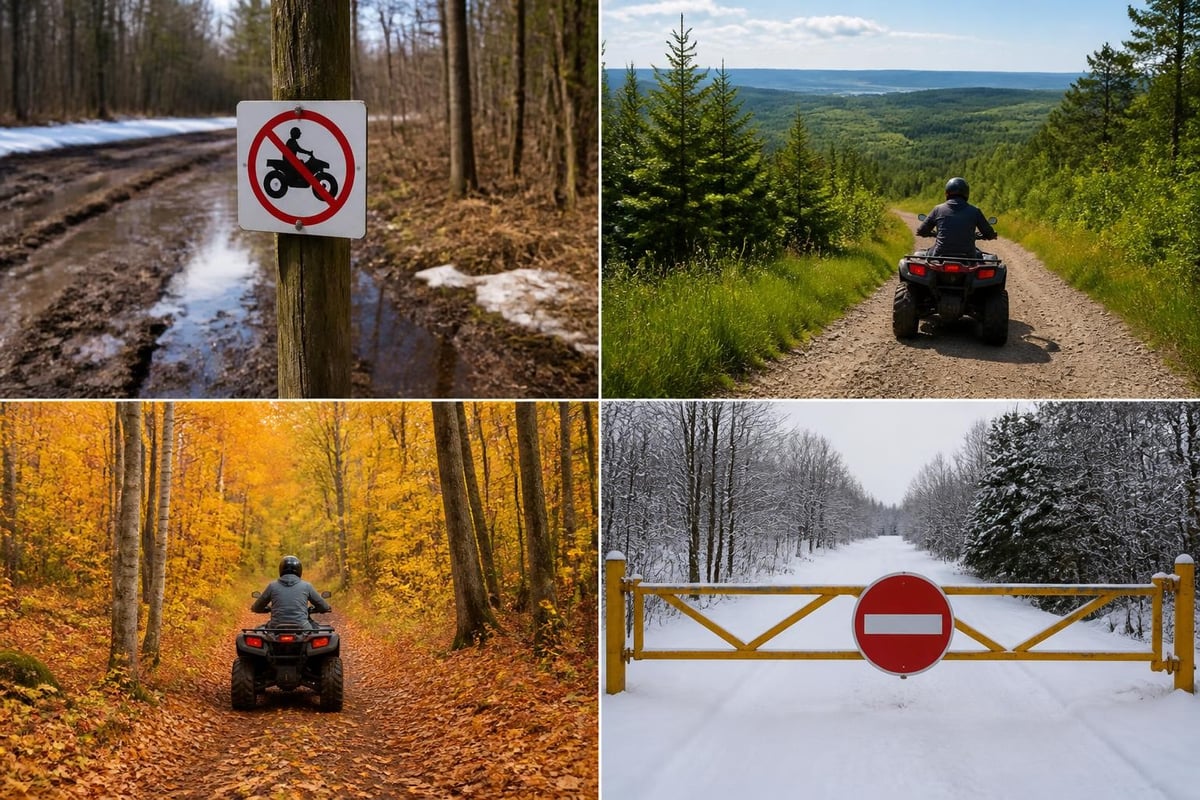
Weather conditions significantly impact trail safety. Spring mud season renders many trails impassable and riding during this period causes extensive damage requiring costly repairs. Most organized trail systems close during April and early May to protect infrastructure.
Trail Etiquette
Maintaining courtesy on shared trails preserves access and prevents conflicts. Yield to horseback riders and hikers, reduce speed when approaching other users, and always stay on marked paths.
The responsible ATV riding guidelines emphasize respecting private property, staying within designated trail boundaries, and packing out all trash. Many Kennebec Valley trails cross private land through generous landowner agreements that depend on rider responsibility.
Group Riding Protocol
Riding with others enhances both safety and enjoyment. Establish clear communication signals, maintain appropriate spacing between machines, and designate a sweep rider to assist anyone experiencing difficulties.
Group size recommendations:
- Beginner groups: 3-5 riders maximum
- Mixed skill levels: 4-6 riders
- Experienced groups: Up to 8 riders
- Commercial tours: Follow guide recommendations
Seasonal Riding Opportunities
Each season transforms the Kennebec Valley landscape, creating distinct riding experiences throughout the year. Understanding seasonal variations helps riders plan trips that match their preferences and skill levels.
Summer Peak Season
From late May through September, trails reach optimal condition with firm surfaces and maximum accessibility. Summer offers the longest daylight hours and most stable weather, making it ideal for extended day trips and multi-day expeditions.
Temperature management becomes important during July and August. Lightweight protective gear, frequent hydration breaks, and choosing shaded routes help maintain comfort during peak heat.
Fall Foliage Riding
October transforms the valley into a spectacular display of autumn colors. Riding through forests ablaze with red maples, golden birches, and orange oaks creates unforgettable experiences that combine adventure with natural beauty.
Trail traffic increases significantly during peak foliage season. Planning your visit around weekday riding or early morning departures helps avoid congestion and secures preferred lodging.
Early Winter Considerations
Some trail systems remain accessible into November until snow depth prohibits ATV use. This transitional period offers solitude and unique riding conditions but requires extra caution regarding changing weather and reduced daylight.
Essential Gear and Equipment
Proper equipment enhances both safety and comfort during ATV riding Maine adventures. Investing in quality gear appropriate for local conditions pays dividends through improved performance and protection.
Personal Protective Equipment
Minimum required gear:
- DOT-approved helmet with face shield or goggles
- Impact-resistant gloves with grip surfaces
- Over-the-ankle boots with ankle support
- Long pants and sleeves for brush protection
- Eye protection against dust and debris
Weather-specific additions include waterproof layers for rain, insulated gear for cold conditions, and moisture-wicking base layers for summer comfort.
Navigation and Communication
While many Kennebec Valley trails feature adequate signage, carrying reliable navigation tools prevents disorientation in unfamiliar territory. GPS units designed for off-road use, paper maps from local clubs, and smartphone apps with offline capability all serve valuable roles.
Communication devices become critical for remote riding. Cell coverage remains spotty in wilderness areas, making satellite communicators or two-way radios prudent investments for safety-conscious riders.
Emergency and Repair Supplies
Mechanical issues can strand riders miles from assistance. A basic toolkit enables field repairs that get machines back to trailheads.
| Item Category | Essential Components |
|---|---|
| Tools | Multi-tool, spark plug wrench, tire repair kit |
| Spare Parts | Spark plugs, fuses, drive belt |
| Safety | First aid kit, flashlight, fire starter |
| Supplies | Water, energy bars, emergency blanket |
Kennebec Valley Riding Clubs and Resources
Local clubs form the backbone of the region's trail system, providing maintenance, advocacy, and community support. Joining these organizations connects riders with experienced locals who share trail knowledge and riding opportunities.
Club Benefits and Involvement
Membership typically includes access to club rides, trail condition updates, and social events that build community connections. Many clubs offer reduced rates for trail maintenance equipment rental and organize volunteer work parties that combine trail improvement with social interaction.
Active clubs throughout the valley coordinate with state agencies and landowners to expand trail access and resolve usage conflicts. Their work ensures continued availability of quality riding experiences for residents and visitors.
Information Resources
The ATV Maine trail information portal provides current conditions, closure notices, and event calendars. Checking these resources before trips prevents wasted travel to closed areas and identifies special events that may affect trail access.
State-maintained trail access guidelines offer official information on regulations, seasonal restrictions, and proper trail marking interpretation.
Combining ATV Adventures with Regional Attractions
The Kennebec Valley offers far more than just trails. Integrating riding with other regional activities creates comprehensive vacation experiences that appeal to diverse interests within travel groups.
Cultural and Historic Sites
Between rides, explore the valley's rich history through museums, historic districts, and preserved landmarks. Augusta's downtown features architectural gems and cultural institutions, while smaller communities maintain authentic New England character.
Seasonal events throughout the region provide entertainment and local flavor. Summer festivals like Wild Blueberry Weekend celebrate regional agriculture and traditions, offering family-friendly activities that complement outdoor recreation.
Dining and Lodging Options
The valley supports numerous dining establishments ranging from casual trail-side cafes to upscale restaurants featuring locally-sourced ingredients. Many eateries cater specifically to outdoor enthusiasts, offering hearty portions and flexible hours.
Lodging options span budget-friendly motels to boutique inns and vacation rentals. Properties near major trail access points often provide secure parking, washing stations, and rider-specific amenities.
Environmental Stewardship
Preserving the natural resources that make ATV riding Maine so appealing requires conscious effort from every trail user. Sustainable practices ensure future generations can enjoy the same experiences available today.
Leave No Trace Principles
Staying on designated trails prevents erosion and protects sensitive vegetation. Even slight detours create new paths that channel water flow and accelerate environmental damage.
Core responsibilities include:
- Removing all trash and debris
- Avoiding stream bank damage at crossings
- Respecting wildlife and maintaining distance
- Minimizing noise near residential areas
- Following seasonal closure dates strictly
Supporting Conservation Efforts
Registration fees and club memberships fund trail maintenance and environmental protection programs. Additional support through volunteer time, donations to conservation organizations, and advocacy for responsible access policies strengthens the entire riding community.
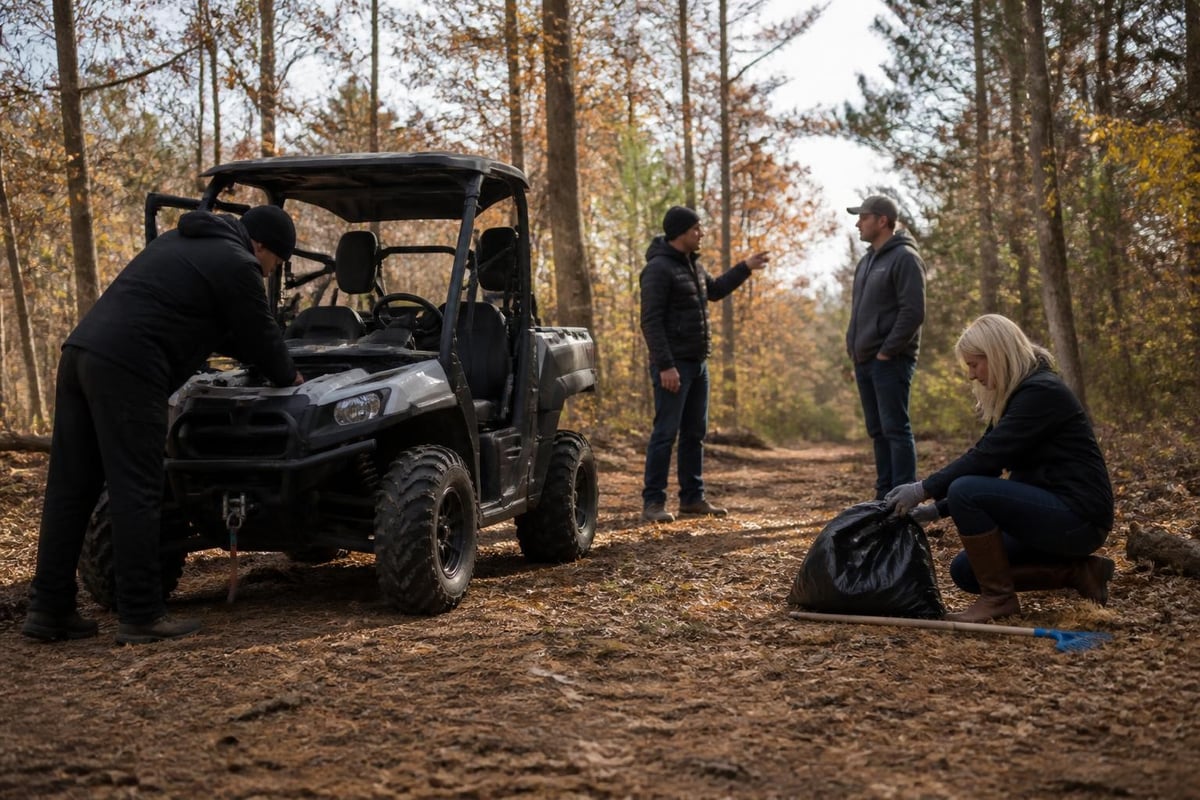
Many local organizations organize cleanup events and habitat restoration projects that welcome rider participation. These efforts demonstrate the community's commitment to environmental stewardship and strengthen relationships with landowners and regulatory agencies.
Planning Your Kennebec Valley ATV Trip
Successful trips require advance preparation covering logistics, equipment, and scheduling. Investing time in planning prevents disappointments and maximizes riding enjoyment.
Timing Considerations
Peak season from June through September offers the most reliable conditions but also brings higher lodging costs and trail traffic. Shoulder seasons provide excellent value and solitude but require flexibility regarding weather.
Weekday trips typically encounter less crowded trails and easier restaurant reservations. Extended weekends and holiday periods see maximum usage that may affect the overall experience.
Route Selection
Matching trail difficulty to group skill levels ensures everyone enjoys the ride. The valley offers options ranging from gentle scenic tours to technical challenges requiring advanced capabilities.
Beginning riders should focus on well-maintained connector trails between communities, gradually building skills before attempting remote wilderness routes. Experienced riders can seek out challenging terrain in more isolated areas.
Booking Resources
Securing lodging near preferred trail access points simplifies logistics and reduces trailering distances. Many properties offer package deals combining accommodations with trail maps, guide services, and equipment rentals.
The Kennebec Valley delivers exceptional ATV riding experiences through diverse terrain, well-maintained trails, and welcoming communities that embrace outdoor recreation. Whether you're planning a weekend getaway or an extended exploration of central Maine's backcountry, this region provides the infrastructure and natural beauty to create lasting memories. Kennebec Valley Tourism Council offers comprehensive resources to help you plan every aspect of your visit, from trail recommendations and lodging options to dining suggestions and regional events that complement your riding adventure.