
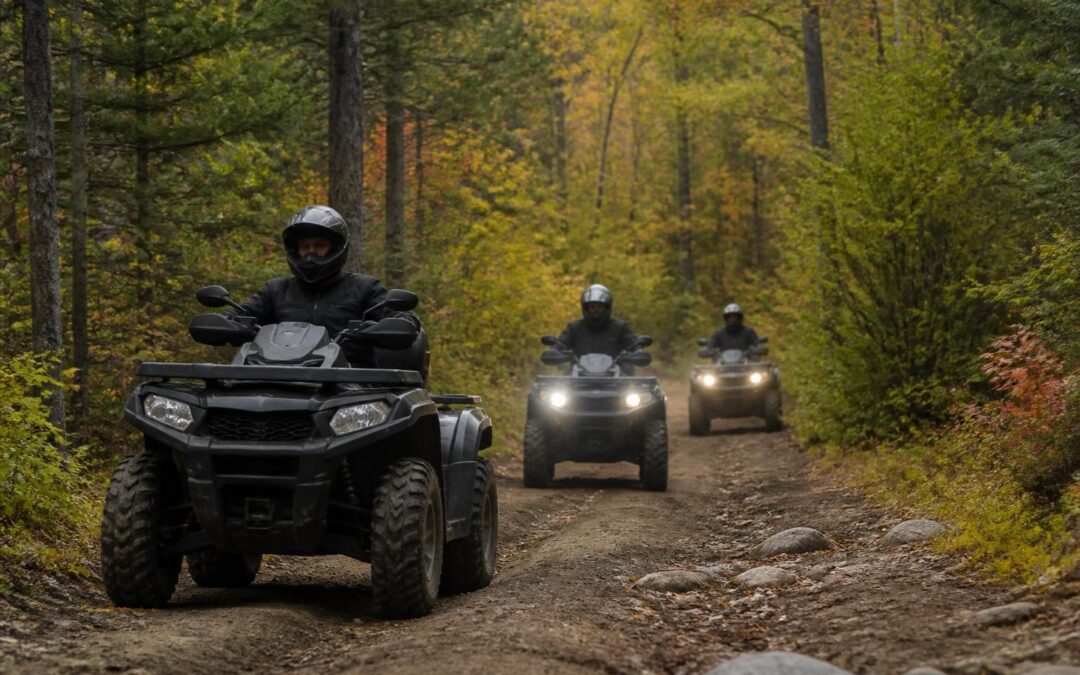
Maine's Interconnected Trail System, commonly known as its trails maine, represents one of the most extensive and well-maintained ATV networks in the northeastern United States. The Kennebec Valley region serves as a critical hub within this vast trail network, offering riders access to hundreds of miles of diverse terrain, from river valleys to mountain ridges. Whether you're a seasoned ATV enthusiast or planning your first off-road adventure, the its trails maine system in the Kennebec Valley provides exceptional opportunities to explore Maine's rugged beauty while connecting with a vibrant community of outdoor recreationalists. To view our official visitors guide click here.
Understanding the ITS Trails Maine Network
The Interconnected Trail System represents a collaborative effort between landowners, state agencies, local clubs, and outdoor enthusiasts to create a seamless ATV experience across Maine. Within the Kennebec Valley, its trails maine connects multiple communities, providing riders with access to both wilderness areas and charming towns where they can refuel, grab a meal, or spend the night.
The Maine Trails Program has invested significantly in developing and maintaining these trails, with $30 million in state funding allocated through 2034. This commitment ensures that the its trails maine system continues to grow and improve, offering riders better signage, smoother surfaces, and enhanced safety features.
Trail Classifications and Access Points
The its trails maine network in Kennebec Valley includes several trail classifications:
- Primary corridors: Major routes connecting communities and trail systems
- Secondary trails: Branch routes offering scenic detours and wilderness access
- Multi-use trails: Shared pathways accommodating ATVs, snowmobiles, and other vehicles
- Technical trails: Challenging routes for experienced riders seeking adventure
Access points throughout the region provide convenient entry to the trail system. Popular staging areas include locations in Bingham, Caratunk, The Forks, and Moscow, each offering parking facilities and basic amenities for riders.
Kennebec Valley Trail Highlights and Riding Zones
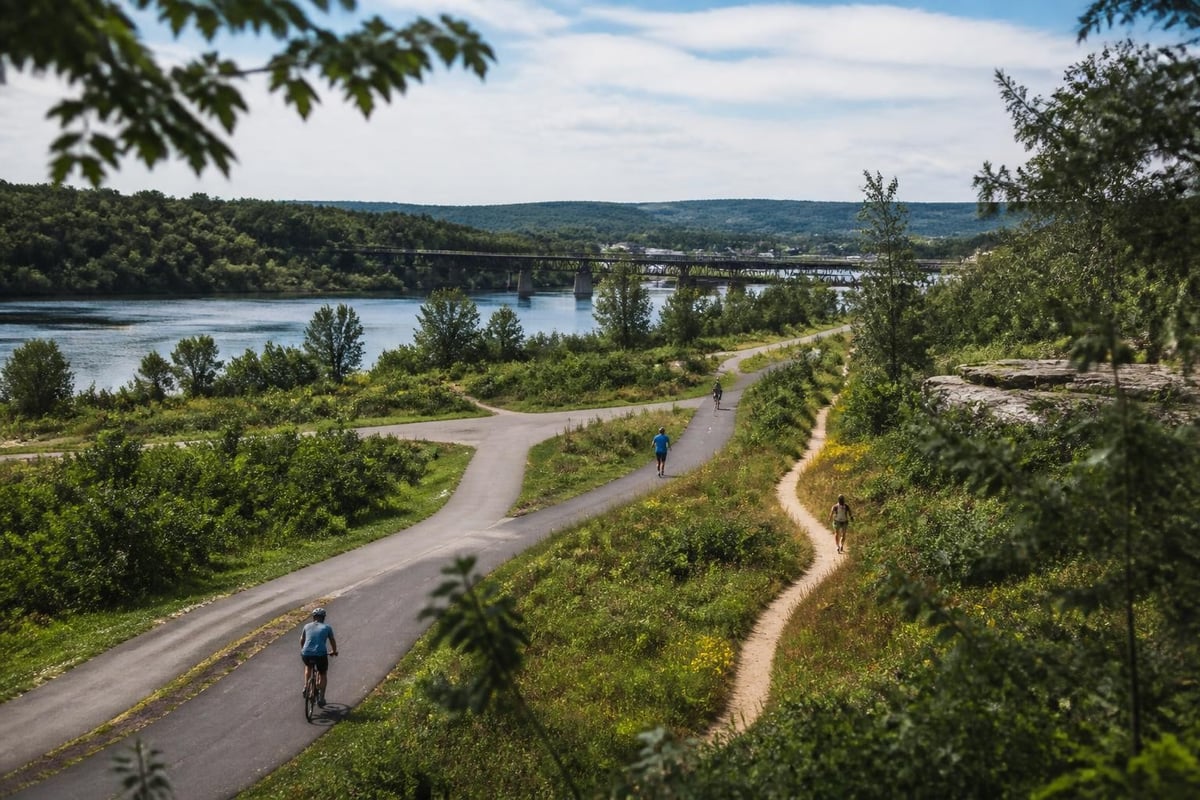
The Kennebec Valley offers distinct riding zones, each with unique characteristics and attractions. The northern sections of its trails maine in this region feature mountainous terrain with elevation changes that challenge riders while rewarding them with spectacular vistas. The Dead River region provides access to pristine wilderness areas where wildlife sightings are common and the sense of remoteness is profound.
Central valley trails follow historic routes along the Kennebec River corridor, passing through working landscapes where forestry operations continue today. These trails offer a glimpse into Maine's economic heritage while providing smooth, well-maintained riding surfaces. Southern sections connect to agricultural areas and small towns where local hospitality welcomes trail riders.
Seasonal Considerations for Trail Riding
| Season | Trail Conditions | Best Features | Considerations |
|---|---|---|---|
| Late Spring | Drying out, some muddy sections | Wildflowers, migrating birds | Check local conditions before riding |
| Summer | Dry, dusty, optimal | Long daylight hours, warm weather | Bring extra water, dust masks |
| Early Fall | Perfect conditions | Foliage colors, cooler temps | Most popular season, expect company |
| Late Fall | Variable, preparing for snow | Fewer crowds, hunting season | Wear orange, check hunting schedules |
The Maine Department of Inland Fisheries and Wildlife provides current trail conditions and usage guidelines that help riders plan their adventures safely and responsibly.
Trail Etiquette and Responsible Riding
Riding its trails maine requires understanding and respecting the privilege of accessing private lands. Approximately 85% of Maine's trail system crosses private property, made available through the generosity of landowners who allow public access. This arrangement depends entirely on riders demonstrating responsible behavior and environmental stewardship.
Essential trail etiquette includes:
- Staying on marked trails at all times
- Respecting posted speed limits and quiet hours
- Packing out all trash and waste
- Yielding to other trail users appropriately
- Avoiding sensitive areas during wet conditions
- Supporting local trail clubs through membership
The relationship between landowners and trail users represents a unique partnership that benefits everyone. When riders demonstrate respect for property and environment, landowners continue to grant access, ensuring the its trails maine system remains viable for future generations.
Supporting the Trail System Through Club Membership
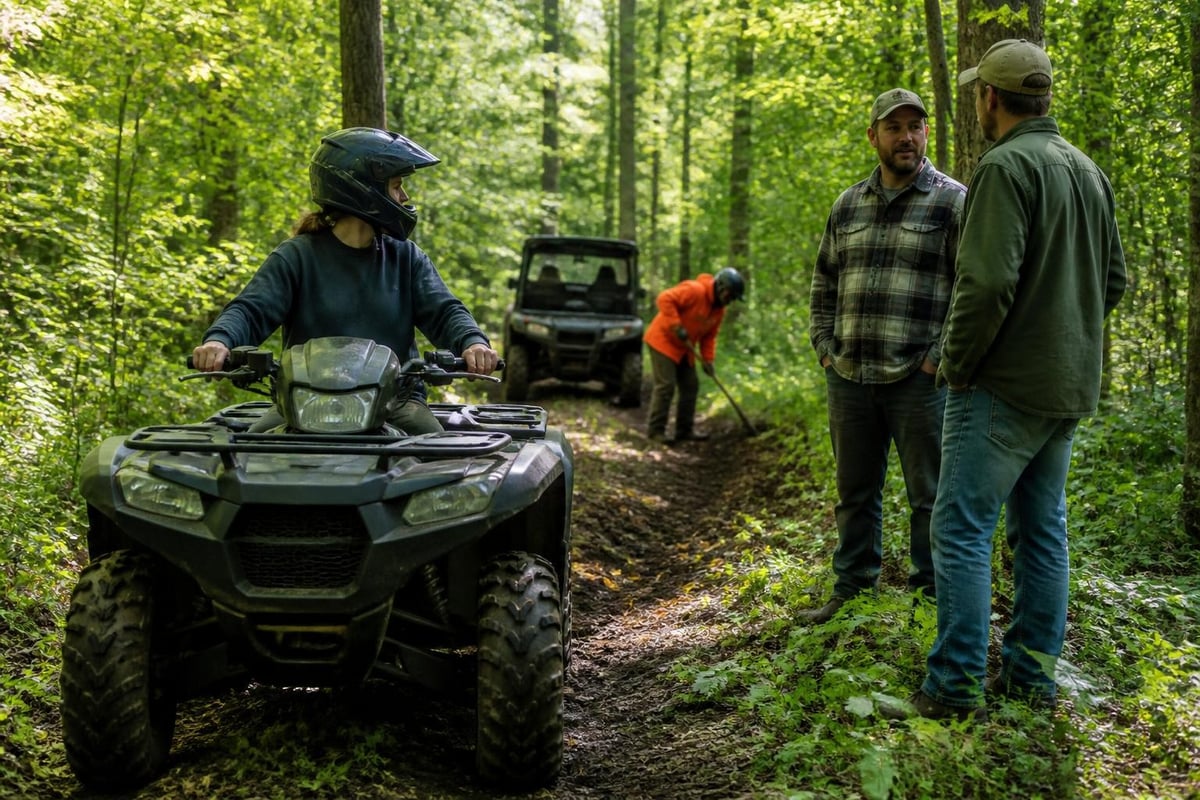
Local ATV clubs maintain and groom the majority of its trails maine in the Kennebec Valley. These volunteer organizations invest countless hours marking routes, clearing brush, building bridges, and coordinating with landowners. Club membership fees directly support these maintenance activities while providing riders with detailed trail maps, insider knowledge, and community connections.
Joining a club before riding its trails maine demonstrates commitment to the system's sustainability. The extensive network of ATV trails maintained by these organizations includes multi-use paths and rail trails that require consistent upkeep and seasonal preparation.
Planning Your ITS Trails Maine Adventure
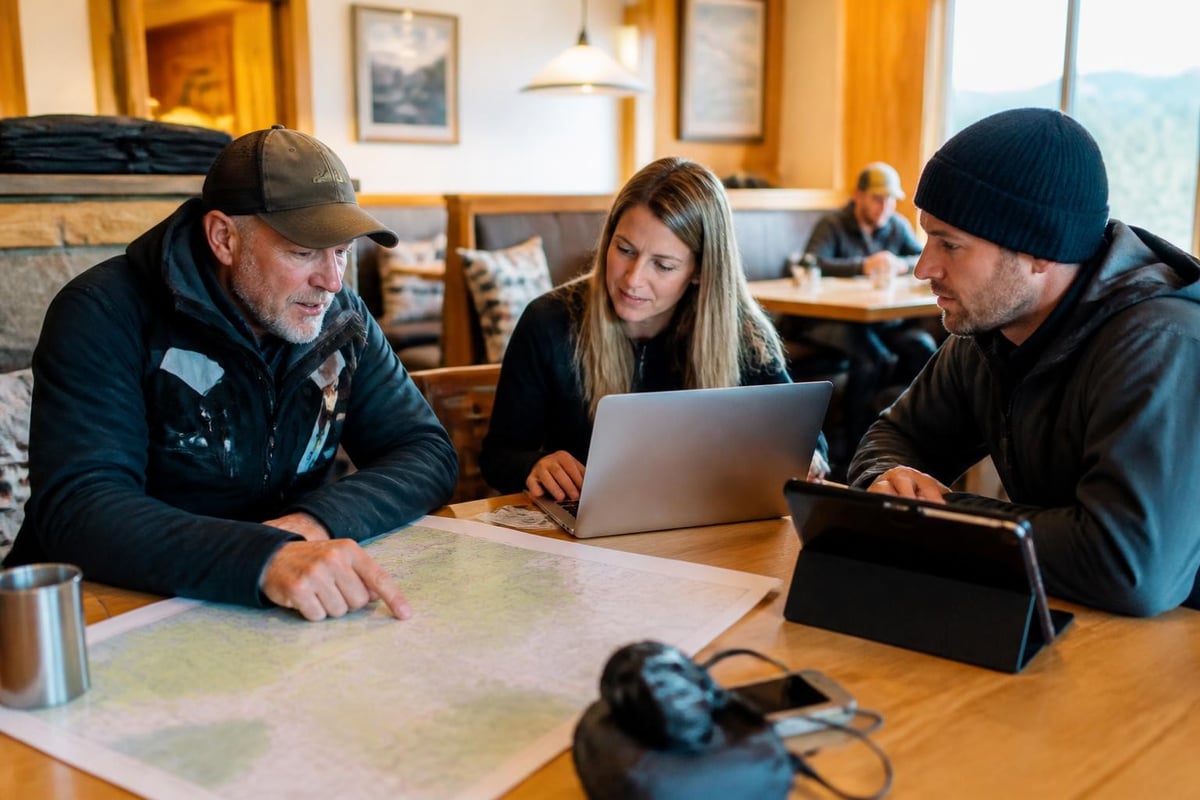
Successful trail riding requires thoughtful preparation, especially when exploring unfamiliar sections of its trails maine in the Kennebec Valley. Digital mapping tools have revolutionized trip planning, allowing riders to preview routes, identify services, and understand terrain before leaving home. The Maine Trail Finder provides interactive mapping features that help riders locate trails and plan adventures across the state.
Pre-Ride Preparation Checklist
- Obtain current trail maps from local clubs or digital sources
- Verify registration and insurance requirements for your ATV
- Check weather forecasts and trail condition reports
- Plan fuel stops based on your ATV's range and trail distances
- Identify lodging options if planning multi-day trips
- Pack emergency supplies including first aid, tools, and communication devices
- Inform someone of your planned route and expected return time
The Kennebec Valley region offers numerous lodging options catering specifically to ATV riders, from rustic cabins to full-service hotels with trailer parking. Many establishments provide direct trail access, allowing riders to start their day's adventure right from their accommodation. These trail-friendly businesses understand the needs of ATV enthusiasts and offer amenities like equipment storage, washing stations, and early breakfast options.
Equipment and Gear Recommendations
Riding its trails maine demands appropriate equipment and protective gear. While Maine law mandates certain safety equipment, experienced riders go beyond minimum requirements to ensure comfort and security during extended trail sessions.
Essential riding gear includes:
- DOT-approved helmet with face shield or goggles
- Protective gloves with grip and impact protection
- Sturdy boots with ankle support and sole protection
- Layered clothing appropriate for changing weather conditions
- Hydration pack or water bottles
- GPS device or smartphone with offline maps
- Basic tool kit specific to your ATV model
Quality outdoor gear ensures comfort during long rides through varying terrain and weather conditions. Companies like Ejenti Outdoor specialize in durable outdoor solutions that withstand the rigors of trail adventures, though riders should select equipment specifically designed for ATV use.
ATV Maintenance for Trail Riding
| Maintenance Item | Check Frequency | Importance |
|---|---|---|
| Tire pressure and tread | Before each ride | Critical for handling and safety |
| Brake function | Before each ride | Essential for control |
| Lights and signals | Before each ride | Required by law, vital for visibility |
| Oil level and condition | Weekly or 25 hours | Prevents engine damage |
| Air filter | After dusty rides | Maintains performance |
| Chain/belt tension | Weekly | Ensures power transfer |
Trail conditions in Kennebec Valley can be demanding on equipment. Dust, rocks, water crossings, and variable terrain stress ATV components differently than recreational riding on private property. Regular maintenance prevents breakdowns in remote areas where assistance may be hours away.
Connecting Communities Through Trail Networks
The its trails maine system functions as more than recreational infrastructure; it serves as economic connectors for small communities throughout the Kennebec Valley. Trail riders bring business to rural areas that might otherwise struggle to attract visitors. Restaurants, fuel stations, lodging facilities, and specialty shops benefit from the steady flow of ATV enthusiasts exploring the region.
Towns like Bingham, Jackman, and The Forks have embraced their position along its trails maine, developing ATV-friendly amenities and services. Local businesses offer everything from emergency repairs to gourmet dining, creating a welcoming atmosphere for riders who might spend several days exploring the area's extensive trail network.
Multi-Day Trail Adventures
Extended trips along its trails maine in the Kennebec Valley allow riders to experience the region's diversity fully. A typical three-day itinerary might include:
Day One: Northern wilderness trails through the Dead River region, with overnight in Stratton or Eustis, covering approximately 75 miles of predominantly forested trails with significant elevation changes and minimal traffic.
Day Two: Central valley routes along the Kennebec River corridor, passing through Moscow and Bingham, exploring approximately 80 miles of varied terrain including riverside trails, open ridges, and connections to communities for lunch and fuel stops.
Day Three: Southern trails connecting to multi-use rail trails, returning through scenic agricultural lands and small towns, completing the loop with approximately 70 miles of moderate riding and opportunities for final trail photos and community visits.
Planning these adventures requires coordination with local resources and advance booking for accommodations during peak seasons. Events hosted throughout the Kennebec Valley often align with optimal riding conditions, creating opportunities to combine trail adventures with cultural experiences.
Environmental Stewardship on the Trails
Preserving the natural beauty that makes its trails maine so appealing requires active environmental stewardship from every rider. The ecosystems along these trails support diverse wildlife, protect water quality, and maintain the region's ecological balance. Responsible riding practices minimize impact and demonstrate respect for the environment.
Key environmental practices:
- Avoid creating new trails or shortcuts
- Cross water bodies only at designated locations
- Reduce speed near wildlife to minimize disturbance
- Never litter or dump waste on trails or in natural areas
- Report environmental concerns to local clubs or authorities
- Stay on trails during wet conditions to prevent erosion
- Respect seasonal closures protecting sensitive habitats
The Recreational Trails Program provides funding for trail development and maintenance that incorporates environmental protection measures, ensuring that its trails maine remains sustainable long-term.
Trail Safety and Emergency Preparedness
Safety consciousness separates experienced trail riders from novices. While its trails maine in the Kennebec Valley is generally well-maintained and marked, remote locations mean that help isn't immediately available during emergencies. Riders must be self-sufficient and prepared to handle unexpected situations.
Emergency Preparedness Essentials
Beyond standard riding gear, carry these emergency items:
- Charged cell phone with backup battery
- Physical map as backup to GPS
- Basic first aid supplies including trauma dressings
- Emergency shelter (space blanket minimum)
- Fire-starting materials
- Extra food and water beyond planned needs
- Whistle for signaling
- Reflective materials for visibility
Riding with partners significantly improves safety on its trails maine. Groups should maintain visual contact, use hand signals for communication, and establish meeting points before separating. Solo riders should be especially vigilant about informing others of their plans and expected return times.
Contributing to Trail Sustainability
The future of its trails maine depends on current users investing in the system's sustainability. Beyond club memberships, riders can contribute through volunteer maintenance days, advocacy for trail-friendly policies, and education of new riders about responsible practices.
Trail adoption programs allow individuals or groups to take responsibility for specific sections of its trails maine, performing regular maintenance and reporting issues to club leadership. These programs distribute maintenance workload while giving riders deeper connection to their favorite trail segments.
| Contribution Method | Impact Level | Time Commitment | Skill Required |
|---|---|---|---|
| Club membership | High | Minimal | None |
| Volunteer maintenance | Very high | Moderate | Basic |
| Trail adoption | Very high | Significant | Moderate |
| New rider education | High | Variable | Experienced |
| Landowner relations | High | Minimal | Good communication |
| Financial donations | High | None | None |
Supporting local businesses that cater to ATV riders also contributes to trail sustainability. These establishments often sponsor club activities, donate to maintenance funds, and advocate for trail-friendly policies with local governments.
Seasonal Transitions and Trail Access
Maine's distinct seasons transform the character of its trails maine throughout the year. While summer and fall represent peak ATV seasons, understanding seasonal transitions helps riders maximize their experiences and avoid damaging trails during vulnerable periods.
Spring thaw creates particularly sensitive conditions. As frost leaves the ground and snowmelt saturates soils, trails become susceptible to deep rutting and erosion. Many sections of its trails maine close during mud season, typically late March through early May, to protect trail surfaces and prevent long-term damage.
Late fall brings its own considerations as the transition to winter approaches. Trails used for both ATV and snowmobile traffic require preparation for seasonal changeover. Riders should verify that trails remain open for ATV use, as some sections close when snow depth reaches levels suitable for snowmobiling.
The Maine snowmobile trail system shares infrastructure with its trails maine in many locations, creating a year-round trail culture in the Kennebec Valley. Understanding these seasonal transitions helps riders plan adventures during optimal conditions while respecting necessary closures.
Exploring its trails maine in the Kennebec Valley offers ATV enthusiasts unparalleled access to Maine's wilderness, communities, and natural beauty through a network maintained by dedicated volunteers and supported by responsible riders. The region's diverse terrain, welcoming communities, and extensive trail infrastructure create ideal conditions for both day trips and extended adventures. Whether you're planning your first trail ride or your hundredth, Kennebec Valley Tourism Council provides the resources, guides, and local expertise to help you make the most of your ATV adventure in Maine's premier riding destination.