
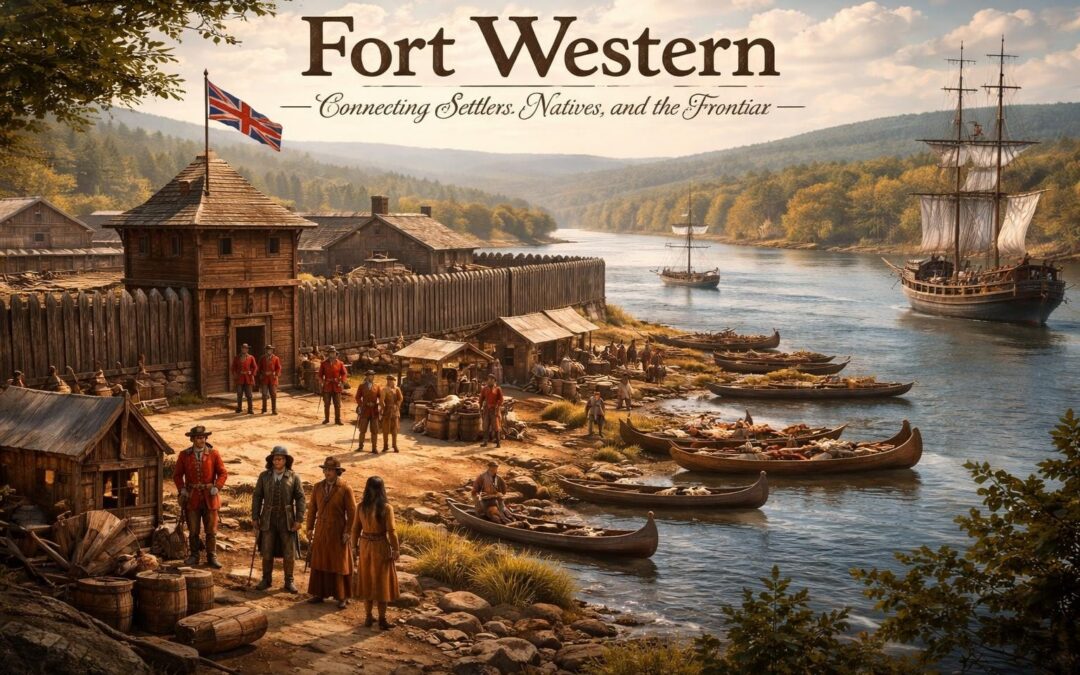
Nestled along the banks of the Kennebec River in Augusta, fort western maine stands as a remarkable testament to America’s colonial heritage. Built in 1754, this National Historic Landmark represents the oldest surviving wooden fort in the United States, offering visitors an authentic glimpse into 18th-century frontier life. The fort’s weathered timber walls and carefully preserved structures tell stories of military campaigns, trading expeditions, and the daily struggles of early American settlers who shaped Maine’s history during one of the most turbulent periods in colonial America.
To view our official visitors guide click here.
The Strategic Importance of Fort Western During Colonial Times
The construction of fort western maine emerged from urgent military necessity during the French and Indian War. British authorities recognized the Kennebec River as a critical transportation route connecting coastal settlements to interior territories, making fortification essential for protecting colonial interests and maintaining supply lines to northern garrisons.
Military Architecture and Defense Design
Fort Western’s original design reflected advanced military engineering principles of the mid-18th century. The stockade stretched 100 feet long and featured two-story blockhouses positioned at opposite corners, providing overlapping fields of fire to defend against potential attacks. According to FortWiki’s detailed account, these defensive structures incorporated timber construction techniques that maximized defensive capabilities while utilizing readily available local materials.
The fort’s main building served multiple functions beyond military operations:
-
Garrison quarters for British soldiers stationed along the frontier
-
Trading post facilities for commerce with Native American communities
-
Supply depot supporting Benedict Arnold’s 1775 Quebec expedition
-
Administrative center for British colonial governance in the region
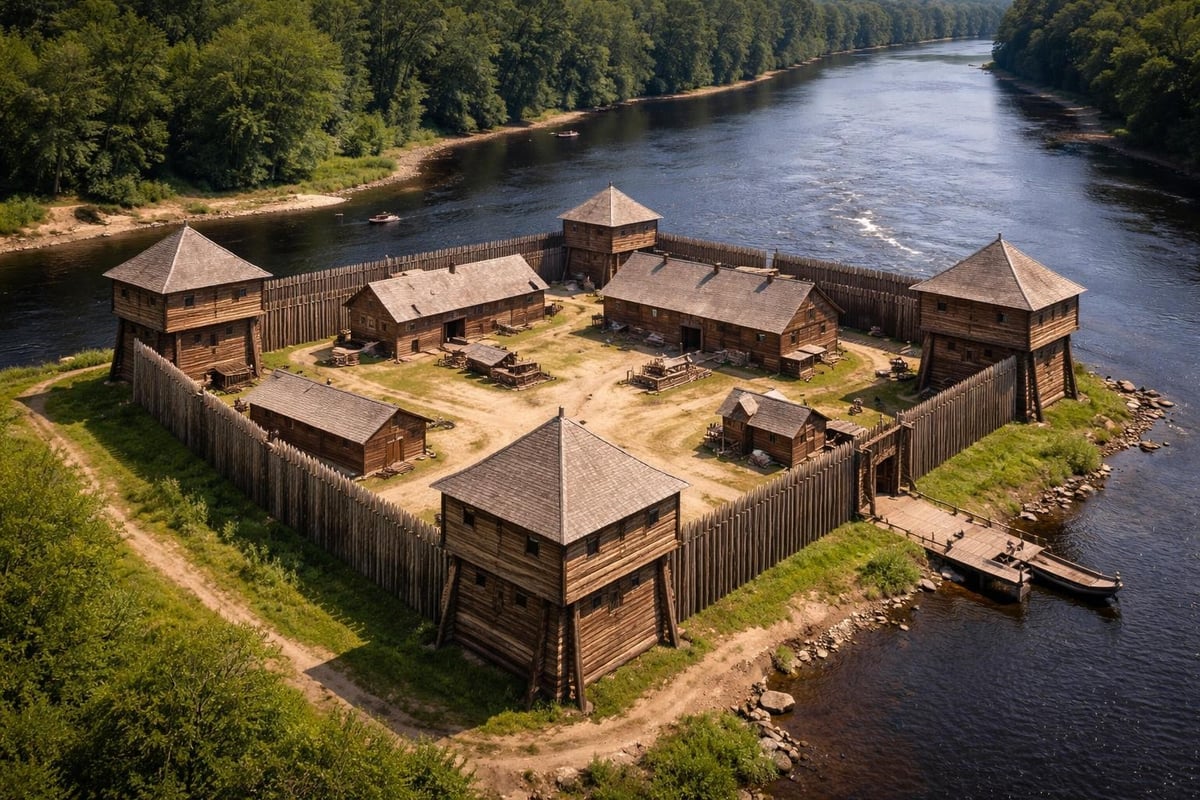
The garrison typically housed between 16 to 20 soldiers, though this number fluctuated based on military threats and seasonal demands. Officers occupied the upper floors while enlisted men bunked in ground-level quarters, creating a hierarchical living arrangement that mirrored broader military social structures of colonial America.
From Military Outpost to Trading Center
After the French and Indian War concluded in 1763, fort western maine transitioned from military garrison to commercial trading post. This transformation reflected broader economic shifts as frontier security improved and commercial opportunities expanded throughout the Kennebec Valley region.
The Howard family acquired the property in 1767 and operated it as a prosperous general store and trading center for nearly a century. Their business records, preserved in historical archives, reveal fascinating details about frontier commerce, including trade goods ranging from imported textiles to locally produced agricultural products.
Economic Activities and Regional Commerce
|
Trading Activity |
Primary Goods |
Trading Partners |
|---|---|---|
|
Native American Trade |
Furs, pelts, crafts |
Abenaki communities |
|
Settler Supplies |
Tools, fabric, household items |
Frontier families |
|
Agricultural Commerce |
Grain, livestock, timber |
Regional merchants |
|
River Transport |
Goods shipment, passenger service |
Coastal ports |
The fort’s location proved ideal for commercial operations. River access enabled efficient transportation of goods while the established infrastructure provided secure storage and trading facilities. The Maine Historic Preservation Commission notes that Fort Western’s commercial success contributed significantly to Augusta’s early economic development and eventual designation as Maine’s state capital.
Living History Museum and Educational Programs
Today, fort western maine operates as an immersive living history museum that brings colonial America to life through authentic demonstrations and interactive exhibits. The museum’s educational approach emphasizes hands-on learning experiences that engage visitors of all ages in understanding 18th-century life along the Maine frontier.
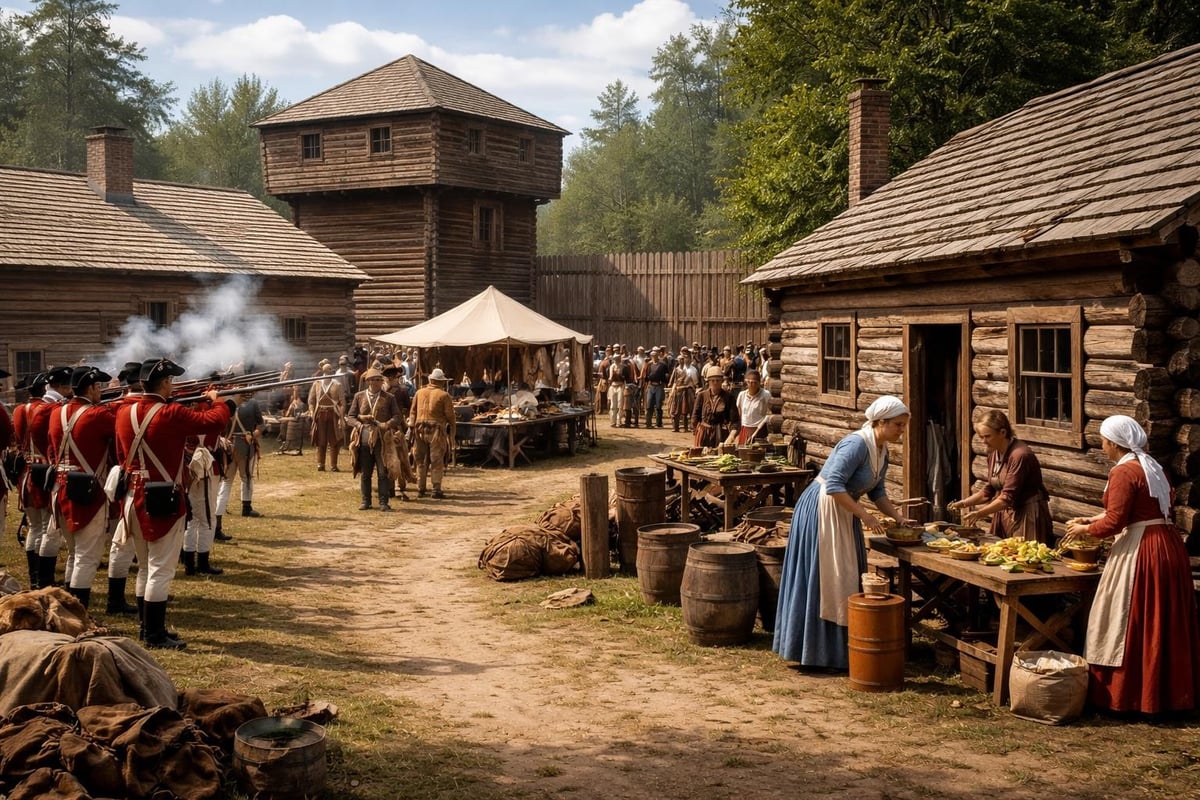
Professional interpreters dressed in period-appropriate clothing demonstrate daily activities that would have occurred at the fort during its operational years. These demonstrations cover diverse aspects of colonial life, from military drills and musket firing to domestic tasks like cooking, textile production, and blacksmithing.
Interactive Experiences for Visitors
Visitors can participate in numerous activities that provide tactile connections to historical experiences:
-
Military drills following 18th-century British Army protocols
-
Colonial cooking demonstrations using authentic recipes and techniques
-
Woodworking workshops showcasing traditional carpentry methods
-
Textile production including spinning, weaving, and natural dyeing
-
Archaeological exploration learning about ongoing preservation efforts
The Fort Western Living History Museum operates seasonally, typically from late spring through early fall, with special events scheduled throughout the year. These events recreate specific historical moments, from military encampments to harvest celebrations, providing visitors with comprehensive understanding of seasonal rhythms that governed frontier life.
Architectural Preservation and Restoration Efforts
The remarkable survival of fort western maine through 270 years required dedicated preservation efforts spanning multiple generations. Unlike many colonial structures lost to fire, decay, or demolition, Fort Western benefited from continuous occupation and periodic restoration work that maintained its structural integrity.
Major restoration phases transformed the site:
The most significant restoration occurred in the 1920s when local historical societies recognized the fort’s national significance. Workers carefully documented original construction methods before undertaking repairs, ensuring historical accuracy in restoration work. The Library of Congress collection preserves photographic documentation of these early preservation efforts, providing valuable insights into restoration techniques and historical condition assessment.
Modern preservation continues through ongoing maintenance programs and archaeological investigations. These efforts uncover new information about the fort’s construction, occupation patterns, and role within broader colonial networks. Ground-penetrating radar and careful excavation reveal artifacts ranging from military equipment to household items, each contributing pieces to the comprehensive historical narrative.
Restoration Challenges and Solutions
|
Challenge |
Solution Implemented |
Result |
|---|---|---|
|
Timber deterioration |
Selective replacement with period-appropriate wood |
Structural stability maintained |
|
Foundation settling |
Engineering assessment and stabilization |
Long-term structural integrity |
|
Historical accuracy |
Archaeological research and documentation |
Authentic reconstruction methods |
|
Weather exposure |
Protective treatments and regular maintenance |
Extended material longevity |
The Daughters of the American Revolution played crucial roles in early preservation advocacy, raising awareness about the fort’s historical significance and supporting restoration funding initiatives. Their efforts ensured that fort western maine received proper recognition as a National Historic Landmark, securing federal protection and preservation resources.
Fort Western’s Role in Revolutionary War History
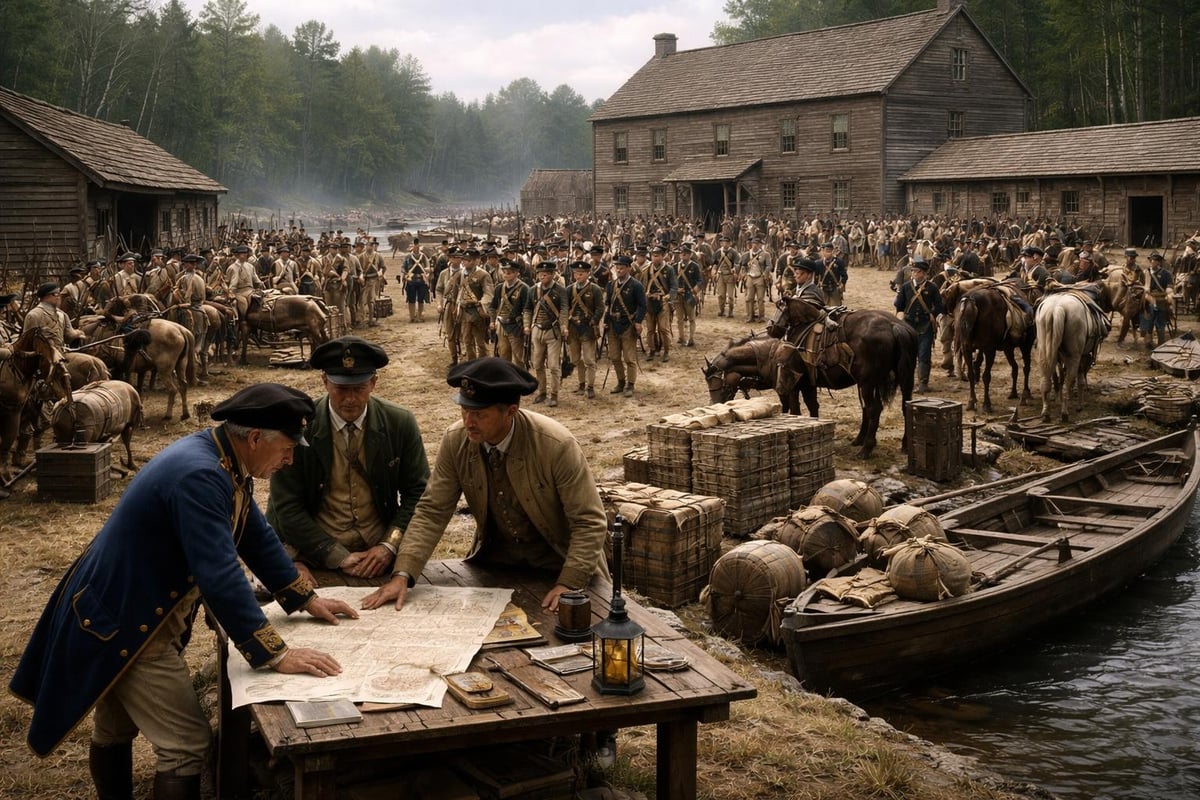
While constructed during the French and Indian War, fort western maine gained additional historical significance during the American Revolution. The fort served as a staging point for one of the most ambitious military campaigns of the war-Benedict Arnold’s ill-fated expedition to Quebec in 1775.
Arnold’s force of approximately 1,100 men departed from Fort Western in September 1775, embarking on a grueling wilderness journey that tested human endurance limits. The expedition aimed to capture Quebec and bring Canada into the revolutionary cause, though logistical challenges, harsh weather, and inadequate supplies ultimately doomed the mission.
The fort provided critical support services:
-
Assembly point for troops from various colonial regiments
-
Supply depot for provisions, weapons, and equipment
-
Final resupply location before wilderness travel
-
Communication hub for military dispatches
Maine Public’s historical event coverage explores Fort Western’s extended role throughout nearly three centuries of Kennebec Valley history, highlighting connections between military, commercial, and community functions that evolved across different historical periods.
Planning Your Visit to Fort Western Maine
Modern visitors to fort western maine discover a wealth of educational opportunities and engaging experiences that make history accessible and memorable. The museum’s location in downtown Augusta provides convenient access to additional regional attractions throughout the Kennebec Valley, allowing travelers to combine historical exploration with outdoor recreation and cultural activities.
Visitor amenities include:
-
Guided tours led by knowledgeable interpreters
-
Self-guided exploration options with informational signage
-
Gift shop featuring historically inspired items and local crafts
-
Picnic areas along the scenic Kennebec River
-
Accessible facilities for visitors with mobility considerations
The fort’s seasonal programming offers diverse experiences throughout the operating months. Spring visits coincide with river activities and emerging foliage, while summer brings peak programming with daily demonstrations and special weekend events. Fall visitors enjoy spectacular autumn colors framing the historic structures, creating exceptional photography opportunities.
Special Events and Annual Programs
Fort Western hosts numerous special events that expand upon regular programming. Military reenactments bring history to life with authentic uniforms, weapons demonstrations, and tactical drills. These events often feature reenactment groups from throughout New England, creating large-scale historical recreations that transport visitors to pivotal moments in colonial and revolutionary history.
Holiday celebrations present another dimension of historical interpretation. Colonial-era observances differed significantly from modern traditions, and the museum’s programs educate visitors about authentic historical practices. From harvest festivals to winter celebrations, these events illuminate seasonal rhythms and cultural traditions that structured early American life.
The museum also coordinates with various events across the Kennebec Valley, creating opportunities for visitors to experience multiple attractions during single trips. This coordination enhances tourism experiences while supporting broader regional economic development through cultural heritage programming.
Educational Outreach and School Programs
Beyond serving general visitors, fort western maine functions as an invaluable educational resource for schools throughout Maine and New England. Curriculum-aligned programs support state learning standards while providing experiential education that textbooks alone cannot deliver.
School program offerings include:
-
Colonial life exploration covering daily routines, social structures, and material culture
-
Military history modules examining warfare tactics and soldier experiences
-
Native American relations discussing trade, diplomacy, and cultural exchange
-
Economic development studies analyzing frontier commerce and regional growth
-
Archaeological methods introducing scientific approaches to historical research
Teachers receive comprehensive preparatory materials that integrate fort visits into broader curriculum units. Post-visit resources support continued learning, helping students connect historical experiences to contemporary issues and broader historical patterns. This approach transforms single-day visits into extended learning opportunities that reinforce critical thinking about historical change, cultural diversity, and regional identity.
The museum staff regularly updates educational programming based on current scholarship and pedagogical best practices. This commitment ensures that fort western maine remains relevant for successive student generations while maintaining rigorous historical accuracy in all interpretive content.
Regional Context and Cultural Significance
Understanding fort western maine requires appreciating its position within broader regional and national historical narratives. The fort represents one node in extensive networks of colonial fortifications, trading posts, and settlements that gradually expanded European presence across North America. Its preservation allows contemporary audiences to comprehend the complex processes through which colonial societies developed, contested territories, and interacted with indigenous populations.
The Town Line Newspaper’s historical coverage contextualizes Fort Western within the Kennebec Valley’s extensive historical landscape, connecting individual sites to comprehensive regional development patterns. This perspective reveals how local histories contribute to understanding larger historical transformations that shaped American society.
Fort Western’s National Historic Landmark designation reflects its exceptional national significance. Among thousands of historic sites across the United States, relatively few receive this prestigious recognition, reserved for properties possessing exceptional value in commemorating or illustrating American heritage. This designation acknowledges fort western maine as an irreplaceable historical resource deserving the highest preservation standards and public accessibility.
Comparative Historical Significance
When compared to other colonial fortifications, Fort Western’s survival and authenticity distinguish it from numerous reconstructed or archaeological sites. While many forts exist only as archaeological remains or modern reconstructions based on historical documentation, Fort Western offers tangible connections to actual 18th-century construction. Visitors touch the same timber beams, walk the same floorboards, and inhabit the same spaces that colonial soldiers, traders, and families occupied centuries ago.
This authenticity creates powerful educational opportunities impossible at reconstructed sites. The wear patterns on wooden surfaces, the settlement of foundations, and the patina of age all communicate historical information that reproduction structures cannot replicate. These subtle details allow trained interpreters and curious visitors to read history directly from physical evidence, supplementing documentary sources with material culture analysis.
Contemporary Relevance and Community Connections
Fort western maine continues serving vital community functions beyond historical preservation and tourism. The site hosts community events, provides venue space for educational programs, and serves as a cultural anchor for Augusta and the broader Kennebec Valley region. These contemporary uses ensure the fort remains integrated into living community life rather than existing as an isolated museum artifact.
Local organizations partner with the fort for various initiatives, from educational collaborations to cultural celebrations. These partnerships strengthen community bonds while expanding the fort’s reach and relevance. Young people gain historical awareness and community pride through engagement with their local heritage, while visitors from outside the region develop appreciation for Maine’s unique contributions to American history.
The fort also contributes to regional economic vitality through heritage tourism. Visitors attracted to historical sites patronize local businesses, stay in area lodging, and dine at regional restaurants. This economic impact demonstrates how historic preservation generates tangible contemporary benefits beyond educational and cultural values, making fort western maine an asset for comprehensive community development strategies.
Fort western maine offers an unparalleled window into colonial American life, military history, and the development of Maine’s Kennebec Valley region. Its authentic structures, engaging programming, and exceptional preservation make it an essential destination for history enthusiasts and curious travelers alike. Whether you’re planning a family outing, educational field trip, or personal historical exploration, the Kennebec Valley Tourism Council provides comprehensive resources to help you discover Fort Western and countless other attractions that make this region a premier travel destination for those seeking authentic New England experiences.