
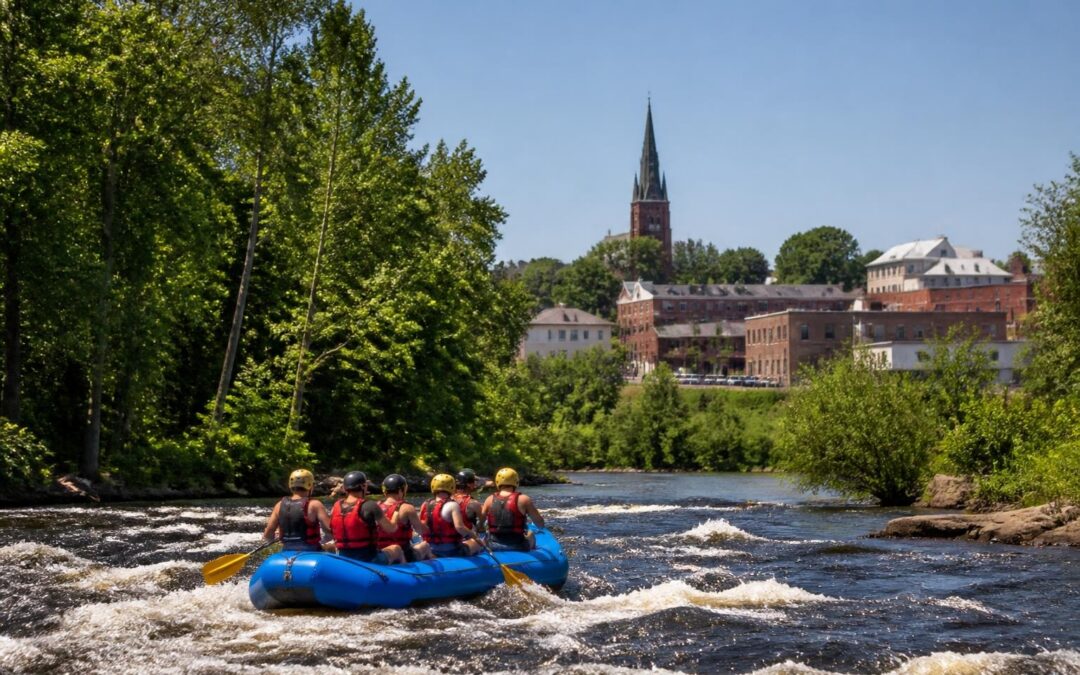
The kennebec valley stretches across central Maine, offering travelers a distinctive blend of natural beauty, cultural richness, and outdoor adventure that spans four seasons. This region encompasses vibrant cities, historic towns, and pristine wilderness areas along the Kennebec River, creating opportunities for visitors seeking everything from adrenaline-pumping activities to peaceful retreats. Whether you're planning a weekend escape or an extended exploration of Maine's heartland, the region delivers authentic experiences that showcase the best of New England's character and hospitality.
Geographic Scope and Regional Identity
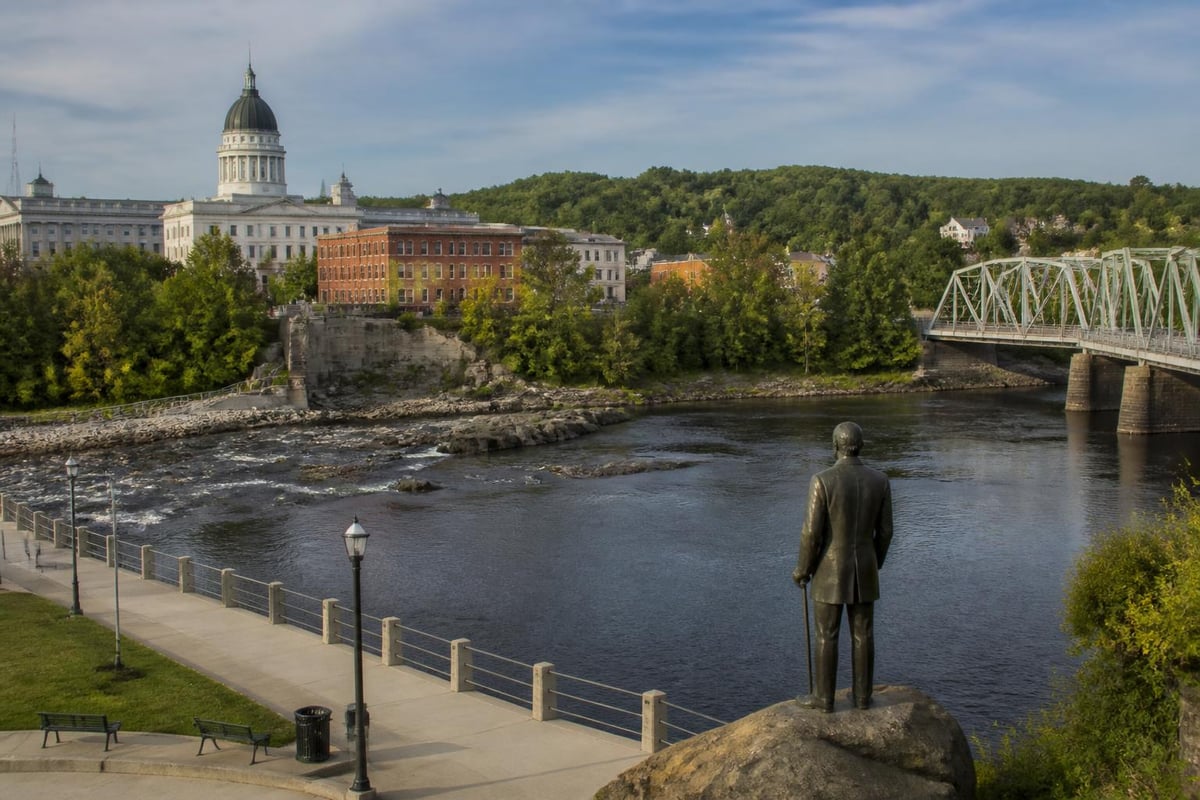
The kennebec valley encompasses multiple counties in central Maine, with the Kennebec River serving as the region's defining natural feature. This waterway has shaped the area's development for centuries, influencing settlement patterns, economic growth, and recreational opportunities that continue to attract visitors today.
Communities That Define the Valley
Several distinctive communities anchor the region, each contributing unique characteristics to the overall visitor experience. Augusta, Maine's capital city, provides governmental and cultural institutions alongside modern amenities. Waterville offers educational attractions and a revitalized downtown district. Skowhegan preserves agricultural traditions while embracing arts initiatives. Gardiner showcases historic architecture along its riverfront, and smaller communities like Belgrade Lakes provide quintessential Maine lake experiences.
The Kennebec Valley Council of Governments coordinates regional planning efforts that maintain the area's quality of life while supporting sustainable tourism development. This collaborative approach ensures that growth enhances rather than diminishes the authentic character that makes the region special.
Outdoor Recreation Opportunities
Whitewater Adventures on the Kennebec River
The kennebec valley has earned international recognition for exceptional whitewater rafting experiences on the Kennebec and Dead Rivers. Spring snowmelt and controlled releases from hydroelectric dams create challenging Class III and IV rapids that attract adventure seekers from across North America.
Multiple professional outfitters operate along the river corridor, offering guided trips suitable for various skill levels. Half-day and full-day excursions include transportation, equipment, and experienced guides who ensure safety while maximizing excitement. The rafting season typically runs from late April through October, with peak flows occurring during spring and early summer months.
| Season | Water Levels | Experience Level | Best For |
|---|---|---|---|
| Spring (May-June) | Highest | Intermediate-Advanced | Maximum thrills |
| Summer (July-August) | Moderate | All levels | Family trips |
| Fall (September-October) | Lower | Beginner-Intermediate | Scenic floats |
Trail Systems and Hiking Destinations
Beyond water-based activities, the region offers extensive trail networks through diverse terrain. The Kennebec Valley Trail spans 18 miles, connecting communities and providing multi-use pathways for walking, cycling, and cross-country skiing. Mountain trails range from gentle woodland walks to challenging summit hikes that reward effort with panoramic valley views.
Belgrade Lakes region trails wind through forests surrounding seven interconnected lakes, offering shoreline access and wildlife viewing opportunities. These paths accommodate various abilities and interests, from short nature walks to full-day backpacking adventures. Trail conditions vary seasonally, with mud season (April-May) requiring extra preparation.
Winter Sports and Snow Activities
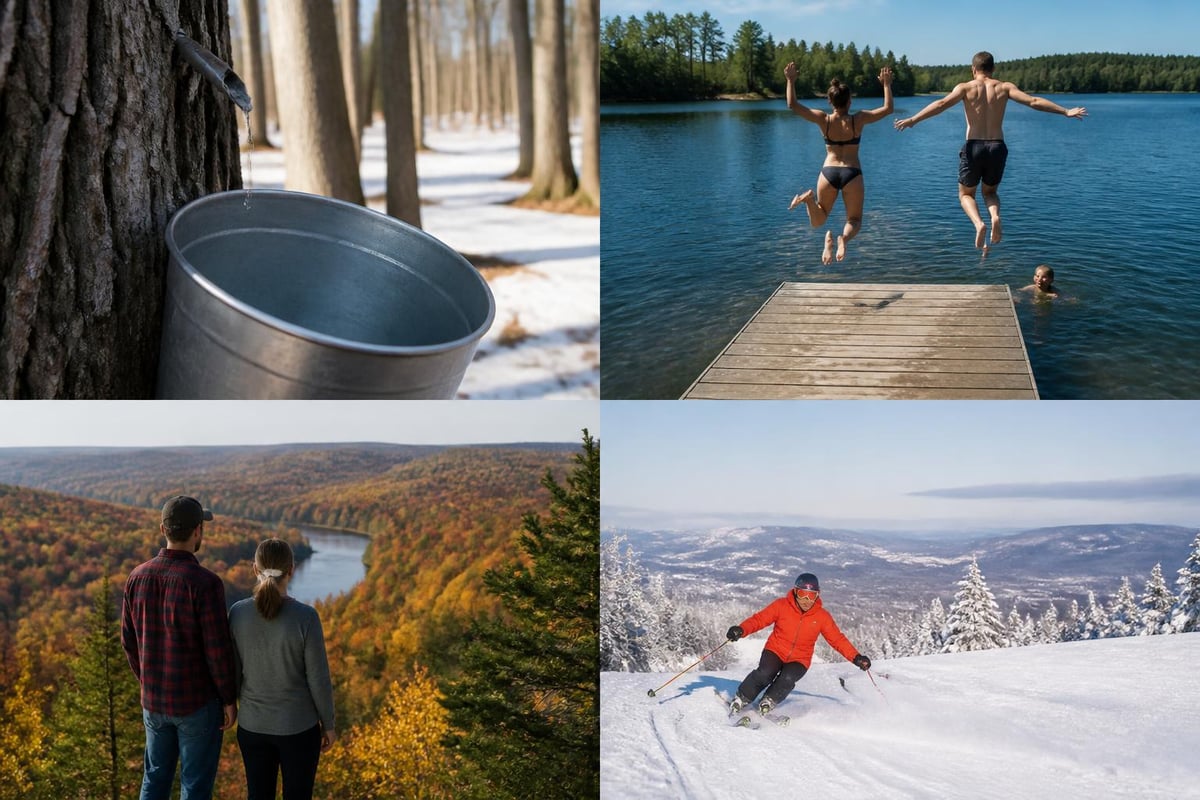
Winter transforms the kennebec valley into a haven for cold-weather enthusiasts. Cross-country ski centers maintain groomed trail systems, while snowmobile routes connect communities across hundreds of miles of maintained corridors. Ice fishing attracts anglers to frozen lakes, and downhill skiing options exist within reasonable driving distances.
Snowshoeing has gained popularity as an accessible winter activity requiring minimal equipment investment. Many summer hiking trails transform into winter wonderlands, offering peaceful experiences away from crowded ski resorts. Camping opportunities extend into winter months for hardy adventurers seeking true wilderness experiences.
Cultural Attractions and Heritage Sites
Historical Landmarks and Museums
The kennebec valley preserves significant historical assets that illuminate Maine's development from indigenous settlements through industrial expansion. Fort Western in Augusta, built in 1754, stands as the oldest surviving wooden fort in North America and offers living history programs that bring colonial-era experiences to life.
The region's cultural heritage reflects diverse influences, including Native American traditions, European settlement patterns, and industrial innovation. Museums throughout the valley interpret these stories through exhibits, artifacts, and educational programming designed for various age groups.
- Maine State Museum: Comprehensive collections documenting natural history, archaeology, and industrial heritage
- Redington Museum: Victorian-era mansion showcasing 19th-century lifestyle
- L.C. Bates Museum: Natural history specimens and art collections in historic setting
- Margaret Chase Smith Library: Presidential library honoring Maine's groundbreaking senator
Performing Arts and Entertainment Venues
Live performances enhance the cultural landscape across multiple venues. The Waterville Opera House hosts concerts, theater productions, and community events in a beautifully restored historic building. Skowhegan's theater companies produce seasonal shows, while Augusta's civic center accommodates larger touring performances and sporting events.
Summer brings outdoor concerts and festivals that celebrate music, arts, and local traditions. These events create opportunities for visitors to engage with local communities while experiencing Maine's creative spirit. Performance schedules vary seasonally, with peak programming occurring during summer and fall months.
Culinary Experiences and Local Flavors
The kennebec valley's food and beverage scene reflects agricultural traditions, creative innovation, and commitment to locally sourced ingredients. Farm-to-table restaurants partner with regional producers to create menus that change with seasonal availability.
Dining Options Across Price Points
Culinary choices range from casual diners serving classic Maine comfort food to upscale establishments offering sophisticated cuisine. Family-owned restaurants have operated for generations, maintaining recipes and hospitality traditions that define authentic New England dining experiences. Newer establishments bring contemporary approaches while respecting local ingredients and cooking methods.
| Dining Style | Characteristics | Typical Price Range | Best Locations |
|---|---|---|---|
| Classic Diners | Breakfast all day, comfort food | $ | All communities |
| Casual Restaurants | Regional specialties, family-friendly | $-$$ | Downtown districts |
| Farm-to-Table | Seasonal menus, local ingredients | $$-$$$ | Waterville, Augusta |
| Fine Dining | Chef-driven, wine pairings | $$$ | Major communities |
Breweries, Wineries, and Beverage Producers
Craft beverage production has expanded significantly throughout the region, with breweries, cideries, and distilleries offering tasting rooms and tours. These establishments often feature outdoor spaces where visitors can sample products while enjoying valley views. Many incorporate local ingredients, creating distinctive flavors that reflect Maine terroir.
Winery development has progressed despite challenging climate conditions, with cold-hardy grape varieties and fruit wines gaining recognition. Beverage trails connect multiple producers, allowing visitors to explore the region while sampling various products. Seasonal releases and special events create reasons to return throughout the year.
Seasonal Events and Annual Celebrations
Festival Calendar Highlights
Annual events punctuate the calendar, celebrating everything from agricultural heritage to artistic achievements. The Common Ground Country Fair showcases organic farming practices, traditional crafts, and sustainable living principles each September. Skowhegan's River Fest transforms the waterfront into celebration space with music, food vendors, and family activities.
Smaller communities host festivals that reflect local character and traditions. These gatherings provide authentic experiences where visitors interact with residents rather than experiencing commercialized tourism. Event schedules vary annually, making advance planning essential for those targeting specific celebrations.
Farmers Markets and Artisan Fairs
Weekly farmers markets operate throughout growing season, offering fresh produce, baked goods, handcrafted items, and prepared foods. These markets serve as community gathering spaces where visitors experience local culture while supporting small producers. Market locations rotate across communities, with some operating year-round in indoor venues.
Artisan fairs showcase regional craftspeople working in various mediums including pottery, woodworking, textiles, and metalwork. These events allow direct interaction with makers, providing insights into creative processes and opportunities to purchase unique items unavailable in commercial retail settings.
Planning Your Kennebec Valley Visit
Accommodation Options
Lodging choices span historic inns, modern hotels, lakeside cottages, and campgrounds that cater to different preferences and budgets. Bed and breakfast establishments offer personalized service in restored historic homes, while chain hotels provide predictable amenities near major highways. Vacation rentals have expanded options, particularly around Belgrade Lakes and other recreational areas.
Camping facilities range from primitive sites accessible only by foot or canoe to full-service campgrounds with electrical hookups and modern bathhouses. State parks and private campgrounds both offer quality experiences, with reservation systems ensuring availability during peak summer weekends.
Transportation and Accessibility
The kennebec valley's geography requires personal transportation for maximum flexibility, though some communities offer local transit services. Interstate 95 provides primary north-south access, while state routes connect interior communities and recreational areas. Augusta's position as state capital ensures good road maintenance and clear directional signage.
Portland International Jetport serves as the nearest major airport, located approximately 60 miles south of Augusta. Rental car services operate from the airport and major communities. Seasonal bus services connect some areas, though schedules may not align with typical tourism needs.
Unique Experiences Worth Seeking
Agricultural Tourism Opportunities
Working farms throughout the kennebec valley welcome visitors for educational experiences and hands-on activities. Maple sugar houses open during spring sugaring season, demonstrating traditional sap collection and boiling processes. Berry farms invite pick-your-own customers during summer months. Corn mazes challenge families each autumn, and some farms offer overnight accommodations.
These agritourism ventures provide revenue streams that help preserve agricultural land while educating visitors about food production. Many farms maintain farm stands selling products beyond their primary crops, creating one-stop shopping for locally produced goods.
Hidden Gems and Local Favorites
Beyond major attractions, the region contains countless lesser-known sites that reward exploration. Abandoned quarries, historic cemeteries, covered bridges, and scenic overlooks appear along back roads. Local residents often share recommendations that don't appear in guidebooks but deliver authentic experiences.
The Official Visitors Guide provides comprehensive information about both popular destinations and overlooked treasures throughout the region. This resource helps visitors maximize their time while discovering attractions aligned with personal interests.
Best Times to Visit Different Attractions
Understanding seasonal variations helps visitors align trips with preferred activities and avoid disappointment. Each season presents distinct advantages and challenges that influence the overall experience.
Spring: Renewal and Adventure
Spring brings rushing waters perfect for whitewater rafting, emerging wildflowers along hiking trails, and maple sugaring demonstrations at local farms. Mud season challenges some outdoor activities but creates opportunities for discounted lodging and uncrowded attractions. The transition from winter dormancy to spring vitality happens rapidly, with conditions changing dramatically across April and May.
Summer: Peak Activity Season
Summer delivers warm weather ideal for lake activities, camping, and outdoor festivals. This peak tourist season brings larger crowds and higher prices but also maximum service availability and extended operating hours at attractions. Advance reservations become essential for popular accommodations and activities. Long daylight hours allow extensive daily exploration.
Fall: Foliage and Harvest
Autumn transforms the kennebec valley into a canvas of brilliant colors that attract leaf-peepers from around the world. Harvest festivals celebrate agricultural abundance, while cooler temperatures create comfortable hiking conditions. This shoulder season often provides excellent value, with rates dropping after summer peaks while weather remains pleasant through October.
Winter: Serene Beauty
Winter appeals to those seeking solitude and specialized cold-weather activities. Reduced tourist traffic means authentic interactions with year-round residents and opportunities to experience the region's true character. However, some attractions close seasonally, and weather events can disrupt travel plans. Those embracing winter's challenges discover a different side of the valley.
Family-Friendly Activities and Attractions
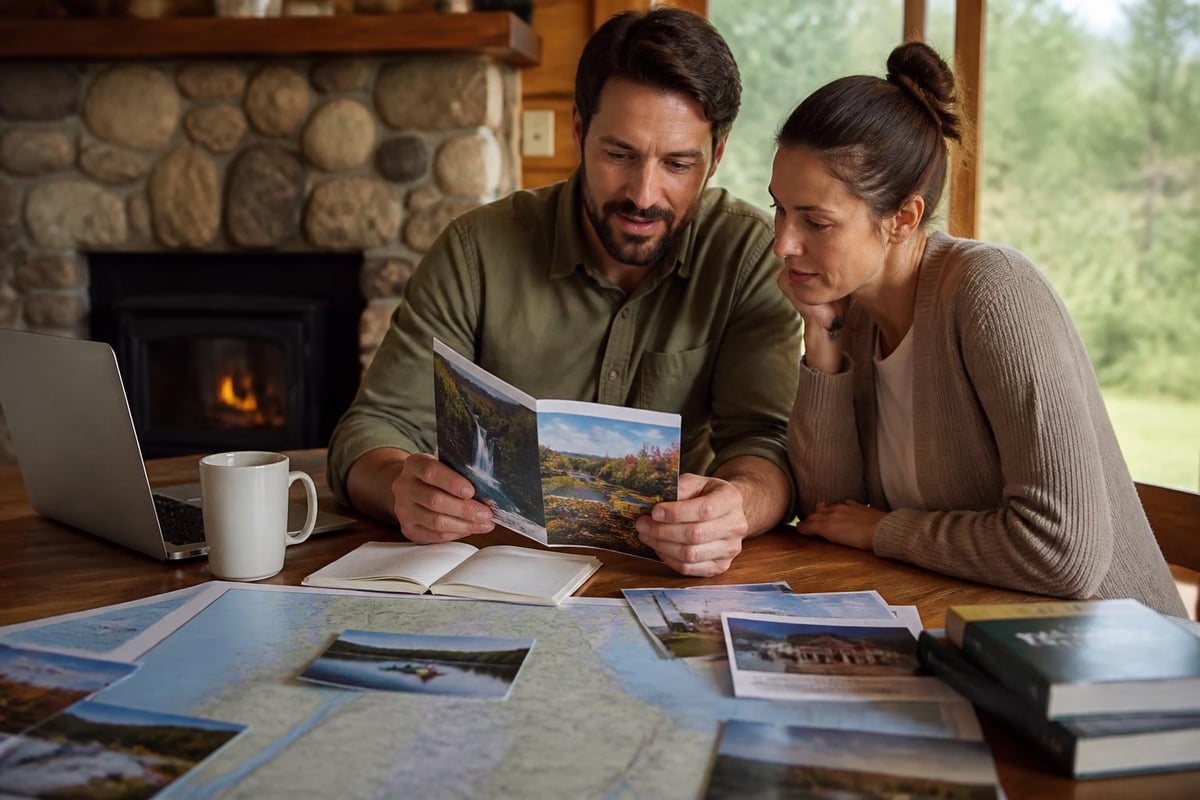
The kennebec valley welcomes families with children through diverse age-appropriate activities. Gentle river floats accommodate younger children alongside more challenging rapids for teens. Nature centers offer educational programming that engages curious minds while parents appreciate outdoor settings. Playgrounds, swimming beaches, and ice cream stands appear throughout the region.
Interactive museums provide hands-on learning opportunities that maintain interest across age groups. Many attractions offer family pricing structures that make outings more affordable. Seasonal activities like pumpkin patches, sleigh rides, and summer camps create memorable experiences that children recall for years.
Sustainable Tourism Practices
Responsible travel benefits both visitors and host communities by preserving resources and authentic character. The kennebec valley encourages practices that minimize environmental impact while supporting local economies. Choosing locally owned accommodations and restaurants directs spending to community members rather than distant corporations.
Trail etiquette protects natural areas for future enjoyment. Pack-in-pack-out principles, staying on designated paths, and respecting wildlife create minimal impact. Supporting conservation organizations and participating in volunteer opportunities like trail maintenance or river cleanups allow visitors to give back while traveling.
Regional Connections and Day Trip Options
The kennebec valley's central location enables exploration of broader Maine regions. Coastal destinations lie within an hour's drive, offering lighthouse tours and ocean experiences. Western mountain areas provide additional hiking and skiing opportunities. This geographic advantage allows visitors to experience multiple Maine environments during single trips.
Day trips to Portland, Bar Harbor, or the Western Mountains remain feasible from valley bases, though full appreciation of diverse attractions throughout the Kennebec Valley suggests dedicating sufficient time to the region itself rather than treating it merely as a home base for exploring elsewhere.
Practical Visitor Information
Weather Patterns and What to Pack
Maine weather varies dramatically by season and can change rapidly. Summer temperatures typically range from 70-85°F, while winter averages 10-30°F. Rain occurs throughout the year, making waterproof layers essential regardless of season. Layered clothing allows adjustment to fluctuating conditions during single days.
Insect repellent becomes necessary during late spring and summer, particularly near water and wooded areas. Sunscreen remains important despite northern latitude, especially during lake and river activities. Appropriate footwear for planned activities prevents discomfort and injury.
Essential Services and Safety Considerations
The region maintains adequate emergency services, though response times may extend in remote areas. Cell phone coverage varies, with dead zones existing in some wilderness areas. Carrying physical maps provides backup navigation when digital devices fail.
Hospitals and urgent care facilities operate in major communities, while smaller towns may require travel to larger centers for medical attention. Pharmacies, grocery stores, and fuel stations appear regularly along major routes but become sparse in recreational areas.
The kennebec valley offers remarkable diversity within a cohesive regional identity, combining outdoor adventures, cultural enrichment, and authentic Maine hospitality across four distinct seasons. Whether seeking adrenaline rushes on whitewater rapids, peaceful contemplation beside pristine lakes, or immersion in artistic and historical heritage, the region delivers experiences that create lasting memories. The Kennebec Valley Tourism Council provides comprehensive resources to help you plan your perfect Maine getaway, from initial research through on-the-ground exploration of everything this remarkable region offers.