

Maine stands as one of America’s most captivating travel destinations, offering visitors an extraordinary blend of natural beauty, rich history, and authentic cultural experiences. From the rugged Atlantic coastline to pristine wilderness areas and charming historic communities, this northeastern gem provides endless opportunities for discovery and adventure. Whether you’re seeking outdoor recreation, culinary experiences, or peaceful retreats, the state’s diverse regions each offer distinct characteristics that make them worthy of exploration. Understanding what makes various Maine destinations special helps travelers craft memorable journeys that match their interests and preferences. To view our official visitors guide click here.
Understanding Maine’s Geographic Diversity
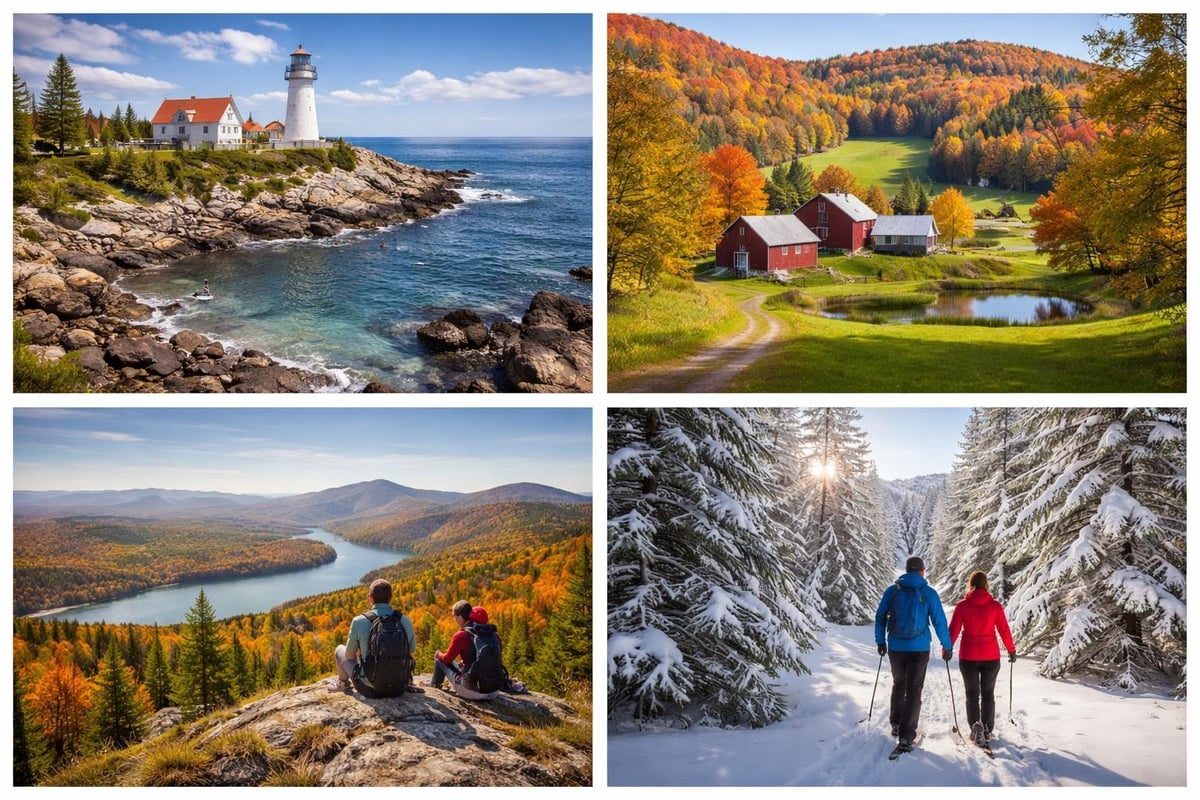
The state’s varied landscape creates distinctly different experiences across its regions. Coastal areas offer maritime heritage, fresh seafood, and ocean vistas, while inland regions provide mountain recreation, river adventures, and agricultural traditions.
Central Maine, particularly the Kennebec Valley, represents a compelling middle ground where rivers meet rolling hills and urban centers blend with rural charm. This region offers accessibility combined with authentic Maine character, making it an ideal base for exploring multiple destination types within short distances.
Coastal Communities Worth Exploring
Maine’s coastline stretches over 3,400 miles when accounting for all inlets and islands, creating countless opportunities for coastal exploration. Popular destinations like Portland, Bar Harbor, and Kennebunkport attract significant visitor attention, yet many lesser-known communities offer equally compelling experiences without the crowds.
The Maine Office of Tourism promotes various coastal towns, each with unique characteristics. Camden combines mountain hiking with harbor views, while Rockland serves as Maine’s lobster capital and hosts internationally recognized art museums. These communities demonstrate how maine destinations can specialize while maintaining the authentic character that draws visitors seeking genuine experiences.
Mid-coast regions provide particularly strong value for travelers interested in maritime history. Shipbuilding heritage, lighthouse tours, and working waterfront experiences create educational opportunities alongside recreational activities. Spring through fall represents peak season, though winter coastal visits offer dramatic scenery and reduced accommodation rates.
Kennebec Valley: Central Maine’s Hidden Treasure
The Kennebec Valley region exemplifies how inland maine destinations deliver exceptional value and variety. Stretching along the Kennebec River through central Maine, this area combines outdoor adventure with cultural attractions and historic preservation.
Outdoor Recreation Opportunities
|
Activity Type |
Season |
Difficulty Levels |
Key Locations |
|---|---|---|---|
|
Whitewater Rafting |
Spring-Fall |
Beginner to Advanced |
Kennebec River, Dead River |
|
Hiking |
Year-round |
Easy to Challenging |
Multiple trail systems |
|
Fishing |
Spring-Fall |
All levels |
Rivers, lakes, streams |
|
Snowmobiling |
Winter |
Intermediate to Advanced |
Connected trail networks |
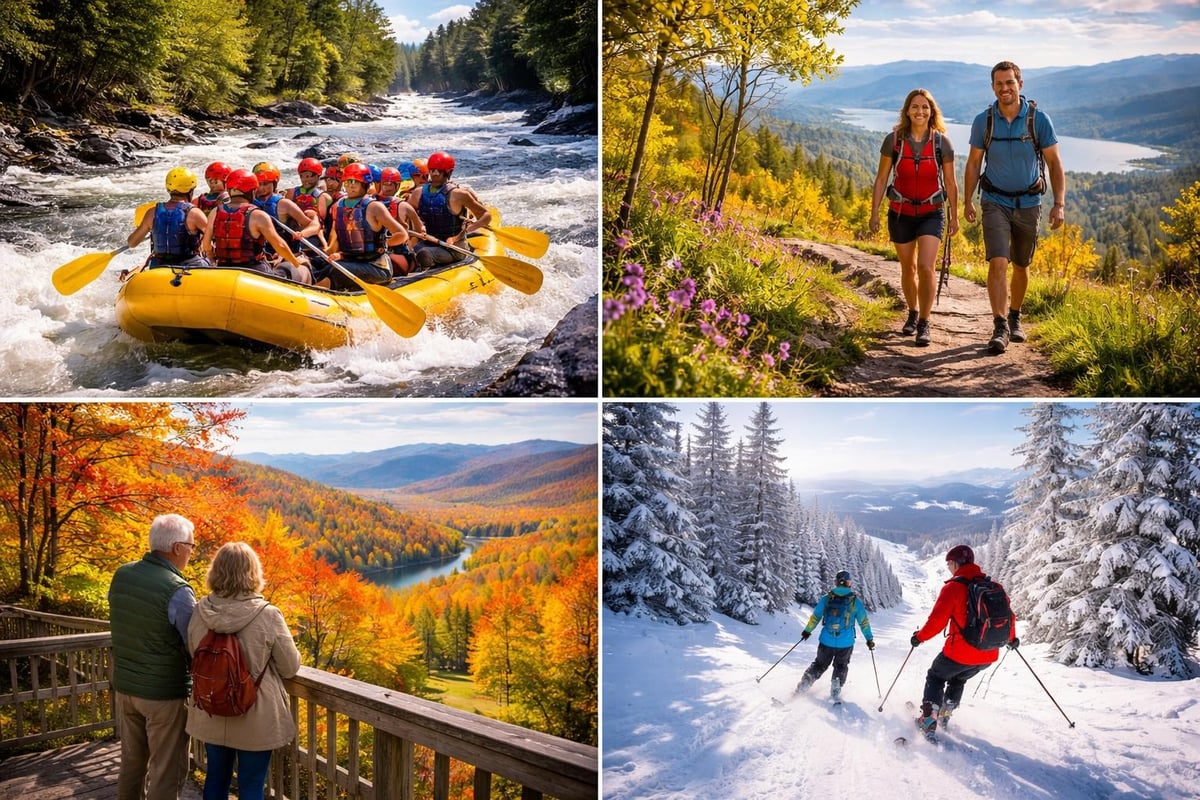
The region’s river systems provide some of New England’s best whitewater rafting, with releases from hydroelectric dams creating consistent conditions throughout the summer season. Multiple outfitters operate along the Kennebec and Dead Rivers, offering guided trips suitable for first-timers and experienced paddlers alike.
Trail networks accommodate hikers of all abilities. The area features both maintained paths through conservation lands and more challenging mountain ascents. These outdoor resources reflect broader trends in Maine’s outdoor recreation offerings, which continue attracting visitors seeking active experiences.
Cultural Attractions and Events
Beyond outdoor activities, the Kennebec Valley hosts numerous cultural venues and annual events. Historic theaters, art galleries, and museums preserve regional heritage while supporting contemporary artists. The Kennebec Valley Tourism Council maintains comprehensive event calendars highlighting seasonal festivals, performances, and community gatherings.
Augusta, Maine’s capital city, offers government building tours, riverside parks, and dining establishments featuring local ingredients. Waterville combines college-town energy with revitalized downtown districts, creating vibrant arts and entertainment scenes. Smaller communities throughout the valley maintain distinct identities while contributing to the region’s overall appeal.
Mountain Regions and Wilderness Areas
Western and northern Maine provide expansive wilderness experiences that distinguish these maine destinations from more populated coastal areas. Rangeley Lakes, Moosehead Lake, and Baxter State Park represent premier locations for visitors seeking immersion in nature.
Baxter State Park encompasses over 200,000 acres, including Mount Katahdin, Maine’s highest peak and the northern terminus of the Appalachian Trail. The park’s strict preservation policies limit development, ensuring authentic wilderness experiences. Reservations for camping and day-use parking often fill months in advance, particularly for summer weekends.
The Rangeley Lakes region offers year-round recreation centered on interconnected waterways. Summer brings boating, fishing, and swimming, while winter transforms the area into a snowmobiling and cross-country skiing destination. Lodging options range from rustic camps to full-service resorts, accommodating various preferences and budgets.
Seasonal Considerations for Mountain Visits
-
Summer (June-August): Peak season with warmest weather, longest daylight, and fullest facilities
-
Fall (September-October): Spectacular foliage, moderate temperatures, reduced crowds
-
Winter (December-March): Snow sports, ice fishing, aurora viewing opportunities
-
Spring (April-May): Mud season with limited accessibility, but exceptional wildlife viewing
National Geographic recognizes several Maine towns for their exceptional qualities, highlighting destinations that offer authentic experiences beyond typical tourist circuits.
Planning Your Maine Destination Journey
Successful Maine trips require thoughtful planning that accounts for distance, seasonal factors, and activity preferences. The state’s geography means travel times between destinations can exceed expectations, particularly when navigating rural roads.
Route Planning Strategies
-
Select a primary base location aligned with your top priorities
-
Identify secondary destinations within 90-minute drive radius
-
Research seasonal road conditions and attraction operating schedules
-
Book accommodations early for peak season visits
-
Build flexibility for weather-dependent activities
Visitors focusing on multiple maine destinations should consider multi-region itineraries that balance travel time with experience quality. A seven-day trip might combine three nights in one region with four in another, rather than attempting to cover the entire state.
The Maine Tourism Association provides detailed planning resources, including suggested itineraries organized by interest and season. These tools help visitors maximize their time while maintaining realistic expectations about what can be accomplished during specific visit lengths.
Culinary Experiences Across Maine
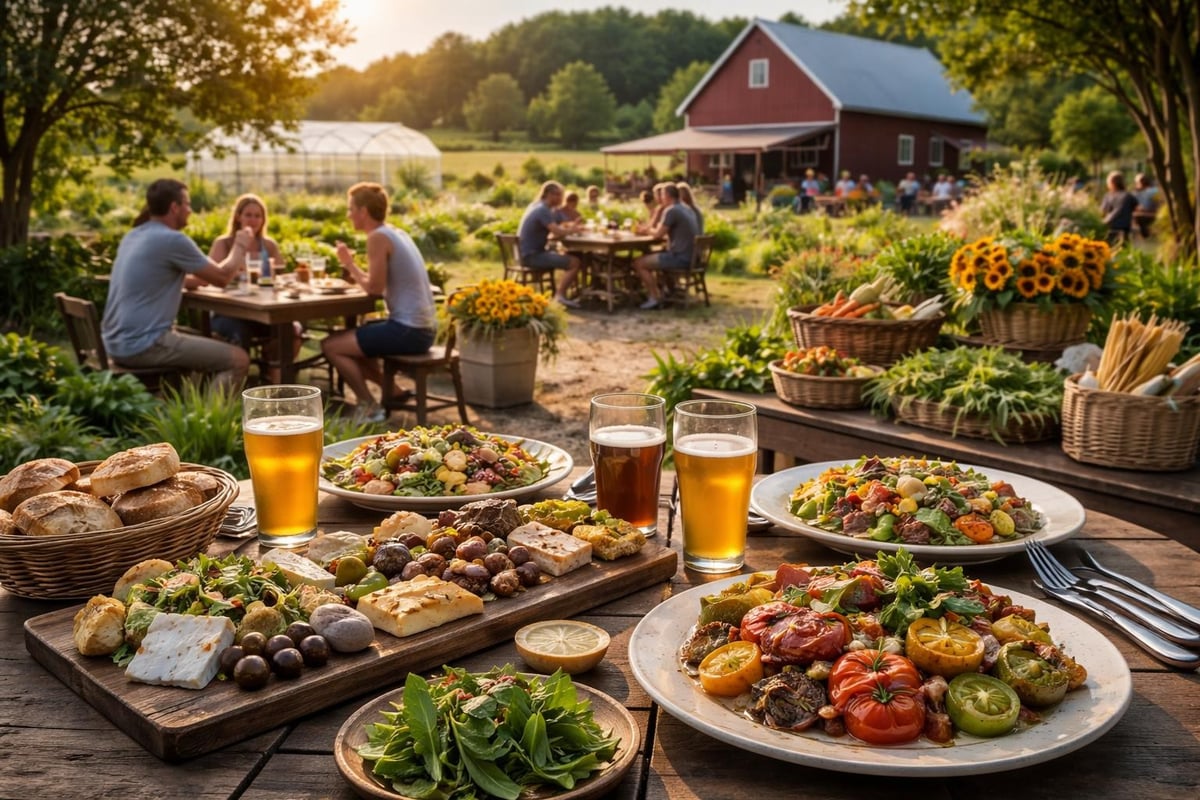
Food culture represents an increasingly important aspect of Maine’s destination appeal. Beyond the state’s famous lobster, diverse culinary scenes showcase local ingredients, traditional preparations, and innovative cooking approaches.
|
Culinary Experience |
Best Regions |
Signature Items |
Peak Season |
|---|---|---|---|
|
Lobster Shacks |
Coastal |
Lobster rolls, whole lobster |
May-October |
|
Farm-to-Table |
Kennebec Valley, Portland |
Seasonal vegetables, artisan cheese |
Year-round |
|
Craft Beverages |
Statewide |
Beer, spirits, hard cider |
Year-round |
|
Maple Syrup |
Northern/Western |
Pure maple syrup, maple candy |
March-April |
The Kennebec Valley particularly excels in agricultural tourism, with farm stands, u-pick operations, and farmers markets operating throughout growing seasons. Events like Maine Quilts 2026 demonstrate how cultural celebrations often incorporate local food traditions alongside their primary focus.
Craft beverage producers have established strong presences across Maine destinations, with breweries, distilleries, and cideries offering tours and tastings. Many operations use Maine-grown ingredients, creating direct connections between agricultural production and finished products. These venues frequently host live music, food trucks, and community events, serving as social hubs beyond their primary business functions.
Supporting Local Food Systems
Visitors interested in sustainable tourism can support Maine’s food systems through conscious choices. Purchasing directly from producers at farmers markets, choosing restaurants emphasizing local sourcing, and visiting working farms all contribute to regional economic vitality while providing authentic experiences.
Accommodation Options and Booking Strategies
Maine destinations offer accommodation diversity matching their geographic and experiential variety. Understanding options helps travelers select lodging that enhances rather than simply supports their visits.
Traditional coastal inns and bed-and-breakfasts provide historic charm and personalized service, often in beautifully restored buildings with distinctive architecture. These properties typically include breakfast and offer insider knowledge about local attractions and dining. They work best for couples and small groups seeking romantic or relaxing getaways.
Vacation rentals have expanded significantly, offering entire homes or condos for families and larger groups. These properties provide kitchen facilities, multiple bedrooms, and often better value for longer stays. Coastal rentals command premium pricing during summer months, while inland properties maintain more consistent rates year-round.
Booking Timeline Recommendations
-
Peak summer weeks (July-August): Book 6-9 months ahead
-
Fall foliage season (late September-early October): Book 4-6 months ahead
-
Winter stays: Book 2-3 months ahead
-
Shoulder seasons: Book 1-2 months ahead for best selection
Camping enthusiasts find extensive public and private campground networks throughout Maine. State parks, the North Maine Woods system, and private campgrounds offer sites ranging from primitive tent platforms to full-hookup RV accommodations. Popular locations require reservations well in advance, while more remote sites may operate first-come, first-served.
Hidden Gems and Off-Season Travel
While established maine destinations merit their reputations, exploring lesser-known locations and visiting during shoulder seasons creates opportunities for discovery and value. Towns recommended by National Geographic Travel often feature authentic character without overwhelming tourist infrastructure.
Spring brings mud season challenges but rewards visitors with rushing waterfalls, emerging wildflowers, and maple syrup production. Rates drop significantly, and popular trails and attractions become accessible without crowds or reservations. Late May through early June represents a particularly strong window combining improving weather with continued low-season pricing.
Winter transforms Maine into a different destination entirely. Beyond downhill skiing at established resorts, opportunities for cross-country skiing, snowshoeing, and ice fishing abound. Small towns host winter festivals celebrating cold-weather traditions, while northern regions offer potential aurora viewing during clear nights.
Year-Round Destination Advantages
-
Lower accommodation and activity costs during off-peak periods
-
Reduced crowding at popular attractions and natural areas
-
Opportunities to experience seasonal traditions and events
-
More personalized service from local businesses
-
Authentic glimpses into year-round community life
The official Maine tourism website provides seasonal event calendars and activity guides helping visitors identify compelling reasons to visit during traditionally quieter months.
Sustainable and Responsible Tourism
As Maine destinations experience growing visitor numbers, sustainable tourism practices become increasingly important for preserving the resources and character that make locations attractive. Travelers can minimize negative impacts while supporting positive community outcomes through informed choices.
Respecting Leave No Trace principles protects natural areas. This includes packing out all trash, staying on designated trails, camping only in permitted areas, and maintaining safe distances from wildlife. These practices ensure future visitors find environments in excellent condition while protecting fragile ecosystems.
Supporting local businesses strengthens community economies more effectively than patronizing national chains. Choosing locally owned accommodations, restaurants, and activity providers keeps tourism revenue within communities, funding services and infrastructure benefiting residents and visitors alike.
Making the Most of Your Maine Destinations Experience
Successful Maine visits combine advance planning with spontaneous flexibility. Weather, wildlife sightings, and chance conversations can reveal unexpected opportunities that become trip highlights. Building unscheduled time into itineraries allows pursuing these discoveries without stress.
Engaging with locals provides insights no guidebook can match. Restaurant servers, shopkeepers, and accommodation hosts often share favorite spots, current conditions, and insider tips that enhance experiences. Maine’s culture generally welcomes friendly conversation, particularly outside urban centers where community connections remain strong.
Photography enthusiasts find endless subjects across maine destinations. Coastal sunrises, mountain vistas, wildlife encounters, and architectural details all reward patient observation. Optimal lighting typically occurs during golden hours around dawn and dusk, requiring early starts or late outings for best results.
Essential Packing Considerations
Weather variability requires layered clothing regardless of season. Summer days may reach 80°F while evenings drop to the 50s. Rain gear proves essential year-round, as weather patterns change rapidly. Insect repellent becomes necessary from late May through September, particularly in wooded and wetland areas.
Quality footwear appropriate for planned activities prevents discomfort and injury. Hiking boots or sturdy shoes work for trail exploration, while water shoes help at rocky beaches and boat launches. Even casual visitors benefit from comfortable walking shoes, as many downtown areas and attractions involve substantial walking on varied surfaces.
Maine’s incredible diversity of destinations ensures every traveler finds experiences matching their interests, whether seeking coastal adventures, mountain wilderness, cultural enrichment, or culinary exploration. The Kennebec Valley exemplifies how central Maine locations provide access to multiple destination types while maintaining authentic character and exceptional value. For comprehensive planning resources, activity guides, and insider insights into exploring this remarkable region, Kennebec Valley Tourism Council stands ready to help you craft an unforgettable Maine journey that exceeds your expectations.