
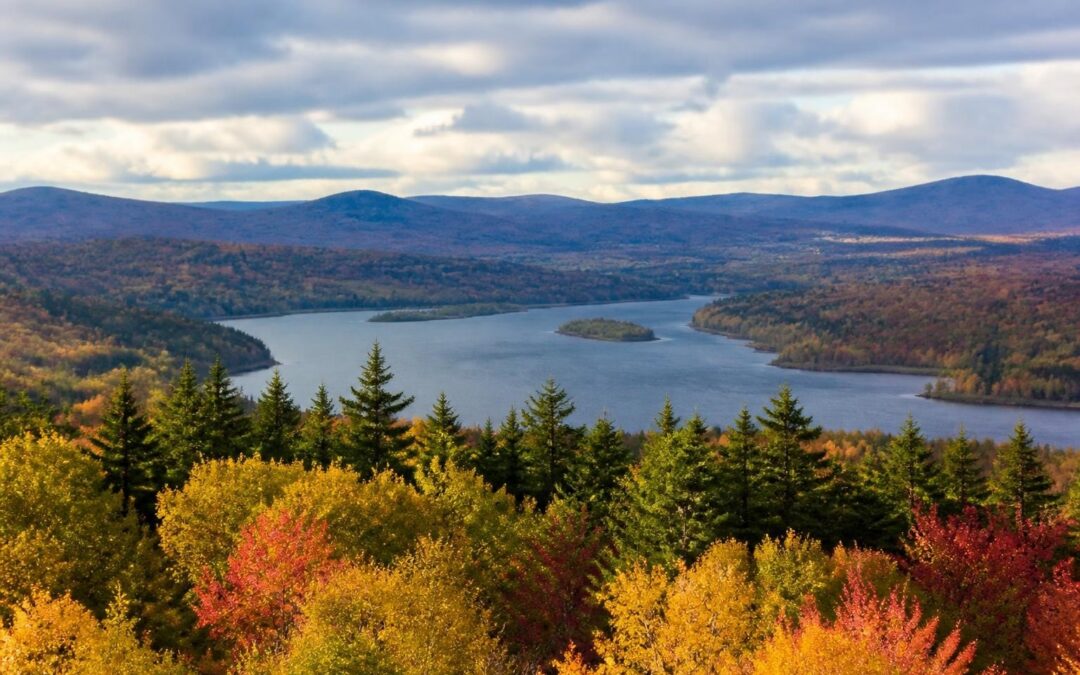
Maine's autumn transformation stands as one of nature's most breathtaking spectacles, drawing visitors from across the globe to witness the explosion of crimson, gold, and amber that blankets the state's forests and valleys. The best foliage in Maine typically peaks between late September and mid-October, though timing varies dramatically by elevation, latitude, and weather patterns. Whether you're planning a weekend escape or an extended leaf-peeping adventure, understanding the nuances of Maine's fall color season will help you capture the landscape at its most vibrant. To view our official visitors guide click here.
Understanding Maine's Fall Foliage Timeline
The science behind autumn color change involves complex biochemical processes that respond to daylight duration, temperature fluctuations, and moisture levels. As days shorten and nights cool, chlorophyll production slows, revealing the carotenoids and anthocyanins that create fall's signature palette. According to research from the National Park Service on foliage science, these pigments are present throughout the growing season but become visible only when green chlorophyll breaks down.
Regional Timing Variations
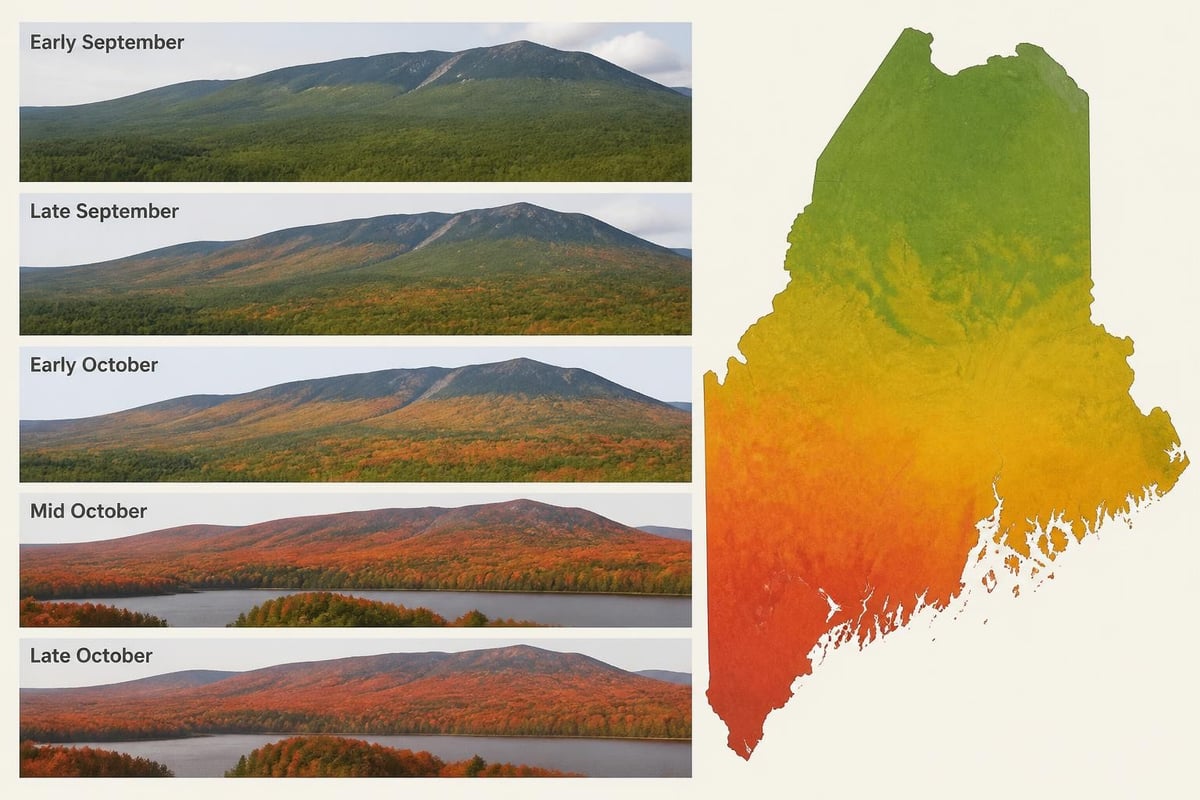
Maine's fall color progression follows predictable patterns based on geography and elevation:
- Northern Maine: Peak color typically arrives first, often during the final week of September
- Western Mountains: Higher elevations peak in late September, valleys follow in early October
- Central Maine: Mid-September through early October offers the most consistent viewing
- Coastal Regions: Peak foliage generally occurs latest, extending into mid-October
The Maine Department of Agriculture, Conservation & Forestry publishes weekly foliage reports throughout autumn, providing county-by-county assessments of color progression. These updates prove invaluable for timing your visit to coincide with peak conditions.
Premier Foliage Viewing Locations
The best foliage in Maine can be experienced across diverse landscapes, from mountain summits to river valleys. Each region offers distinct advantages for leaf peepers seeking optimal color displays.
Kennebec Valley Region
The Kennebec Valley presents exceptional foliage opportunities with its mix of hardwood forests, agricultural valleys, and riverside vistas. The region's central location means predictable peak timing, typically during the first two weeks of October. Mixed stands of sugar maple, red maple, birch, and oak create complex color palettes that shift throughout the season.
Belgrade Lakes area showcases particularly stunning reflections when calm conditions mirror brilliant canopies across water surfaces. The Forks region, where the Kennebec and Dead Rivers converge, offers dramatic gorge views framed by colorful hardwood slopes. Mount Pisgah in Winthrop provides panoramic valley vistas without requiring strenuous hiking.
Check Kennebec Valley events throughout fall for harvest festivals and seasonal celebrations that complement foliage viewing with local culture and cuisine.
Acadia National Park
Acadia National Park ranks among Maine's most photographed fall destinations, combining coastal drama with forest color. The park’s FAQ section provides current conditions and peak timing estimates. Cadillac Mountain offers sunrise views over colored canopies, while the carriage roads provide intimate forest experiences away from vehicle traffic.
Recent research published in Landscape Ecology indicates climate change may be affecting peak timing in Acadia, with color arriving slightly later in recent years. This underscores the importance of checking current reports rather than relying solely on historical dates.
Scenic Byways and Driving Routes
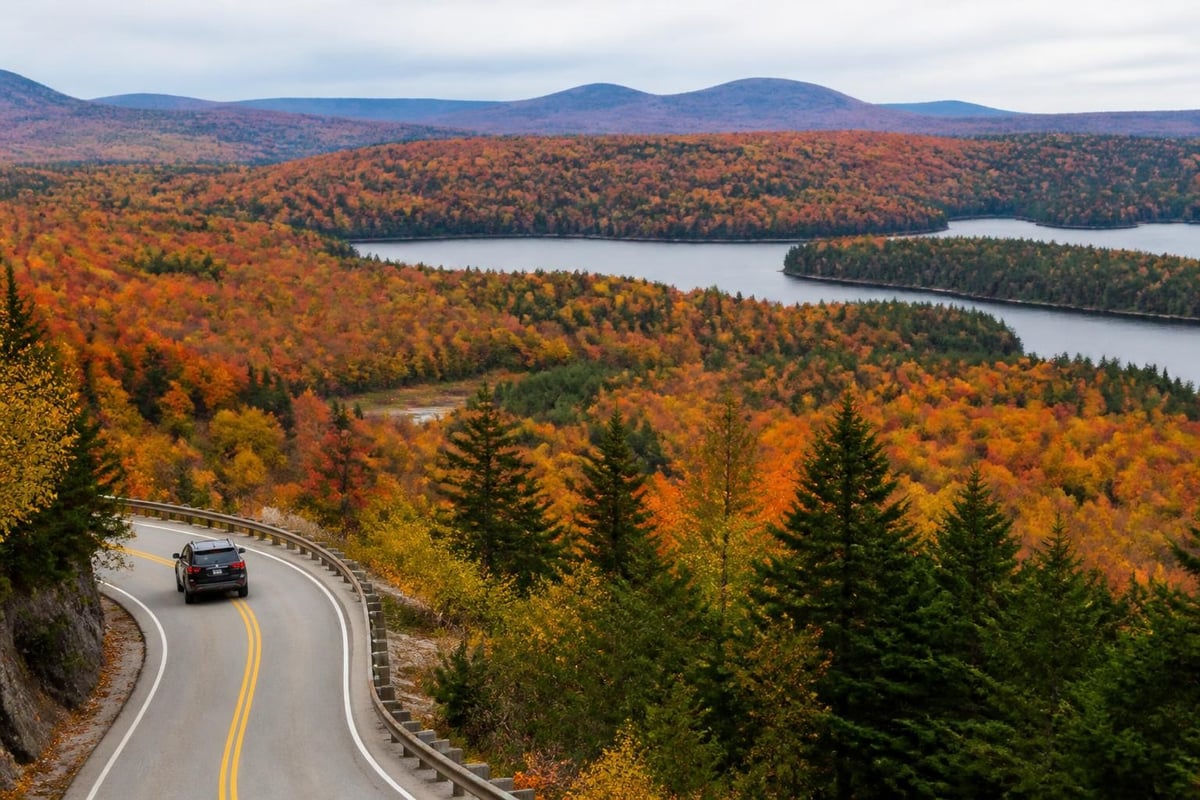
Maine's network of scenic byways provides curated routes through the state's most spectacular fall landscapes. The official Maine scenic byways map outlines designated corridors designed to maximize visual impact.
Top Foliage Drives
| Route | Distance | Highlights | Best For |
|---|---|---|---|
| Route 201 (Kennebec Valley) | 78 miles | River gorges, mountain views, working forests | Mixed scenery, less traffic |
| Route 17 (Byron to Mexico) | 35 miles | Height of Land overlook, Mooselookmeguntic Lake | Mountain vistas, photography |
| Route 27 (Belgrade to Stratton) | 65 miles | Lakes region, Sugarloaf area, Carrabassett Valley | Variety, accessibility |
| Route 4 (Farmington to Rangeley) | 40 miles | Sandy River valley, alpine scenery | Classic mountain route |
Route 201 through the Kennebec Valley deserves special attention for those seeking the best foliage in Maine without excessive crowds. This corridor follows the Kennebec River north from Skowhegan through dramatic gorges to The Forks and beyond, offering consistent color displays and frequent pull-offs for photography.
Strategic Timing for Drives
Plan driving routes for mid-morning to early afternoon when angled light enhances color saturation. Overcast days actually improve color photography by eliminating harsh shadows and reducing glare on foliage. Early mornings near water bodies may yield fog-draped scenes that add atmospheric drama to already vibrant landscapes.
Tree Species and Color Characteristics
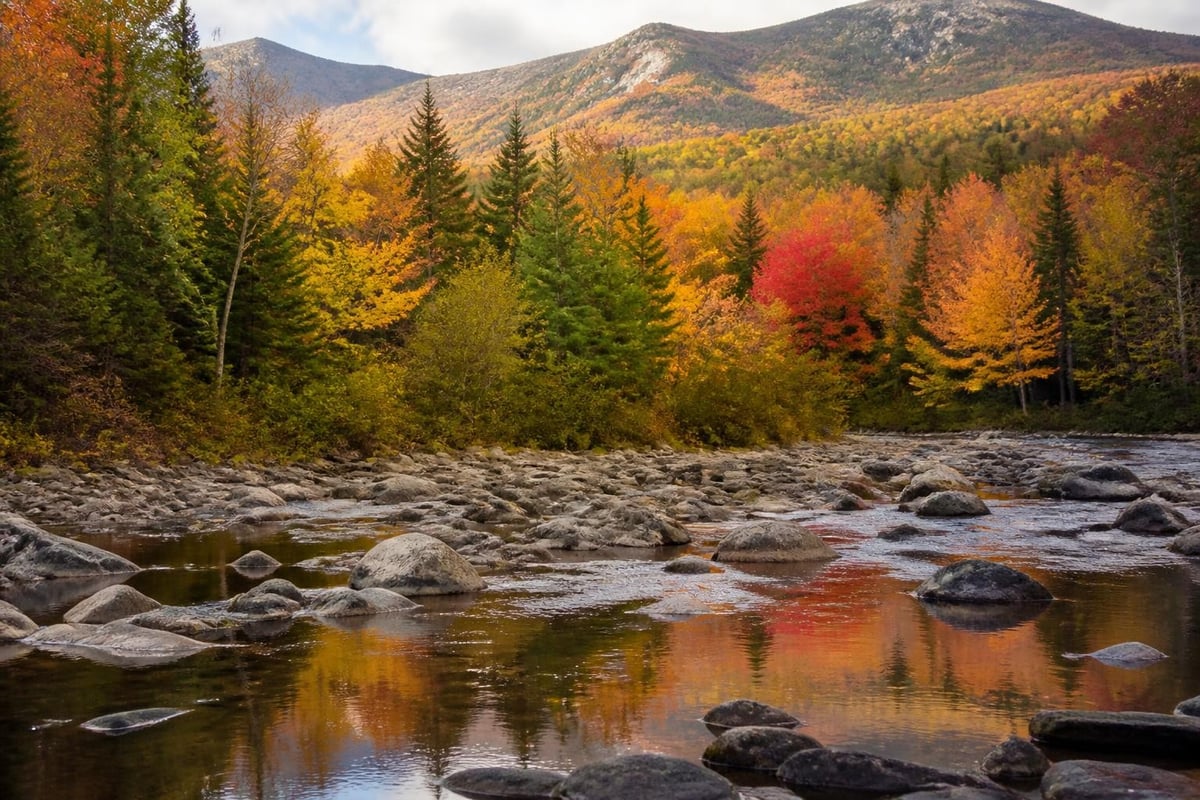
Understanding which trees produce specific colors helps you predict and locate the best foliage in Maine. The state's diverse hardwood forests contain numerous species, each contributing unique hues to the autumn tapestry.
Color by Species
Sugar Maple produces the brilliant oranges and reds that define New England autumn. These trees dominate Maine's interior forests and create the most dramatic color displays when conditions align perfectly. Look for sugar maples along valley floors and mid-elevation slopes.
Red Maple contributes deep crimson and scarlet tones earlier in the season than sugar maples. These adaptable trees grow in diverse environments from wetlands to hillsides, creating scattered red accents throughout mixed forests.
White Birch and Paper Birch add golden yellows and create striking contrast against evergreen conifers. Birch trees often pioneer disturbed areas and edge habitats, making them prominent along roadways and waterways.
American Beech turns bronze and copper, holding leaves well into November in some locations. Beech trees in protected valleys provide late-season color after maples have dropped their foliage.
Oak Species contribute russet, burgundy, and brown tones that deepen as the season progresses. Northern red oak and white oak typically change later than maples, extending the overall foliage season.
Forest Composition Impact
Mixed hardwood-conifer forests create more complex color palettes than pure stands. The dark green backdrop of spruce, fir, and pine enhances the perception of autumn colors, making reds appear more vivid and yellows more luminous. Areas with diverse age structures and species mixes typically produce more interesting and photogenic results than monoculture tree plantations.
Weather Factors and Color Quality
Environmental conditions during the growing season and autumn itself significantly affect color intensity and duration. The best foliage in Maine results from ideal combinations of sunshine, temperature, and moisture.
Optimal Weather Patterns
Summer Growing Conditions: Adequate rainfall and moderate temperatures during summer produce healthy trees with robust leaf chemistry. Drought-stressed trees may change color earlier but often display muted tones or drop leaves prematurely.
Early Autumn Conditions: Warm, sunny days paired with cool (but not freezing) nights trigger the most brilliant color development. This temperature differential slows chlorophyll production while stimulating anthocyanin creation, producing deep reds and purples.
Precipitation Timing: Light moisture keeps leaves turgid and vibrant, but heavy rain or strong winds can strip color from trees before peak viewing. The ideal autumn includes dry, calm conditions once color develops.
Climate Change Considerations
Long-term trends suggest shifting phenology patterns across Maine's forests. Data from University of Maine research indicates that warming temperatures may extend growing seasons and delay color onset, though extreme weather events can disrupt predictable patterns. Flexible travel dates and real-time monitoring through official foliage reports help adapt to these changing conditions.
Photography Tips and Best Practices
Capturing Maine's fall splendor requires both technical skill and strategic location choices. National Geographic’s New England travel guide offers professional perspectives on photographing autumn landscapes.
Equipment and Settings
- Polarizing filters reduce glare from leaves and water while enhancing color saturation
- Tripods enable longer exposures for water features and low-light forest scenes
- Wide-angle lenses capture expansive valley views and forest canopies
- Telephoto lenses isolate color patterns and compress mountain layers
- Manual exposure prevents camera meters from being fooled by bright foliage
Composition Strategies
Include foreground elements such as stone walls, weathered fences, or rushing water to add depth and context to foliage scenes. Leading lines created by roads, rivers, or forest paths draw viewers into images. Reflections in lakes and ponds double visual impact when calm conditions prevail.
Golden hour light-the first and last hours of full sun-provides warm illumination that complements autumn tones. Midday overhead sun can wash out colors, though overcast conditions often yield richer, more saturated hues than bright sunshine.
Practical Planning Considerations
Successful foliage trips require advance planning, particularly during peak weekends when popular destinations experience heavy visitation. The Maine Office of Tourism fall foliage resources provide comprehensive planning tools and current conditions.
Accommodation Strategies
Book lodging three to six months ahead for prime October weekends. Mid-week visits offer better availability and typically lower rates while delivering identical viewing quality. Consider staying slightly away from primary tourist centers to access less-crowded viewing areas while maintaining reasonable proximity to popular sites.
Crowd Management
| Time Period | Crowd Level | Advantages | Considerations |
|---|---|---|---|
| Weekday mornings | Low | Peaceful trails, better parking | Limited restaurant hours |
| Weekday afternoons | Moderate | Full services available | Decent conditions |
| Weekend mornings | High | Social atmosphere, all services | Parking challenges |
| Weekend afternoons | Very High | Events and activities | Traffic, crowds |
Arrive at popular viewpoints before 8:00 AM or after 4:00 PM to avoid peak crowds. Many of Maine's most spectacular vistas require no entrance fees or reservations, allowing spontaneous exploration when you discover real-time color reports showing exceptional conditions.
Alternative Foliage Activities
While driving tours dominate fall tourism, active pursuits offer immersive foliage experiences and access to locations invisible from roads.
Hiking and Trails
Mount Pisgah (Winthrop): Moderate 1.8-mile round trip yields panoramic Kennebec Valley views across colored hardwood forests and agricultural patchwork.
Bigelow Preserve: Strenuous but rewarding mountain hiking places you within reaching distance of brilliant alpine scrub color and sweeping views over endless forest canopy.
Old Canada Road National Scenic Byway trails: Multiple trailheads along Route 201 access riverside walks and waterfall viewpoints framed by autumn color.
Water-Based Viewing
Kayaking or canoeing through Belgrade Lakes or along the Kennebec River provides unique perspectives on shoreline color displays. Morning paddling sessions often feature mirror-calm conditions that reflect forest canopies across glassy water surfaces. Guided whitewater rafting trips through the Kennebec Gorge combine adventure with spectacular foliage viewing from water level.
Cultural Experiences
Fall harvest festivals, farmers markets, and craft fairs throughout the Kennebec Valley complement natural beauty with regional culture. These events showcase local foods, crafts, and traditions while providing social contexts for foliage visits beyond simple sightseeing.
Monitoring Current Conditions
Real-time information proves essential for timing visits to coincide with peak color. Multiple official sources track foliage progression throughout autumn, each offering unique perspectives and geographic coverage.
The Maine DACF weekly foliage reports provide the most comprehensive statewide assessment, with detailed county-level descriptions updated each week throughout the season. These reports include percentage estimates for color change, dominant hues, and predicted timing for upcoming peak periods.
Social media platforms offer crowdsourced real-time updates from visitors currently experiencing conditions on the ground. Search location-specific hashtags and recent posts to see current photographs and firsthand accounts. Balance these informal reports with official sources for reliable planning information.
Historical Patterns
While each year varies based on weather, historical data reveals consistent regional patterns. Northern and higher-elevation areas peak approximately two weeks before coastal southern Maine. The Kennebec Valley's central position typically sees optimal conditions during the October 1-15 window, though checking current reports remains essential given yearly variations.
Archives of past season reports help identify locations that consistently deliver exceptional color and those prone to early leaf drop or disappointing displays. Some microclimates and forest compositions produce more reliable results than others across varying weather patterns.
Sustainable Foliage Tourism
Responsible visitation helps preserve the landscapes that make Maine's autumn special. Simple practices minimize environmental impact while ensuring future generations can enjoy the best foliage in Maine.
Leave No Trace Principles
- Stay on designated trails to prevent soil erosion and vegetation damage
- Pack out all trash including organic waste like apple cores
- Respect private property and observe posted signage
- Minimize noise to preserve natural soundscapes for wildlife and other visitors
- Use established parking areas rather than creating informal roadside pull-offs
Supporting Local Communities
Patronize locally-owned restaurants, lodging, and shops in the communities you visit. Fall tourism provides critical seasonal revenue for rural Maine economies. Spreading visits throughout the multi-week season rather than concentrating on single peak weekends helps distribute economic benefits while reducing strain on infrastructure.
Purchase local products including maple syrup, apples, crafts, and specialty foods that reflect regional character and support sustainable agricultural practices. Many of these items make meaningful souvenirs that connect you to place in ways mass-produced alternatives cannot.
Extended Kennebec Valley Experiences
The Kennebec Valley region offers exceptional foliage viewing combined with diverse activities that extend trips beyond simple leaf peeping. From outdoor adventures to cultural attractions, the valley provides comprehensive Maine experiences during autumn's peak season.
River gorges along the Kennebec create dramatic natural amphitheaters where hardwood slopes rise hundreds of feet above rushing water. These geological features concentrate color displays while offering opportunities for whitewater rafting, fishing, and riverside hiking. The combination of adventure activities with spectacular scenery distinguishes the Kennebec Valley from purely scenic destinations.
Historic downtowns in Skowhegan, Waterville, and Augusta feature preserved architecture, local museums, and seasonal events that provide cultural depth to foliage visits. Walking tours reveal stories of industrial heritage, literary connections, and community evolution against the backdrop of autumn color.
Maine's fall foliage season offers unmatched natural beauty, diverse viewing opportunities, and memorable experiences across varied landscapes and elevations. Whether you prefer scenic drives, active pursuits, or cultural immersion, the state's autumn transformation provides something for every visitor. The Kennebec Valley Tourism Council can help you plan the perfect fall getaway with comprehensive resources on lodging, dining, activities, and insider tips for experiencing the region at its most spectacular. Start planning your autumn adventure today to witness why Maine's foliage ranks among the world's finest natural displays.